The Nautical Institute in collaboration with The Maritime Search and Rescue Council announces a new Maritime Search and Rescue Endorsement Scheme
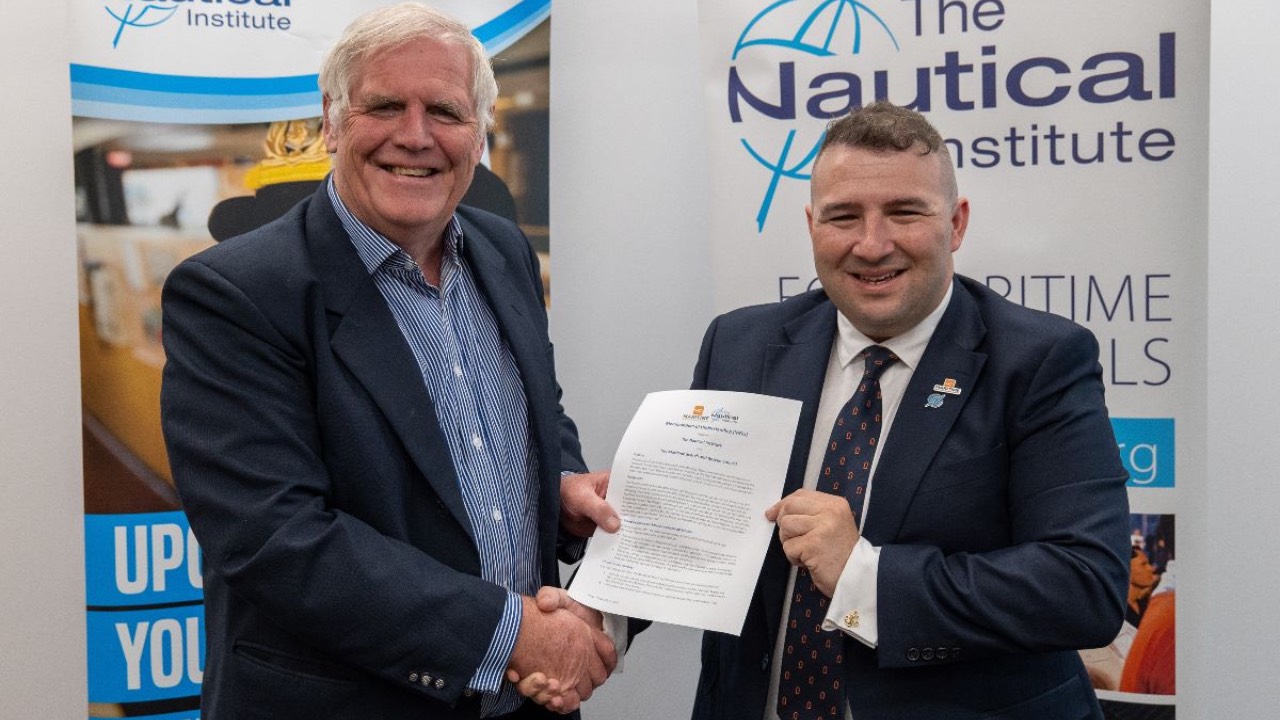

Search and Rescue specialists play a vital role in the safety of all seafarers. Recognising the specialist skills required by both crew and commanders on board Search and Rescue vessels, The Nautical Institute and The Maritime Search and Rescue Council have worked together to develop a scheme that addresses their specific needs. Successful participants of The Maritime Seach and Rescue Endorsement Scheme will receive certification that can be used to further their career progression or voluntary SAR ambitions.
The new scheme, to be offered through The Nautical Institute, allows candidates to demonstrate the knowledge essential for the safe and efficient operation of their vessels in a variety of SAR settings. MSARES has been designed for self-study so participants can work through the scheme at their own pace. Topics include SAR navigation and on scene coordination, incident command and decision making; crew and casualty management; communication; risk assessment and safety management and the use of specialist SAR equipment.
Somiyeh Djavanroodi, Head of The Nautical Institute Academy, said: “The Maritime Search and Rescue Endorsement Scheme is a huge step in setting a global standard for search and rescue crew, ensuring that maritime professionals are equipped with the specific and often advanced competencies required to operate effectively and safely in high-pressure environments.”
Captain Matthew Schanck, Chairperson, Maritime Search and Rescue Council, is pleased that the collaboration with The Nautical Institute has yielded such a valuable scheme. “The launch of the Maritime SAR Endorsement Scheme marks a significant milestone in our shared commitment to global search and rescue excellence as well as driving forward professionalism, progress and pride in the sector. In collaboration with the Nautical Institute, this initiative provides formal recognition of the skills, judgement, and professionalism required to operate in high-risk maritime SAR environments. It not only validates individual competence, but strengthens international SAR capability by promoting consistent, credible standards across the sector. We are proud to support the continued development of those who dedicate themselves to saving lives at sea.”
Further details of the Scheme:
The scheme, allows candidates to complete practical tasks, signed off by an organisational trainer, assessor or SAR Vessel Master/Commander, and demonstrate the knowledge essential for the safe and efficient operation of their vessels in a variety of SAR settings. Some of the topics covered include SAR navigation and on scene coordination, incident command and decision making; crew and casualty management; communication; risk assessment and safety management and the use of specialist SAR equipment.
By splitting the scheme into two distinct pathways, commanders and crew each have a dedicated study route with its own modules and tasks, ensuring they acquire the precise skills needed to achieve more effective and cohesive SAR operations in any maritime SAR context.
Crew level competencies are focussed on task execution such as deck operations, effective searching and lookout duties, casualty recovery, communication, situational awareness, emergency procedures and personal safety onboard. This pathway focuses on embedding the knowledge and practical skills required to engage in operations safety and effectively.
Those for command level are focussed on strategic oversight, coordination of SAR operations, decision-making under pressure, effective communication, crew welfare, operational planning, and liaising with external agencies. This pathway focuses on developing the ability to make critical decisions under pressure, coordinate complex rescue missions, and effectively manage resources and personnel. Both require a solid understanding of SAR procedures and safety, teamwork, communication and adaptability in dynamic environments.
MSARES has been designed for self-study so that participants can work through the scheme at their own pace. Responsibility for completing practical tasks and acquiring the underpinning knowledge lies with the candidate enrolled in the scheme. The assessment and certification element of the scheme gives SAR practitioners the opportunity to extend their skills while enhancing their career or voluntary opportunities. However, The Nautical Institute Academy will provide administrative and procedural guidance throughout, and candidates will receive information about what to expect as well as how to prepare for, and meet, assessment criteria. The Maritime Search and Rescue Council, through The Nautical Institute Academy, is also available to support candidates on technical maritime SAR points, queries or questions as part of their task record book or study for written and/or oral exams. Examiners will provide constructive feedback to help candidates improve on their skills (if required).



Related News.
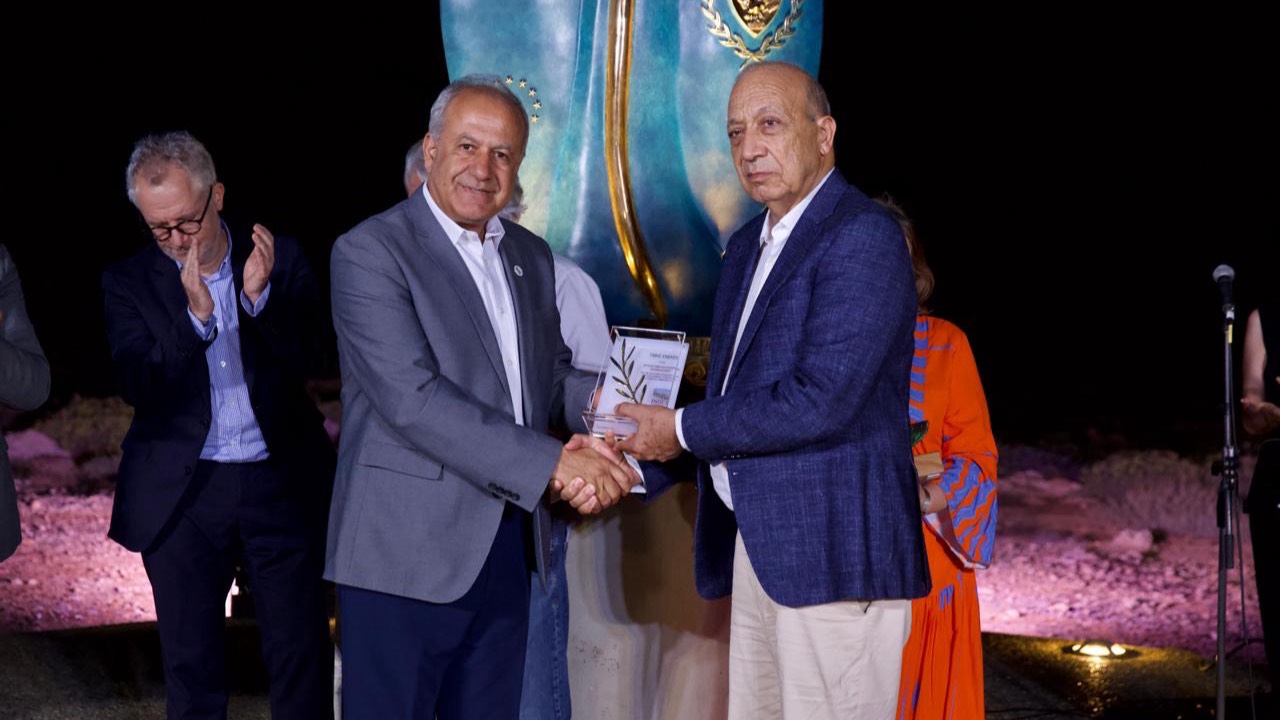
ISLAND OIL: Unveiling of the Sculpture “Cyprus’s Journey Through the Ages” in Protaras – A Tribute and Landmark to Cyprus’s Historical Memory and Cultural Heritage
In a modest ceremony marked by a moving atmosphere, the sculpture “Cyprus’s Journey Through the Ages”, created by acclaimed Cypriot sculptor…
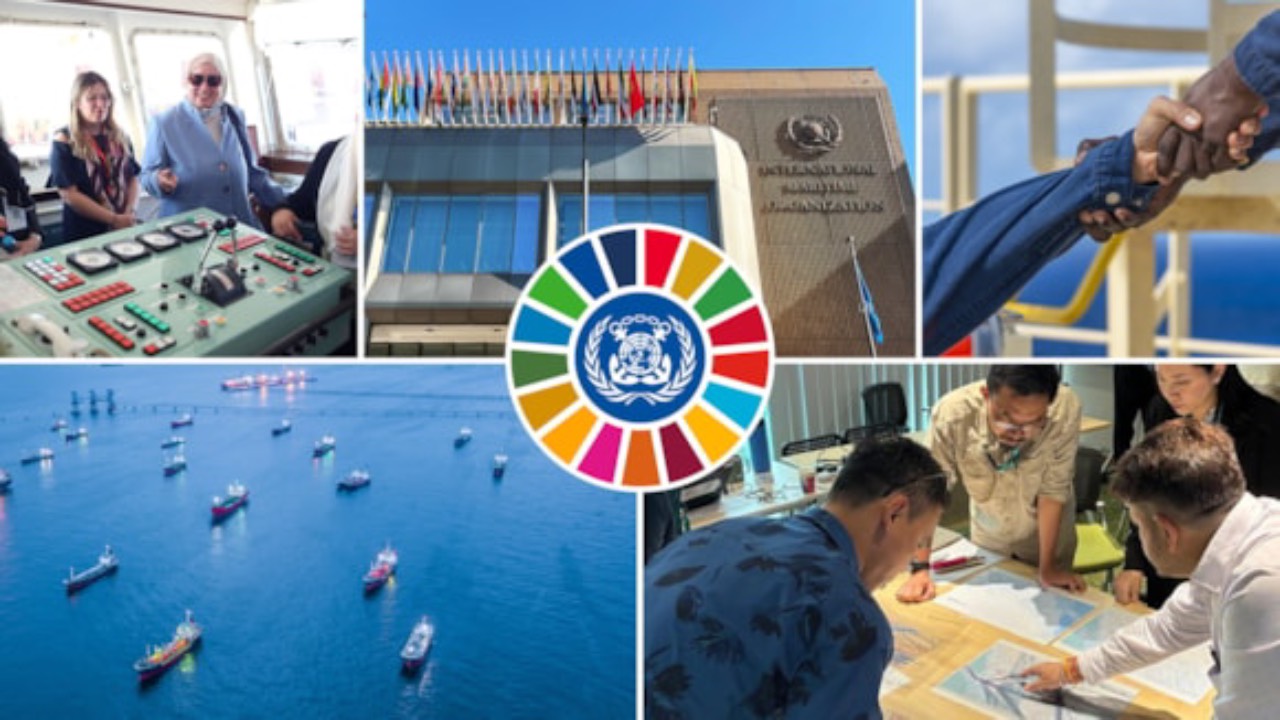
World Maritime Day 2026 from Policy to Practice – powering Maritime Excellence
Global regulations will deliver safer, more resilient shipping when they are implemented worldwide. The international maritime community marks…

Diana Shipping announces Time Charter Contract for m/v DSI Polaris with Dai An Ocean Shipping
Diana Shipping , a global shipping company specializing in the ownership and bareboat charter-in of dry bulk vessels, announced that, through a…

Chief Economists Expect Global Economy to Stabilize, but Fiscal Constraints, Rising Living Costs and AI Investment Uncertainty Threaten Growth
The global economy is stabilizing, but the fiscal support that cushioned successive shocks since 2020 is unlikely to play the same role in the year…

V. welcomes its new graduate cohort as programme expands across the group
Twelve graduates from nine nationalities join 11th year of V.’s expanded international management programme. V., the global ship manager and marine…
From Policy to Practice: Why Seafarers Are the Key to Maritime Excellence
The shipping industry is no stranger to regulation. Seafarers and ship operators work within a vast framework of international conventions, national…

Intermodal Report – Week 38 2026
Please find below the Intermodal market report for week 38 2026. Intermodal Report Week 38 2026 Market Insight By Nikos Tagoulis, Head of…

Allied – Weekly Market Review – Week 38
Please find below the Allied Weekly Report for Week 38 | 2026 ALLIED - Weekly Market Report- Week 38

Record year on the Northeast Passage but Arctic shipping remains very limited
In 2025, a record 103 transit voyages were made via the Northeast Passage. However, this is still equivalent to only around a day and a half of…

[xclusiv] S&P Report 21th September 2026
Please find below the [xclusiv] latest Weekly S&P Report [xclusiv] 2026_09_21 Market Commentary: VLCCs: Freight Boom Reprices the Fleet The VLCC…
Subscribe to our newsletter!
if you dont want to swim alone in the ocean of news, sign up for the newsletter, and you will receive daily all the important news of world shipping!
