Renewable energy-rich developing nations priced out of shipping’s 1.6 trillion energy transition opportunity
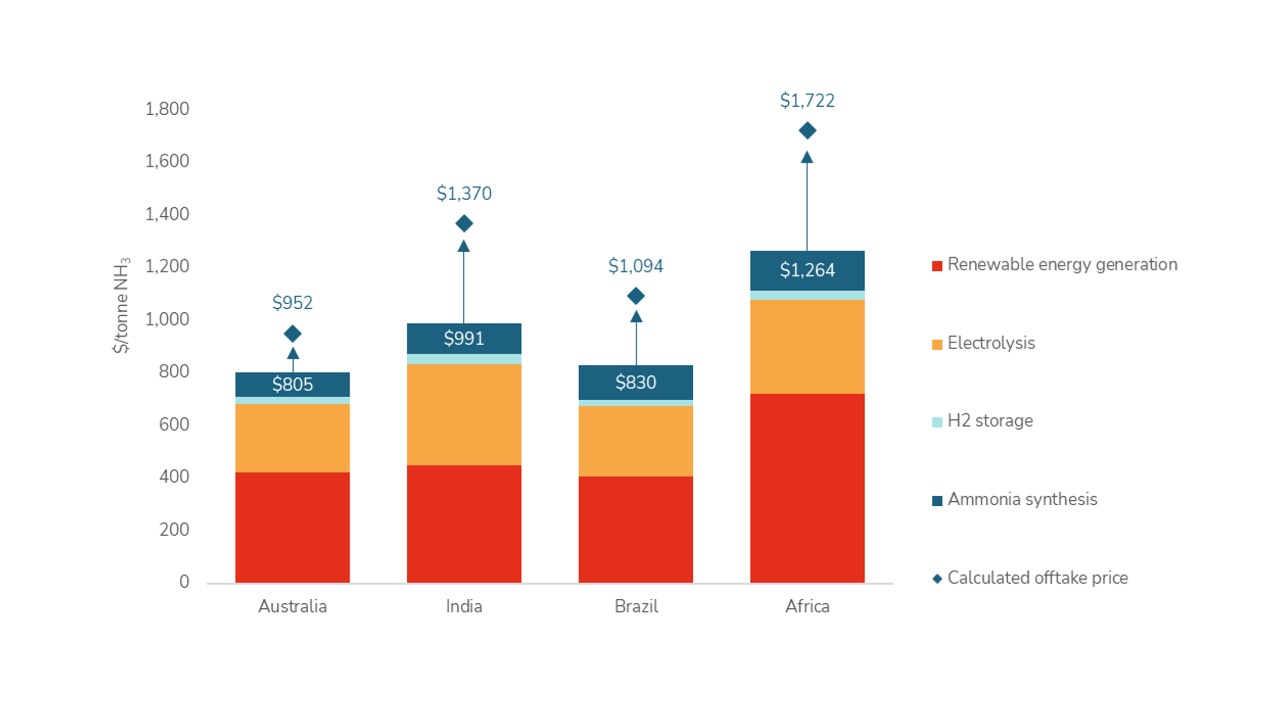

A new study released today by UMAS and UCL Energy Institute Shipping and Oceans Research Group shows that poor access to funding and higher costs of capital in developing countries could almost double the prices of e-fuels they produce, compared to developed economies—even when renewable energy resources such as onshore wind and solar are superior.
Without targeted financial support mechanisms, future e-fuel production could concentrate in already-advantaged economies, and thus risk leaving developing nations behind, despite their favourable renewable resources, in clear contradiction to the “just and equitable transition” that the IMO committed to in its GHG strategy. The report proposes a solution, which is for a portion of the IMO funds to enable grants and concessional finance to help offset the higher financing costs in low-income countries, thereby to close this “equity of opportunity gap”. This is only one element of the overall needs for revenues for ensuring a just and equitable. An initial estimate for the scale of initial IMO funds required just for this element is provided as around $50bn – in addition to the funds needed for any reward mechanism and wider just and equitable transition needs.
The report titled, “The Cost of Capital Challenge in Delivering a Just and Equitable Transition for Shipping,” compares the costs of producing e-ammonia—a promising low emission shipping fuel—across Australia, Brazil, India, and African nations. The study leverages the wealth of global data available on renewable energy projects to compare the levelised costs of energy (LCOE) across these locations.
Deniz Aymer, Senior Consultant at UMAS, said: “Access to funding and its cost has a huge impact on the comparative competitiveness of e-fuel projects which require large upfront investment over multi-year lead times. As the cost of capital increases, the relative disadvantage compounds and so very quickly you get to point where projects with better-quality renewable resources cannot out-compete projects with low costs of capital.”
The analysis finds that renewable projects in Brazil, India and Africa face higher funding costs and are more limited in the amount of finance they can access and so, even with high-quality renewable resources, these projects can struggle to bridge the overall cost of renewable energy achievable in countries such as Australia, where costs of capital are lower.
By adding the steps required to produce hydrogen and synthesise e-ammonia, the impact of changes in costs of capital and project timescales is explored using project financing models. The analysis shows that e-ammonia projects in African countries could require offtake prices 80% higher than equivalent projects in Australia due to these funding constraints, which creates a fundamental barrier to achieving the IMO’s vision of an equitable transition.
Dr Tristan Smith, Professor of Energy and Transport at the UCL Energy Institute, said: “This evidence is critically important to the ongoing attempts to find a consensus on mid-term measures (by mid-April) – it shows that unless IMO agrees measures that can produce stable revenues at a level able to fund both energy transition, and just and equitable transition. The outcome will undermine either, or both of its strategy commitments.”
The IMO has committed to ambitious emissions reduction targets, requiring shipping to access 200-300 million tonnes of oil equivalent—zero (or near zero) emission fuels by the 2040s. This transition will require approximately $1.6 trillion in land-side investment, with about $400 billion needed by 2030 alone. The report highlights that if the financial barriers are left unchecked, investments will naturally flow to developed economies and risk perpetuating the existing under-investment in countries with high-quality renewable resources, predominantly around the equator and global south.



Related News.
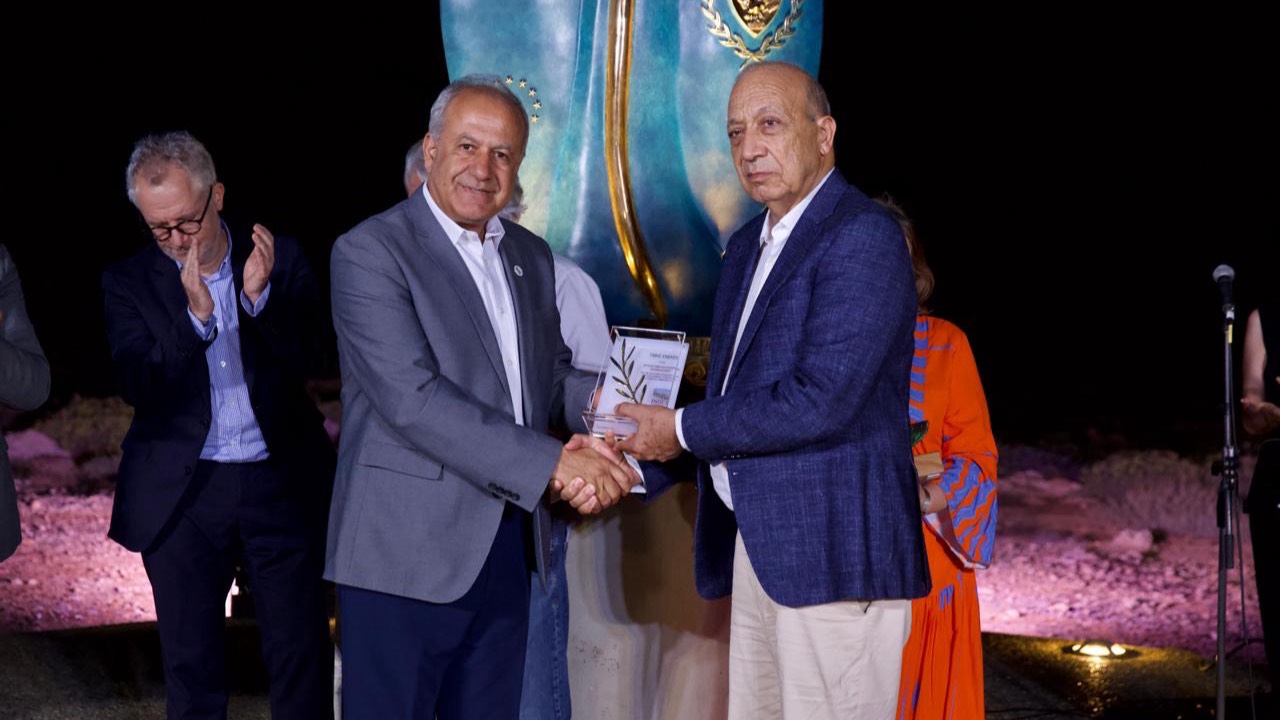
ISLAND OIL: Unveiling of the Sculpture “Cyprus’s Journey Through the Ages” in Protaras – A Tribute and Landmark to Cyprus’s Historical Memory and Cultural Heritage
In a modest ceremony marked by a moving atmosphere, the sculpture “Cyprus’s Journey Through the Ages”, created by acclaimed Cypriot sculptor…
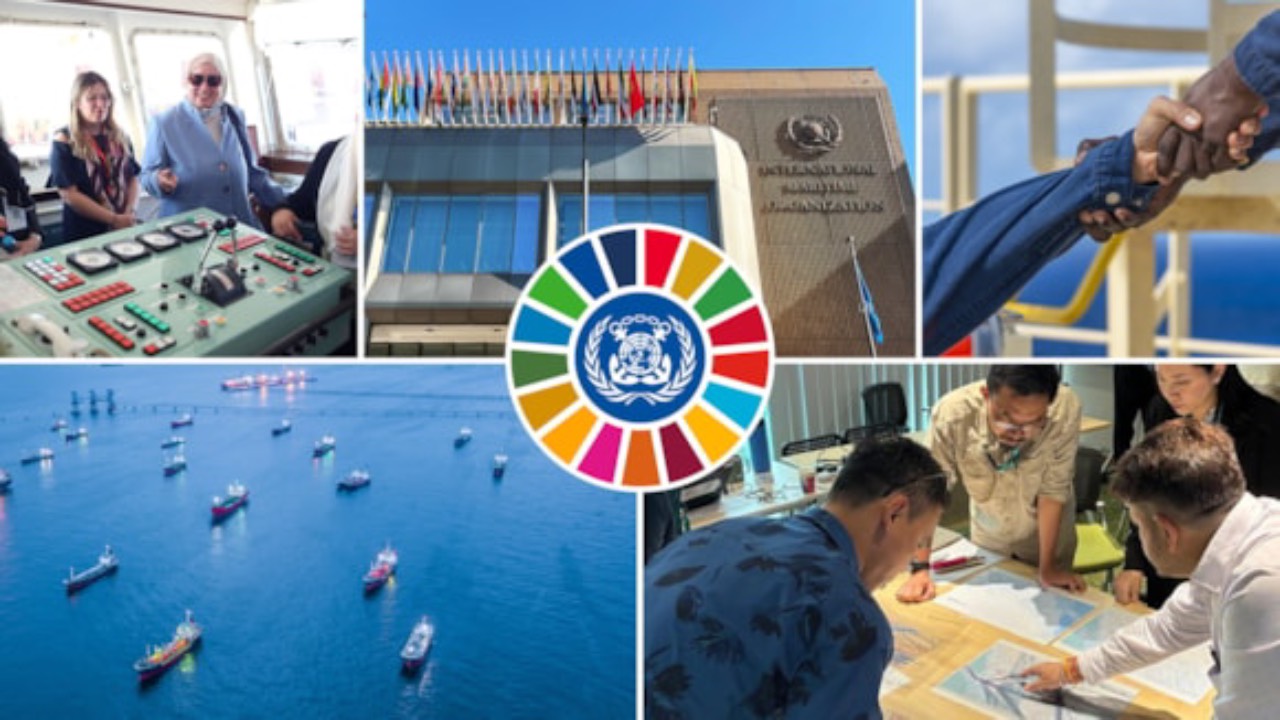
World Maritime Day 2026 from Policy to Practice – powering Maritime Excellence
Global regulations will deliver safer, more resilient shipping when they are implemented worldwide. The international maritime community marks…

Diana Shipping announces Time Charter Contract for m/v DSI Polaris with Dai An Ocean Shipping
Diana Shipping , a global shipping company specializing in the ownership and bareboat charter-in of dry bulk vessels, announced that, through a…

Chief Economists Expect Global Economy to Stabilize, but Fiscal Constraints, Rising Living Costs and AI Investment Uncertainty Threaten Growth
The global economy is stabilizing, but the fiscal support that cushioned successive shocks since 2020 is unlikely to play the same role in the year…
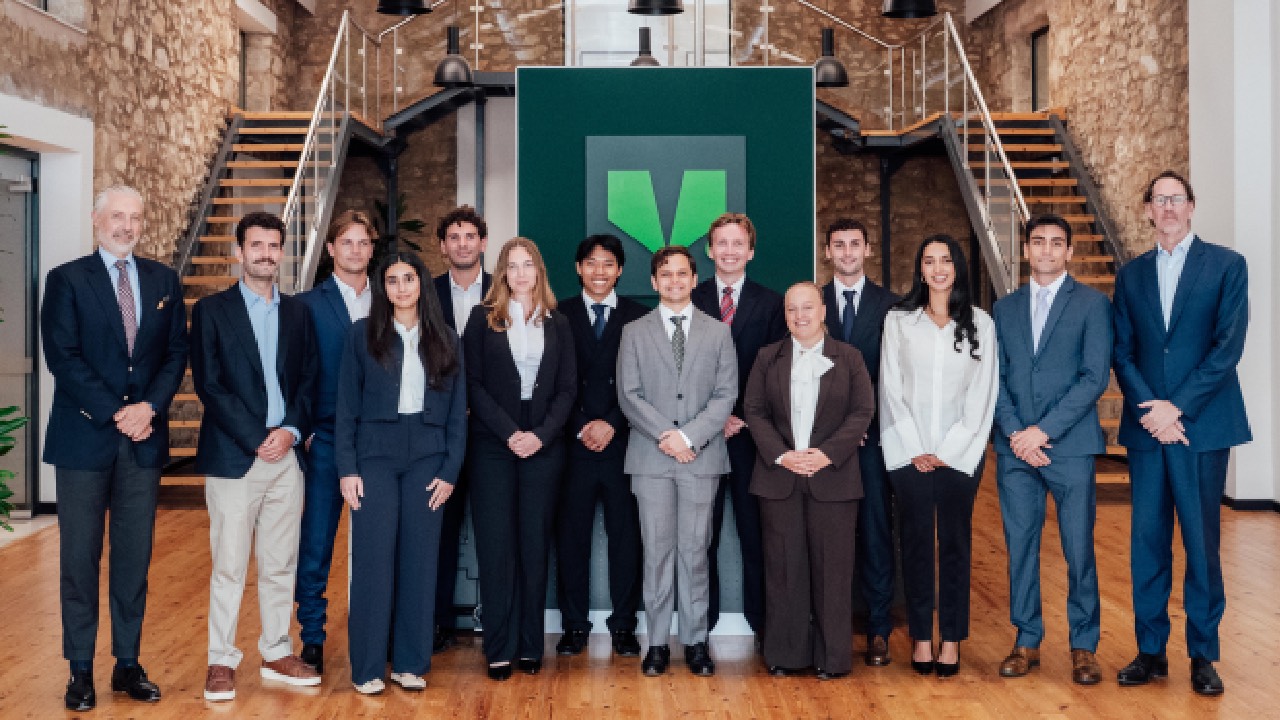
V. welcomes its new graduate cohort as programme expands across the group
Twelve graduates from nine nationalities join 11th year of V.’s expanded international management programme. V., the global ship manager and marine…

From Policy to Practice: Why Seafarers Are the Key to Maritime Excellence
The shipping industry is no stranger to regulation. Seafarers and ship operators work within a vast framework of international conventions, national…

Intermodal Report – Week 38 2026
Please find below the Intermodal market report for week 38 2026. Intermodal Report Week 38 2026 Market Insight By Nikos Tagoulis, Head of…

Allied – Weekly Market Review – Week 38
Please find below the Allied Weekly Report for Week 38 | 2026 ALLIED - Weekly Market Report- Week 38

Record year on the Northeast Passage but Arctic shipping remains very limited
In 2025, a record 103 transit voyages were made via the Northeast Passage. However, this is still equivalent to only around a day and a half of…

[xclusiv] S&P Report 21th September 2026
Please find below the [xclusiv] latest Weekly S&P Report [xclusiv] 2026_09_21 Market Commentary: VLCCs: Freight Boom Reprices the Fleet The VLCC…
Subscribe to our newsletter!
if you dont want to swim alone in the ocean of news, sign up for the newsletter, and you will receive daily all the important news of world shipping!
