How satellites play a role in disaster relief


Explore specific ways satellite technology is powering faster, more efficient, and more impactful disaster relief efforts around the world
When Hurricane Harvey hit the Gulf Coast in August 2017, it brought massive winds, torrential rains, and a high-powered storm surge that quickly devastated the area’s infrastructure. Internet connectivity collapsed at just the time residents and disaster relief teams needed it most.
Reports from the Houston area said the storm knocked out 70% of cell towers, impacting more than 200,000 homes and nearly 17,000 call centers—including 911 dispatch centers and other critical parts of the emergency response network. Responders needed alternative connectivity measures to stay active.
Immediately following the storm, Red Cross and other businesses that were part of emergency response networks partnered with Viasat to obtain temporary satellite communications services to give their teams internet connectivity at distribution centers across affected areas, including those outside the reach of traditional networks.
Today, satellites continue to play a key role in enabling emergency first responders to implement disaster relief plans, even amidst widespread outages. And as the technology advances, business and government organizations are increasingly looking to satellites as a proactive disaster relief measure that can mobilize faster, more efficient response plans when time is of the essence.
Quick takeaways
- Satellites enable communication during disasters when terrestrial infrastructure is down or over capacity.
- Satellite internet is critical to facilitating first response efforts by keeping airports, shelter locations, healthcare facilities, and utility operations up and running.
- Internet satellites are crucial for providing backhaul for cell phone communications when terrestrial infrastructure is damaged, particularly in remote areas and during natural disasters when terrestrial infrastructure is damaged.
- Connectivity ensures residents who are impacted by disasters can stay in touch with their friends, family, and news/recovery updates.

10 Ways satellite connectivity matters in a disaster
Satellites facilitate communication during disasters when terrestrial infrastructure is damaged or overloaded. They provide reliable, immediate communication links, enabling emergency responders and relief workers to coordinate efforts and maintain contact with affected areas.
Satellites can support voice, data, and video communications to establish crucial networks and facilitate the flow of information between different response teams. Let’s explore some specific ways this happens in real-life disaster situations.
Airports
When disaster strikes, airports are essential to transport first responders into disaster zones and carry essential relief supplies, like food and medical equipment. Satellite internet connectivity allows airports to continue operating control towers, access GPS systems, and monitor weather conditions.
It also helps to get normal flight operations up and running more quickly, keeping passenger information and airport security systems online.
Shelter locations
Shelter locations need internet connectivity to manage capacity, redirect affected residents to other locations when needed, and effectively manage the allocation and sharing of resources. If networks are down, relief efforts are hindered, and people may be left without a place to go.
Satellite connectivity serves as a reliable backup network when normal connectivity is affected by a disaster.
Emergency response and healthcare centers
During disasters, existing emergency response teams and healthcare centers have to handle a much bigger load than normal. They need to quickly scale operations, communicate with disaster relief teams, plan logistics, and execute relief efforts.
They’re also a go-to location for residents seeking medical assistance. Satellite internet allows them to stay online and access the resources they need to provide care and keep essential systems functioning.
Utility operations
Utility operations provide critical infrastructure during disasters. Not only are they required for quickly-restored and reliable water and electricity, they also support data centers needed to provide and confirm individual identification, process documents, and keep the administrative side of disaster relief operations running.
Satellite internet keeps these processes running smoothly to prevent administrative bottlenecks that may impede disaster relief.
Cell phone communication backhaul
During emergencies, cell phones can be a lifeline to communicate their status with loved ones, connect with first responders and relief and aid organizations as well as to obtain safety and relief information.
When cell service supporting ground infrastructure is down, internet satellites provide critical backhaul. They serve as a lifeline by establishing wireless connections between cell towers and satellites, ensuring uninterrupted communication services. Satellite backhaul also extends cellular coverage to underserved regions, connecting people who would otherwise be isolated, and enhances network resilience by providing redundancy in conjunction with terrestrial networks.
First-response emergency management
Even with the highest levels of preparation, emergency response plans are constantly adjusted and even totally revamped based on safety conditions, manpower and resource availability, and the exact needs of residents in the disaster zone.
Teams and organizations involved in the effort must be able to communicate continuously to make adjustments as needed, ensure immediate emergency response capabilities, and keep relief operations running smoothly. Additionally, emergency response teams from around the world converge at the site and often must rely on cell-based translation apps to communicate with international partners and residents.
Satellite internet can help teams maintain reliable connectivity through various channels and access real-time images and updates needed to execute response efforts.
Telehealth
Telehealth is one of the most valuable resources for people affected by disasters. In situations where resources are scarce and/or emergency medical teams can’t reach individuals, the ability to connect remotely with healthcare providers is essential to wellness and survival.
In addition, regular healthcare services often remain overwhelmed for weeks or even months after a disaster, meaning residents may need to turn to telehealth services for regular visits with providers and to renew prescriptions.
Connectivity, of course, is necessary for telehealth operations, and satellite internet can provide the network for it during restoration efforts in disaster areas.
Point of sales
Functioning point of sales systems allow residents to purchase critical supplies like food and clothing in the immediate aftermath of a disaster. Further, point-of-sale connectivity allows businesses to reopen more quickly, contributing to economic recovery and re-establishing a much-needed sense of normalcy in communities.
With satellite internet as an available option, businesses don’t have to wait for full restoration of impacted networks to get back up and running.
Access to real-time news and data
When the internet is down, residents lose access to news sources and are often left out of the loop about important safety, relief, and recovery updates.
Satellite internet connectivity ensures people have access to the information they need in the immediate aftermath of a disaster, and that displaced families and individuals can keep up with what’s happening at home.
Staying connected with family and friendsThe support of family, friends, and surrounding communities is central to disaster recovery and the mental and emotional well-being of those affected. Satellite internet connectivity allows people to reliably keep in touch with their loved ones and others in their networks who can help.
It also allows residents to let others know when they’re safe, saving emergency response phone lines and contact centers from being overwhelmed with inquiries from worried families.
The human impact
Since Hurricane Harvey struck land less than six years ago, there have been more than 60 new weather disasters recorded in the U.S. alone, including severe storms, flooding, wildfires, drought and more. When these events occur, fast and efficient disaster relief is a matter of life and death for residents of those areas.
The same is true for disaster events around the world—and they’re not always the result of weather. Satellite internet services provide life-saving connectivity during political conflicts and other types of natural disaster.
For example: Viasat partnered with officials from the Košice region of Slovakia to provide refugees from the Ukrainian conflict with free high-speed internet, leveraging Viasat Community Internet hotspots to keep displaced Ukrainians connected with friends, family, and the latest news.
Earlier this year, when Turkey and Syria were devastated by a 7.8 magnitude earthquake, Viasat quickly set up internet service and hotspots to aid with the recovery and restoration and to help those impacted by the disaster stay connected with the information and resources they needed.
These types of partnerships go beyond standard services for internet availability in remote or underserved places—they deliver essential and even life-saving connectivity that enables people impacted by disasters to stay safe, keep in touch with loved ones, and recover more quickly.



Related News.

Beyond Technical Skills: WISTA Cyprus explores the human side of leadership
WISTA Cyprus hosted The Art of Leadership & Emotional Mastery, an interactive workshop held on 15 October at the Alasia Hotel in Limassol,…

The human cost of sending merchant mariners into war zones extends far beyond the immediate danger of missiles and drones. It raises a harder question: who is really protecting the seafarer?
Who protects the seafarer? I have spent much of my professional life at sea. I am a Master Mariner. I have stood on the bridge, made decisions…

Loss of bridge control: Human failure is normal – context is key
When bridge control is lost in a functioning system, it can be easy to blame human error. But accidents rarely happen because of one mistake…

Danish Shipping announces the transport of live animals by sea new rules should improve safety for animals, seafarers and the environment
Revised rules on the transport of live animals by sea are being negotiated in the EU. Danish Shipping wants to ensure good animal welfare,…

Japan’s flawed shipping proposal leaves developing countries adrift
A new analysis by Opportunity Green warns governments of the wide-ranging risks posed by Japan’s proposal at the International Maritime Organization…

Intermodal Report Week 42 2026
Pls find below the Intermodal Report - Week 42 2026 Intermodal Report Week 42 2026

Allied Weekly Market Review Week 42
Pls find below the Allied - Weekly Market Review - Week 42 ALLIED - Weekly Market Report- Week 42
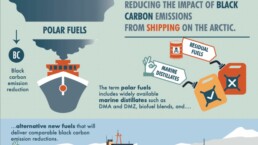
EU Arctic Strategy NGOs welcome EU ambition on on cutting shipping’s Arctic Black Carbon Emissions
Responding to today’s publication of the EU’s Arctic Strategy, which definitively states the EU’s intention to support International Maritime…

The final quarter of 2026 is expected to see softer bauxite flows
Chinese front-loading is expected to have run its course, pointing to softer bauxite flows in 2026 Q4. Global bauxite flows increased by 2.8% y/y…

DP World Foundation and Belewan new container terminal mark groundbreaking of AED 3.7 million school project in Indonesia
Classrooms of Hope initiative expands to Belawan, Medan with a new junior high school designed to provide modern learning facilities and greater…
Subscribe to our newsletter!
if you dont want to swim alone in the ocean of news, sign up for the newsletter, and you will receive daily all the important news of world shipping!
