AI based project to optimize vessel performance forecasting concludes testing
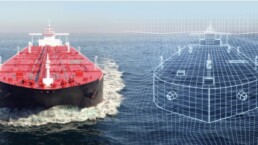

Yara Marine Technologies, Molflow, and academics from Chalmers University of Technology, Halmstad University and Gothenburg University have concluded a 3-year project aimed at developing an AI-based semi-autonomous system to enable more energy efficient sea voyages.
Maritime technology company Yara Marine Technologies, Artificial Intelligence application developers Molflow, and Chalmers University of Technology and social science specialists from Halmstad University and Gothenburg University have collaborated over 3 years to develop and trial an AI-based semi-autonomous voyage planning system. Initiated in August 2020, the Via Kaizen project explores how AI and machine learning can enable more energy-efficient voyage planning for ship operators.
Funded by the Swedish Transport Administration Trafikverket, the project utilized pre-existing tools, to enable a higher degree of digitalization and automation in vessel operations. These included Yara Marine’s propulsion optimization system FuelOpt and performance management and vessel data reporting tool Fleet Analytics, as well as Molflow’s vessel modelling system Slipstream. Existing work practices onboard and user needs were analyzed during the design process to ensure the technology facilitated processes and decisions with the greatest impact on energy efficiency.
The resulting system was trialed onboard two vessels, a PCTC car carrier operated by UECC and a Rederiet Stenersen product tanker. The wide-ranging results indicated successful energy efficiency optimization based on estimated time of arrival (ETA), with one of the two trial vessels opting to continue using the system.
Mikael Laurin, Head of Vessel Optimization at Yara Marine Technologies, said, “The Via Kaizen project speaks directly to where shipping is at the moment — where the intersections of digitalization, decarbonization and crewing determine our success in addressing climate change. The use of AI and machine learning to plan and predict energy-efficient voyages has significance for an industry looking to lower emissions while addressing rising fuel costs. Similarly, new technologies can streamline operations but require collaboration and buy-in from stakeholders across the board, necessitating crew familiarization and training, proactive design, and new corporate strategies. As a result, the insights and information gained from the project carry broader significance for our industry’s future.”
The Via Kaizen project demonstrated that incorporating machine-learning algorithms for improved predictive modelling of ship propulsion power can result in more accurate performance forecasting and optimization. It also evidenced the necessity of constructive collaboration between technology developers and users, as well as between ship operators and their customers.
Joakim Möller, CEO at Moflow, said, “The Via Kaizen project afforded an invaluable opportunity to explore and advance industry understandings of the role big data, data handling and model development can play in supporting lower emission strategies and maximized fuel efficiencies. Recent advances in vessel data tracking and analysis, weather information, and more can be used to gauge where operations have the potential to be streamlined. As the maritime industry seeks to utilize good data to inform decision-making, AI and machine learning can play a key role in processing and simplifying available data for clear, actionable outcomes.”
Throughout the trials, crew played a key role in determining the success of energy efficient voyages. This shows the necessity giving ship crews and management every opportunity to engage with, understand and embrace the value of AI-powered ship operation support technology in assisting daily operations onboard and ashore.
Martin Viktorelius of Halmstad University said, “Maritime’s ability to successfully decarbonize is dependent on its highly skilled workforce, and necessitates that we invest in creating seafarer support for digitalization and decarbonization. Clean technologies must prioritize intuitive, user-friendly interfaces and understand existing operations to maximize crew support and uptake of AI-powered solutions. The Via Kaizen project engaged with crew to explore and establish key parameters that crew indicated hindered their support of voyage efficiency.”
Simon Larsson from Gothenburg University said, “The Via Kaizen project documented potential challenges to implementing energy efficient voyages — notably, the impact of crew training and corporate processes that either facilitated or hindered the effective use of AI tools to improve efficiency. These findings are not specific to the project and have wider ramifications for an industry seeking advanced solutions to rapidly reduce emissions. While crew training will afford a much-needed bridge to build understanding and accelerate support for AI-powered voyage efficiency solutions among seafarers, it is just as important that we ensure effective channels of communication with management and corporate processes.”
Following the conclusion of this project, additional funding has been secured from the Swedish innovation agency Vinnova to further explore a selection of its findings.



Related News.

Beyond Technical Skills: WISTA Cyprus explores the human side of leadership
WISTA Cyprus hosted The Art of Leadership & Emotional Mastery, an interactive workshop held on 15 October at the Alasia Hotel in Limassol,…
The human cost of sending merchant mariners into war zones extends far beyond the immediate danger of missiles and drones. It raises a harder question: who is really protecting the seafarer?
Who protects the seafarer? I have spent much of my professional life at sea. I am a Master Mariner. I have stood on the bridge, made decisions…
Loss of bridge control: Human failure is normal – context is key
When bridge control is lost in a functioning system, it can be easy to blame human error. But accidents rarely happen because of one mistake…
Danish Shipping announces the transport of live animals by sea new rules should improve safety for animals, seafarers and the environment
Revised rules on the transport of live animals by sea are being negotiated in the EU. Danish Shipping wants to ensure good animal welfare,…

Japan’s flawed shipping proposal leaves developing countries adrift
A new analysis by Opportunity Green warns governments of the wide-ranging risks posed by Japan’s proposal at the International Maritime Organization…

Intermodal Report Week 42 2026
Pls find below the Intermodal Report - Week 42 2026 Intermodal Report Week 42 2026
Allied Weekly Market Review Week 42
Pls find below the Allied - Weekly Market Review - Week 42 ALLIED - Weekly Market Report- Week 42
EU Arctic Strategy NGOs welcome EU ambition on on cutting shipping’s Arctic Black Carbon Emissions
Responding to today’s publication of the EU’s Arctic Strategy, which definitively states the EU’s intention to support International Maritime…
The final quarter of 2026 is expected to see softer bauxite flows
Chinese front-loading is expected to have run its course, pointing to softer bauxite flows in 2026 Q4. Global bauxite flows increased by 2.8% y/y…
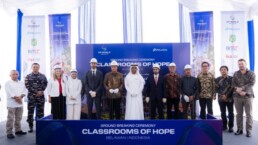
DP World Foundation and Belewan new container terminal mark groundbreaking of AED 3.7 million school project in Indonesia
Classrooms of Hope initiative expands to Belawan, Medan with a new junior high school designed to provide modern learning facilities and greater…
Subscribe to our newsletter!
if you dont want to swim alone in the ocean of news, sign up for the newsletter, and you will receive daily all the important news of world shipping!
