K Shipbuilding accelerates development of Ammonia Methanol Vessels
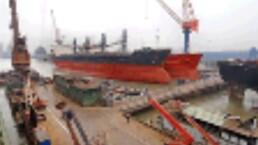

South Korean shipbuilders are accelerating the development of next-generation eco-friendly vessels driven by methanol and ammonia, moving beyond the conventional liquefied natural gas ships. Amid the tightening maritime environmental regulations by the International Maritime Organization, the race to develop vessels to increase market share in the next-generation fuel ship market is in full swing.
According to industry sources on the 15th, Samsung Heavy Industries recently received manufacturing approval for demonstration equipment for commercialization of ammonia-driven ships and started construction at its Geoje shipyard. Samsung Heavy Industries will evaluate the performance, reliability, and safety of the technology for ammonia-driven ships here. The demonstration equipment will be completed by the end of this year, and scenario-based testing will begin after test driving. They will also apply a real-time leak detection and alarm system and a toxin neutralizer on a pilot basis to develop optimal solutions for the toxicity issues of ammonia.
Ammonia, which does not contain carbon in its molecular structure, does not emit carbon dioxide when combusted, and thus is considered a carbon-neutral fuel to be used in zero-carbon vessels along with hydrogen. There are no real-life applications on ships yet, but all three major domestic shipbuilders are preparing to commercialize ammonia-driven ships around 2025.
HD Hyundai Heavy Industries leads in the field of methanol-powered ships. HD Hyundai Heavy Industries is set to deliver the world’s first methanol-powered ship, ordered from MAERSK in 2021, within this month. As of March, it received orders for 54 out of 101 methanol-powered ships ordered worldwide, holding more than half of the market share.
Methanol can reduce sulfur oxides by 99%, nitrogen oxides by 80%, and carbon dioxide by 10% compared to conventional heavy oil. It emits less carbon than LNG, which is considered a typical eco-friendly fuel. Especially, ‘green methanol’ produced from renewable energy quickly dissolves and biodegrades in water when discharged into the sea, causing no marine pollution.
The reason for domestic shipbuilders to focus on the technology of ammonia and methanol-driven ships is the strengthening of ship environmental regulations. The IMO plans to hold a Marine Environment Protection Committee (MEPC) meeting next month and discuss amendments to raise the international shipping greenhouse gas reduction target. If this amendment passes, the target to reduce greenhouse gases by 50% compared to 2008 by 2050 is expected to be adjusted to 100%.
Source: BusinessKorea



Related News.
Beyond Technical Skills: WISTA Cyprus explores the human side of leadership
WISTA Cyprus hosted The Art of Leadership & Emotional Mastery, an interactive workshop held on 15 October at the Alasia Hotel in Limassol,…
The human cost of sending merchant mariners into war zones extends far beyond the immediate danger of missiles and drones. It raises a harder question: who is really protecting the seafarer?
Who protects the seafarer? I have spent much of my professional life at sea. I am a Master Mariner. I have stood on the bridge, made decisions…
Loss of bridge control: Human failure is normal – context is key
When bridge control is lost in a functioning system, it can be easy to blame human error. But accidents rarely happen because of one mistake…
Danish Shipping announces the transport of live animals by sea new rules should improve safety for animals, seafarers and the environment
Revised rules on the transport of live animals by sea are being negotiated in the EU. Danish Shipping wants to ensure good animal welfare,…
Japan’s flawed shipping proposal leaves developing countries adrift
A new analysis by Opportunity Green warns governments of the wide-ranging risks posed by Japan’s proposal at the International Maritime Organization…

Intermodal Report Week 42 2026
Pls find below the Intermodal Report - Week 42 2026 Intermodal Report Week 42 2026
Allied Weekly Market Review Week 42
Pls find below the Allied - Weekly Market Review - Week 42 ALLIED - Weekly Market Report- Week 42
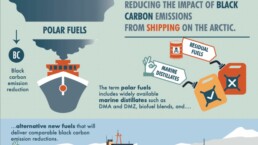
EU Arctic Strategy NGOs welcome EU ambition on on cutting shipping’s Arctic Black Carbon Emissions
Responding to today’s publication of the EU’s Arctic Strategy, which definitively states the EU’s intention to support International Maritime…
The final quarter of 2026 is expected to see softer bauxite flows
Chinese front-loading is expected to have run its course, pointing to softer bauxite flows in 2026 Q4. Global bauxite flows increased by 2.8% y/y…
DP World Foundation and Belewan new container terminal mark groundbreaking of AED 3.7 million school project in Indonesia
Classrooms of Hope initiative expands to Belawan, Medan with a new junior high school designed to provide modern learning facilities and greater…
Subscribe to our newsletter!
if you dont want to swim alone in the ocean of news, sign up for the newsletter, and you will receive daily all the important news of world shipping!
