KIMM takes the lead in supporting commercialisation of environment friendly hydrogen vessels
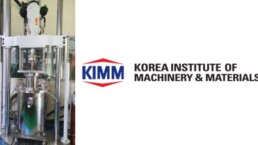

While climate change has made it an imperative to develop carbon neutral technologies, the infrastructure that can contribute to the development and commercialization of technologies related to environment-friendly vessels for the domestic shipbuilding sector has been established.
The Korea Institut and e of Machinery and Materials (President Sang-jin Park, hereinafter referred to as KIMM), an institute under the jurisdiction of the Ministry of Science and ICT, through joint research with Korean Register (Representative Hyung-cheol Lee) and Pusan National University (President Jeong-in Cha), has established the infrastructure including the equipment necessary for evaluating the compatibility of materials for storing liquid hydrogen used for vessels, and has also proposed the evaluation process for the first time in the country.
To establish the infrastructure, the research team led by Jong-won Park, Head of the Department of Reliability Assessment of the KIMM’s Mechanical Systems Safety Research Division, and Yong-jin Kim, Senior Researcher, through joint research with KIMM’s Department of 3D Printing and Pusan National University, has procured the equipment for testing, evaluating, and analyzing ultra-low temperatures (minus 253 degrees Celsius) and hydrogen embrittlement*. In addition, the research team has also published a report on the selection of materials for storing liquid hydrogen used for vessels, in which it analyzed the safety standards for various sectors of hydrogen storage and methods for assessing the compatibility of materials.
*Hydrogen embrittlement: Reduction in the ductility of a metal due to absorption of hydrogen
Storage systems for liquid hydrogen used for vessels must be capable of withstanding ultra-low temperatures and hydrogen embrittlement. As the system environment differs depending on the purposes of utilization and operation of the hydrogen to be stored, the type of materials that conform to the conditions of the environment also varies. Therefore, it is important to establish standards that reflect the dangerousness of ultra-low temperatures and the unique features of vessels.
However, not only domestically but also globally, there have been no safety regulations that correspond to various conditions such as ultra-low temperatures and the unique characteristics of vessels. As a result, companies have been facing challenges in making inroads into the market for environment-friendly vessels. Based on latest research, the newly published report proposes materials and requirements that are applicable to the liquid hydrogen environment, while analyzing the differences with the materials and requirements applicable to domestic LNG storage systems, and also laying out standards under a variety of environments, which is expected to contribute to the development of technologies for eco-friendly vessels.
Meanwhile, even in advanced countries, only a very limited number of research institutes have the equipment for evaluating and testing the compatibility of materials for ultra-low temperatures and hydrogen environments. Consequently, significant expenses are incurred for the test and evaluation processes, causing setbacks in domestic material and equipment manufacturers’ attempts to make inroads into the hydrogen industry.
In order to help overcome these challenges, KIMM has prepared initiatives to support domestic shipbuilders in such sectors as “testing of the capacity of ultra-low temperature materials,” “assessment of compatibility to the hydrogen environment of materials and parts,” and “testing and durability assessment in a variety of extreme environments,” on the basis of the newly established infrastructure for testing, evaluating, and analyzing ultra-low temperatures and hydrogen embrittlement.
Up until now, to develop the equipment and materials for environment-friendly vessels equipped with new materials, corporations have been paying additional expenses amounting to tens or even hundreds of millions of won just for the test and evaluation of materials. Now, it is expected that not only test and evaluation, but also analysis and technical support will be provided domestically at relatively low costs.
Senior Researcher Yong-jin Kim was quoted as saying, “By establishing the standards for evaluating the compatibility of materials, we can expand the scope of applicable materials, which will likely help to expedite the commercialization of hydrogen vessels. Through the provision of test and evaluation services, we will make our outmost efforts so that Korean shipbuilders can secure a dominant position in the market for environment-friendly vessels.”
The establishment of the infrastructure for the test and evaluation of ultra-low temperature materials has been carried out with the support of the “project to develop safety standards for the storage and fuel supply system for hydrogen for vessels” implemented by the Ministry of Oceans and Fisheries.



Related News.
Beyond Technical Skills: WISTA Cyprus explores the human side of leadership
WISTA Cyprus hosted The Art of Leadership & Emotional Mastery, an interactive workshop held on 15 October at the Alasia Hotel in Limassol,…
The human cost of sending merchant mariners into war zones extends far beyond the immediate danger of missiles and drones. It raises a harder question: who is really protecting the seafarer?
Who protects the seafarer? I have spent much of my professional life at sea. I am a Master Mariner. I have stood on the bridge, made decisions…

Loss of bridge control: Human failure is normal – context is key
When bridge control is lost in a functioning system, it can be easy to blame human error. But accidents rarely happen because of one mistake…
Danish Shipping announces the transport of live animals by sea new rules should improve safety for animals, seafarers and the environment
Revised rules on the transport of live animals by sea are being negotiated in the EU. Danish Shipping wants to ensure good animal welfare,…

Japan’s flawed shipping proposal leaves developing countries adrift
A new analysis by Opportunity Green warns governments of the wide-ranging risks posed by Japan’s proposal at the International Maritime Organization…

Intermodal Report Week 42 2026
Pls find below the Intermodal Report - Week 42 2026 Intermodal Report Week 42 2026

Allied Weekly Market Review Week 42
Pls find below the Allied - Weekly Market Review - Week 42 ALLIED - Weekly Market Report- Week 42
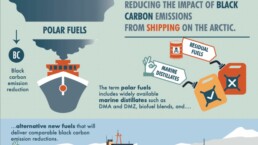
EU Arctic Strategy NGOs welcome EU ambition on on cutting shipping’s Arctic Black Carbon Emissions
Responding to today’s publication of the EU’s Arctic Strategy, which definitively states the EU’s intention to support International Maritime…
The final quarter of 2026 is expected to see softer bauxite flows
Chinese front-loading is expected to have run its course, pointing to softer bauxite flows in 2026 Q4. Global bauxite flows increased by 2.8% y/y…
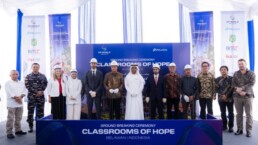
DP World Foundation and Belewan new container terminal mark groundbreaking of AED 3.7 million school project in Indonesia
Classrooms of Hope initiative expands to Belawan, Medan with a new junior high school designed to provide modern learning facilities and greater…
Subscribe to our newsletter!
if you dont want to swim alone in the ocean of news, sign up for the newsletter, and you will receive daily all the important news of world shipping!
