Coping with diabetes at sea


In conjunction with the UN World Diabetes Day, we join the effort to raise awareness among our readers of the risks of the disease, particularly to seafarers and the increased risk during the Covid-19 pandemic. Here is what we can do to minimize risks, save lives and ensure safety at sea.
Diabetes is a killer. It is among the top 10 causes of death globally – every 8 seconds someone dies from the condition. In 2019, it was reported that 4.2 million people died from diabetes, with almost half the deaths occurring before the age of 60.
Diabetes affected 463 million people worldwide last year, that is one in eleven adults:

By 2030, it is estimated that this number will increase to one in ten adults, that is 578 million people; and by 2045, it is projected that one in nine adults will suffer from diabetes, that is 700 million people.
| Diabetes Facts
Diabetes is a chronic disease that occurs when the pancreas is no longer able to make insulin, or when the body cannot make good use of the insulin it produces. People with Type 1 diabetes produce very little or no insulin. The disease usually develops in children or young adults. People with this form of diabetes need injections of insulin every day in order to control the levels of glucose in their blood. There is no cure for Type 1 diabetes and for those without access to insulin, the disease is fatal. Type 2 diabetes accounts for 90% of all cases of diabetes worldwide and is increasing prevalent. It is characterized by insulin resistance and relative insulin deficiency. The diagnosis of Type 2 diabetes can occur at any age, but usually in people over 40 years old. It is often, but not always, associated with obesity, which itself can cause insulin resistance. People with Type 2 diabetes can often initially manage their condition through exercise and diet. However, over time most people will require oral drugs and/or insulin, nevertheless, healthy lifestyle will remain an integral part of the diabetes management plan. Type 2 diabetes is a leading cause of blindness, amputation, heart disease, kidney failure and early death. The good news is that over half the cases of Type 2 diabetes are preventable and complications for those with the condition can be avoided with good management and care. The International Diabetes Federation (IDF) which is an umbrella organization of over 240 national diabetes associations, has produced an interactive test for individuals to gauge their own risk of developing type 2 diabetes. See our earlier Insight for more detailed information. |
Fifth leading cause of death in the Philippines
In the Philippines, the country supplying the highest number of seafarers, diabetes is listed as the fifthleading cause of death according to 2018 Philippine Health Statistics.
Obesity is an important risk factor in the development of diabetes. In addition, heavy smoking and lack of exercise contribute to the total risk picture for seafarers.

Source: https://www.ifsma.org/resources/Good-Health-for-Seafarers-Guide-MtS.pdf
The current crew crisis, brought about by the pandemic, has led to many seafarers having to remain on onboard beyond their contractual period, adding further pressure.
That said, the good news is that the risk of developing the disease can be greatly reduced. According to the IDF, there is “overwhelming evidence from studies…that lifestyle changes (achieving a healthy body weight and moderate physical activity) can help prevent the development of Type 2 diabetes”.
In addition to increased exercise, adjustments in diet are also very important. ISWAN’s Guidelines for Healthy Food Onboard Merchant Ships provide lots of good tips for healthy food plans on board.
Impacts safety onboard
Seafarers using insulin or some other medicines against diabetes, are at risk of developing low blood sugar. Their performance of tasks, including safety-critical ones, can be impacted if their blood sugar dips below normal, resulting in hypoglycemia. This may result in a slowing of response; poor judgment of risk or behavioral changes with increased irritability and risk taking; and in the worst case, incapacity and loss of consciousness. Therefore, proper management of the condition is crucial. Regular eating, physical activity and monitoring are key factors. Irregular working hours on board makes it more difficult to regulate the balance between insulin dose and food consumption and there may be situations which prevent food intake, such as sea sickness which could require the insulin dose to be adjusted.
Unfortunately, there have been incidents where failure to control diabetes have led to medical emergencies at sea. Some have been fatal, while many more have required medical evacuation to hospital. Glucometers play an important role in helping to manage the disease. Specialists recommend that every diabetic should keep a glucometer handy. Ideally ships should beequipped with them so glucose levels can be measured when medically necessary. Even if someone is not a known diabetic, it can be important to test glucose levels in certain instances to rule out a condition or give the right treatment.
All persons with diagnosed, suspected or increased risk for diabetes should check average blood glucose level by a test otherwise known as glycated hemoglobin or HbA1c level. The level should be lower than 6 per cent. This test shows average blood sugar level over the last six weeks, rather than the snapshot provided by the usual blood glucose level test. Steady and decent average blood glucose levels can be a helpful indicator that the seafarer has good control of their diabetes. It is recommended to include such testing in the pre-employment medical examination of crew.
Four tips to reduce risks during the pandemic
The Covid-19 pandemic imposes new challenges, fears and uncertainties for all diabetics, including seafarers. While they are not more susceptible than the general population to get Covid-19, it seems that diabetics (both types) have higher risks of developing serious complications or even dying from the virus.
Fortunately, not everyone with diabetes is at the same level of risk – outcomes are more promising if the diabetes is well-controlled. This makes it even more important that diabetic seafarers are properly managing their condition.
There is considerable debate on the most appropriate way to manage people with diabetes during this pandemic. The IDF has published advice on Covid-19 and diabetes which includes the following recommendations for diabetes sufferers:
- Pay extra attention to glucose control. Regular monitoring can help avoid complications.
- If showing flu-like symptoms (raised temperature, cough, difficulty breathing), it is important to consult a healthcare professional. If coughing up phlegm, this may indicate an infection. Seek medical support and treatment immediately.
- Any infection is going to raise glucose levels and increase the need for fluid intake.
- Keep a regular schedule: avoid overwork and make sure to get a good night’s sleep.
Above all, shipowners should encourage prompt reporting of any symptoms, even mild ones, particularly of diabetic crew members, who should be closely monitored.
The International Chamber of Shipping has published a very helpful Guidance for Ship Operators for the Protection of the Health of Seafarers relating to the Coronavirus, which we recommend shipowners to follow.
Source: Gard



Related News.

Beyond Technical Skills: WISTA Cyprus explores the human side of leadership
WISTA Cyprus hosted The Art of Leadership & Emotional Mastery, an interactive workshop held on 15 October at the Alasia Hotel in Limassol,…

The human cost of sending merchant mariners into war zones extends far beyond the immediate danger of missiles and drones. It raises a harder question: who is really protecting the seafarer?
Who protects the seafarer? I have spent much of my professional life at sea. I am a Master Mariner. I have stood on the bridge, made decisions…

Loss of bridge control: Human failure is normal – context is key
When bridge control is lost in a functioning system, it can be easy to blame human error. But accidents rarely happen because of one mistake…

Danish Shipping announces the transport of live animals by sea new rules should improve safety for animals, seafarers and the environment
Revised rules on the transport of live animals by sea are being negotiated in the EU. Danish Shipping wants to ensure good animal welfare,…

Japan’s flawed shipping proposal leaves developing countries adrift
A new analysis by Opportunity Green warns governments of the wide-ranging risks posed by Japan’s proposal at the International Maritime Organization…

Intermodal Report Week 42 2026
Pls find below the Intermodal Report - Week 42 2026 Intermodal Report Week 42 2026

Allied Weekly Market Review Week 42
Pls find below the Allied - Weekly Market Review - Week 42 ALLIED - Weekly Market Report- Week 42
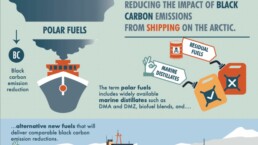
EU Arctic Strategy NGOs welcome EU ambition on on cutting shipping’s Arctic Black Carbon Emissions
Responding to today’s publication of the EU’s Arctic Strategy, which definitively states the EU’s intention to support International Maritime…

The final quarter of 2026 is expected to see softer bauxite flows
Chinese front-loading is expected to have run its course, pointing to softer bauxite flows in 2026 Q4. Global bauxite flows increased by 2.8% y/y…

DP World Foundation and Belewan new container terminal mark groundbreaking of AED 3.7 million school project in Indonesia
Classrooms of Hope initiative expands to Belawan, Medan with a new junior high school designed to provide modern learning facilities and greater…
Subscribe to our newsletter!
if you dont want to swim alone in the ocean of news, sign up for the newsletter, and you will receive daily all the important news of world shipping!
