The strategic extension of control: Theophanis Theophanous on the evolution of Third-Party Management in Greece
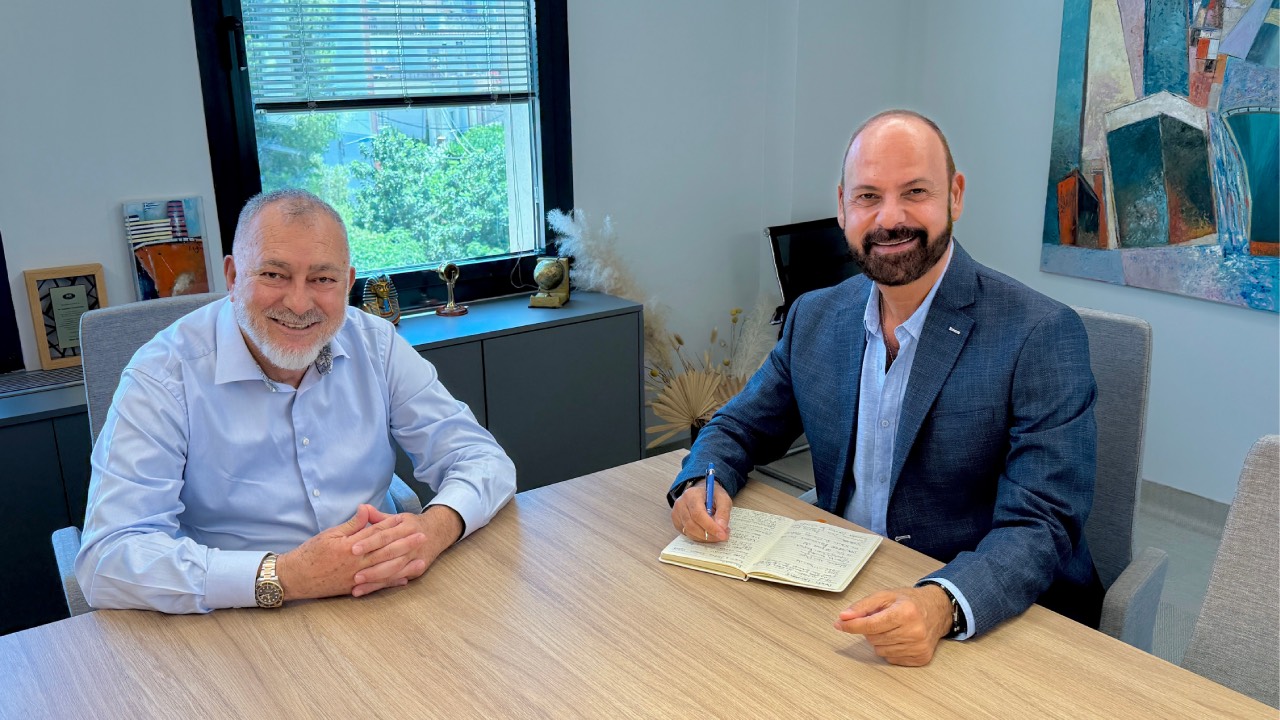

Following the conclusion of a highly active Posidonia 2026 in Athens, Cyprus Shipping News Managing Director Adonis Violaris sits down with Theophanis Theophanous, Managing Director of BSM Hellas, to explore the changing dynamics of third-party ship management within the Greek shipping cluster. Celebrating over 20 years of successful local operations, Theophanis shares how BSM is helping traditional owners navigate the dense wave of incoming environmental compliance, such as FuelEU Maritime, through near real-time insights from their Fleet Performance Centre and seamless data integration via MariApps software. Drawing on his extensive personal journey from Master Mariner to shore-side executive, he outlines practical strategies for cultivating a true “Just Culture” onboard, safeguarding highly complex gas and tanker fleets amidst global talent shortages, and building structured sea-to-shore pathways to retain invaluable maritime expertise within the local cluster.
The Post-Posidonia Landscape for Third-Party Management
Posidonia 2026 has concluded after a week of intense high-level commercial activity in Athens. Traditional Greek shipowners have historically favoured maintaining close, in-house technical control over their assets. Reflecting on your discussions this month, do you feel that the sheer density of incoming green regulations and digital compliance is finally driving a permanent shift toward professional third-party ship management in the Greek cluster?
Posidonia 2026 reaffirmed the strong, hands-on approach of Greek shipowners, which remains very much intact. At the same time, the growing complexity of decarbonisation rule sets, regulatory frameworks and compliance requirements is becoming increasingly evident. Many owners recognise that managing these demands efficiently in isolation is more challenging than ever.
We are therefore not seeing a wholesale shift away from in-house models, but rather a more selective and pragmatic approach. In this context, third-party ship management is increasingly viewed not as pure outsourcing, where the owner loses control, but as a strategic extension of it. Owners are seeking partners who bring scale, expertise and structured processes, while ensuring full transparency and alignment.
As a result, conversations are becoming more solution driven. The focus is on targeted support, whether in compliance, digitalisation, or crew readiness, to strengthen resilience and maintain operational excellence.
Looking ahead, we expect this gradual shift to continue, with professional ship management playing an increasingly important role in helping owners increase vessel availability, optimise OPEX, improve performance, manage complexity, reduce risk and ultimately protect asset value, while allowing them to focus on their core commercial strategy.
Driving Real-Time Efficiency via the Athens Fleet Performance Centre
The Schulte Group made a significant strategic commitment to the Greek market by establishing its corporate Fleet Performance Centre (FPC) right here in Athens. With carbon intensity metrics and FuelEU Maritime penalties now heavily affecting voyage margins, how are the real-time monitoring and data insights generated by the Athens FPC helping your clients maximize energy efficiency and protect their financial bottom line?
While our Fleet Performance Centre operates as a global function based in India, it directly supports the needs of our clients in Greece and beyond.
With carbon intensity regulations and mechanisms such as EU ETS and FuelEU Maritime increasingly impacting voyage economics, near real-time performance insights are essential. Through our FPC, we combine advanced analytics with operational expertise to monitor fuel consumption, optimise speed, and track emissions performance continuously.
This enables a proactive approach: deviations are identified early, corrective actions are implemented quickly, and decisions are supported by transparent, data-driven insights embedded into daily operations. For clients, this translates into tangible results like improved energy efficiency, reduced fuel consumption, and lower exposure to regulatory costs.
Ultimately, the FPC is a key enabler of smarter, more efficient operations, helping owners protect margins, manage compliance risk, and optimise overall vessel performance.
Breaking Down Software Silos via MariApps and PAL ERP
A common frustration for modern fleet managers is handling disconnected software tools that isolate data. BSM bypasses this by utilizing the flagship PAL ERP platform developed by your dedicated digital partner, MariApps Marine Solutions. From an operational perspective, how does having a fully integrated, web-based system across your entire managed fleet improve transparency and streamline data sharing between ship and shore?
A key challenge in fleet management today is the fragmentation of data across multiple systems. By leveraging MariApps’ smartPAL ship management software as a fully integrated, web-based platform across our managed fleet, we are able to bring this data together into a single, structured environment.
From an operational perspective, this significantly improves transparency and consistency. Ship and shore teams are working with the same real-time data, whether it relates to technical performance, procurement, maintenance, or crewing. This reduces duplication, minimises manual intervention, and ensures that decisions are based on a single source of truth. Equally important is the impact on collaboration. Information flows seamlessly between vessel and shore, enabling faster response times, more efficient planning, and better alignment across all stakeholders.
Ultimately, this level of integration allows us to streamline processes, enhance data quality, and generate actionable insights at scale helping owners improve efficiency, reduce administrative burden, and maintain full visibility over their operations.
Transitioning from “No Blame” to a True “Just Culture”
During your extensive career, you have been a strong advocate for the human element and safe vessel operations. You have frequently emphasized that a modern safety culture must move away from a simple “No Blame” policy and toward a formalized “Just Culture.” How do you practically cultivate an environment of trust where seafarers feel safe reporting honest errors without fear of career retaliation?
A “No Blame” approach on its own is not enough. A true “Just Culture” creates a structured environment where honest errors are understood, analysed and used to improve safety, while clear boundaries remain in place for unacceptable behaviour.
Training is central to this. Both seafarers and shore staff must understand how to recognise human error, at-risk behaviour and negligence and how each is addressed. This builds confidence that reporting will be handled fairly and professionally. We place strong emphasis on practical, scenario-based safety training and open reporting of near misses. The focus is on learning: understanding what happened, why it happened, and how to prevent recurrence through improved procedures, risk awareness and operational practices. Equally important is making reporting simple and meaningful. Seafarers need to see that their input leads to tangible improvements on board. This reinforces trust and encourages continued openness.
Ultimately, a “Just Culture” strengthens safety performance by improving the quality of reporting and enabling more effective risk management ensuring that both crews and vessels operate to the highest standards.
Managing High-Complexity Assets in the Gas and Tanker Sectors
BSM Hellas has built an enviable reputation for handling technically demanding assets, including LNG, LPG, ethylene carriers, and chemical tankers. Given the specialised crew training and strict oil major vetting approvals required for these sectors, how does your local team ensure that operational readiness remains flawless despite the widening global maritime talent shortage?
Managing high-complexity assets requires a disciplined approach to competence, training and operational standards. At BSM, we prioritise structured crew development, combining specialised training for gas and tanker operations with simulator-based exercises and continuous upskilling. This ensures our crews are fully prepared for the technical and safety demands of these vessel types.
Attracting and retaining talent remains critical. Through our global crew service centre network and long-term investment in cadet programmes and career pathways, we maintain a pipeline of qualified, experienced seafarers despite a tightening labour market.
Strict adherence to oil major requirements and vetting standards underpins our operations. Clear procedures, regular audits and close ship-shore coordination ensure consistent readiness across the fleet.
The Sea-to-Shore Career Pathway
Before your long tenure as Managing Director, you spent years at sea, achieving the rank of Master, and subsequently spent over a decade leading fleet personnel teams. Looking at the next generation of cadets graduating from academies like Hydra, how can ship managers better structure shore-side career transitions so that invaluable seafaring experience is retained within the local maritime cluster?
Seafaring experience remains one of the most valuable assets in our industry and retaining that expertise ashore is essential for the long-term strength of the maritime cluster. For BSM, this starts with creating clear and attractive career pathways. Young seafarers graduating from maritime academies need to see that a transition ashore is not a loss of identity, but a continuation of their professional development.
A central element is our Sea-to-Shore-Programme, which provides a structured transition framework rather than a one-off career move. Officers are guided through tailored training and role-specific preparation before they take up onshore responsibilities. This ensures continuity and significantly shortens the adaptation period.
By maintaining long-term relationships with our officers, often starting from cadet level, we create the foundation for sustainable career development. In a more complex operational environment, this continuity of experience between ship and shore is not simply beneficial, it is essential for safe, efficient and high-quality ship management.
Navigating Geopolitical Risk and Crew Logistics from Athens
Geopolitical volatility and extended voyage profiles around the Cape of Good Hope have made crew deployment and rotation an ongoing logistical challenge. How does BSM Hellas leverage the group’s extensive global network of Wholly Owned Crew Service Centres to de-risk crew changes and support seafarer mental welfare during prolonged transits?
Geopolitical volatility and extended voyage patterns have significantly increased the complexity of crew changes, making planning and flexibility critical. BSM operates one of the most diverse crew pools in the industry, with seafarers from more than 95 nationalities, who are supported by 29 Crew Service Centres worldwide. This global footprint allows us to adjust deployment strategies quickly, optimise travel routes and maintain continuity despite disruptions.
We work in close coordination with our global network to plan rotations well in advance while retaining the flexibility. Ensuring crew continuity and vessel safety remains the overriding priority. Reliable rotation planning and clear communication are also essential to support our seafarers. By providing stability and access to welfare support, we help maintain both wellbeing and safe vessel operations. By combining global reach with structured planning, we are able to de-risk crew logistics and ensure operational stability in a highly uncertain environment.
The Roadmap for the Remainder of 2026
Following your recent milestone of over 20 years of operations in Greece, BSM Hellas continues to expand its managed fleet. As we move into the second half of 2026, what is your primary piece of advice to local shipowners looking to future-proof their assets against technical obsolescence over the next twelve months?
Having marked over 20 years of operations in Greece, BSM Hellas continues on a path of steady growth, supported by long-term client relationships and an expanding, diversified fleet, alongside continued investment in local expertise.
Looking ahead, the key advice to owners is to proactively manage the growing complexity of decarbonisation and compliance. The challenge is not a single regulation, but the combined impact of evolving requirements, data transparency and technical choices.
For example, under FuelEU Maritime, we are supporting owners by simulating the impact of different operational measures, fuel options and technical modifications on vessel performance and compliance exposure. This allows owners to make informed decisions well in advance, rather than reacting once costs materialise. In this context, access to reliable data and experienced guidance is critical, whether in selecting suitable fuels, evaluating compliance technologies or optimising operational profiles. Those who take a structured, forward-looking approach will be best positioned to maintain competitiveness and protect asset value.


Related News.
CSN Summer Holidays: 12 to 21 August 2026
Dear CSN Readers, Please note that the CSN office will be dropping anchor for a short summer break between the 12th and 21st of August 2026. During…
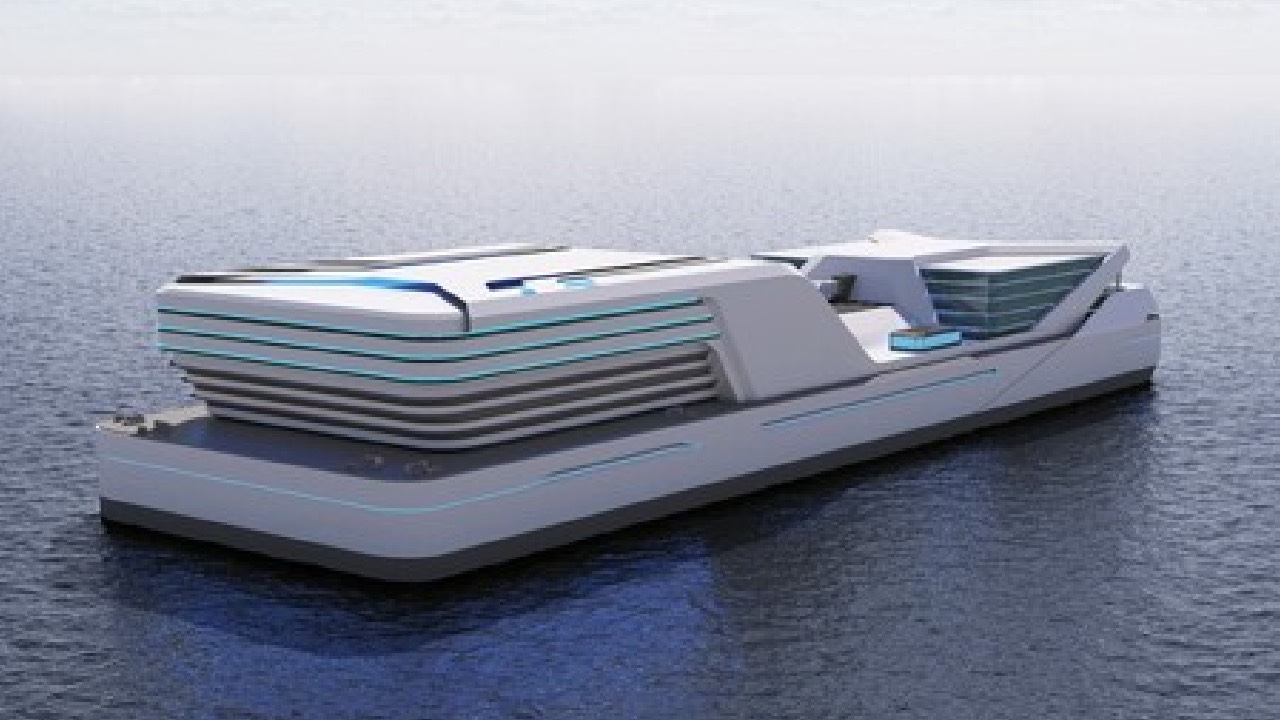
Floating Data Centers emerge as growth engine for shipbuilding industry
Samsung Heavy Industries and HD Hyundai are racing into sea-based AI infrastructure as land and power limits squeeze data center expansion As…
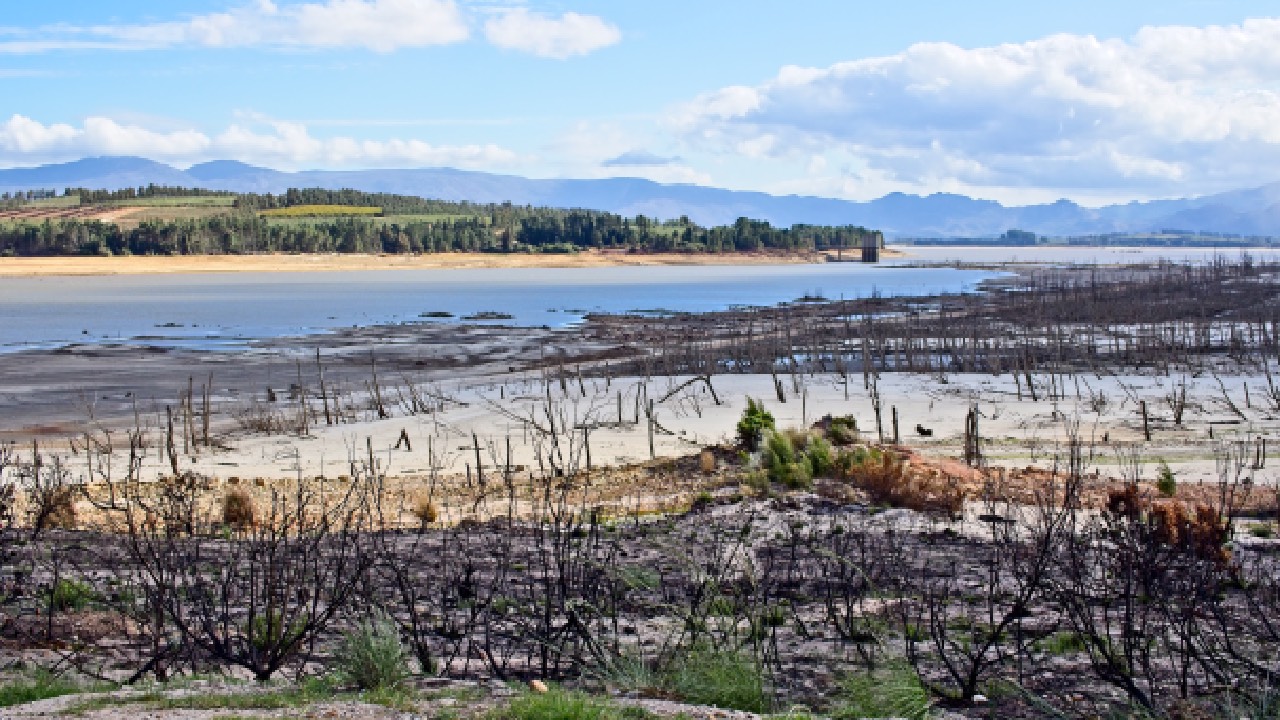
European drought snarls inland commodity flows, cuts power supplies
Rhine, Danube river levels hit record lows in key chokepoints Inland markets face squeeze on fuel, chemicals, metals and grains Power…

Oil producers buy tankers directly to navigate blocked routes
Oil-producing countries that have frequently experienced blockages in major Middle Eastern shipping routes, such as the Strait of Hormuz and the Red…

Diana Shipping announces Time Charter Contract for m/v Florida with NYK
Diana Shipping, a global shipping company specializing in the ownership and bareboat charter-in of dry bulk vessels, today announced that, through a…
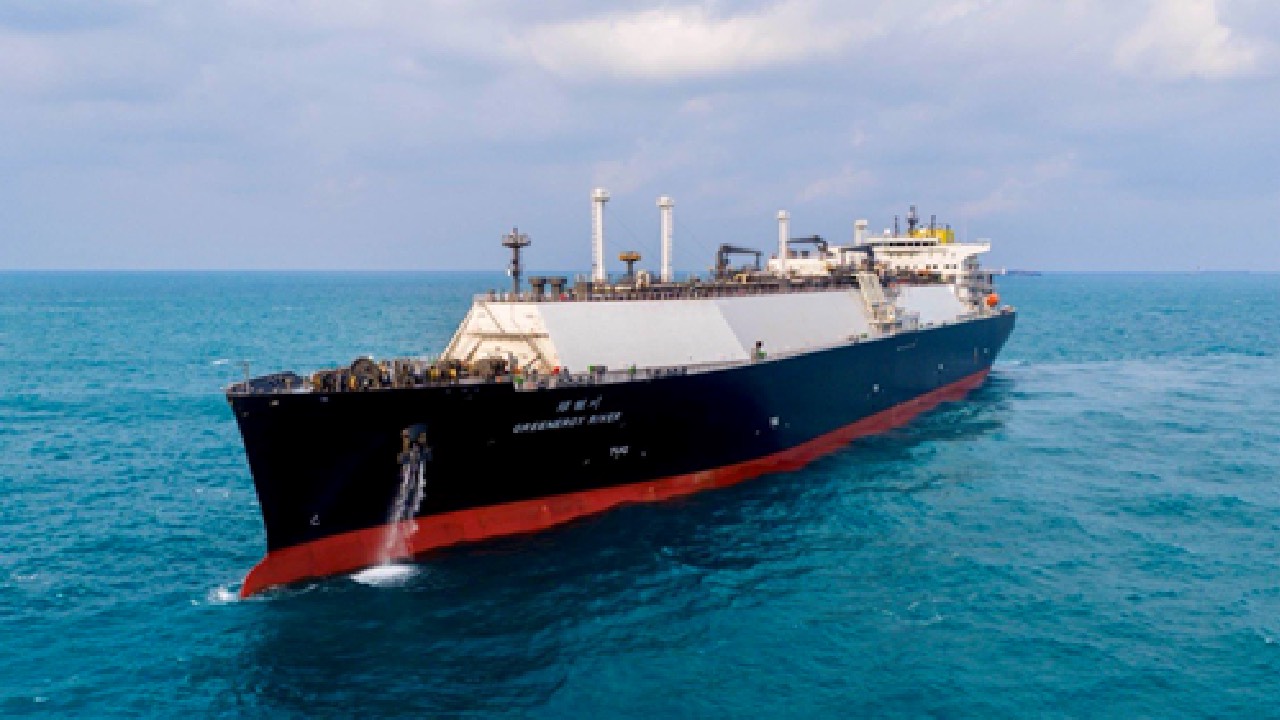
New LNG Carrier for CNOOC Group Named “GREENERGY RIVER”
On August 4, HUAJING LNG TRANSPORT PTE. LTD. (HLT), a joint venture company in which NYK participates, held a naming ceremony for a new…

Diana Shipping and Star Bulk Carriers announce mutual agreement to terminate vessel sale and purchase agreement
Diana's Offer to Acquire All Outstanding Shares of Genco Remains on the Table Termination of Agreement Has No Impact on Diana’s $1.411 Billion in…

Lloyd’s Register launches industry-first framework for digital 3D model approval
New Guidance Notes give shipyards and designers a practical route to use intelligent 3D models during class approval Lloyd’s Register (LR) has…

[xclusiv] S&P Report 10th August 2026
Please find below the [xclusiv] latest Weekly S&P Report, along with following opening market commentary [xclusiv] 2026_08_10 Market Commentary:…

Panama strengthens its global standing as ship registry earns ISO 9001:2015 recertification
In an industry where confidence is built on consistency, transparency, and operational performance, Panama has once again reinforced its position…
Subscribe to our newsletter!
if you dont want to swim alone in the ocean of news, sign up for the newsletter, and you will receive daily all the important news of world shipping!
