The 2026 Ultimatum: Why doing nothing on Digitalisation is now a Direct Commercial Risk


In this exclusive CSN interview, Managing Director Adonis Violaris sits down with Fabian Fussek, Co-Founder and CEO of Kaiko Systems, to confront the rapidly changing landscape of maritime digitalisation. Reflecting on critical insights from Posidonia 2026, Fabian explores why shipping’s “pilot era” is officially over and explains how technical data fragility has evolved into a direct commercial risk for modern fleet operators. From the deployment of their newly unveiled maritime AI agent, KAI, to the standardisation of complex vetting regimes like SIRE 2.0 and RightShip RISQ, this conversation offers an unfiltered, practical look at how structured automation is driving operational consistency and reshaping the future of shipmanagement.
The Death of the Digital Pilot
You recently stated quite clearly that “shipping’s pilot era is over.” Reflecting on your discussions with shipowners at Posidonia this month, do you find that the industry is ready to stop treating digital tools as experimental side-projects and start embedding them systematically into core daily operations?
Yes. As I said last month, shipping’s pilot era is over. The focus now has to be on disciplined implementation Digital tools only create lasting value when they are embedded into daily workflows, supported by clear procedures and used consistently across vessels, crews and shore teams. Shipping does not suffer from a lack of information; it suffers from a lack of continuity. Too much knowledge still sits in individual reports, inboxes and personal experience. Standardised digital workflows help preserve that knowledge across changing crews and shore teams The winners will not be the companies running the most pilots, they will be the ones that implement properly, build consistency and turn operational data into better decisions over time
Commercial Risks of Technical Data Fragility
Kaiko Systems issued a strong warning this spring regarding “technical fragility,” arguing that unreliable operational data such as missing maintenance logs or un-synchronized reports is no longer just an IT headache but a direct commercial risk. Why are smaller fleet operators uniquely exposed to losing fixtures or failing vetting inspections due to these data gaps?
What used to be small technical issues are now directly impacting commercial performance. Smaller fleets are especially exposed due to tighter margins, leaner teams, and reliance on legacy or fragmented systems. Even minor data failures can result in failed inspections, lost fixtures, and reduced competitiveness. Smaller operators are not disadvantaged because of their size, they are disadvantaged when their systems cannot scale with the growing regulatory and commercial complexity. With ESG reporting, CII ratings, EU ETS, and FuelEU shaping chartering decisions, data reliability is fast becoming a key differentiator. Charterers increasingly favour operators who can provide consistent, auditable data. The future will reward those who can trust their own dat
Shifting the Focus from Digitising to Automating Work
You have predicted that the remainder of 2026 will be defined by a shift from merely digitizing paper forms to actively automating workflows. How does moving toward automation help technical superintendents reclaim the massive portion of their working hours currently wasted on manual data entry and report formatting?
Technical superintendents spend up to 65 to 75 percent of their time on tasks that don’t make use of their expertise. Automation is how we hand that time back. Automation to assist crew reporting is the easy part but the real transformation comes with the ability to predict potential faults and recommend human action – from reporting what went wrong to preventing it in the first place. Imagine a superintendent confidently managing 10 vessels instead of five or a chief engineer not buried in paperwork and instead making proactive safety decisions. That is what automation is for, relieving humans of repetitive, error-prone work so they can focus on the job they want to do
Document ingestion is the next step – turning PDFs, forms, and logs into structured, searchable data. Only then can ship managers compare performance, track trends, and make data-driven decisions across fleets
Unveiling KAI: The Next Step for Maritime AI Agents
With your recent unveiling of KAI, your comprehensive maritime AI agent, Kaiko Systems is moving deeper into the intelligence space. How will KAI practically assist shore-based technical teams in identifying hidden risks, such as recurring corrosion patterns or fleet-wide defect trends, before they escalate into port state control detentions?
KAI is built to support technical superintendents, marine superintendents and vetting managers. Five components address the heaviest lifts: KAI Sight (image clarity and interpretation), KAI Analysis (assessment of hundreds of images per hour with suggested next steps), KAI Corrosion (early detection and measurement), KAI Control (data verification and plausibility), KAI Chat (24/7 natural language access to vessel and fleet history). Today KAI already lightens crew workloads with automated inspection support, corrosion detection, condition analysis, and summaries that capture what was found, where, and why it matters. Integrating KAI has shown clear benefits, ensuring no details are missed, particularly in complex lighting environments such as water ballast tanks. Early customers have expanded KAI’s deployment fleetwide after seeing significant improvements in PSC and class inspections on vessels using the system. The leap is from reporting what went wrong to preventing it. For example: “This anomaly suggests a maintenance action is required in three months. Fix it now, avoid downtime later”.
Consolidating Inspection Silos: SIRE 2.0 and RightShip RISQ
Ship managers frequently treat SIRE 2.0 preparation, RightShip self-assessments, and port state control readiness as completely separate challenges. Why do you view these as different views of the exact same operational reality, and what are the benefits of standardizing them into a single frontline data collection workflow?
Inspection-related workflows, including SIRE 2.0 preparation, RightShip inspections, port state control readiness and superintendent reporting, are too often managed separately. That creates fragmented data and limits operators’ ability to identify recurring weaknesses across vessels and inspection regimes. These are not separate challenges, they are different views of the same operational reality. When inspection workflows are standardised, operators can see where repeat issues are emerging and act before they become bigger problems. By equipping crews with an app that guides them to plan, conduct and report inspections in one platform, we reduce the inspection burden for crews and guarantee data consistency from front-line capture to shoreside analysis
Overcoming the “80/20” Product Trap in Maritime Software
In product development, you have heavily argued against applying the 80/20 rule to how software features are delivered to the maritime sector, emphasizing that enterprise B2B tools must be binary—they either work 100% reliably in offline, harsh conditions or they fail the crew. How has this relentless focus on deep, user-friendly mobile design driven your high adoption rates with major managers like Columbia Shipmanagement and Norbulk?
Our platform guides crew members through structured, smart checklists on a mobile-first app, designed to work in challenging maritime conditions with limited connectivity. The Shore Reports app lets inspectors complete visits online and offline, capturing observations and photos directly, with complete flexibility to document unexpected issues on the spot. No printed materials, no handwritten notes. We partner with hardware providers to support harsh conditions: tanker fleets run Kaiko on intrinsically safe tablets from i.safe MOBILE. The discipline shows up in adoption. Columbia Shipmanagement selected Kaiko Systems to revolutionise maritime operations through AI-driven mobile-first technology. Norbulk Shipping rolled out our SIRE 2.0 self-assessment and PSC preparation software fleet-wide, starting with 27 tankers and expanding across the fleet. Non-automated workflows and paper-based documentation easily result in high human error rates. Closing that gap, end-to-end and reliably, is the product. Everything else follows from it.
The Ultimatum for Slower Adopters over the Next Twelve Months
As larger maritime players continue to aggressively invest in robust, integrated AI operating infrastructures, the efficiency gap is widening. What is your primary piece of advice to conservative shipowners who are hesitant to modernise? Is the cost of inaction over the remainder of 2026 becoming a threat to their actual market relevance?
As larger players continue to invest in robust infrastructures, advanced analytics and resilient platforms, smaller fleets that fail to modernise aren’t just losing efficiency, they are losing relevance. The cost of inaction is no longer invisible, it is commercial. Doing nothing means falling further behind and the longer the gap persists, the harder it gets to close. Ship owners who embrace AI now have a competitive advantage, those who don’t will struggle to keep up. It is not about buzzwords, it is about operational resilience.


Related News.
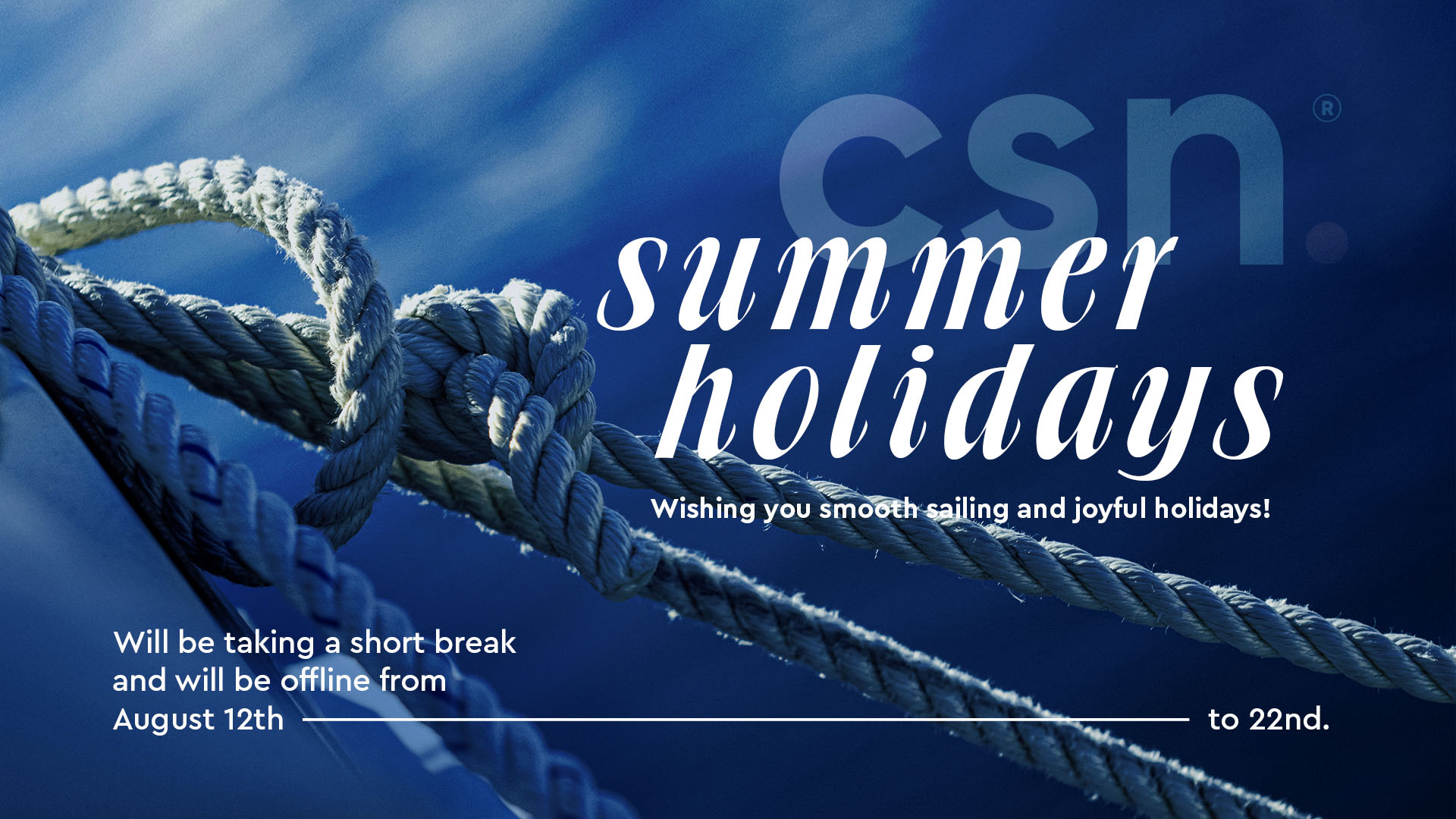
CSN Summer Holidays: 12 to 21 August 2026
Dear CSN Readers, Please note that the CSN office will be dropping anchor for a short summer break between the 12th and 21st of August 2026. During…

Floating Data Centers emerge as growth engine for shipbuilding industry
Samsung Heavy Industries and HD Hyundai are racing into sea-based AI infrastructure as land and power limits squeeze data center expansion As…
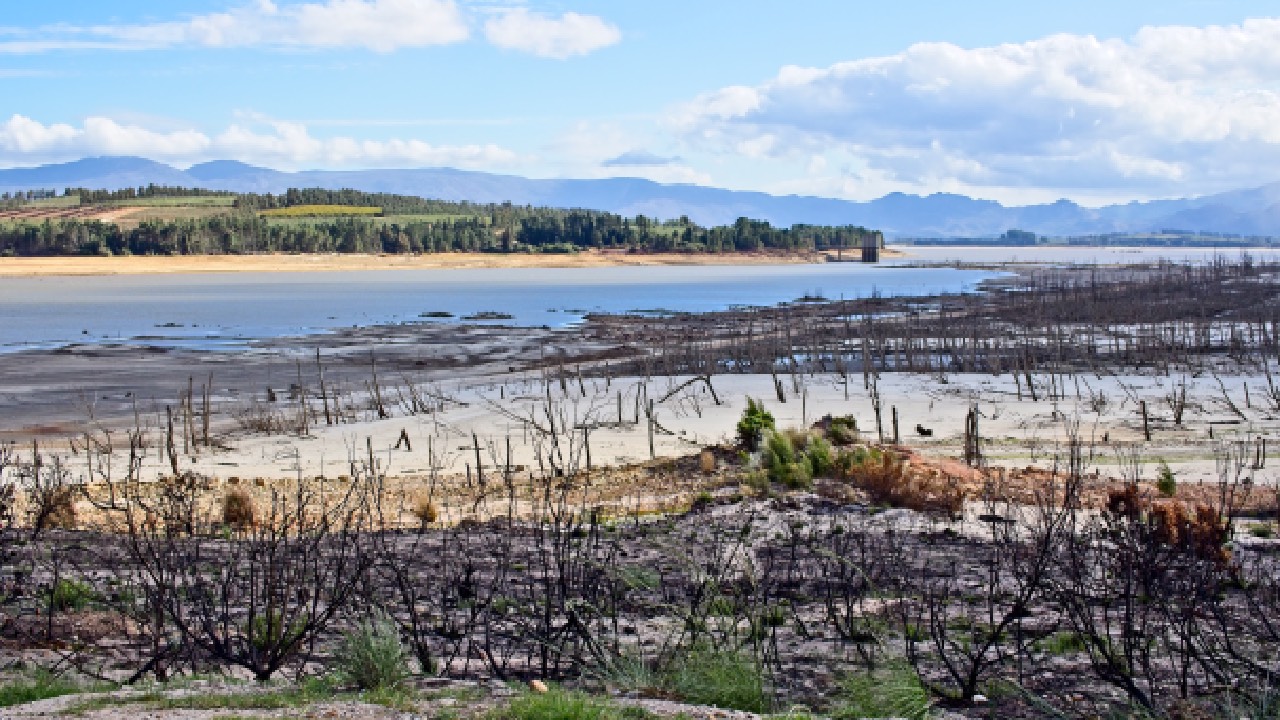
European drought snarls inland commodity flows, cuts power supplies
Rhine, Danube river levels hit record lows in key chokepoints Inland markets face squeeze on fuel, chemicals, metals and grains Power…

Oil producers buy tankers directly to navigate blocked routes
Oil-producing countries that have frequently experienced blockages in major Middle Eastern shipping routes, such as the Strait of Hormuz and the Red…

Diana Shipping announces Time Charter Contract for m/v Florida with NYK
Diana Shipping, a global shipping company specializing in the ownership and bareboat charter-in of dry bulk vessels, today announced that, through a…
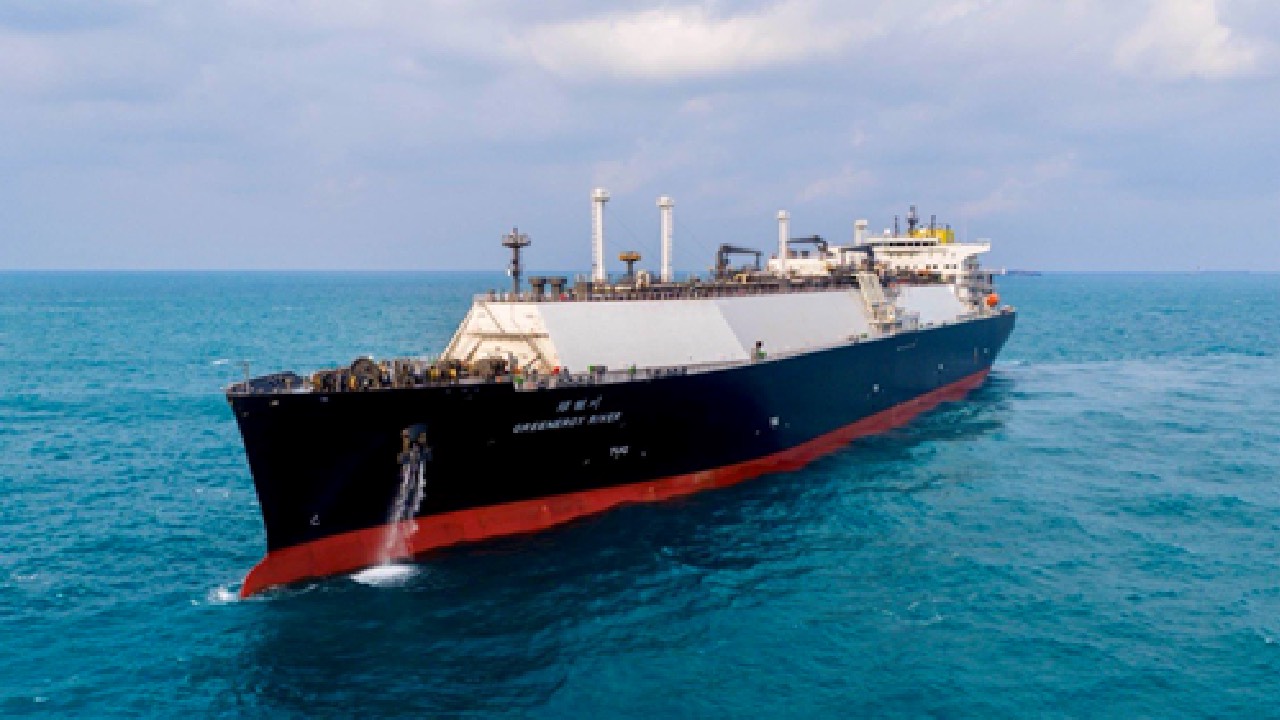
New LNG Carrier for CNOOC Group Named “GREENERGY RIVER”
On August 4, HUAJING LNG TRANSPORT PTE. LTD. (HLT), a joint venture company in which NYK participates, held a naming ceremony for a new…

Diana Shipping and Star Bulk Carriers announce mutual agreement to terminate vessel sale and purchase agreement
Diana's Offer to Acquire All Outstanding Shares of Genco Remains on the Table Termination of Agreement Has No Impact on Diana’s $1.411 Billion in…
Lloyd’s Register launches industry-first framework for digital 3D model approval
New Guidance Notes give shipyards and designers a practical route to use intelligent 3D models during class approval Lloyd’s Register (LR) has…

[xclusiv] S&P Report 10th August 2026
Please find below the [xclusiv] latest Weekly S&P Report, along with following opening market commentary [xclusiv] 2026_08_10 Market Commentary:…

Panama strengthens its global standing as ship registry earns ISO 9001:2015 recertification
In an industry where confidence is built on consistency, transparency, and operational performance, Panama has once again reinforced its position…
Subscribe to our newsletter!
if you dont want to swim alone in the ocean of news, sign up for the newsletter, and you will receive daily all the important news of world shipping!
