Redefining Ship Efficiency: ABB’s Konstantinos Filippou on the Reality of Fleet Electrification
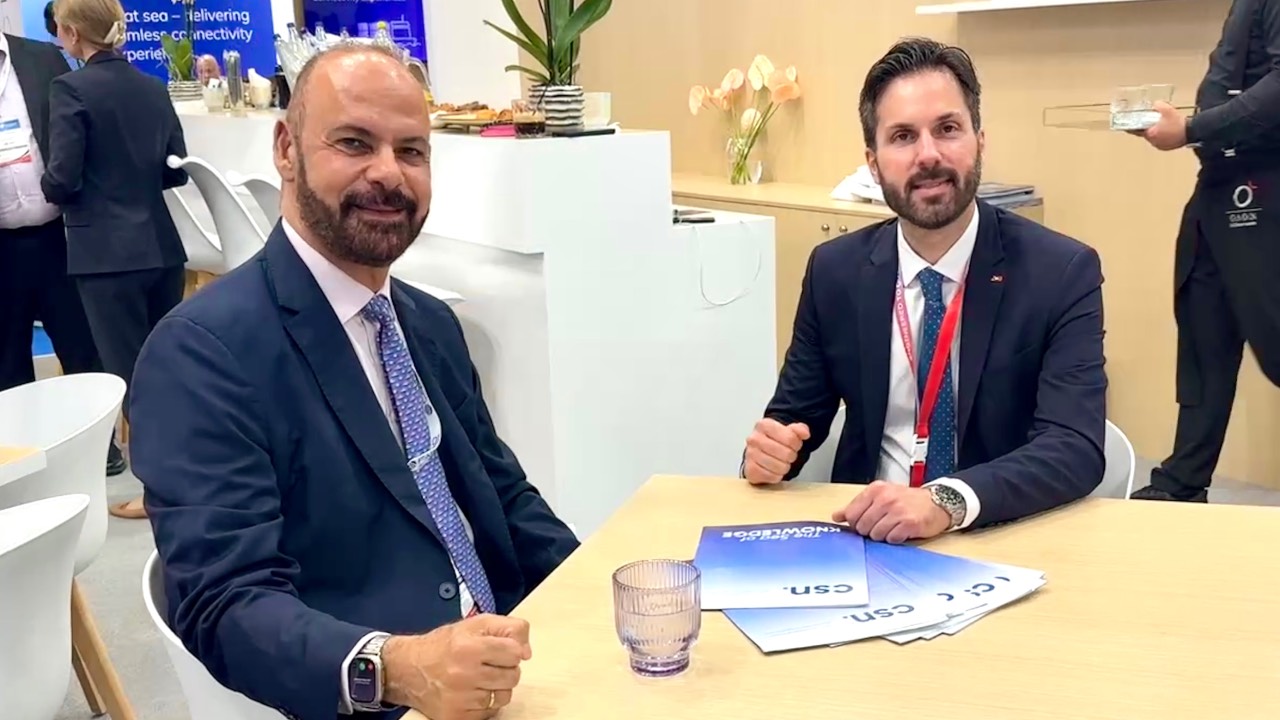

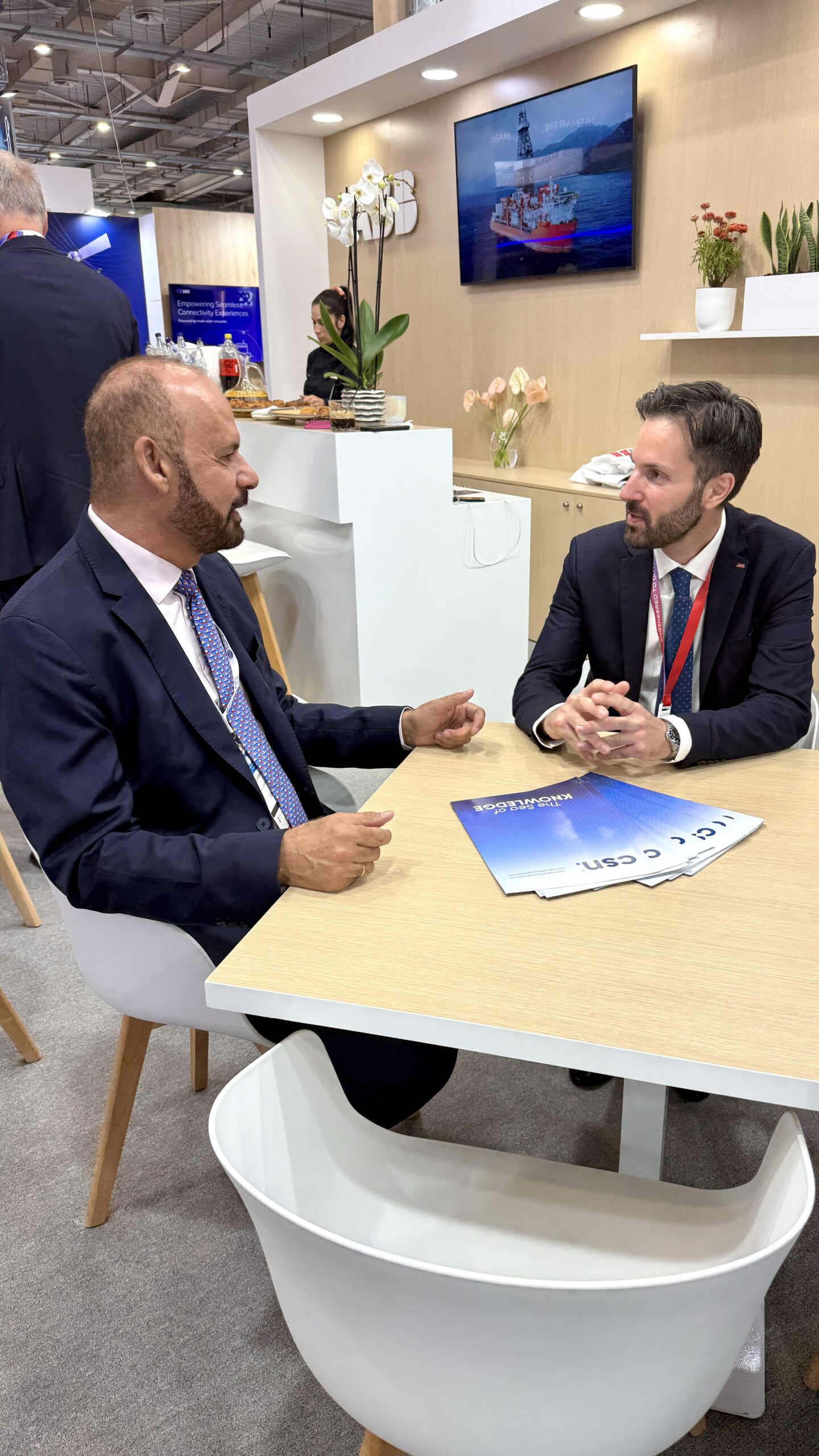
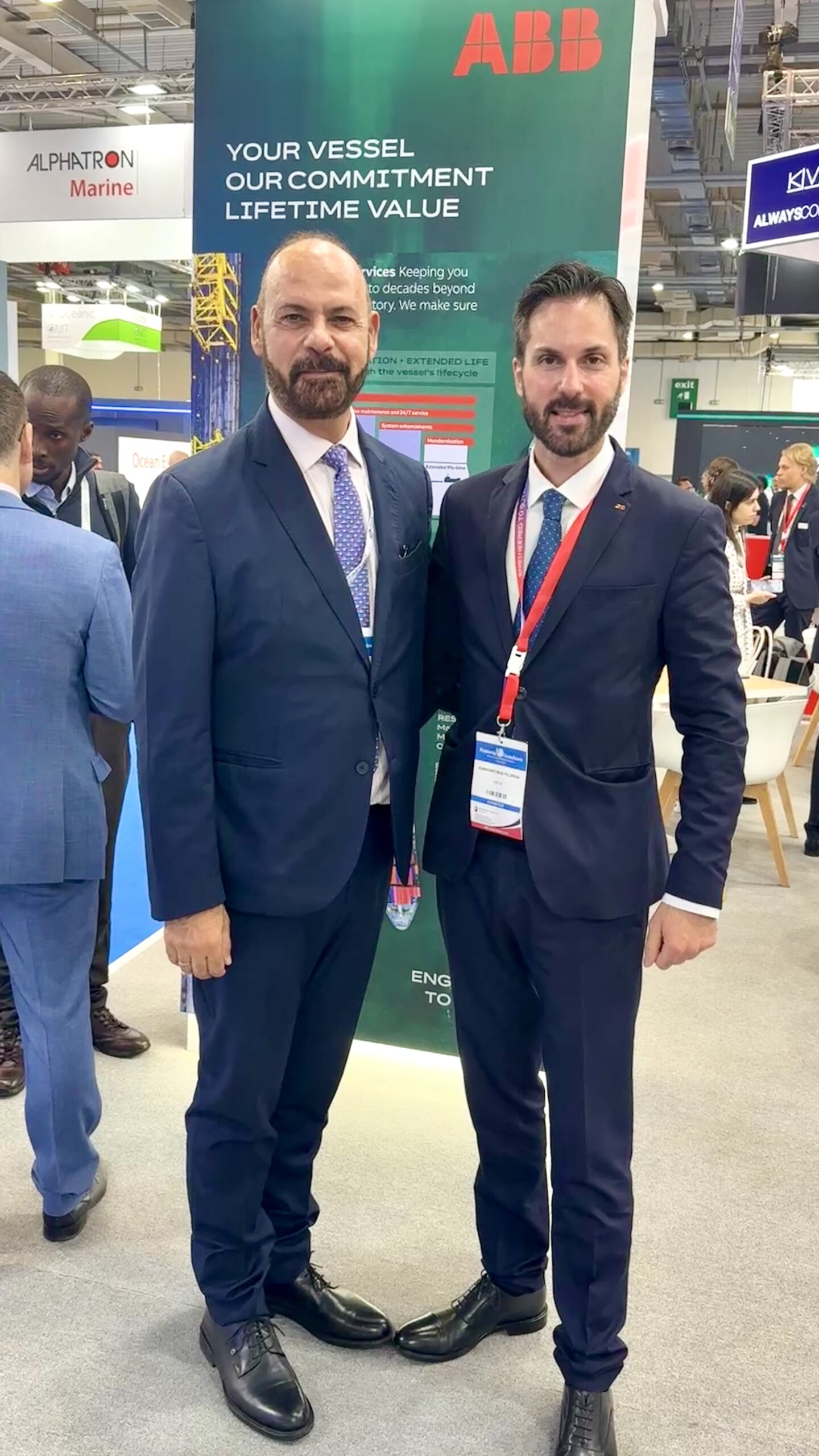
In this exclusive CSN interview, Managing Director Adonis Violaris sits down with Konstantinos Filippou, Head of Regional Sales for ABB’s Marine & Ports division, to discuss the rapidly accelerating energy transition within the maritime sector. With deep expertise in marine electrification and hybrid power architectures, Konstantinos plays a pivotal role in guiding shipowners and technical directors through the complexities of decarbonisation and tightening environmental regulations. A strong proponent of an “electric-first” design philosophy, he advocates for scalable solutions like the Onboard DC Grid™ and intelligent power management systems to seamlessly integrate alternative fuels, wind-assisted propulsion, and shore connection technologies. In this discussion, Konstantinos shares his strategic insights on bridging the gap between innovative electrical engineering and commercial viability, offering a clear blueprint for building resilient, sustainable, and highly efficient fleets for the next decade and beyond.

The Post-Posidonia Power Transition
Posidonia 2026 has clearly illustrated that the shipping industry is abandoning conservative, single-fuel mentalities. As shipowners move aggressively toward hybrid architectures, what were the most frequent concerns voiced by Greek and international technical directors regarding the integration of electrical systems with alternative fuel pathways over the remainder of the year?
One of the strongest messages coming out of Posidonia 2026 was that ship owners and operators are no longer evaluating alternative fuels in isolation. The discussion has shifted toward integrated energy ecosystems. A key takeaway from conversations with technical leaders from Greece and other countries around the world was that the most common concerns are related to integration complexity, operational reliability, crew readiness and future flexibility. Shipowners are understandably cautious about investing in systems that may become technologically restrictive within a few years.
This is precisely where an electrical architecture becomes increasingly valuable. Electrical platforms that allow different energy sources — conventional engines, batteries, fuel cells and future fuel technologies — to operate within a common and highly adaptable framework. Rather than committing to a single-fuel pathway, owners are looking for vessels that can evolve operationally and technologically over time.
The Electric Backbone: Expanding the Onboard DC Grid™
ABB has achieved major success with its Onboard DC Grid™, notably power-packaging next-generation shuttle tanker fleets built by Samsung Heavy Industries. For traditional deep-sea owners who historically view DC systems as fit only for smaller, niche vessels, how does this platform scale effectively to manage the massive power demands of larger commercial tonnage?
There is still a perception in some parts of the deep-sea market that DC distribution systems are primarily suited to smaller or specialized vessels. However, recent large-scale offshore and shuttle tanker projects demonstrate that this is no longer the case. The Onboard DC Grid™ platform was specifically developed to manage highly dynamic and energy-intensive operational profiles while maintaining efficiency, flexibility and redundancy.
The advantage of a DC-based architecture lies in the ability to optimize energy flow across the vessel without the limitations imposed by traditional fixed-speed AC arrangements. For larger commercial tonnage, this translates into more efficient generator utilization, improved integration of batteries and renewable energy sources, reduced conversion losses and greater operational flexibility overall. As vessels become increasingly hybridized, scalable electrical infrastructure will become a necessity rather than a niche solution.
Redundancy and Safety in Closed-Bus Tie (CBT) Operations
Your recent heavy-tonnage projects place a strong emphasis on CBT notation, which allows power systems to operate safely with closed-bus ties during demanding dynamic positioning (DP2) conditions. From an electrical engineering perspective, how do ABB’s fast fault isolation and selective protection strategies prevent a localized electrical failure from escalating into a full blackout?
In DP2 operations, maintaining continuity of power is critical. The challenge with closed-bus tie configurations is ensuring that a localized fault does not propagate throughout the entire electrical network and trigger a blackout scenario.
ABB addresses this through a combination of fast fault isolation, selective protection strategies and advanced power management architecture. The system continuously monitors the network and isolates only the affected section within milliseconds, while the remaining parts of the grid continue operating normally. Redundant pathways and segregated power zones further enhance resilience.
From an engineering standpoint, the objective is not simply to protect equipment, but to preserve vessel operability under the most demanding conditions. This capability is particularly important for shuttle tankers and offshore assets operating in dynamic positioning environments where loss of power can immediately escalate into a safety-critical event.
Maximising the Potential of Wind-Assisted Propulsion (WAPS)
Through ABB’s recent collaboration with Everllence and OceanWings, you are actively developing an optimised propulsion concept that blends your variable-speed Diesel-Electric (DFE+) framework with advanced wingsail technology. Why is a highly flexible, electrical hybrid grid uniquely suited to balancing the highly unpredictable and variable power contributions generated by wind-assist systems?
Wind-assisted propulsion presents significant efficiency potential, but it also introduces variability into the vessel’s power profile. Unlike conventional propulsion systems, the contribution of wind is inherently dynamic and cannot be controlled with absolute predictability.
A flexible electrical hybrid grid is uniquely positioned to manage this variability because it can continuously balance fluctuating energy inputs and operational loads in real time. Through the integration of variable-speed diesel-electric propulsion, batteries and intelligent power management, the system can absorb or redistribute energy depending on prevailing wind conditions and propulsion demand.
The electrical layer effectively acts as the stabilizing mechanism that enables wind-assisted technologies to deliver meaningful operational benefits without compromising reliability or efficiency. The collaboration between ABB, Everllence and OceanWings offers a relevant example.
Managing Partial Loads and Fuel Efficiency
A recurring headache for fleet managers running large cargo vessels is the steep drop in engine efficiency when operating at partial loads during slow-steaming or port-approaches. How does moving toward a decentralised, variable-speed electrical power management system resolve this issue, and what kind of concrete fuel savings can owners realistically expect?
Partial-load operation has long been one of the major inefficiencies in conventional mechanical propulsion systems, particularly during slow steaming, maneuvering or port approaches. Engines operating far below optimal load conditions consume fuel inefficiently and generate unnecessary emissions.
A decentralized variable-speed electrical architecture fundamentally changes this operating model. Instead of forcing generators to run continuously at fixed speed, power generation can be adjusted dynamically according to actual demand. Batteries can also support transient loads and peak shaving, allowing engines to remain closer to their optimal efficiency range.
The result is a more balanced and responsive energy system with measurable operational gains. Depending on vessel type and operating profile, the efficiency improvements associated with advanced DC-grid solutions can be substantial, particularly when combined with energy storage and intelligent power management technologies.
Bridging the Automation Gap with PEMS™
Sophisticated hardware means very little without intelligent orchestration. ABB utilizes its Power and Energy Management System (PEMS) to automate load sharing and battery integration. How close is the industry to achieving a fully autonomous power plant on board, and how does this digital layer reduce the cognitive burden on the chief engineer?
As vessels become more electrified and operationally complex, intelligent automation becomes just as important as the hardware itself. ABB’s PEMS™ power and energy management system is designed to function as the central orchestration layer of the vessel’s power ecosystem.
The industry is steadily progressing toward increasingly autonomous power plant operations, although human oversight will remain essential for the foreseeable future. What systems such as PEMS™ already achieve very effectively is the automation of load sharing, generator optimization, battery integration and fault-response management.
For the crew, this significantly reduces operational workload and cognitive pressure. Instead of manually balancing multiple interconnected systems, crews are supported by real-time monitoring and automated optimization tools that enhance both efficiency and operational reliability.
Navigating the Infrastructure Reality of Shore Connection Technology
While retrofitting vessels for shore power connection is becoming a regulatory necessity under updated European rules, the availability of high-voltage port infrastructure remains highly fragmented globally. How is ABB helping shipowners de-risk their retrofitting investments to ensure that onboard shore-connection systems are compatible across diverse regional power grids?
While regulatory momentum around shore power continues to accelerate, global infrastructure readiness remains inconsistent. Port capabilities still vary considerably in terms of voltage, frequency standards and overall grid availability.
For shipowners, this creates understandable concerns regarding retrofit compatibility and long-term investment security. ABB’s approach focuses on providing flexible and standardized shore-connection solutions capable of operating across a wide range of regional infrastructure conditions.
Equally important is the engineering support behind the technology itself. Retrofitting is not simply about installing onboard hardware; it requires system integration, compatibility assessment, commissioning and operational validation. By supporting owners throughout the full process, ABB helps reduce technical risk while ensuring vessels remain compliant and operationally adaptable as shore-power infrastructure continues to evolve globally.
The Strategic Outlook for Fleet Electrification Heading Into 2030
As the industry prepares for tighter carbon intensity indicators (CII) and stricter regional emissions penalties, the window for traditional mechanical propulsion is closing. What is your primary piece of advice to shipowners who are drawing up newbuilding blueprints today? Why must “electric first” be the baseline for any future-proof vessel design?
The industry is approaching a decisive transition period. Carbon-intensity regulations, regional emissions frameworks and fuel uncertainty are all reshaping vessel design priorities. In this environment, designing around a purely mechanical propulsion philosophy increasingly limits future adaptability.
For that reason, the most important advice to shipowners today is to adopt an “electric-first” design mindset from the earliest newbuilding stages. This does not necessarily mean fully electric propulsion from day one. It means developing a vessel architecture capable of integrating batteries, alternative fuels, shore connection technologies, renewable-assist systems and future energy solutions as they mature commercially.
Ultimately, electrical infrastructure is becoming the foundation upon which resilient vessels will be built. Owners who prioritize flexibility, scalability and integration capability today will be significantly better positioned to meet the operational and regulatory demands of the coming decades.


Related News.
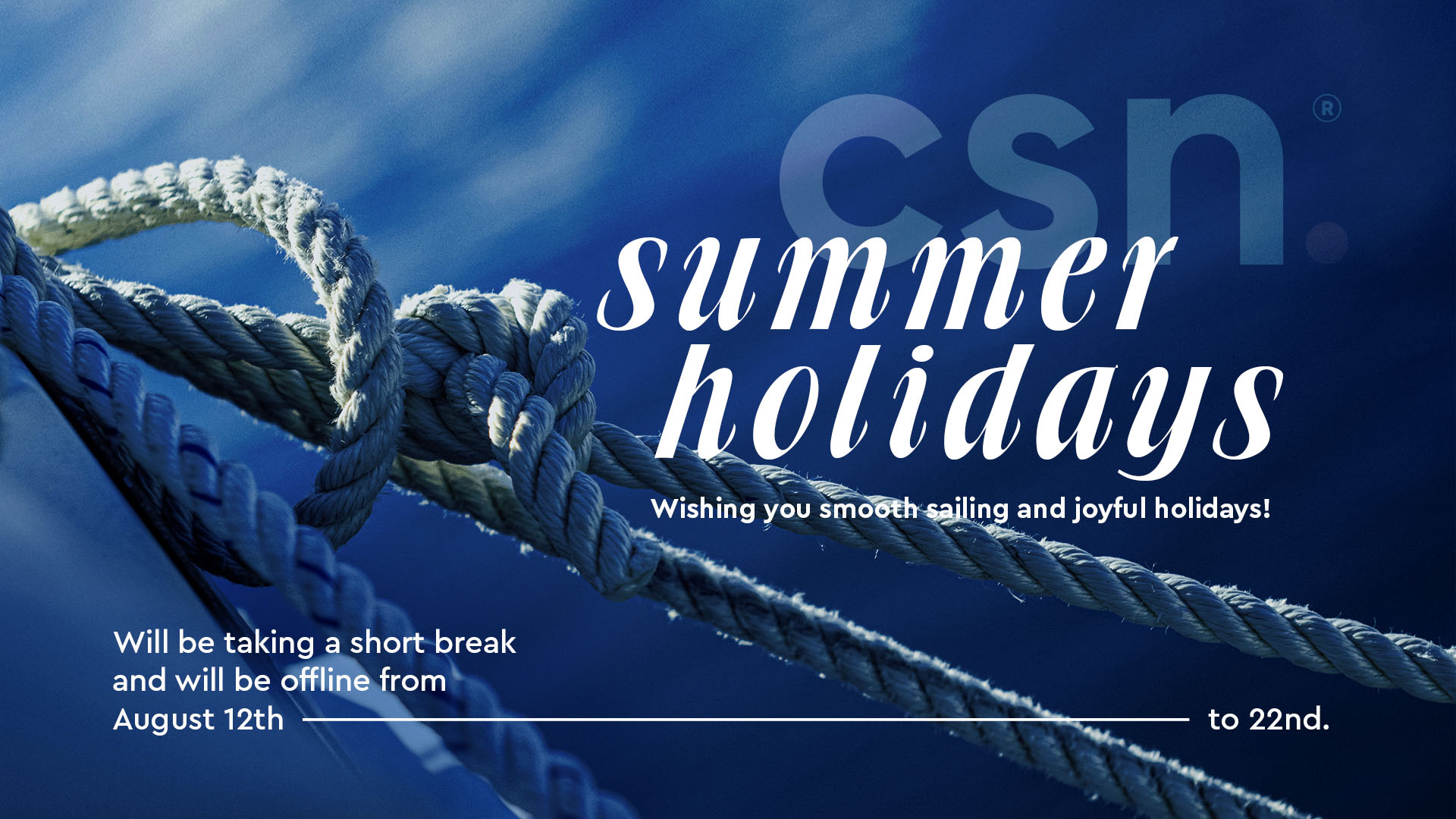
CSN Summer Holidays: 12 to 21 August 2026
Dear CSN Readers, Please note that the CSN office will be dropping anchor for a short summer break between the 12th and 21st of August 2026. During…
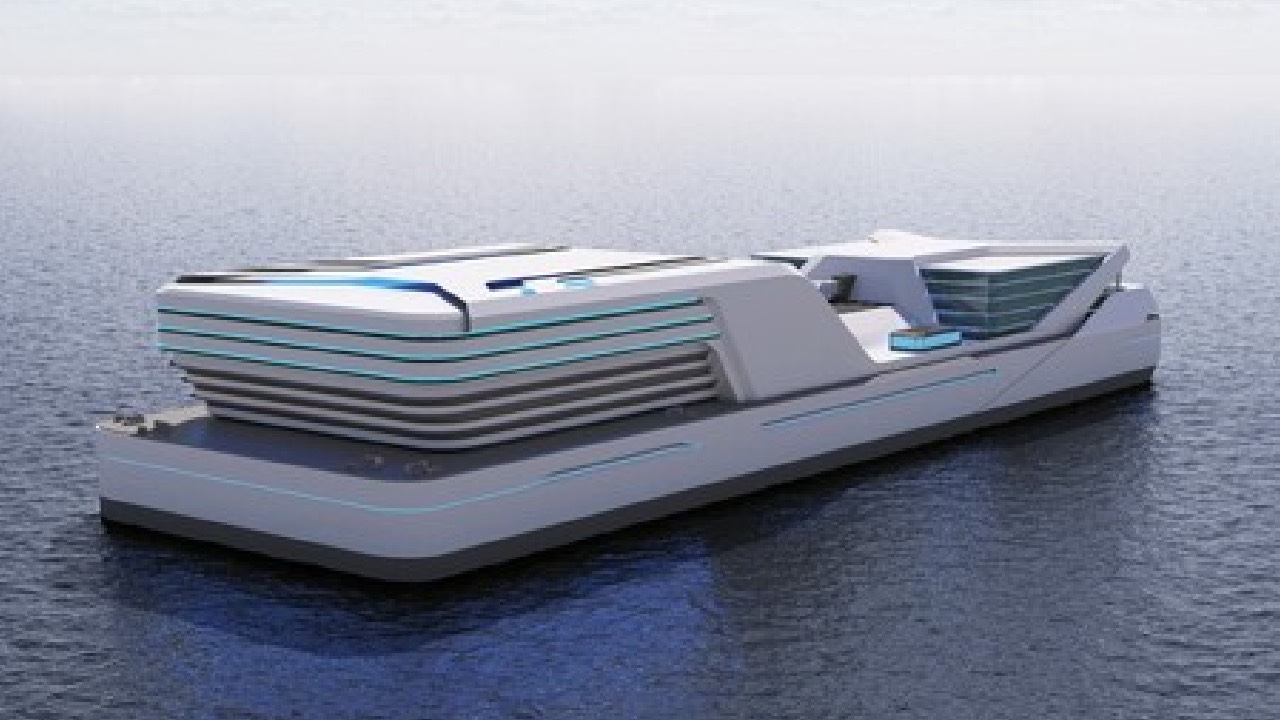
Floating Data Centers emerge as growth engine for shipbuilding industry
Samsung Heavy Industries and HD Hyundai are racing into sea-based AI infrastructure as land and power limits squeeze data center expansion As…
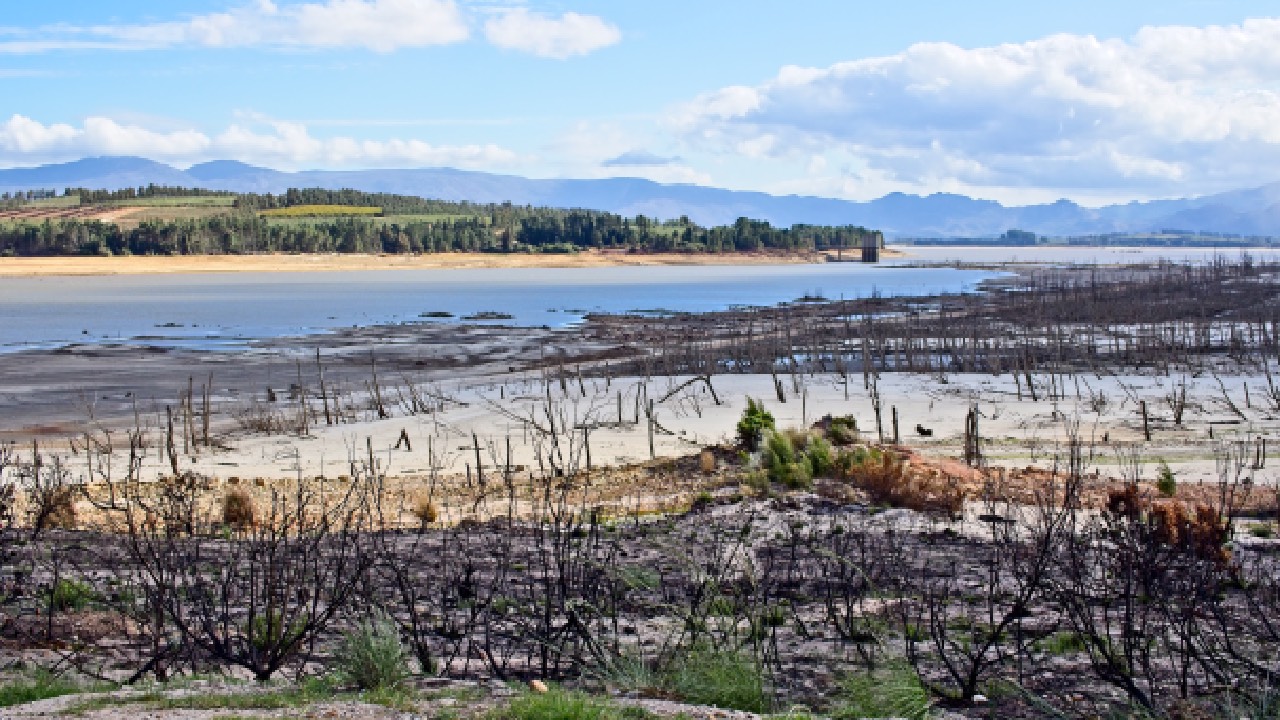
European drought snarls inland commodity flows, cuts power supplies
Rhine, Danube river levels hit record lows in key chokepoints Inland markets face squeeze on fuel, chemicals, metals and grains Power…

Oil producers buy tankers directly to navigate blocked routes
Oil-producing countries that have frequently experienced blockages in major Middle Eastern shipping routes, such as the Strait of Hormuz and the Red…

Diana Shipping announces Time Charter Contract for m/v Florida with NYK
Diana Shipping, a global shipping company specializing in the ownership and bareboat charter-in of dry bulk vessels, today announced that, through a…
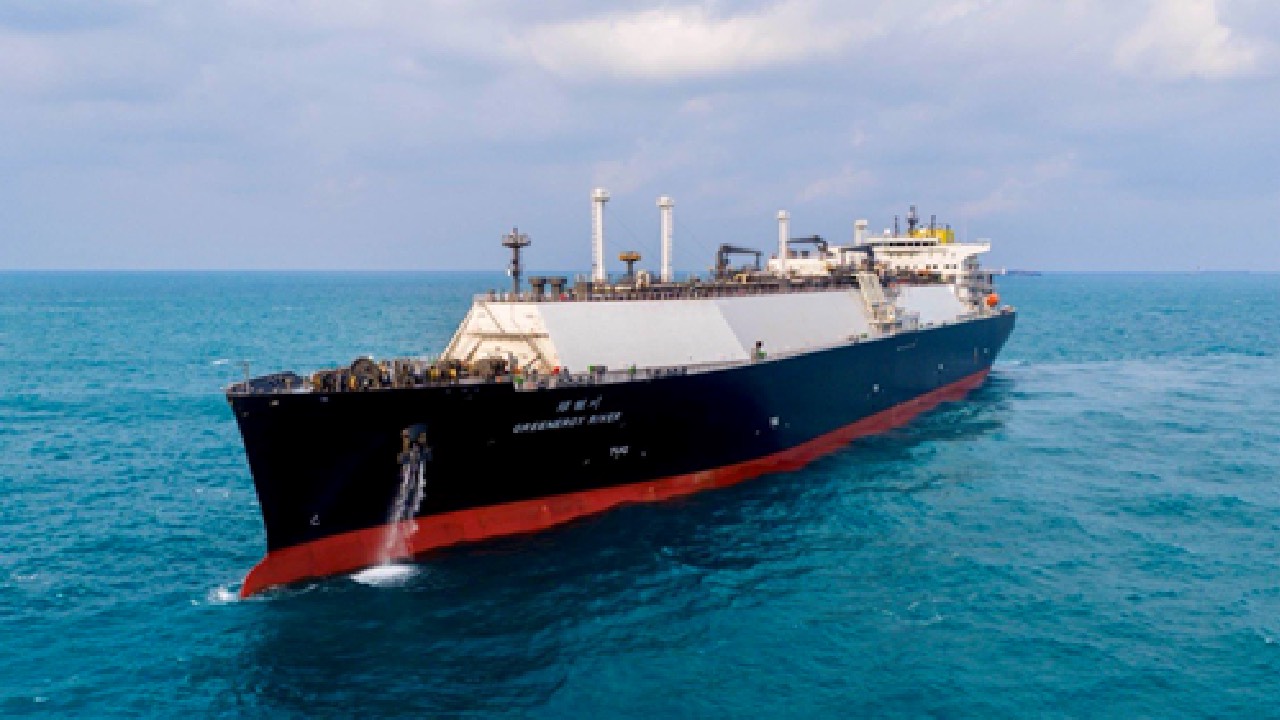
New LNG Carrier for CNOOC Group Named “GREENERGY RIVER”
On August 4, HUAJING LNG TRANSPORT PTE. LTD. (HLT), a joint venture company in which NYK participates, held a naming ceremony for a new…

Diana Shipping and Star Bulk Carriers announce mutual agreement to terminate vessel sale and purchase agreement
Diana's Offer to Acquire All Outstanding Shares of Genco Remains on the Table Termination of Agreement Has No Impact on Diana’s $1.411 Billion in…
Lloyd’s Register launches industry-first framework for digital 3D model approval
New Guidance Notes give shipyards and designers a practical route to use intelligent 3D models during class approval Lloyd’s Register (LR) has…

[xclusiv] S&P Report 10th August 2026
Please find below the [xclusiv] latest Weekly S&P Report, along with following opening market commentary [xclusiv] 2026_08_10 Market Commentary:…

Panama strengthens its global standing as ship registry earns ISO 9001:2015 recertification
In an industry where confidence is built on consistency, transparency, and operational performance, Panama has once again reinforced its position…
Subscribe to our newsletter!
if you dont want to swim alone in the ocean of news, sign up for the newsletter, and you will receive daily all the important news of world shipping!
