Consumer Comfort with AI for Severe Weather Monitoring Climbs to 51% in 2026, Insurity Survey Finds


New findings from the Insurity 2026 AI in Insurance Report show growing consumer openness to AI-driven risk monitoring as extreme weather events intensify
Insurity, a leading provider of cloud-based software and analytics for property and casualty insurers, today released new findings from its 2026 AI in Insurance Report examining consumer attitudes toward artificial intelligence (AI) in severe weather monitoring and catastrophe response.
The data suggests consumers are increasingly open to insurers using AI to help anticipate and respond to climate-related risks. According to the report, 51% of consumers say they would feel comfortable if their insurance provider used AI to monitor severe weather conditions and deliver real-time alerts about potential risks such as hailstorms, floods, or wildfires, up from 45% in 2025.
Beyond early warnings, many policyholders also see potential value in AI-driven claims support following major weather events. Forty-two percent of respondents say they believe AI could help insurers process claims more efficiently after severe weather events, an increase from 28% in 2025.
Confidence also appears to be significantly improving when AI is used to validate claims using objective data sources. In 2026, 51% of respondents say they would feel confident filing a severe weather-related claim if AI helped validate the loss using satellite imagery or weather data, compared to 38% who expressed confidence in 2025. The results point to growing consumer openness to AI when it is applied to catastrophe preparedness and recovery.
“Severe weather is one of the key areas where consumers immediately understand the value of AI in insurance,” said Jatin Atre, President of Insurity. “If technology can warn you earlier about a hailstorm, validate damage using satellite data, and accelerate the claims process after a catastrophe, that’s tangible value. The opportunity for insurers isn’t simply to automate catastrophe response. It’s to make risk visible earlier and recovery faster when events occur.”
For insurers, the results suggest that AI adoption tied directly to risk visibility and catastrophe response may be one of the most intuitive entry points for consumer acceptance. When AI helps predict risk, deliver faster alerts, and validate claims using objective data, policyholders are more likely to view the technology as a safeguard rather than a replacement for human expertise.
This survey was conducted online in February 2026, and more than 1,000 adult participants were randomly selected across the United States to ensure a representative sample. Respondents were asked a series of 18 questions, ranging from multiple-choice to scale-based, to gauge their opinions on AI in P&C insurance. Data analysis was performed to identify key patterns and insights.
Source: BUSINESS WIRE


Related News.

War Risks, Emerging Fuels and Personal Service: Alexandros Vourgos on Charting Aphentrica’s Next Chapter
In an era defined by global broker consolidation, volatile trading corridors and rapid regulatory transformation, the core value of specialist marine…

Iran lets Iraqi oil tankers pass Hormuz as Trump claims “total control”
Iran has granted permission for a number of Iraqi oil tankers to transit the Strait of Hormuz following repeated requests from Baghdad, state news…

Statement of the President of the Union of Greek Shipowners UGS, Melina Travlos, ahead of the next round of negotiations on maritime decarbonisation at the IMO London, 1-4/9/2026
“Climate change is a reality that we are experiencing with ever-increasing intensity. The growing frequency of extreme weather events makes the…
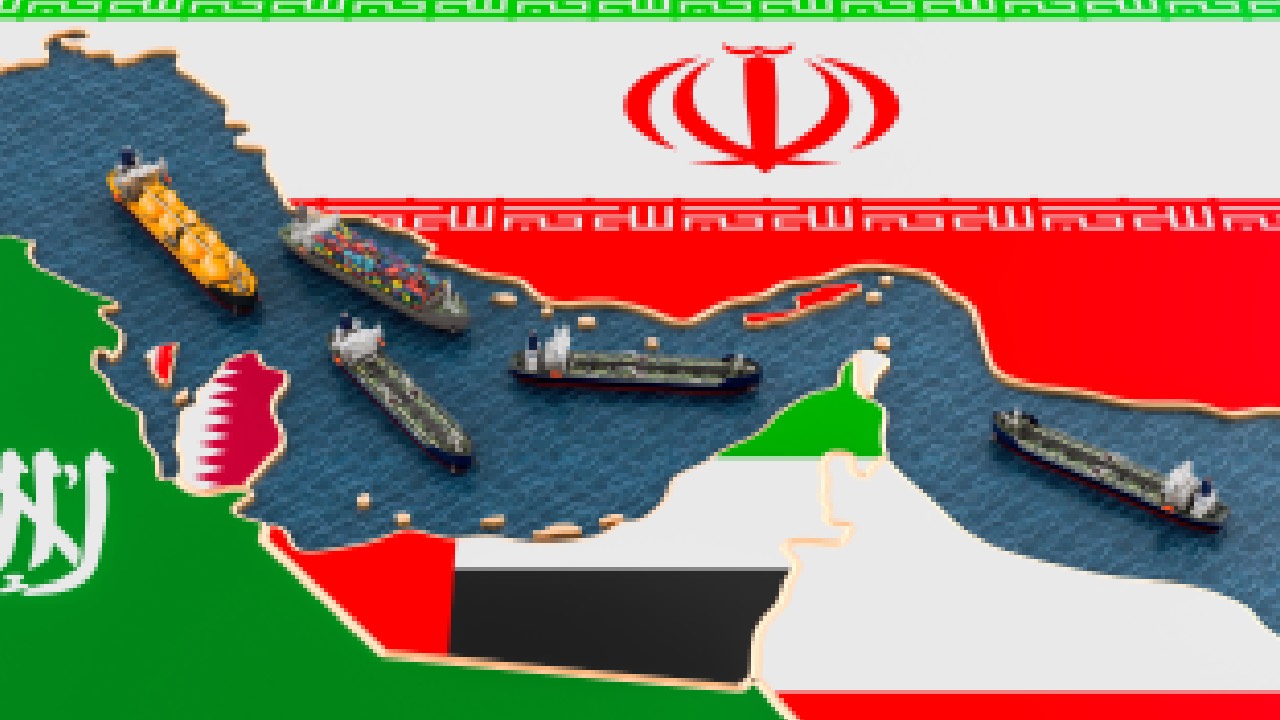
Strategic changes in a key crude oil shipping lane as unrest continues
Iran has granted special permits to some Iraqi oil tankers seeking to pass through the Strait of Hormuz. With passage through the Strait of Hormuz,…
Nuclear maritime investing: SMR stocks and LNG shipping in a shifting energy landscape
When one of America’s largest LNG export hubs formally endorses nuclear-powered shipping, it is not a press release — it is a policy signal that…
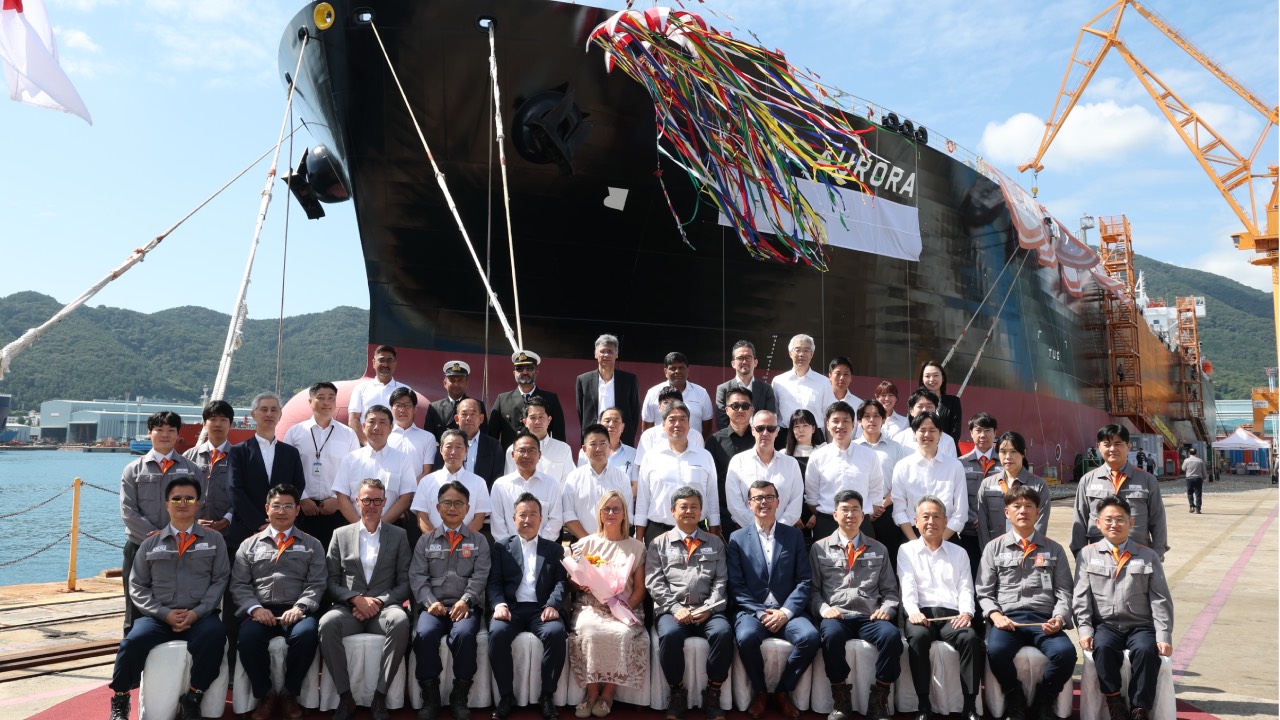
IIno Lines announced delivery of LPG-Dual-Fuel Ice-Class VLGC “LUMI AURORA”
IINO Kaiun Kaisha, Ltd announce that "LUMI AURORA," an LPG dual-fuel Ice Class Very Large Gas Carrier (VLGC, the "Vessel") was delivered at Hanwha…
IMO calls for urgent action as piracy resumes in the Gulf of Aden
IMO Secretary-General demands immediate and unconditional release of more than 90 seafarers held captive. IMO Secretary-General Mr. Arsenio…

Syria’s tanker trade: what the data shows
AXSMarine TradeFlows, load and discharge sides · Wet cargo only · January–July 2025 against January–July 2026 · Extract dated 17 August 2026.Barrels,…
Crowley, Port Houston connect Central America and the U.S. Gulf with new Weekly Shipping Service
Crowley, a global leader in logistics, marine and energy solutions, today announced a new weekly container service connecting Port Houston to Santo…

Asia-US container rates rise, tanker rates ex-USG steady; Panama Canal lowers draft limits
Rates for shipping containers from east Asia and China to the US were mostly higher, liquid chemical tanker rates ex-US Gulf were largely stable,…
Subscribe to our newsletter!
if you dont want to swim alone in the ocean of news, sign up for the newsletter, and you will receive daily all the important news of world shipping!
