Data Fatigue, Hard Truths, and the 300% Regulatory Surge: An exclusive interview with Akshay Yadava, Managing Director of Norse Ship Management
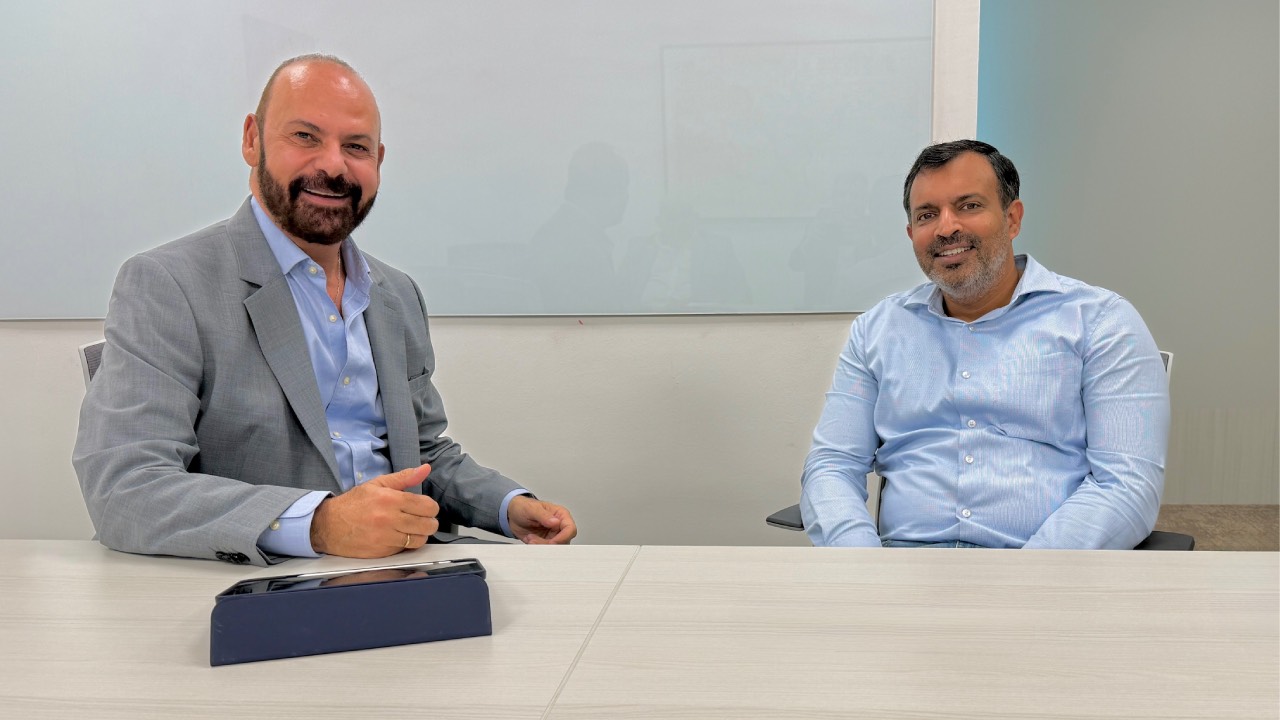

Having spent a good number of years watching the shipping industry evolve, I’ve seen firsthand how the sheer volume of regulations, data requirements, and environmental mandates has transformed the daily reality of ship management. It is no longer just about keeping the engines running and the hull sound; it is a complex juggling act of compliance, performance optimisation, and crew welfare.
Recently, I had the opportunity to catch up with Akshay, Managing Director of Norse Ship Management Pte. Ltd. Norse has been making steady strides as a bespoke ship manager, particularly having crossed a significant growth threshold in the current 2026 market. We discussed how a boutique firm handles an industry that demands more than ever before, without losing the core values of traditional seamanship.
Here is what he had to share.
You’ve previously mentioned that regulations increased by 300% between 2000 and 2023, yet management fees haven’t followed suit. How is Norse technically “doing more with less” to remain profitable without compromising safety?
The reality is that the superintendent’s role today is no longer limited to what he learned at sea. Whether someone came from a marine background or a technical one, the job now includes a large amount of regulatory follow-up, data handling, documentation, emissions-related reporting, and stakeholder communication that simply did not exist in the same way twenty years ago. Our answer is not to overload the superintendent and expect him to become an expert in every new requirement. Our answer is to protect his core skill set and support it properly.
At Norse, we try to keep our superintendents focused on the areas where their judgment matters most: vessel condition, safety, maintenance standards, crew support, operational risk, and practical decision-making. Around that, we use digital tools, structured workflows, and external specialist support where appropriate to deal with the heavier administrative and regulatory burden. In other words, we do not compromise safety by stretching one person across ten different disciplines. We remain efficient by making sure the right work is done at the right level, with the right support system behind it. That is how we do more with less, without pretending that fewer people can simply absorb unlimited complexity.
Norse has recently expanded its use of Smart Ship Hub for high-frequency data. What was the specific “pain point” in your daily shore-side operations that this automation finally solved?
The main pain point was not a lack of data. The industry already had data. The real problem was the amount of manual effort required to convert raw vessel inputs into something meaningful, timely, and usable for shore-based decisions. Too much superintendent time was being consumed by chasing, checking, validating, comparing, and circulating information rather than actually acting on it.
For us, the benefit of high-frequency data is that it reduces the gap between what is happening onboard and what the shore team can see with confidence. That means less time spent on manual compilation and less dependence on fragmented reporting. It allows the superintendent to spend more time on analysis and decision-making, which is where his real value lies. The pain point it solved was not just inefficiency, but distraction. It removed a layer of repetitive information handling that was pulling experienced people away from their real technical and operational responsibilities.
As a “bespoke” manager, you oversee a diverse mix of tankers, bulkers, and container ships. How do you prevent your technical team from becoming “jacks of all trades” and ensure they maintain the deep specialist knowledge required for each vessel type?
This is a very important point, because diversity can become a weakness if it is not managed properly. A superintendent cannot be expected to carry the same depth across every vessel type, every maker, every class issue, and every new regulation all at once. That is not realistic anymore.
At the same time, ship management remains a labour-intensive business, there are no two ways about it. As the scope of the role has expanded beyond what most of us originally learned at sea, the only practical way to maintain quality is to ensure adequate manning on the shore side. We have consciously increased our superintendent strength; on the technical side, we are working at roughly one superintendent to three vessels, and on the marine side around one to six vessels, supported by their respective technical and marine managers.
To balance this with commercial realities, we have also structured part of our organisation in more cost-effective locations such as India and the Philippines. This allows us to maintain depth and availability without compromising on cost discipline.
Our approach overall is to make sure that core responsibility remains clear and that vessel allocation is done in a disciplined way. We do not believe in making people generalists for the sake of flexibility. We believe in building depth, while still allowing enough exposure to broaden judgment over time. The superintendent must remain rooted in his core technical or marine strength. Where there are specialised requirements, we support that through internal collaboration and external expertise where needed. The model is not that one superintendent must know everything, but that he knows his vessel well, understands the real risks, and has the right support around him.
You’ve described the ship manager’s role in decarbonisation as a “consultant” rather than a primary decision-maker. What is the most common “hard truth” you find yourself having to tell owners about their older tonnage and CII ratings?
The most common hard truth is that there is no reporting solution, software platform, or operational workaround that can permanently offset a structural inefficiency in older tonnage. If the vessel is fundamentally less efficient by design, age, machinery condition, or inherent characteristics, then at some point that reality will reflect in its CII performance.
As managers, we can optimise routing, speed profiles, hull condition, engine performance, and overall operational discipline. However, there are also factors that sit outside the manager’s control. The trading pattern, for instance, is largely driven by commercial considerations and chartering decisions, as long as there are no overriding safety or security concerns.
A typical example is bulk carriers, where extended anchorage periods are quite normal for the trade. These waiting times, while commercially driven and often unavoidable, can have a negative impact on CII ratings. This is something we have to explain clearly to owners—that performance metrics are not always a pure reflection of technical or operational management, but also of how and where the vessel is being traded. Sometimes it comes down to operational limitations, retrofit decisions, or accepting that certain trading patterns will continue to weigh on performance.
With your background as a Master Mariner on tankers, how do you ensure that the “Digital First” push at Norse doesn’t lead to “Data Fatigue” for the officers currently serving on vessels?
This is something I feel strongly about, because there is a real danger in assuming that more data automatically means better ship management. From an onboard perspective, too many inputs, too many dashboards, and too many reporting expectations can create fatigue rather than clarity.
Our principle is that digitalisation should reduce burden, not transfer burden from shore to ship. The officer onboard should not feel that he is feeding systems for the sake of management comfort ashore. The purpose of digital tools must be to simplify reporting, improve visibility, and help crews focus on safe and efficient vessel operation. If a system creates more clerical work onboard without a clear operational benefit, then it is not helping.
We are careful that digital first does not become digital overload. The crew’s main job is still to operate the vessel safely, maintain standards, and respond to real conditions at sea. Technology must support that, not interrupt it.
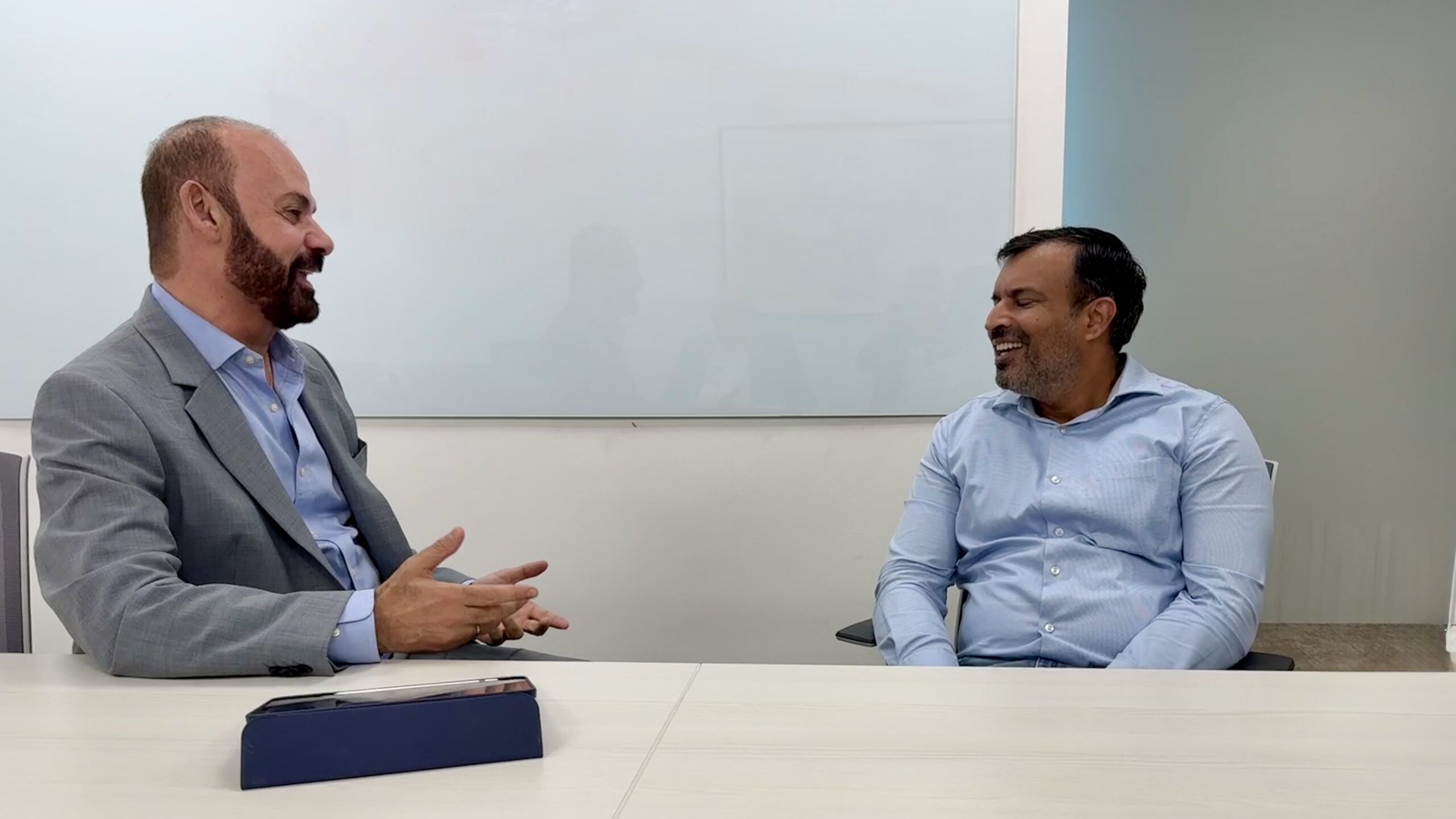
Norse has grown steadily since taking over its first ship in 2024. In the current 2026 market, what is the “ideal” fleet size for a boutique manager before the benefits of being “bespoke” start to be diluted by corporate bureaucracy?
There is no universal number, because it depends on vessel mix, owner expectations, internal systems, and the quality of people you have in place. But in principle, the ideal size for a boutique manager is the point at which you still know your ships well, know your owners well, and can make decisions quickly without creating unnecessary internal layers.
The risk in growth is not just size itself. The risk is when growth starts to create distance between the vessel, the superintendent, and the decision-maker. That is when bespoke service begins to turn into process-heavy administration. For us, growth only makes sense if it does not erode responsiveness, technical ownership, and accountability.
At the same time, despite strong support from our investors and shareholders, it remains a business at the end of the day. There is a minimum scale required to operate sustainably. In our experience, the break-even point sits at around ten ships, which we have now crossed. From here onwards, the focus is not on rapid expansion but on steady, disciplined growth with like-minded partners and clients who value the same approach.
You’ve noted that “big data” was a buzzword a decade ago that the industry didn’t know how to use. Now that we do know, what is the one predictive insight you are hunting for that would most radically change your maintenance costs?
The most valuable predictive insight would be early, reliable identification of performance drift before it becomes an off-hire event, a major repair, or a long chain of secondary damage. In simple terms, we are looking for the point where the vessel is starting to tell you that something is moving away from normal, before the traditional alarm point is reached.
That is where data becomes commercially meaningful. Not in creating more charts, but in helping the superintendent intervene at the right time. If we can predict deterioration in machinery health, hull or propulsion efficiency, or equipment performance early enough, then maintenance becomes more planned, less reactive, and less expensive. The real breakthrough is not just predicting failure. It is predicting the right moment to act before failure, disruption, and cost multiply.
Given the lack of clarity around future fuels, you’ve suggested owners “rediscover” legacy technologies like Flettner rotors or air lubrication. Have you seen a genuine shift in owner mindset toward these “mechanical” solutions over the last 12 months?
Yes, I think there has been a noticeable shift, although I would still describe it as cautious rather than fully committed. Over the last twelve months, more owners have become willing to seriously consider practical, mechanical, efficiency-led solutions that can be applied to existing tonnage without requiring them to take an early and potentially irreversible position on future fuels.
That shift is largely driven by uncertainty. Many owners are understandably hesitant to commit heavily to a specific fuel pathway when the infrastructure, long-term economics, and regulatory direction are still evolving. In that context, technologies such as air lubrication, wind-assist systems, and other efficiency improvements are seen as pragmatic steps that deliver immediate gains while preserving flexibility.
However, there is also another reality at play. A significant amount of pressure is coming from banks and leasing houses, who increasingly want to see a “green” element in the assets they finance. This means that, in some cases, owners may feel compelled to adopt solutions or pathways that align with financing expectations, even if they are not entirely convinced of their long-term practicality or effectiveness. So while the mindset is shifting, it is a balance between what is operationally sensible and what is commercially or financially necessary in today’s environment.
Many thanks to Akshay and the team at Norse Ship Management for taking the time to share their insights with Cyprus Shipping News.


Related News.

CSN Summer Holidays: 12 to 21 August 2026
Dear CSN Readers, Please note that the CSN office will be dropping anchor for a short summer break between the 12th and 21st of August 2026. During…

Floating Data Centers emerge as growth engine for shipbuilding industry
Samsung Heavy Industries and HD Hyundai are racing into sea-based AI infrastructure as land and power limits squeeze data center expansion As…
European drought snarls inland commodity flows, cuts power supplies
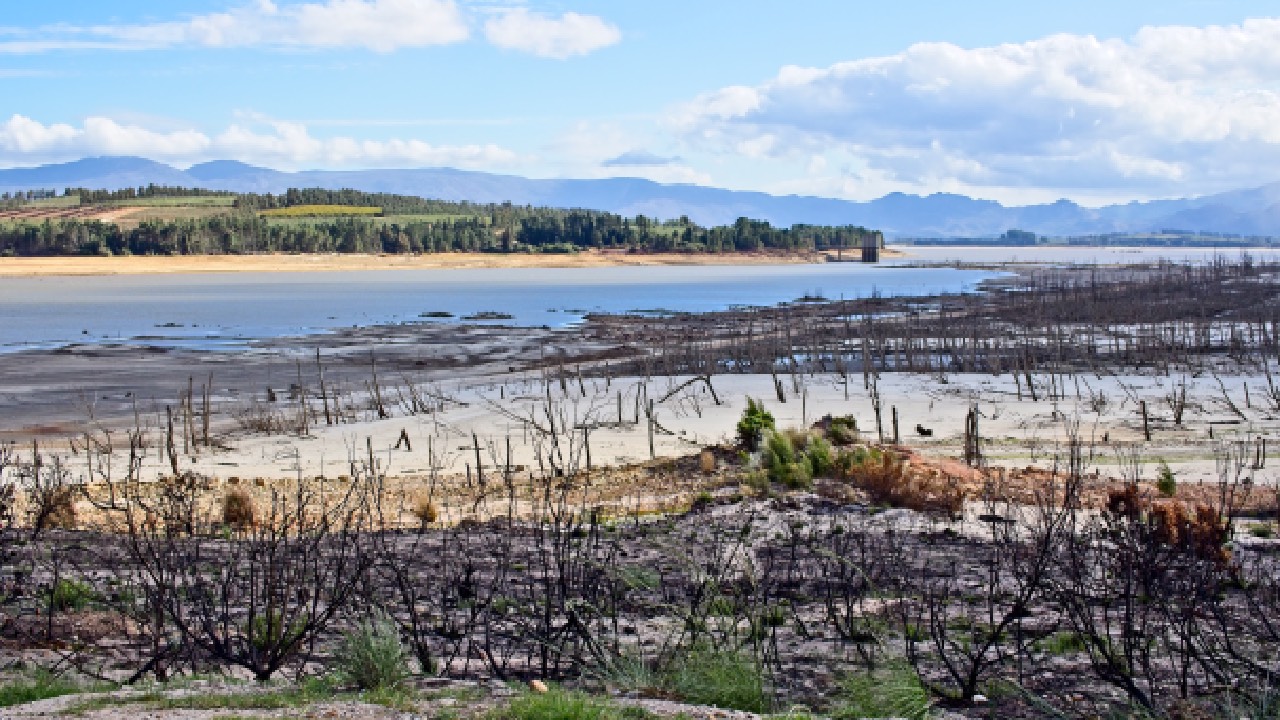
Rhine, Danube river levels hit record lows in key chokepoints Inland markets face squeeze on fuel, chemicals, metals and grains Power…

Oil producers buy tankers directly to navigate blocked routes
Oil-producing countries that have frequently experienced blockages in major Middle Eastern shipping routes, such as the Strait of Hormuz and the Red…

Diana Shipping announces Time Charter Contract for m/v Florida with NYK
Diana Shipping, a global shipping company specializing in the ownership and bareboat charter-in of dry bulk vessels, today announced that, through a…
New LNG Carrier for CNOOC Group Named “GREENERGY RIVER”
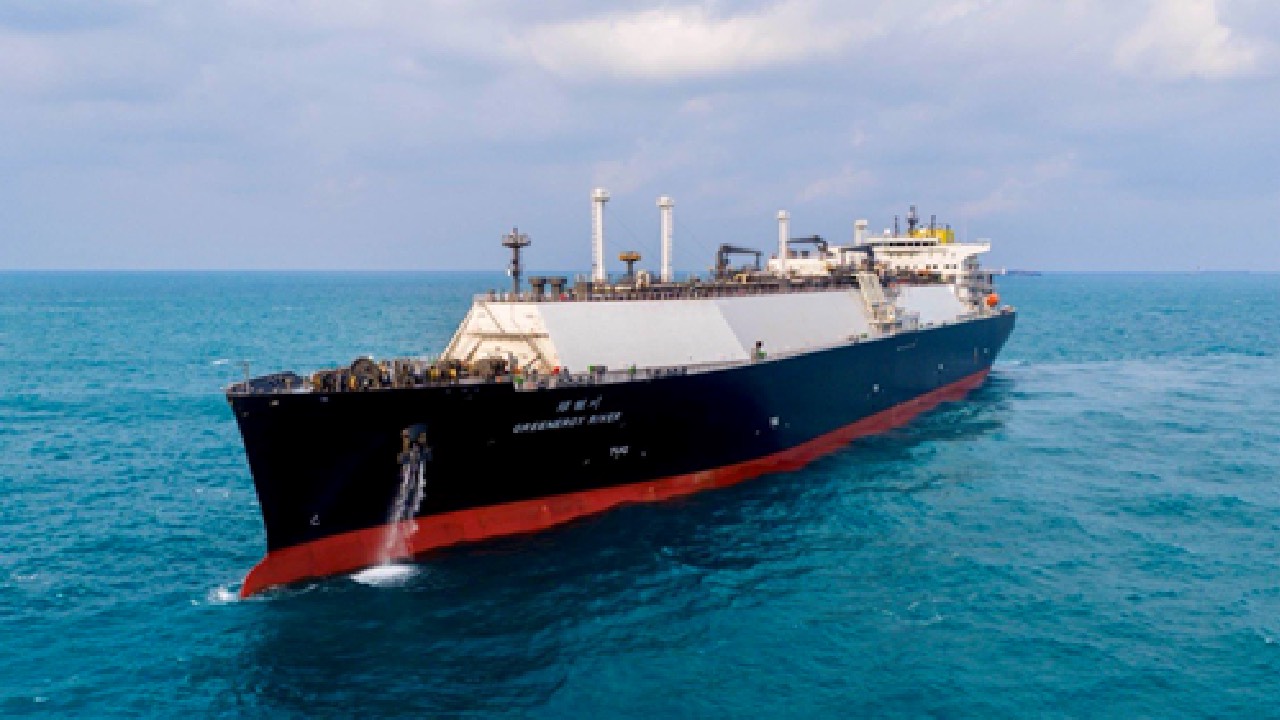
On August 4, HUAJING LNG TRANSPORT PTE. LTD. (HLT), a joint venture company in which NYK participates, held a naming ceremony for a new…

Diana Shipping and Star Bulk Carriers announce mutual agreement to terminate vessel sale and purchase agreement
Diana's Offer to Acquire All Outstanding Shares of Genco Remains on the Table Termination of Agreement Has No Impact on Diana’s $1.411 Billion in…

Lloyd’s Register launches industry-first framework for digital 3D model approval
New Guidance Notes give shipyards and designers a practical route to use intelligent 3D models during class approval Lloyd’s Register (LR) has…

[xclusiv] S&P Report 10th August 2026
Please find below the [xclusiv] latest Weekly S&P Report, along with following opening market commentary [xclusiv] 2026_08_10 Market Commentary:…

Panama strengthens its global standing as ship registry earns ISO 9001:2015 recertification
In an industry where confidence is built on consistency, transparency, and operational performance, Panama has once again reinforced its position…
Subscribe to our newsletter!
if you dont want to swim alone in the ocean of news, sign up for the newsletter, and you will receive daily all the important news of world shipping!
