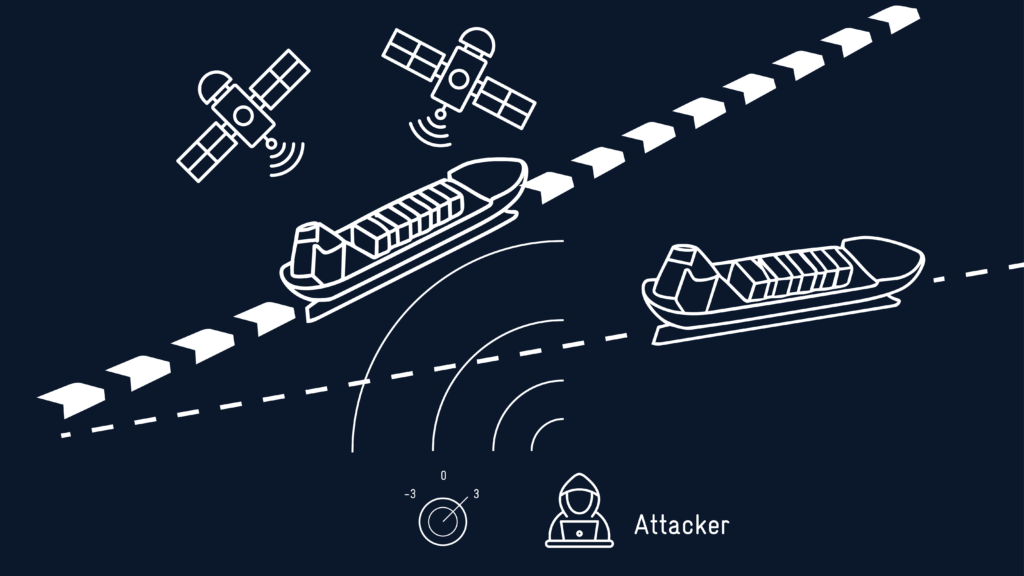
Why AI Vision is the next line of defence against GNSS Jamming
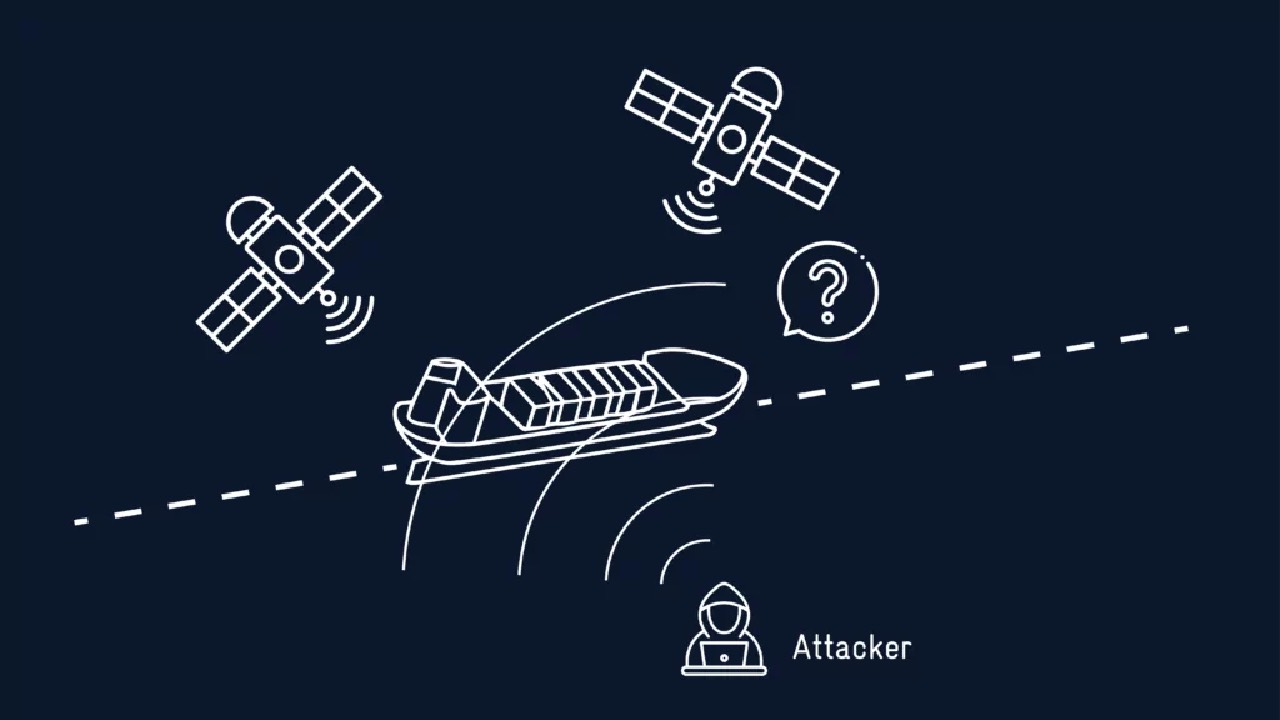
When “Where” Becomes Uncertain
In 2025, maritime operators faced an unprecedented rise in GNSS jamming and spoofing. What was once an occasional nuisance transformed into a persistent, global challenge. Thousands of vessels reported false positions, AIS jumps, and navigation anomalies. These disruptions directly affected trade, enforcement, and safety.
This is no longer a technical problem; it’s an operational one. When satellite data can’t be trusted, crews lose confidence in their instruments. Situational awareness collapses. Decision-making slows down at the exact moment it needs to accelerate.
At SEA.AI, we believe the solution begins with restoring trust in what can be seen. Our AI-powered vision systems reinforce safety. They give crews independent visual awareness that works even when GPS cannot be trusted.
From Positioning to Perception
Traditional navigation depends on electronic systems. Range, reflections, or interference can limit these systems. AI-powered vision shifts the focus from where a vessel appears to be to what actually surrounds it.
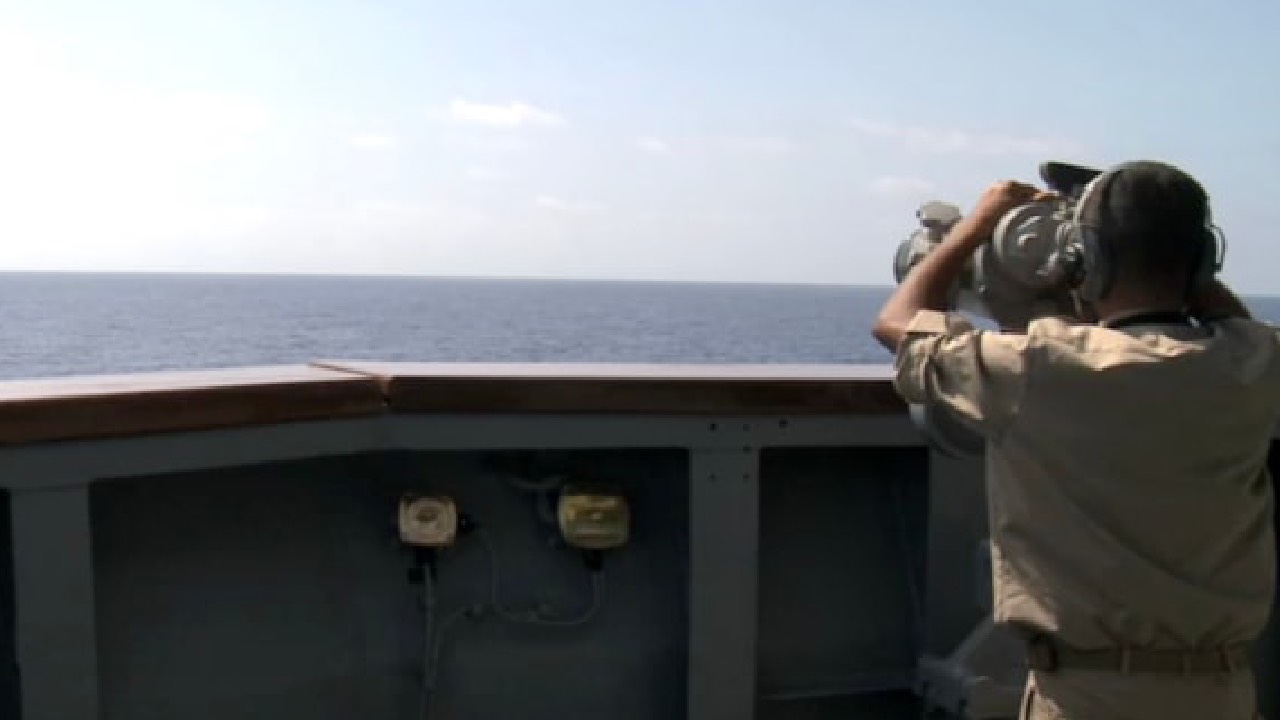
Our technology combines RGB and thermal cameras with deep-learning algorithms. It continuously scans the sea surface, identifies floating objects, and tracks potential hazards. It works even in low light or reduced visibility.
Whether it’s a drifting container, an unlit vessel, or a person overboard, our systems detect what radar or GNSS-based sensors can’t. They turn pixels into perception. They turn uncertainty into awareness.
When GNSS jamming clouds the data, this visual intelligence remains steady. It’s an extra set of vigilant eyes, always watching, always learning.
The Growing Need for Independent Awareness
GNSS interference introduces systemic risk to maritime operations, from route planning to port entry. Many onboard navigation and collision-avoidance systems rely heavily on GNSS data. They use it to calculate position, speed, and course. These functions fail or degrade significantly when the signal is disrupted. False signals can trigger compliance alerts, delay enforcement actions, or mislead captains navigating busy waterways.
Some systems simply cannot operate without GNSS. This puts entire voyages at risk when interference occurs. Without a trustworthy signal, the vessel may lose its calculated position. This triggers equipment malfunctions or inaccurate hazard detection.
Recent analyses across the maritime industry show that GNSS jamming has spread across dozens of regions. It often overlaps with deceptive shipping practices. This evolution reinforces what we’ve known for years: true resilience means independence from signal-based systems.
When Interference Isn’t Accidental
One of the most common questions from crews and operators is: “Who would want to interfere with my GPS signal?”
The answer is: anyone with bad intentions.
From smuggling networks and illegal fishing vessels to cybercriminals and geopolitical actors, the ability to disrupt or fake location data has strategic value. By jamming or spoofing GNSS signals, malicious actors can create confusion, hide vessel activity, or even lure other ships into hazardous conditions.
That’s why having an independent, visual-based awareness system like Watchkeeper is no longer just a nice-to-have—it’s a critical tool for staying alert in high-risk regions.
Artificial vision systems don’t rely on external signals. They process what’s visually in front of the vessel, helping prevent dangerous situations and allowing crews to respond to what’s really there—not what a screen says should be there.
AI Vision as a Force Multiplier
Machine vision doesn’t replace navigation systems—it strengthens them. By correlating what is seen with what is reported, our technology acts as an independent validation layer.
When GNSS data suddenly shifts a vessel’s position inland or across continents, our system still sees the sea ahead. When radar misses small or non-metallic targets, our cameras identify and classify them in real time.
This is multi-sensor reliability in action: combining vision, intelligence, and connectivity to maintain confidence, even in deception-rich environments.

From Detection to Decision
In the future, awareness alone won’t be enough. The maritime sector will need systems that don’t just detect anomalies—but understand them.
That is why we are focusing on advancing sensor fusion. By combining data from radar, AIS, and SEA.AI’s visual detection systems, we can provide a clearer and more reliable picture of the surroundings. When these sources work together, crews gain stronger situational awareness that helps prevent collisions, avoid close-quarter risks, and make better decisions in challenging conditions. It is not just about adding more sensors but about unifying their insights so navigation becomes safer, calmer, and more informed.
As GNSS spoofing, electronic interference, and data manipulation continue to rise, we see AI vision as a cornerstone of maritime resilience—a system that doesn’t just follow the signal but verifies it.
The Way Forward
2025 has shown that GNSS jamming is no longer a side issue, but a mainstream operational threat. But it has also revealed an opportunity: to redefine what awareness means at sea.
Our mission has always been clear: help save lives at sea through artificial intelligence.That means giving every captain, fleet manager, and operator the confidence to act, even when the data around them can’t be trusted.
In a world where signals can be faked, seeing clearly is no longer optional, it’s essential.
Source: Sea.ai https://www.sea.ai/gnss-jamming-ai-vision-enhances-safety/
Related News.
August 26, 2026
War Risks, Emerging Fuels and Personal Service: Alexandros Vourgos on Charting Aphentrica’s Next Chapter
In an era defined by global broker consolidation, volatile trading corridors and rapid regulatory transformation, the core value of specialist marine…
August 26, 2026
Iran lets Iraqi oil tankers pass Hormuz as Trump claims “total control”
Iran has granted permission for a number of Iraqi oil tankers to transit the Strait of Hormuz following repeated requests from Baghdad, state news…

August 26, 2026
Statement of the President of the Union of Greek Shipowners UGS, Melina Travlos, ahead of the next round of negotiations on maritime decarbonisation at the IMO London, 1-4/9/2026
“Climate change is a reality that we are experiencing with ever-increasing intensity. The growing frequency of extreme weather events makes the…
August 26, 2026
Strategic changes in a key crude oil shipping lane as unrest continues
Iran has granted special permits to some Iraqi oil tankers seeking to pass through the Strait of Hormuz. With passage through the Strait of Hormuz,…
August 26, 2026
Nuclear maritime investing: SMR stocks and LNG shipping in a shifting energy landscape
When one of America’s largest LNG export hubs formally endorses nuclear-powered shipping, it is not a press release — it is a policy signal that…

August 26, 2026
IIno Lines announced delivery of LPG-Dual-Fuel Ice-Class VLGC “LUMI AURORA”
IINO Kaiun Kaisha, Ltd announce that "LUMI AURORA," an LPG dual-fuel Ice Class Very Large Gas Carrier (VLGC, the "Vessel") was delivered at Hanwha…
August 26, 2026
IMO calls for urgent action as piracy resumes in the Gulf of Aden
IMO Secretary-General demands immediate and unconditional release of more than 90 seafarers held captive. IMO Secretary-General Mr. Arsenio…
August 26, 2026
Syria’s tanker trade: what the data shows
AXSMarine TradeFlows, load and discharge sides · Wet cargo only · January–July 2025 against January–July 2026 · Extract dated 17 August 2026.Barrels,…
August 26, 2026
Crowley, Port Houston connect Central America and the U.S. Gulf with new Weekly Shipping Service
Crowley, a global leader in logistics, marine and energy solutions, today announced a new weekly container service connecting Port Houston to Santo…
August 26, 2026
Asia-US container rates rise, tanker rates ex-USG steady; Panama Canal lowers draft limits
Rates for shipping containers from east Asia and China to the US were mostly higher, liquid chemical tanker rates ex-US Gulf were largely stable,…
Subscribe to our newsletter!
if you dont want to swim alone in the ocean of news, sign up for the newsletter, and you will receive daily all the important news of world shipping!
Design & Development by P.KAN.DESIGNER
© 2026 Cyprus Shipping News. All rights reserved
Design & Development by P.KAN.DESIGNER
© 2026 Cyprus Shipping News. All rights reserved