AI in shipping and the vital data foundations


Artificial Intelligence is already driving huge changes across the world and is starting to have an impact on the maritime industry, but its transformative potential depends on addressing fundamental challenges first. While AI promises increased efficiency, intelligent automation, and decision support, its adoption in shipping software requires a strong foundation of well-structured and engineered data, a shift in digital mentality, and a realistic approach to evaluating solutions.
As global shipping navigates regulatory change, supply chain disruptions, and sustainability pressures, we must retain some realism, whilst moving quickly to take advantage of these opportunities as they present themselves.
Commercial operations and chartering
AI-driven analytics can process vast amounts of data – market trends, weather conditions, port congestion, and fuel prices – to optimise voyage planning and chartering decisions, while predictive modelling can help ship operators select the most profitable voyages while minimising risks. There isno shortage of solutions entering the market in this space (for many more purposes than those mentioned) however, without well-structured data and a clear understanding of AI’s predictive capabilities, its effectiveness may be limited. If we look at other industries, “AI Powered” solutions are often sold as a black box, with some far-reaching claims around efficiency and effectiveness. We should be wary of this in maritime, and as suppliers of technology should be very transparent on how our solutions work, what data we use to model with and how those models make their predictions.
Fleet Management: Procurement, technical, and safety
There are significant and obvious savings and improvements to be made across the Fleet Management space, if data quality and digital adoption challenges are addressed:
-
Procurement and inventory management: AI is well placed to help forecast spare part demand based on historical usage patterns, vessel-specific needs, and market conditions, reducing procurement costs and minimising stockouts or overstocking. Additionally Agentic AI may play a role in automating the ordering of these spare parts. However, ensuring that inventory and consumption data is structured correctly is essential for reliable predictions – a major part of this is working with the crew to ensure that software is being used correctly, and gathering the required data.
-
Predictive maintenance: Driven by sensor data, there has been much activity in this space – however, for much of shipping, retrofitting vessels with numerous and often expensive sensors remains a barrier. There is opportunity here for machine learning to derive greater value that we currently do from the thousands of maintenance and breakdown records we gather.
-
Safety and compliance: AI-driven insight and analysis can help us gain intelligence that may otherwise have been missed. However, human oversight is still crucial to help derive that operational intelligence. There are opportunities for solutions that automate, assist and give feedback to crews in real time in this space – helping the humans in control of vessels do their jobs safely.
Challenges and considerations
While AI presents huge opportunities, the maritime industry must first address underlying challenges such as data standardisation, cybersecurity risks, and the need for skilled personnel to manage AI-driven systems. More importantly, the industry must fully embrace digital transformation – not just AI solutions – by investing in high-quality data infrastructure and cultural shifts toward digitisation. Overpromising AI’s capabilities without resolving these foundational challenges may lead to suboptimal implementations and rejection of further new developments because of this.
The future of AI in maritime software
AI is not just an enhancement to existing shipping software – it has the potential to redefine how the maritime industry operates. To change workflows, operational processes and drive a step change in the efficiency of shipping companies in all areas. However, the success of AI depends on the industry’s ability to manage data effectively, shift its mindset toward digital transformation, and critically evaluate AI solutions. While AI will undoubtedly have a role to play in the evolution of the next generation of maritime software, early adopters must take a measured approach, ensuring that AI solutions are truly effective rather than just following industry hype. A cautious but forward-thinking strategy will help shape the future of smart shipping.


Related News.

CSN Summer Holidays: 12 to 21 August 2026
Dear CSN Readers, Please note that the CSN office will be dropping anchor for a short summer break between the 12th and 21st of August 2026. During…

Floating Data Centers emerge as growth engine for shipbuilding industry
Samsung Heavy Industries and HD Hyundai are racing into sea-based AI infrastructure as land and power limits squeeze data center expansion As…

European drought snarls inland commodity flows, cuts power supplies
Rhine, Danube river levels hit record lows in key chokepoints Inland markets face squeeze on fuel, chemicals, metals and grains Power…

Oil producers buy tankers directly to navigate blocked routes
Oil-producing countries that have frequently experienced blockages in major Middle Eastern shipping routes, such as the Strait of Hormuz and the Red…

Diana Shipping announces Time Charter Contract for m/v Florida with NYK
Diana Shipping, a global shipping company specializing in the ownership and bareboat charter-in of dry bulk vessels, today announced that, through a…
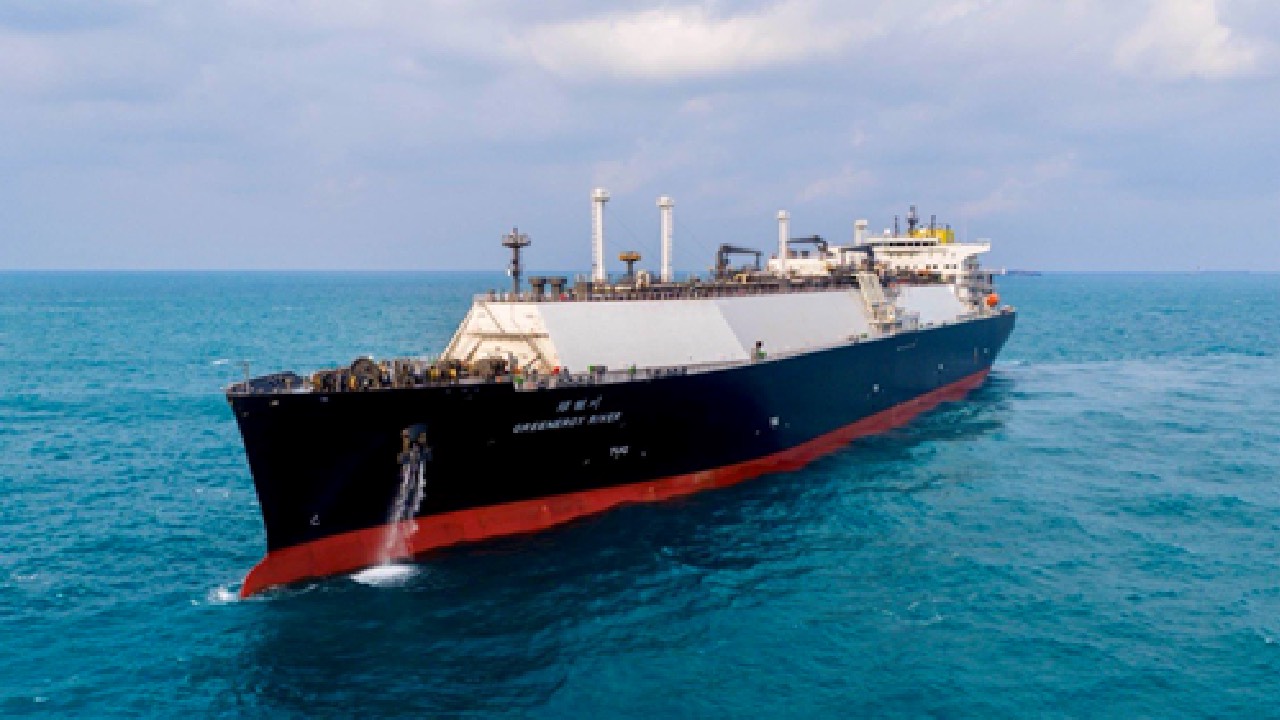
New LNG Carrier for CNOOC Group Named “GREENERGY RIVER”
On August 4, HUAJING LNG TRANSPORT PTE. LTD. (HLT), a joint venture company in which NYK participates, held a naming ceremony for a new…

Diana Shipping and Star Bulk Carriers announce mutual agreement to terminate vessel sale and purchase agreement
Diana's Offer to Acquire All Outstanding Shares of Genco Remains on the Table Termination of Agreement Has No Impact on Diana’s $1.411 Billion in…

Lloyd’s Register launches industry-first framework for digital 3D model approval
New Guidance Notes give shipyards and designers a practical route to use intelligent 3D models during class approval Lloyd’s Register (LR) has…

[xclusiv] S&P Report 10th August 2026
Please find below the [xclusiv] latest Weekly S&P Report, along with following opening market commentary [xclusiv] 2026_08_10 Market Commentary:…

Panama strengthens its global standing as ship registry earns ISO 9001:2015 recertification
In an industry where confidence is built on consistency, transparency, and operational performance, Panama has once again reinforced its position…
Subscribe to our newsletter!
if you dont want to swim alone in the ocean of news, sign up for the newsletter, and you will receive daily all the important news of world shipping!
