FEPORT welcomes the Military Mobility Package as the first building block of EU Ports’ Competitiveness

During their General Assembly meeting held in Brussels on December 4th, 2025, FEPORT members discussed the topic of the EU Maritime Industrial and Ports Strategies in presence of their guest Ms Fotini Iouannidou, Director of Waterborne at DG MOVE.
The exchanges were a good opportunity to underline the need to adopt strategies that are consistent with each other and which tackle both the resilience and the competitiveness of the maritime sector at large.
FEPORT members reiterated their warm support to the adoption of the EU Military Mobility Package and the new Military Mobility Regulation as both elements constitute a coherent framework to strengthen not only Europe’s ability to move military assets quickly and reliably across borders. The Military Mobility Regulation constitutes a first strategic building block for the future EU Ports’ resilience and competitiveness.
The strength of the Regulation is also that it looks to the entire transport chain, from roads and rail to airports, inland waterways and logistics platforms, and explicitly recognises seaports and inland ports as critical nodes within this broader network.
The formal recognition of private port companies and terminals as indispensable enablers of military mobility and trusted partners in the implementation of Europe’s defence and security objectives is an important step that FEPORT members hope to also see reflected in other upcoming EU Commission’s initiatives.
The Military Mobility Package acknowledges that ports as a whole are not only gateways for trade, but also logistical enablers that allow the rapid movement of heavy equipment, abnormal loads and strategic cargo, including along, but not limited to, the four key priority corridors with 500 identified dual use hotspot projects needing urgent investments. It highlights the need to prepare and modernise port infrastructure, to ensure resilient connections with the hinterland and to integrate ports into coordinated planning and governance structures at national and EU level.
The financial dimension is equally important. The new CEF Transport envelope, including a dedicated Military Mobility allocation of 17.65 billion euro, represents a major step forward and confirms that the Union is ready to support dual use investments across all modes. However, EU funding alone will not be sufficient to cover the full scale of investment needed to adapt quays, pavements, ramps, storage areas and digital systems to military specifications while maintaining smooth commercial operations.
“As mentioned in FEPORT’s position paper, many of these adaptations will bring limited direct commercial return, even though they are indispensable for defence and civil protection. Reinforcing quay walls to carry much heavier loads, creating secure zones that must remain available at short notice, upgrade of cargo handling equipment or integrating additional redundancy and cyber resilience are examples of costs that cannot be recovered through normal market mechanisms. This is why national support measures will remain essential, alongside EU funds, if dual use objectives are to be achieved in practice and such market failures addressed” underlined FEPORT President, Mr Gunther Bonz.
“In this context, a dedicated EU State Aid Framework for Ports would not replace CEF but would complement it. Such a framework would give Member States a clear and predictable channel to support dual use investments in port infrastructure and superstructure, within a common European legal architecture. It would help bridge the gap between what CEF can co-finance and what still needs to be covered at national level, while avoiding fragmentation through uncoordinated schemes and preserving a level playing field between ports across the Union and still having a positive spillover effect into the efficiency of civilian purposed connectivity. We look forward to continuing our dialogue with NATO, the EU Commission and Member States on this topic” added Mr Bonz.
FEPORT General Assembly meeting also offered the opportunity to welcome a new associate member within the FEPORT community: Moffatt and Nichol, a global infrastructure advisory firm providing practical solutions to clients in the marine terminal, transportation, energy, environmental, federal, and urban development markets around the world.
“We are glad to welcome Moffatt and Nicol as the company excels in terms of expertise regarding the port sector and we believe that their insights regarding the situation of EU ports compared to those in other regions will be very useful in the framework of the ongoing discussions on the future EU strategies” said Mr Gunther Bonz, President of FEPORT
“As we work collaboratively to drive the sustainable growth of private ports and terminals across Europe, Moffatt & Nichol is honoured to join FEPORT. Through our experience and technical insight, we look forward to contributing to FEPORT’s work to shape discussions and policies that impact the sector, advancing the collective interest of the members.” added Mr Christian Blauert, Vice President and Global Director – Port and Terminal Development at Moffat and Nichol.



Related News.

Cyprus Marine Club Welcomes a Full House for Aphentrica’s War Risks Presentation
The Cyprus Marine Club marked its return after the summer break with a full house at Gazebo Mare on Tuesday, 22 September, bringing together members,…

IMO seeks feedback on Maritime Single Window implementation
The International Maritime Organization (IMO) has launched a global survey to assess the implementation and use of Maritime Single Windows (MSWs),…

World Maritime Day industry panel to examine the gap between maritime policy and the reality of life at sea
OneCare Group will bring together crewing, safety, insurance and wellbeing specialists for a World Maritime Day webinar examining how shipping can…

IUMI President – Marine insurers are war insurers
Marine insurers are at the heart of managing war risks to global shipping and must continue to develop the tools needed to support and facilitate…
Seafarer welfare is improving amongst leading companies, but five years of evidence shows this progress is far from the norm
Five years on, the Seafarers’ Rights Code of Conduct is driving more than 1,000 companies to participate in RightShip’s Crew Welfare…

The UK ETS arrives for shipping what it means for charterers
Introduction The UK Emissions Trading Scheme (UK ETS) was extended to domestic maritime activity on 1 July 2026, following the EU ETS, FuelEU…
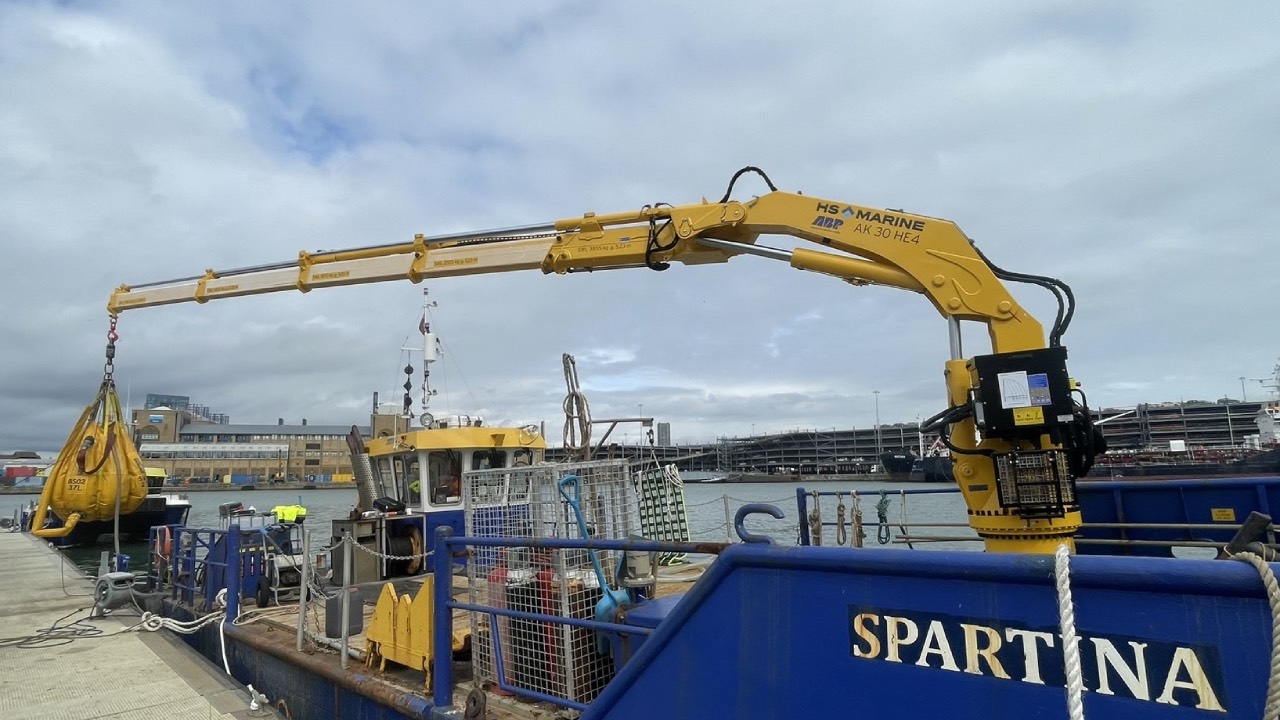
ABP Southampton invests locally with Marine Cranes to boost capability
Associated British Ports , the UK’s largest port operator, has invested a new marine deck crane aboard Spartina, one of the Port of Southampton’s…
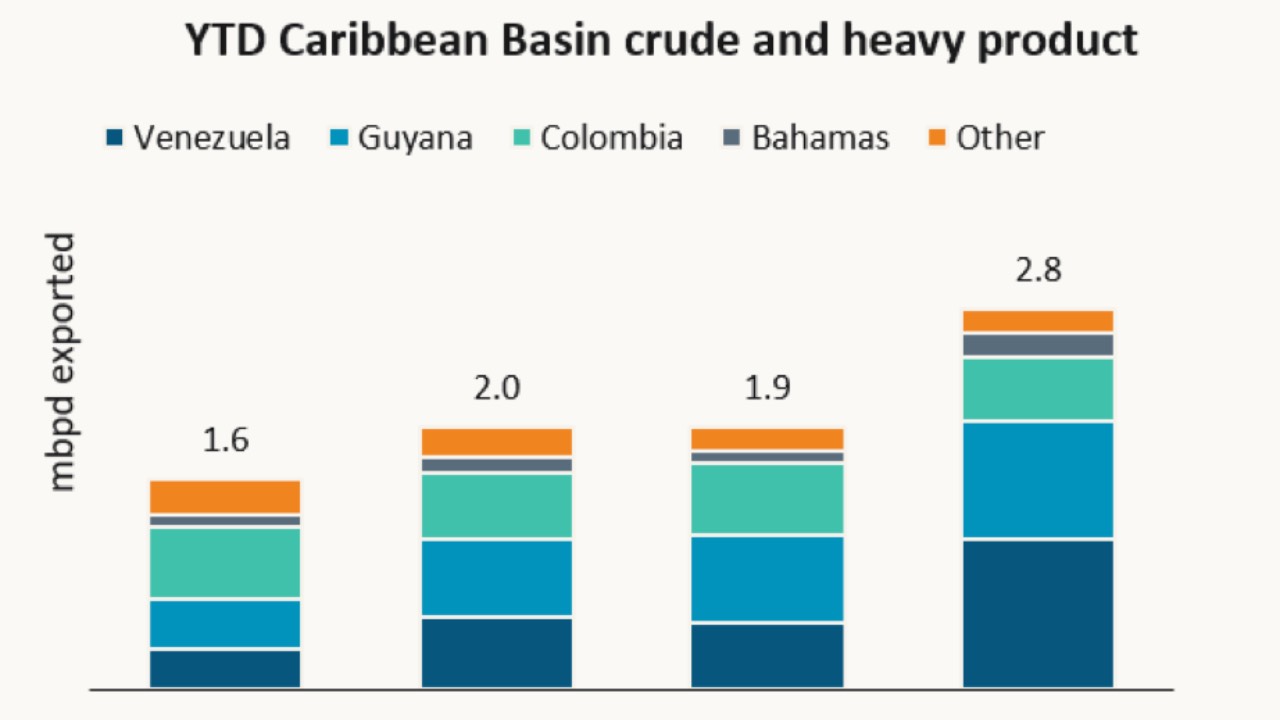
BIMCO Shipping Number of the Week
Caribbean Basin crude oil and heavy product exports jump 45% “Seaborne exports of crude oil and heavy products from the Caribbean Basin have…

xclusiv S&P Report 21th September 2026
Pls find below the [xclusiv] S&P Report 21th September 2026 [xclusiv] 2026_09_21
Marine insurance supply remains stable as geopolitical and technical changes reshape the market, says IUMI President
The global marine insurance market remains in a stable position, with premium growth strongly supported by a weak USD in hull and cargo. Meanwhile…
Subscribe to our newsletter!
if you dont want to swim alone in the ocean of news, sign up for the newsletter, and you will receive daily all the important news of world shipping!
