Blue Economy offers a transformative path to sustainable growth in Comoros

Comoros’ economy shows signs of recovery, surpassing pre-COVID-19 levels. Growth rose from 3 percent in 2023 to 3.4 percent in 2024, driven by household consumption supported by a 5.4 percent increase in remittances and strong services sector performance. Average annual inflation declined from 8.5 to 5.0 percent in 2024, reflecting the stabilization of global commodity prices and lower inflation in the Eurozone. Growth is projected to reach 4 percent by 2027, fueled by consumption and planned investments. However, poverty is projected to decline only slightly, due to modest GDP growth, high inequality, and weak social protection. Using the lower middle-income poverty line of $3.65 per day, the poverty rate is estimated at 38.1 percent in 2024 and expected to fall marginally to 37.2 percent in 2025.
“Persistent poverty and high inequality in Comoros reflect deep regional disparities and structural challenges. Low labor participation, underemployment, and limited access to quality education continue to hold back productivity and incomes. While remittances offer short-term relief, they cannot replace a dynamic, self-sustaining economy,” said Boubacar-Sid Barry, World Bank Resident Representative in Comoros. “Without bold reforms, poverty may deepen. The World Bank is committed to supporting Comoros on its path toward more inclusive and sustainable growth.”
The first edition of the Comoros Economic Update: An Ocean of Opportunities from the World Bank highlights that, without addressing structural barriers to investment and external competitiveness, growth will remain fragile. This will hamper job creation and income growth needed to reduce poverty and strengthen resilience to future shocks. The report also warns of significant downside risks. Comoros remains highly vulnerable to climate-related disasters, while rising fiscal pressures, contingent liabilities from state-owned enterprises, and a fragile banking sector increase macroeconomic risks. The current account deficit is expected to widen in the medium-term due to structural trade imbalances and infrastructure-driven imports, emphasizing the need for export diversification, stronger external buffers, and sustainable financing strategies.
The blue economy offers a transformative opportunity for Comoros to achieve sustainable and inclusive growth, according to the focus section of this report. With targeted reforms and strategic investments, it has the potential to elevate Comoros to upper-middle-income status by 2050, requiring sustained annual GDP growth of 6.1 percent. Fisheries have demonstrated strong performance, averaging 11.4 percent of GDP between 2018 and 2024. Modernizing the sector could increase its contribution to 16 percent by 2035. Marine tourism also holds significant promise, with the potential to quadruple visitor arrivals by 2030 and contribute over 6 percent of GDP by mid-century. Integrated development of eco-tourism, sustainable fisheries, and marine conservation can further promote inclusive growth while protecting natural ecosystems. However, achieving this vision will depend on restoring natural capital, expanding renewable energy, upgrading infrastructure, and strengthening environmental safeguards.
“Comoros stands at a turning point. The shift toward services and the blue economy has the potential to make Comoros a regional leader in sustainability. By 2040, services could contribute nearly two-thirds of GDP, with tourism and fisheries driving inclusive growth. Strong governance and sustained investment in these sectors can unlock lasting opportunities for people and protect the country’s natural wealth,” said Patrick John McCartney, Senior Economist at the World Bank in Comoros and author of the report.
A well-executed blue economy strategy can position Comoros as a regional leader in sustainable marine resource management while driving economic diversification, job creation, and resilience. Fully leveraging the synergies between fisheries, tourism, and conservation will be key to maximizing economic benefits while protecting vital natural assets. Strategic investments in governance, infrastructure, market access, and environmental sustainability can help transform the blue economy into a pillar of national development. This vision aligns with the objectives of the Plan Comoros Émergent 2030 (PCE 2030). By capitalizing on its rich marine resources, Comoros can pave the way for a more prosperous and sustainable future, achieving its ambition of reaching upper-middle-income status by 2050.
Distributed by APO Group on behalf of The World Bank Group.



Related News.
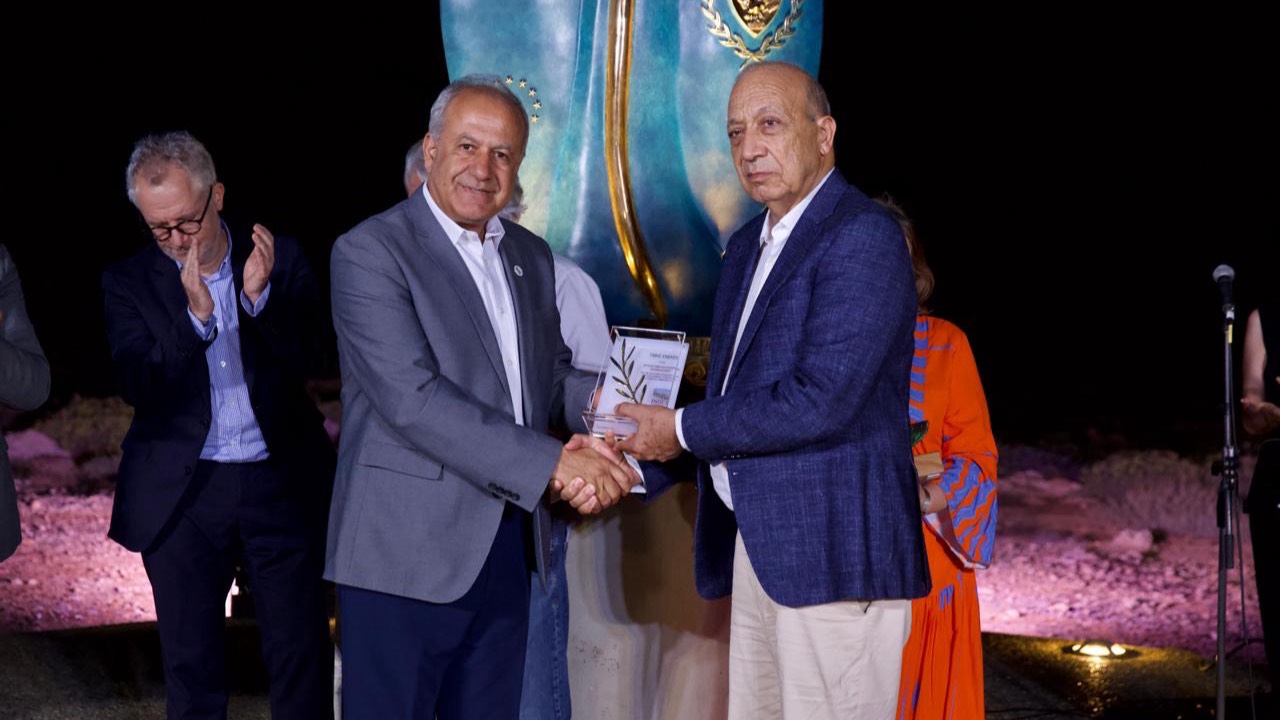
ISLAND OIL: Unveiling of the Sculpture “Cyprus’s Journey Through the Ages” in Protaras – A Tribute and Landmark to Cyprus’s Historical Memory and Cultural Heritage
In a modest ceremony marked by a moving atmosphere, the sculpture “Cyprus’s Journey Through the Ages”, created by acclaimed Cypriot sculptor…
World Maritime Day 2026 from Policy to Practice – powering Maritime Excellence
Global regulations will deliver safer, more resilient shipping when they are implemented worldwide. The international maritime community marks…

Diana Shipping announces Time Charter Contract for m/v DSI Polaris with Dai An Ocean Shipping
Diana Shipping , a global shipping company specializing in the ownership and bareboat charter-in of dry bulk vessels, announced that, through a…
Chief Economists Expect Global Economy to Stabilize, but Fiscal Constraints, Rising Living Costs and AI Investment Uncertainty Threaten Growth
The global economy is stabilizing, but the fiscal support that cushioned successive shocks since 2020 is unlikely to play the same role in the year…

V. welcomes its new graduate cohort as programme expands across the group
Twelve graduates from nine nationalities join 11th year of V.’s expanded international management programme. V., the global ship manager and marine…

From Policy to Practice: Why Seafarers Are the Key to Maritime Excellence
The shipping industry is no stranger to regulation. Seafarers and ship operators work within a vast framework of international conventions, national…

Intermodal Report – Week 38 2026
Please find below the Intermodal market report for week 38 2026. Intermodal Report Week 38 2026 Market Insight By Nikos Tagoulis, Head of…

Allied – Weekly Market Review – Week 38
Please find below the Allied Weekly Report for Week 38 | 2026 ALLIED - Weekly Market Report- Week 38
Record year on the Northeast Passage but Arctic shipping remains very limited
In 2025, a record 103 transit voyages were made via the Northeast Passage. However, this is still equivalent to only around a day and a half of…

[xclusiv] S&P Report 21th September 2026
Please find below the [xclusiv] latest Weekly S&P Report [xclusiv] 2026_09_21 Market Commentary: VLCCs: Freight Boom Reprices the Fleet The VLCC…
Subscribe to our newsletter!
if you dont want to swim alone in the ocean of news, sign up for the newsletter, and you will receive daily all the important news of world shipping!
