

The shipping sector has embarked on a new journey with the recent enforcement of the European Union Emissions Trading System (EU ETS). This regulatory framework, successfully pioneered in other EU sectors for over a decade, signifies the next step in a series of changes that will make shipping more sustainable within the European Union. As the industry adapts to this new phase, ship owners and operators need to ensure they comply with the new regulations while also crafting effective strategies to navigate the evolving market. Collaboration with knowledgeable and experienced partners is essential for companies seeking a smooth transition through upcoming changes, guaranteeing regulatory compliance, and actively shaping impactful decarbonisation strategies.
The EU ETS, effective since January 2024, introduces a carbon pricing mechanism that caps the total available carbon credits, known as EU Allowances (EUAs). This is designed to incentivise companies to proactively address their environmental impact and formulate robust decarbonisation strategies to minimise carbon emissions. By annually decreasing the number of available EUAs by 4%, the EU encourages participating companies to explore alternative measures, such as efficiency improvements and alternative fuels. The next phase being introduced by the EU is the FuelEU Maritime legislation, effective from 2025, which further propels the industry towards sustainable shipping by requiring reductions in the greenhouse gas (GHG) intensity of shipping fuels. In conjunction with the application of EU ETS to the industry, FuelEU will drive a shift towards more sustainable shipping on the continent.
Aligned with the International Maritime Organization’s (IMO) updated decarbonisation strategy, which mandates a 55% reduction in GHG emissions by 2030 and 100% by 2050, the EU regulations play a significant role in accelerating global efforts. These regulations impose restrictions on carbon emissions during voyages in and out of EU ports, fostering a broader global commitment to decarbonisation. To manage the replacement of fossil fuels with more sustainable alternatives, even when guided by fuel regulations, the shipping industry will need to bring increasing rigour to its decarbonisation efforts in the years to come.
Recognising the increased administrative burden imposed on shipping operators, KPI OceanConnect acknowledges the efforts of owners and operators who are diligently preparing for the challenges presented by EU ETS. Compliance involves multiple facets, from collecting and submitting monitoring, reporting, and verification (MRV) data for all voyages involving an EU port call, to setting up Union registry accounts and adapting contracts to clarify responsibilities under EU ETS. We understand that non-compliance carries penalties, making it imperative for operators to have a well-thought-out plan for purchasing EUAs.
Operators need to identify internal teams or departments responsible for various aspects of the EU ETS strategy, including buying EUAs, measuring emissions, fuel procurement, emissions liability, and surrendering EUAs to cover emissions. The EU ETS can be complex. Establishing an Operator Holding Account (OHA) with the Union Registry, for instance, may take several months due to the expected high demand when these first become available in February. KPI OceanConnect understands the need for a tailored and organic approach and is poised to assist clients in adapting to this evolving landscape.
Shipping operators making port calls in the EU are likely well-versed in the MRV requirements mandated by the EU. As of January 2024, achieving full compliance with the EU ETS will necessitate the submission of MRV data for all voyages involving a port call within the EU. Timely submission of data is imperative, with a deadline set for March 2025, while the corresponding EUAs covering emissions must be surrendered by September 2025.
In the first year, operators will likely focus on adapting to the intricacies of managing accounts for purchasing, trading, and holding EUAs, as well as aligning credits with emissions to ensure compliance. However, looking ahead, operators must shift their focus toward developing comprehensive, long-term strategies for fuel selection. Seeking guidance from knowledgeable partners who can provide insights into fuel options and their availability becomes paramount in navigating the evolving landscape of emissions regulations. At KPI OceanConnect, our commitment to assisting clients in navigating this intricate landscape is unwavering which is why our dedicated Alternative Fuels and Carbon Markets division continually monitors the alternative fuels market and stays abreast of new supply projects and upcoming regulations. This information enables our network of traders worldwide to share valuable knowledge with our clients and partners. This proactive approach will not only aid in meeting current compliance obligations but also help operators effectively navigate future developments in the maritime industry.
Compliance with the EU ETS is vital. Non-compliant operators will not only face penalties but must also acquire and surrender EUAs to cover their carbon emissions. In the most extreme cases, vessels could be prohibited from visiting the EU. Proper preparation is crucial today to establish a successful strategic approach to the EU ETS and adeptly navigate the evolving regulatory landscape.
It is important that we assist clients and supply partners to navigate the EU ETS and its influence on the market. As a leading marine energy solutions provider, we are bringing our expertise from the traditional marine energy sector into this new era. As the EU ETS shapes the shipping industry, KPI OceanConnect stands ready as a trusted partner to help operators develop, implement, and execute strategies that ensure operations continue to thrive through this complex transition.
Our commitment is rooted in optimising strategies for each individual client, ensuring not only compliance with the EU ETS but also preparing for the upcoming challenges posed by FuelEU Maritime. We understand that successful navigation through these regulatory changes requires more than just compliance – it demands a holistic and forward-thinking proposal. By fostering a positive and collaborative partnership approach, we aim to not only meet regulatory requirements but also contribute to a sustainable and thriving future for the shipping industry.
Author: Jesper Sørensen, Head of Alternative Fuels & Carbon Markets, KPI OceanConnect



Related News.
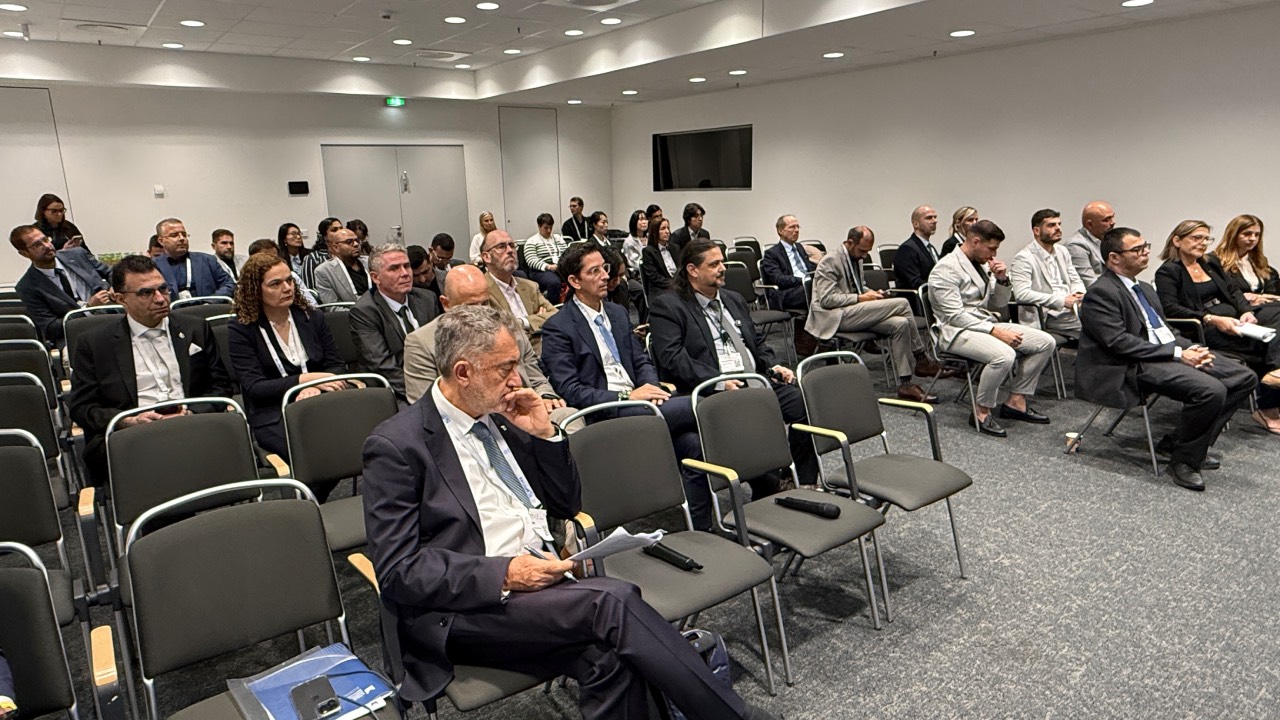
Cyprus Maritime Innovation takes Centre Stage at SMM Hamburg 2026
Underscoring its expanding role as a premier international hub for cutting-edge maritime technology and sustainable shipping, the Republic of Cyprus…

Trump seeks to refill US oil reserve with Venezuela deal but faces long delay
U.S. President Donald Trump said on the 30th (local time) that he would refill the U.S. Strategic Petroleum Reserve, which has been depleted with…

US Navy Official visits South Korean Shipyards in private
With U.S. President Donald Trump pushing a plan to allow overseas construction of U.S. warships, attention is focusing on whether the building of…

SES and De Boer Marine expand collaboration with FlexMaritime deployment across Global Markets
SES, a leading space solutions company, and De Boer Marine, a leading provider of top-quality marine equipment and maritime connectivity services,…

New ESG guidance to help maritime industry turn sustainability into commercial advantage
New framework helps shipowners and ports align ESG strategy with access to capital, charterer expectations and long-term asset value. Maritime…

Britannia P&I Club analysis finds four in five crew deaths linked to illness rather than accidents
New report highlights cardiovascular disease as leading cause of fatalities and raises concerns over mental health risks among younger seafarers.…

The Swedish Club launches new Loss Prevention podcast, Knot Another Lesson
The Swedish Club has launched Knot Another Lesson, a new podcast exploring the practical lessons, emerging risks and operational challenges shaping…

Lloyd’s Register appoints Jens Grunenberg as Senior Representative for Germany
Lloyd’s Register has appointed Jens Grunenberg as its Senior Representative for Germany, effective 1 September. Based in Hamburg, Grunenberg will…
Indian Register of Shipping sets sights on Hamburg for European Expansion
Indian Register of Shipping, a leading international classification society and full member of the International Association of Classification…
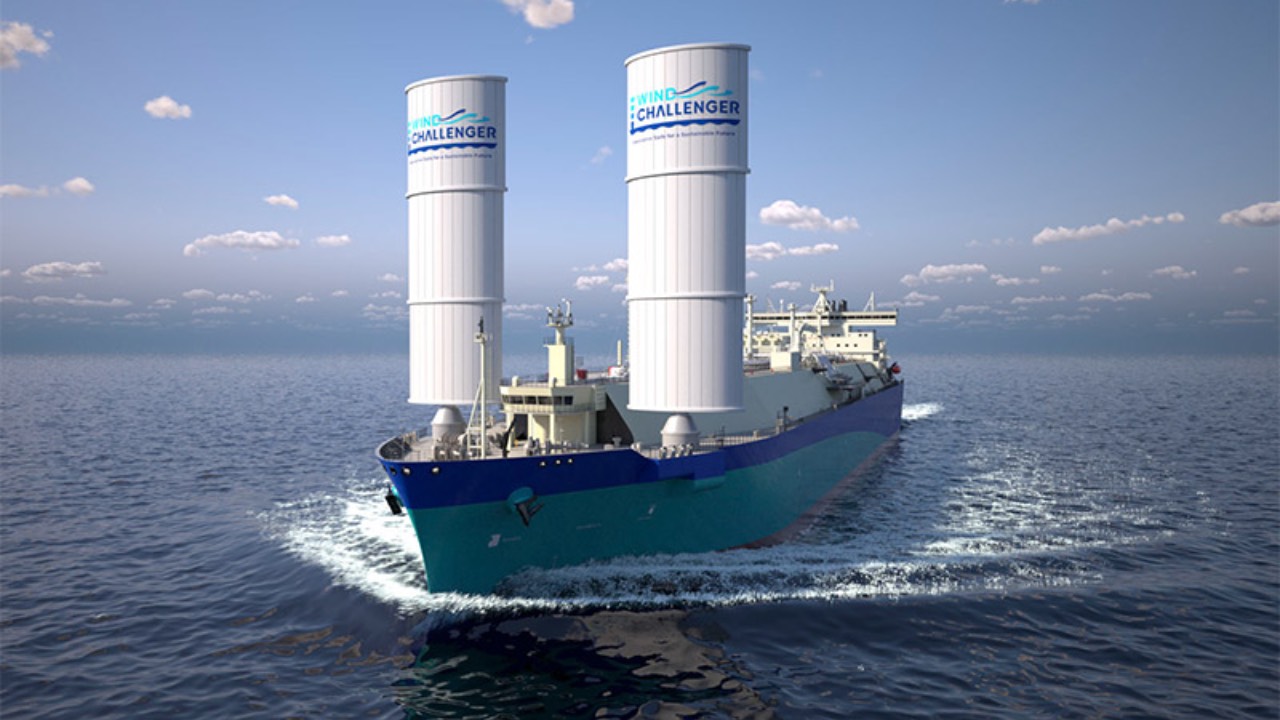
MOL completes Merger of 6 Ship Management Companies
Unifying Management of Over 200 Vessels and Strengthening Safety Mitsui O.S.K. Lines, announced that it has completed the integration of the MOL…
Subscribe to our newsletter!
if you dont want to swim alone in the ocean of news, sign up for the newsletter, and you will receive daily all the important news of world shipping!
