

At the heart of efforts to draw attention to the hazards inherent in transporting lithium-ion batteries, specialist freight insurer TT Club now urges debate leading to a balanced, yet realistic awareness of the dangers, and a united approach to enhancing their safe carriage. Improved regulatory clarity is required and auto manufacturers need to address transport safety issues more thoroughly.
Rapid development of battery technology and the uncertainties created by these developments, particularly concerning safety when the energy packs are being transported require the logistics industry to have a clear understanding of the dangers which can include fire, explosions and toxic gas emissions. Moreover, there needs to be increased efforts to minimise the risks, and if necessary, make sure there is an effective response to any catastrophic event.
Alarmist reports in the media can overstate the number of incidents involving electric vehicles. Indeed Peregrine Storrs-Fox, Risk Management Director at insurance mutual TT Club points out that “Lithium-ion (li-ion) battery fires are not an everyday occurrence. But when thermal runaway does happen, the result is release of toxic gases such as carbon monoxide and hydrogen cyanide, a very high temperature fire and can spread very fast.”
The release of toxic fumes may be the first alert, but fire with temperatures higher than 1,000degs centigrade can be reached in a matter of seconds and, as the mix of chemicals and metals ignites, devastation can ensue.
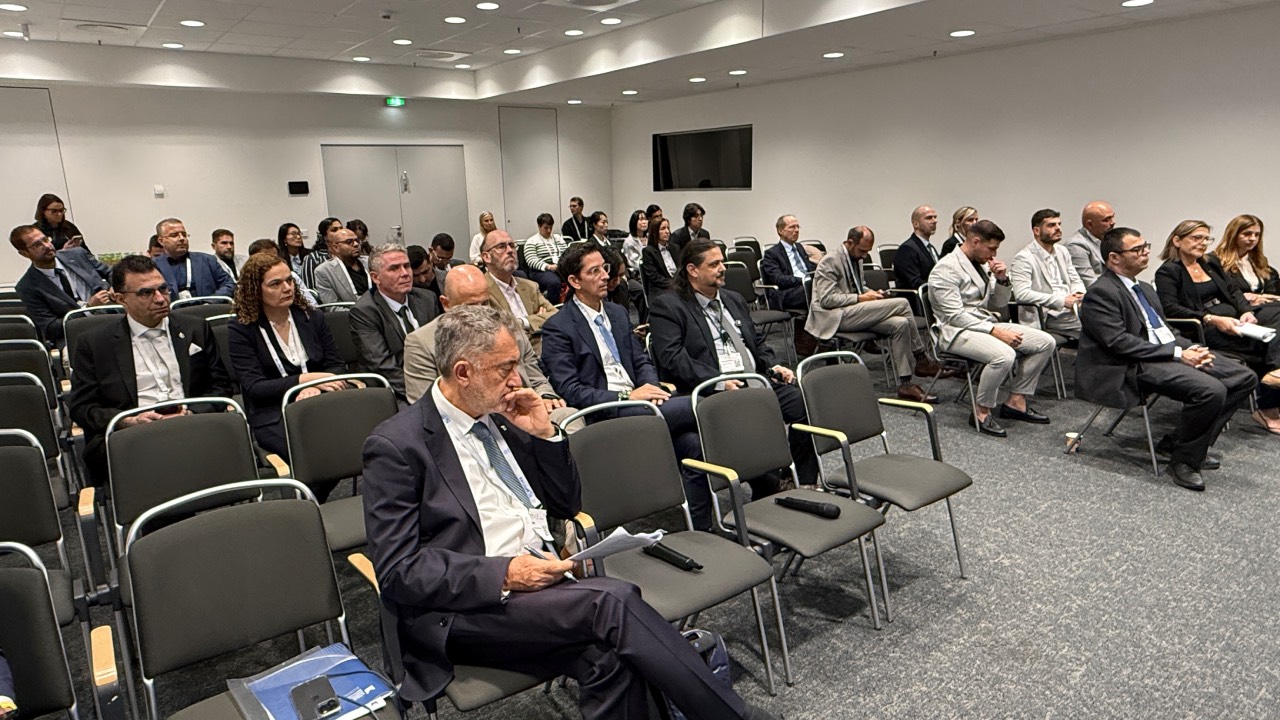
In keeping with its mission to extend awareness and achieve a united front, TT Club was delighted to be part of a forum of interested parties which was held recently in London. Much was revealed by the speakers and valuable debate ensued. “Supply chain players including ship owners, carriers, forwarders, terminal and port operators and insurers are engaged with these debates. Indeed, the maritime regulator IMO (International Maritime Organization) has its guidance for carriage of these batteries under serious review,” says Storrs-Fox. “But we need to bring manufacturers of EVs and the batteries that power them actively into the debate. Their ambitions for the development of more powerful, lighter and diverse battery cells must not be allowed to outstrip prioritising safety concerns surrounding their future transportation around the globe.”
Such concerns regarding the battery packs within electric vehicles (EVs) have been raised in the US and the National Transportation Safety Board (NTSB) has carried out a study. The forum heard that EVs were reported to have incurred fewer fire incidents than internal combustion engine (ICE) cars. However, there are a few provisos to be highlighted here – not least that there are far fewer electric cars on the road than ICE vehicles.
Secondly it is understood that newer batteries are less likely to ignite or explode than used batteries, effectively the older the li-ion unit, the greater the chance of an incident. As a result, it is not clear how the batteries will perform through the intended life, given that the switch to EV’s is only now gathering pace and most battery packs are new.
Regarding the rapid spread of fire, Eva Mckiernan, the technical director at firefighting consultancy Jensen Hughes highlighted the dangers of thermal runaway as the most pressing issue after ignition. She explained that these energy packs are thermo-dynamically unstable. When the batteries are damaged, they can release hot and poisonous gases into containers or onto car decks of ro-ro ships and other vehicle carriers within seconds. When the batteries explode those extraordinary temperatures can be reached.
“Thermal runaway occurs when the heat and chemical reactions reach a certain level, they are effectively self-sustaining and very difficult to extinguish,” she added.
Of course, EVs are just one use for li-ion batteries, which can be found in a variety of goods including e-bikes and scooters, as well as computers and mobile phones. All of these goods are transported with batteries in containers. Whilst transported as new, it may be reasonable to expect appropriate packaging, although state of charge is variable, used and damaged batteries present considerable uncertainty for the transport supply chain.
“Currently li-ion batteries are classified as one of four UN numbers, depending on power output or the weight of lithium in them and whether they are contained within devices or shipped separately. All four are Class 9 in the IMDG Code – Miscellaneous dangerous substances and articles,” explained Storrs-Fox. “Class 9 is the least hazardous ranking and dates from a change in IMDG Class from 4.3, which was made in the late eighties. Clearly there is a need for a radical review of this classification, as the size and energy capacity of these batteries has altered dramatically since then. As has the volume being carried in container ships.”
This raises concern that li-ion batteries are not classified as sufficiently hazardous and the range of potential Special Provisions increases complexity and uncertainty. All this may have serious ramifications when a container is being accepted for shipment or a ship stowage plan is being compiled. Storrs-Fox concludes, “In addressing the commercial opportunity in the answering the agenda to move away from fossil fuels, there needs to be urgent engagement from manufacturers and OEMs to resolve the justifiable concerns of the logistics industry – ahead of regulatory strengthening.”



Related News.
Cyprus Maritime Innovation takes Centre Stage at SMM Hamburg 2026
Underscoring its expanding role as a premier international hub for cutting-edge maritime technology and sustainable shipping, the Republic of Cyprus…

Trump seeks to refill US oil reserve with Venezuela deal but faces long delay
U.S. President Donald Trump said on the 30th (local time) that he would refill the U.S. Strategic Petroleum Reserve, which has been depleted with…

US Navy Official visits South Korean Shipyards in private
With U.S. President Donald Trump pushing a plan to allow overseas construction of U.S. warships, attention is focusing on whether the building of…

SES and De Boer Marine expand collaboration with FlexMaritime deployment across Global Markets
SES, a leading space solutions company, and De Boer Marine, a leading provider of top-quality marine equipment and maritime connectivity services,…

New ESG guidance to help maritime industry turn sustainability into commercial advantage
New framework helps shipowners and ports align ESG strategy with access to capital, charterer expectations and long-term asset value. Maritime…

Britannia P&I Club analysis finds four in five crew deaths linked to illness rather than accidents
New report highlights cardiovascular disease as leading cause of fatalities and raises concerns over mental health risks among younger seafarers.…

The Swedish Club launches new Loss Prevention podcast, Knot Another Lesson
The Swedish Club has launched Knot Another Lesson, a new podcast exploring the practical lessons, emerging risks and operational challenges shaping…

Lloyd’s Register appoints Jens Grunenberg as Senior Representative for Germany
Lloyd’s Register has appointed Jens Grunenberg as its Senior Representative for Germany, effective 1 September. Based in Hamburg, Grunenberg will…

Indian Register of Shipping sets sights on Hamburg for European Expansion
Indian Register of Shipping, a leading international classification society and full member of the International Association of Classification…

MOL completes Merger of 6 Ship Management Companies
Unifying Management of Over 200 Vessels and Strengthening Safety Mitsui O.S.K. Lines, announced that it has completed the integration of the MOL…
Subscribe to our newsletter!
if you dont want to swim alone in the ocean of news, sign up for the newsletter, and you will receive daily all the important news of world shipping!
