FuelEU Maritime – Looking at the Potential Implications on Ships
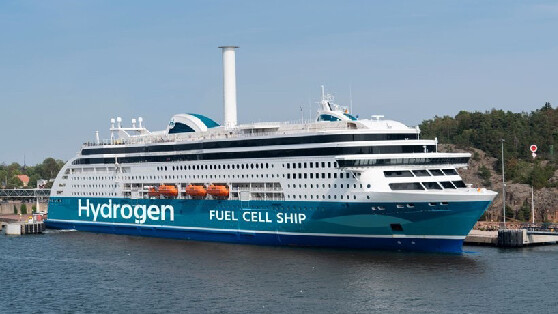

FuelEU Maritime is an initiative of the European Union (EU) that aims to reduce greenhouse gas (GHG) emissions from shipping within the EU. It is part of the EU’s broader goal of achieving climate neutrality by 2050, and it is a critical step towards reducing GHG emissions from the shipping sector and in the promotion of using sustainable alternative fuels to power ships. The initiative will have substantial implications, both in the short and long term, for ships and the shipping industry operating in the EU’s territorial waters and ports and for ships arriving at EU ports from non-EU countries.
Following the press release of the Council of the EU on 23 March 2023, the provisional political agreement is moving closer towards formal approval and adoption, with the intention for the proposed Regulation to enter into force from 1 January 2025. The intended Regulation will apply to all ships above 5,000 gross tonnages that call at EU ports, regardless of their flag but does not apply to warships, naval auxiliaries, fish-catching or fish-processing ships, wooden ships of a primitive build, ships not propelled by mechanical means, or government ships used for non-commercial purposes.
The most significant implication of FuelEU Maritime on ships is the requirement to reduce emissions. The initiative sets targets for reducing emissions from ships that operate within the EU. By 2030, ships must reduce their GHG emissions by 6%, then by 31% in 2040 compared to 2020 levels, and work towards full decarbonization by 2050. This means that ships will need to adopt new technologies and fuels to achieve these targets.
For ships to meet the emissions reduction targets, they will need to transition from traditional fossil fuels such as heavy fuel oil and marine diesel to alternative fuels such as liquefied natural gas (LNG), hydrogen, biofuels or ammonia. These fuels produce lower emissions than traditional fuels and are considered more sustainable. However, they are not yet widely available or affordable, and their production and distribution infrastructure is still in the early stages of development.
The use of sustainable alternative fuels will also have its own implications for ships. The promotion of alternative fuels, such as LNG, biofuels, and hydrogen, will require ship owners to invest in new infrastructure and technologies to store and use these fuels. This may include retrofitting existing ships with new fuel storage and delivery systems or investing in new ships that are designed to run on alternative fuels. Furthermore, using sustainable alternative fuels, such as biofuels, may compete with food production and raise concerns about land use and biodiversity.
In addition to the transition to alternative fuels, ships will need to adopt new technologies to reduce fuel consumption and greenhouse gas emissions. For example, using hybrid or electric propulsion systems, using more efficient engines, and installing exhaust gas cleaning systems (EGCS) can significantly reduce emissions. These technologies are already available, but they are expensive to implement, and they require significant capital investment. Likewise, to satisfy the requirements for energy efficiency in ships, this may include implementing improvements to hull design, propulsion systems, and energy management systems, as well as using more efficient machinery and equipment.
Under FuelEU Maritime, ships operating within the EU will be required to report their fuel consumption data, emissions data, and other relevant information to the competent authorities of the EU Member States. This includes reporting the amount of fuel consumed, distance travelled, time spent at sea, and the amount of CO2, SO2, and NOx emitted during each voyage. Other relevant information that must be reported will include the type of fuel used, the energy efficiency of the vessel, and any measures taken to improve energy efficiency. These reporting requirements will be mandatory, and non-compliance can result in penalties.
Another significant implication of FuelEU Maritime is the impact on the shipping industry’s competitiveness and profitability. The costs associated with transitioning to alternative fuels and adopting new technologies will likely be significant. Ship owners and operators will bear them, resulting in higher shipping costs, which may make EU-based or EU-trading ships less competitive in the global market.
The regulatory framework for shipping will also be affected because the initiative will require changes to existing regulations and the development of new regulations to support and promote the transition to alternative fuels and technologies. For example, regulations will need to be developed to ensure the safe storage and handling of alternative fuels, and new standards will need to be established for emissions control equipment.



Related News.

Cyprus Maritime Innovation takes Centre Stage at SMM Hamburg 2026
Underscoring its expanding role as a premier international hub for cutting-edge maritime technology and sustainable shipping, the Republic of Cyprus…

Trump seeks to refill US oil reserve with Venezuela deal but faces long delay
U.S. President Donald Trump said on the 30th (local time) that he would refill the U.S. Strategic Petroleum Reserve, which has been depleted with…

US Navy Official visits South Korean Shipyards in private
With U.S. President Donald Trump pushing a plan to allow overseas construction of U.S. warships, attention is focusing on whether the building of…
SES and De Boer Marine expand collaboration with FlexMaritime deployment across Global Markets
SES, a leading space solutions company, and De Boer Marine, a leading provider of top-quality marine equipment and maritime connectivity services,…

New ESG guidance to help maritime industry turn sustainability into commercial advantage
New framework helps shipowners and ports align ESG strategy with access to capital, charterer expectations and long-term asset value. Maritime…

Britannia P&I Club analysis finds four in five crew deaths linked to illness rather than accidents
New report highlights cardiovascular disease as leading cause of fatalities and raises concerns over mental health risks among younger seafarers.…

The Swedish Club launches new Loss Prevention podcast, Knot Another Lesson
The Swedish Club has launched Knot Another Lesson, a new podcast exploring the practical lessons, emerging risks and operational challenges shaping…

Lloyd’s Register appoints Jens Grunenberg as Senior Representative for Germany
Lloyd’s Register has appointed Jens Grunenberg as its Senior Representative for Germany, effective 1 September. Based in Hamburg, Grunenberg will…

Indian Register of Shipping sets sights on Hamburg for European Expansion
Indian Register of Shipping, a leading international classification society and full member of the International Association of Classification…
MOL completes Merger of 6 Ship Management Companies
Unifying Management of Over 200 Vessels and Strengthening Safety Mitsui O.S.K. Lines, announced that it has completed the integration of the MOL…
Subscribe to our newsletter!
if you dont want to swim alone in the ocean of news, sign up for the newsletter, and you will receive daily all the important news of world shipping!
