

IMO Secretary-General Kitack Lim says landmark treaty will reinforce efforts to protect biodiversity.
IMO has welcomed the landmark agreement on a new oceans treaty to protect marine biodiversity on the high seas.
The new legally binding international instrument on the conservation and sustainable use of marine biological diversity in areas beyond national jurisdiction – known as ‘BBNJ’ was agreed on 4 March, following conclusion of the fifth round of treaty negotiations at the United Nations headquarters in New York, United States.
IMO Secretary-General Kitack Lim said:
“Following almost two decades of discussions and negotiations, I am pleased to see the conclusion of the new legally binding instrument on marine biodiversity in areas beyond national jurisdiction, which was finalized in New York on Saturday 4 March. This landmark achievement will no doubt reinforce efforts to protect biodiversity in line with the aims of the 2030 Agenda for Sustainable Development and the Kunming-Montreal Global Framework for Biodiversity. IMO has participated throughout the negotiations given the organisation’s mandate and expertise and will continue to participate, in the implementation of the new instrument. IMO looks forward to further strengthening our cooperation with Member States, the UN family and all other stakeholders.”
The BBNJ treaty addresses, among other things:
- the conservation and sustainable use of marine BBNJ;
- marine genetic resources, including questions on benefit-sharing (MGR);
- Area Based Management Tools (ABMT), including marine protected areas;
- environmental impact assessments (EIA); and
- capacity-building and the transfer of marine technology (CB&TMT).
IMO has been present throughout the negotiations and has actively cooperated with the UN, in particular with Division for Ocean Affairs and the Law of the Sea (DOALOS) of the Office of Legal Affairs of the United Nations; the International Seabed Authority (ISA) and with other specialized agencies like The Food and Agriculture Organization of the United Nations (FAO), Intergovernmental Oceanographic Commission of UNESCO (IOC) IOC of UNESCO and the International Labour Organization (ILO).
IMO officials have outlined IMO’s experience in developing universal binding regulations for international shipping to ensure shipping’s sustainable use of the oceans, through more than 50 globally-binding treaties.
Ships plying their trade across the world’s oceans are subject to stringent environmental, safety and security rules, which apply throughout their voyage.
IMO regulations are enforced through a well-established system of flag, coastal and port State control. Many IMO measures actively contribute to the conservation of marine biological diversity in areas beyond national jurisdiction, including the International Convention for the Prevention of Pollution by ships (MARPOL) and the International Ballast Water Management Convention – which aims to prevent the transfer of potentially invasive aquatic species – as well as the London Convention and Protocol regulating the dumping of wastes at sea.
IMO has adopted numerous protective measures, which all ships must adhere to, both in and outside designated sensitive sea areas (PSSAs) and in special areas and emission control areas. These include strict rules on operational discharges as well as areas to be avoided and other ship routing systems, including those aimed at keeping shipping away from whales’ breeding grounds. IMO’s Polar Code is mandatory for ships for operating in the Arctic and Antarctic. IMO has also issued guidance on protecting marine life from underwater ship noise.
The series of conferences to develop the new BBNJ legally-binding instrument under the United Nations Convention on the Law of the Sea (UNCLOS) began in 2018.
UNCLOS and BBNJ
The United Nations Convention on the Law of the Sea was adopted in 1982. It lays down a comprehensive regime of law and order in the world’s oceans and seas establishing rules governing all uses of the oceans and their resources. It embodies in one instrument traditional rules for the uses of the oceans and at the same time introduces new legal concepts and regimes and addresses new concerns. The Convention also provides the framework for further development of specific areas of the law of the sea.
The United Nations General Assembly decided, in 2015, to develop an international legally binding instrument under UNCLOS on the conservation and sustainable use of marine biological diversity of areas beyond national jurisdiction (UNGA resolution 69/292).



Related News.
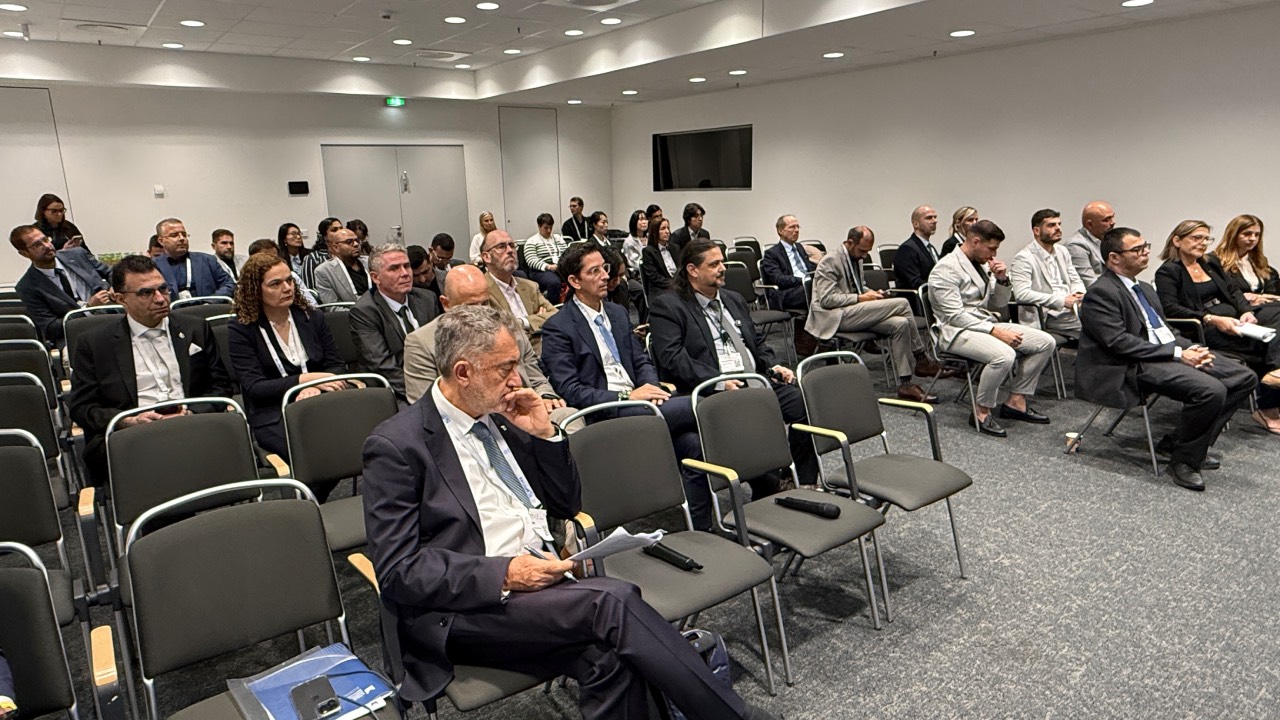
Cyprus Maritime Innovation takes Centre Stage at SMM Hamburg 2026
Underscoring its expanding role as a premier international hub for cutting-edge maritime technology and sustainable shipping, the Republic of Cyprus…
Trump seeks to refill US oil reserve with Venezuela deal but faces long delay
U.S. President Donald Trump said on the 30th (local time) that he would refill the U.S. Strategic Petroleum Reserve, which has been depleted with…

US Navy Official visits South Korean Shipyards in private
With U.S. President Donald Trump pushing a plan to allow overseas construction of U.S. warships, attention is focusing on whether the building of…

SES and De Boer Marine expand collaboration with FlexMaritime deployment across Global Markets
SES, a leading space solutions company, and De Boer Marine, a leading provider of top-quality marine equipment and maritime connectivity services,…

New ESG guidance to help maritime industry turn sustainability into commercial advantage
New framework helps shipowners and ports align ESG strategy with access to capital, charterer expectations and long-term asset value. Maritime…

Britannia P&I Club analysis finds four in five crew deaths linked to illness rather than accidents
New report highlights cardiovascular disease as leading cause of fatalities and raises concerns over mental health risks among younger seafarers.…
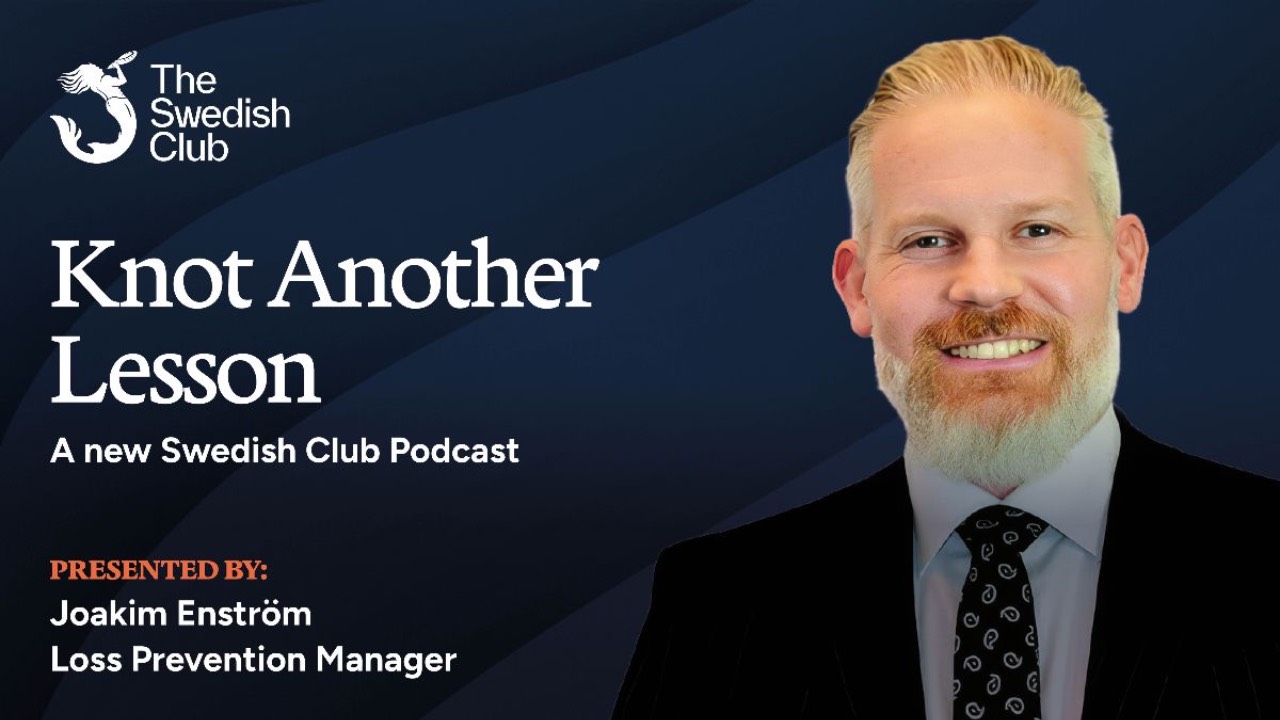
The Swedish Club launches new Loss Prevention podcast, Knot Another Lesson
The Swedish Club has launched Knot Another Lesson, a new podcast exploring the practical lessons, emerging risks and operational challenges shaping…

Lloyd’s Register appoints Jens Grunenberg as Senior Representative for Germany
Lloyd’s Register has appointed Jens Grunenberg as its Senior Representative for Germany, effective 1 September. Based in Hamburg, Grunenberg will…
Indian Register of Shipping sets sights on Hamburg for European Expansion
Indian Register of Shipping, a leading international classification society and full member of the International Association of Classification…

MOL completes Merger of 6 Ship Management Companies
Unifying Management of Over 200 Vessels and Strengthening Safety Mitsui O.S.K. Lines, announced that it has completed the integration of the MOL…
Subscribe to our newsletter!
if you dont want to swim alone in the ocean of news, sign up for the newsletter, and you will receive daily all the important news of world shipping!
