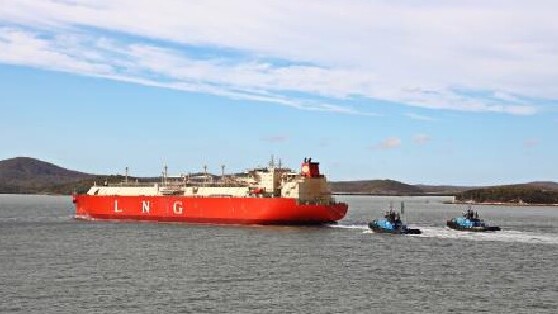

- Controlling a market, using anti-competitive practices, and price fixing are all key features of a cartel.
- Unless gas prices are controlled in eastern Australia, we will face a rolling gas and electricity price crisis that will destroy jobs and cause hardship to individuals.
Last week, the Australian Consumer and Competition Commission (ACCC) released its latest report on the east coast gas market, a large source of work for Australia’s competition watchdog. The ACCC has been running a never-ending inquiry into the industry since 2015.
Unfortunately, the inquiry has yielded few solutions as east coast Australians have periodically paid well above international prices for locally produced gas.
The record high gas prices on Australia’s east coast directly add to electricity costs, up 300% in 2022 versus last year. This is because gas sets the high prices for electricity in the wholesale market. This secondary effect is damaging the Australian economy the most.
Eastern Australia’s energy woes do not extend to Western Australia, where successive governments have ensured that domestic consumers pay reasonable prices through their domestic gas reservation policy.
While the ACCC report trumpeted gas “shortages”, the report reveals that eastern Australia has an embarrassment of riches.
We have enough gas to oversupply the domestic market and meet the export contracts with 167 petajoules, equivalent to 29% of the domestic market, to spare.
Eastern Australia is swimming in gas, with production trebling since 2014. We have enough gas to oversupply the domestic market and meet the export contracts with 167 petajoules (PJ), equivalent to 29% of the domestic market, to spare.
The ACCC does some intellectual somersaults to frame this embarrassment of riches as a shortfall. It assumes the cartel will export all the excess gas, which is fair enough given the cartel’s penchant for starving the domestic market and price gouging east Australians.
The report shows that we can have a domestic gas reservation in eastern Australia for more than the domestic market and satisfy the long-term export contracts. In other words, we can have our cake and eat it too.
The ACCC report should cause alarm to all Australians who respect the rule of law. It outlines all the key aspects of a cartel, and cartels are illegal market structures.
The three liquefied natural gas (LNG) exporters and their associates had influence over close to 90% of the reserves on the east coast.
This highlights the effective control that the LNG exporters have over gas supply and development on the east coast, as well as the lack of competition in the domestic market.
The three LNG exporters not only control the supply of gas on the east coast but also use this power to institute anti-competitive practices, many of which the ACCC points out may be illegal.
These include:
- Entering into production joint ventures that may delay the development of gas.
- Joint marketing arrangements to reduce the number of producers competing to supply gas for the domestic market.
- Exclusivity provisions in some of its gas supply agreements with smaller producers restrict the ability of domestic producers to compete to supply gas into the domestic market.
- Mergers and acquisitions.
Controlling a market, using anti-competitive practices, and price fixing are all key features of a cartel.
Controlling a market, using anti-competitive practices and price fixing are all key features of a cartel.
While the ACCC report falls short of naming it a cartel, it forensically describes a cartel. If it walks like a duck and quacks like a duck, it is a duck. We are dealing with an illegal cartel.
The ACCC has been long on rhetoric and limited in its prosecution of anti-competitive behaviour. A notable exception was its breaking up of the BHP-ExxonMobil joint marketing arrangement for Bass Strait gas.
In some cases, the ACCC has aided and abetted the gas cartel. For example, it waived through the takeover of Arrow Energy by Shell and Petrochina, further concentrating reserves in the cartel.
We are in a rolling domestic energy crisis precipitated by unprecedented gas prices. Unless the government controls the cartel, our gas price crisis will not dissipate.
More production will not solve the problem as the cartel will just export more and/or supply less to the domestic market. What we face is a gas price crisis, not a supply crisis.
Unless gas prices are controlled in eastern Australia, we will face a rolling gas and electricity price crisis that will destroy jobs and cause hardship to individuals.
As Dr Ken Henry said, an east Australia gas export levy would instantaneously solve the problem by giving the right economic price signal – to maximise profits, the cartel would prioritise domestic gas users and only export the surplus.
Source: IEEFA



Related News.

Cyprus Maritime Innovation takes Centre Stage at SMM Hamburg 2026
Underscoring its expanding role as a premier international hub for cutting-edge maritime technology and sustainable shipping, the Republic of Cyprus…
Trump seeks to refill US oil reserve with Venezuela deal but faces long delay
U.S. President Donald Trump said on the 30th (local time) that he would refill the U.S. Strategic Petroleum Reserve, which has been depleted with…
US Navy Official visits South Korean Shipyards in private
With U.S. President Donald Trump pushing a plan to allow overseas construction of U.S. warships, attention is focusing on whether the building of…
SES and De Boer Marine expand collaboration with FlexMaritime deployment across Global Markets
SES, a leading space solutions company, and De Boer Marine, a leading provider of top-quality marine equipment and maritime connectivity services,…

New ESG guidance to help maritime industry turn sustainability into commercial advantage
New framework helps shipowners and ports align ESG strategy with access to capital, charterer expectations and long-term asset value. Maritime…
Britannia P&I Club analysis finds four in five crew deaths linked to illness rather than accidents
New report highlights cardiovascular disease as leading cause of fatalities and raises concerns over mental health risks among younger seafarers.…

The Swedish Club launches new Loss Prevention podcast, Knot Another Lesson
The Swedish Club has launched Knot Another Lesson, a new podcast exploring the practical lessons, emerging risks and operational challenges shaping…

Lloyd’s Register appoints Jens Grunenberg as Senior Representative for Germany
Lloyd’s Register has appointed Jens Grunenberg as its Senior Representative for Germany, effective 1 September. Based in Hamburg, Grunenberg will…
Indian Register of Shipping sets sights on Hamburg for European Expansion
Indian Register of Shipping, a leading international classification society and full member of the International Association of Classification…
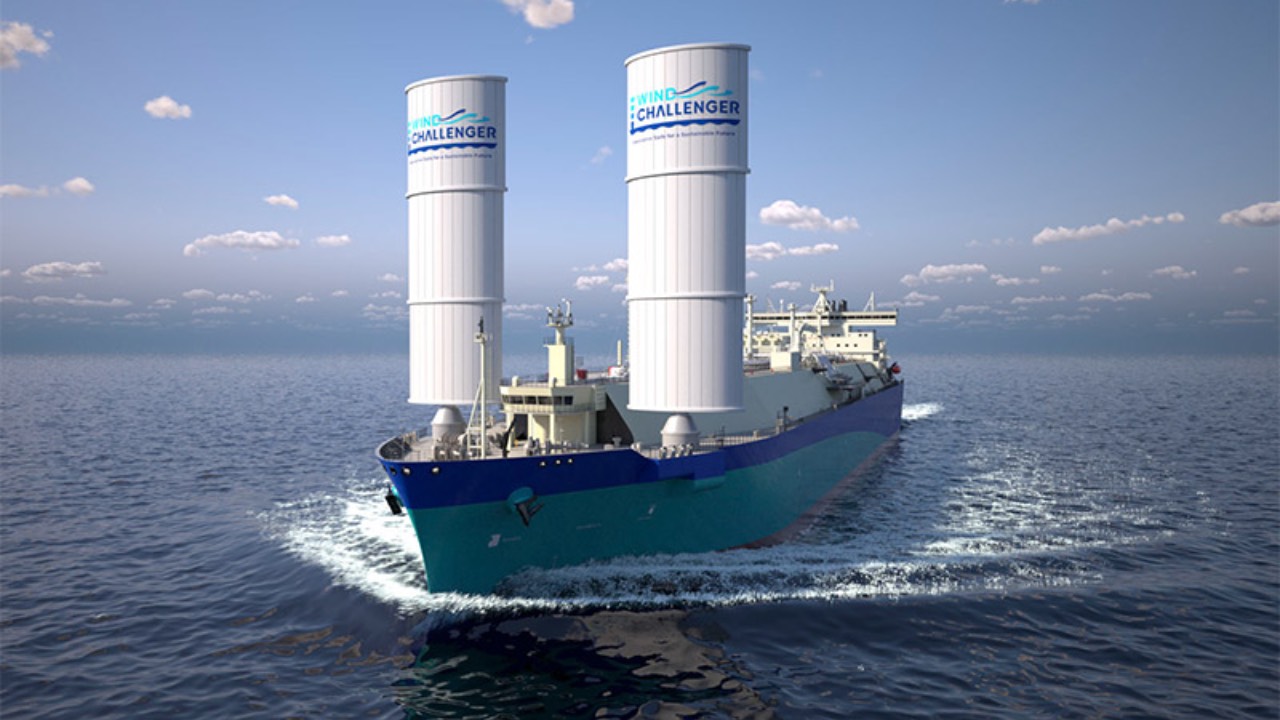
MOL completes Merger of 6 Ship Management Companies
Unifying Management of Over 200 Vessels and Strengthening Safety Mitsui O.S.K. Lines, announced that it has completed the integration of the MOL…
Subscribe to our newsletter!
if you dont want to swim alone in the ocean of news, sign up for the newsletter, and you will receive daily all the important news of world shipping!
