Restoring sustainable carbon cycles for the EESC, achieving carbon neutrality requires a holistic approach


The European Economic and Social Committee (EESC) supports the key messages of the European Commission’s Communication on Sustainable Carbon Cycles in an opinion adopted at its May plenary, and believes that the Common Agricultural Policy (CAP) must provide a strategic framework paving the way for a low-carbon transition in agriculture.
Responding to the climate emergency, the European Union has put its goal of achieving climate neutrality by 2050 into law. To achieve such an ambitious objective, sustainable and climate-resilient carbon cycles must be established through a holistic approach, which includes recycling carbon from waste streams, from sustainable sources of biomass or directly from the atmosphere, taking into consideration that increasing carbon sinks and replacing fossil carbon will require more biomass to be produced, which will affect the land sector.
“Finding a solution to carbon neutrality requires that we change our practices by reducing greenhouse gas emissions, finding green alternatives to fossil carbon, and increasing carbon sinks”, said the rapporteur of the opinion Arnold Puech d’Alissac. “The EESC supports the two solutions proposed by the Commission for removing and sequestering carbon: nature-based solutions and industrial technological solutions. However, we recognise that some challenges for certified carbon sequestration identified in the communication are still unsolved”, he added.
Carbon sequestration will be a key component of European agriculture and forestry in the future, and should therefore not only be seen as a commercial opportunity. It is also a tool for climate action and contributes to more resilient and sustainable rural areas, in line with the long-term vision for EU rural areas.
The Committee also highlights the critical role that the CAP must play in providing a policy framework paving the way for the low-carbon transition in agriculture, whereby the sector will emit less and sequester more. The investment support in the CAP can and should reward carbon storage financially as an eco-service and income support for farmers; however, carbon storage should not be a condition of the CAP and a specific market must be further promoted. The EESC further considers that the development of carbon sequestration will require a clear legal framework. The agricultural sector will have to adapt in order to successfully develop sustainable carbon cycles while contributing to the broader transition to sustainable food systems.
The EESC also stresses that industrial solutions, such as permanent CO2 storage in geological formations, will have to be sustainable and prevent negative impacts on biodiversity, ecosystems and communities.
The well-being of workers, as well as the need for fair remuneration, should also be taken into account so that farmers and workers will commit to, and make a success of, the transition to a low-carbon economy.



Related News.
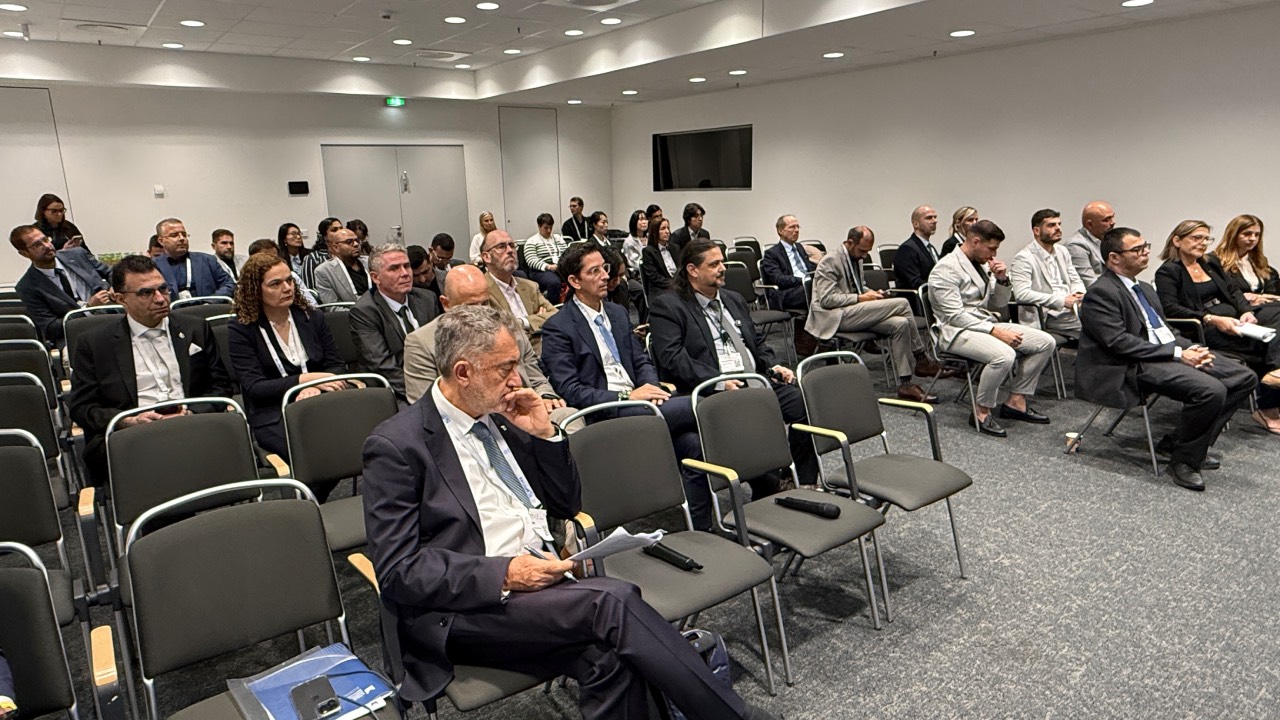
Cyprus Maritime Innovation takes Centre Stage at SMM Hamburg 2026
Underscoring its expanding role as a premier international hub for cutting-edge maritime technology and sustainable shipping, the Republic of Cyprus…

Trump seeks to refill US oil reserve with Venezuela deal but faces long delay
U.S. President Donald Trump said on the 30th (local time) that he would refill the U.S. Strategic Petroleum Reserve, which has been depleted with…
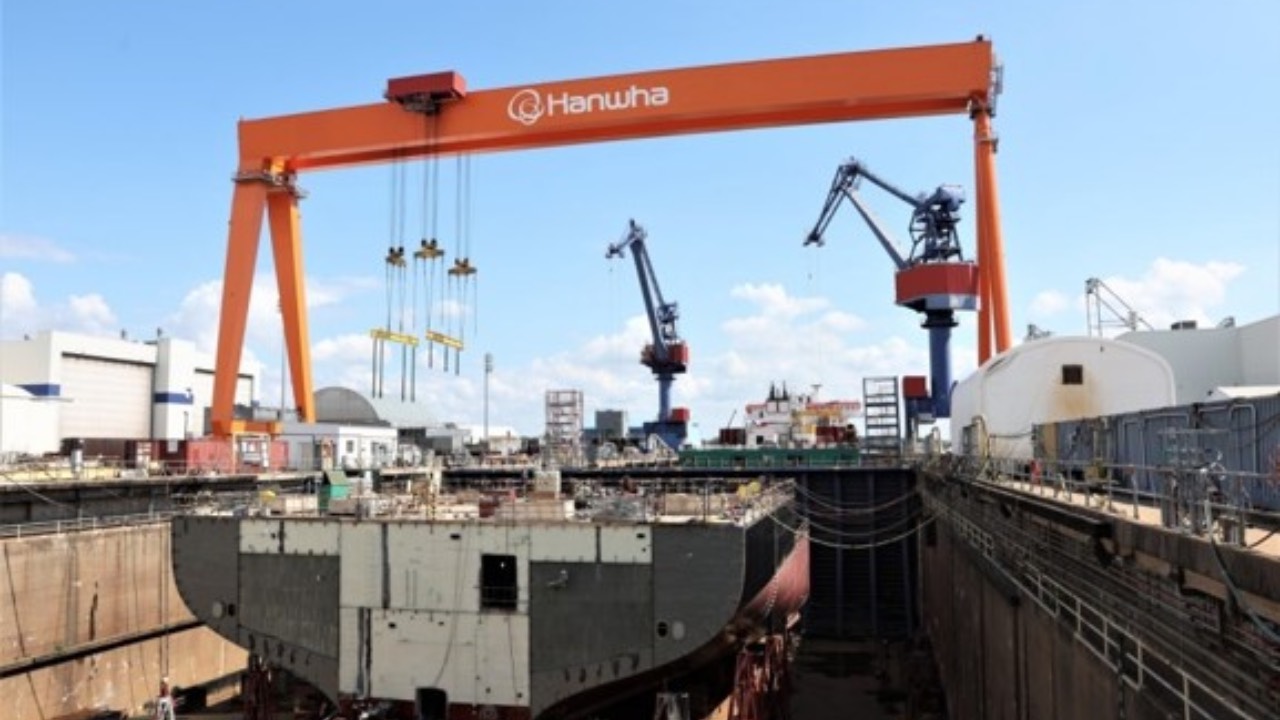
US Navy Official visits South Korean Shipyards in private
With U.S. President Donald Trump pushing a plan to allow overseas construction of U.S. warships, attention is focusing on whether the building of…
SES and De Boer Marine expand collaboration with FlexMaritime deployment across Global Markets
SES, a leading space solutions company, and De Boer Marine, a leading provider of top-quality marine equipment and maritime connectivity services,…
New ESG guidance to help maritime industry turn sustainability into commercial advantage
New framework helps shipowners and ports align ESG strategy with access to capital, charterer expectations and long-term asset value. Maritime…

Britannia P&I Club analysis finds four in five crew deaths linked to illness rather than accidents
New report highlights cardiovascular disease as leading cause of fatalities and raises concerns over mental health risks among younger seafarers.…
The Swedish Club launches new Loss Prevention podcast, Knot Another Lesson
The Swedish Club has launched Knot Another Lesson, a new podcast exploring the practical lessons, emerging risks and operational challenges shaping…

Lloyd’s Register appoints Jens Grunenberg as Senior Representative for Germany
Lloyd’s Register has appointed Jens Grunenberg as its Senior Representative for Germany, effective 1 September. Based in Hamburg, Grunenberg will…
Indian Register of Shipping sets sights on Hamburg for European Expansion
Indian Register of Shipping, a leading international classification society and full member of the International Association of Classification…
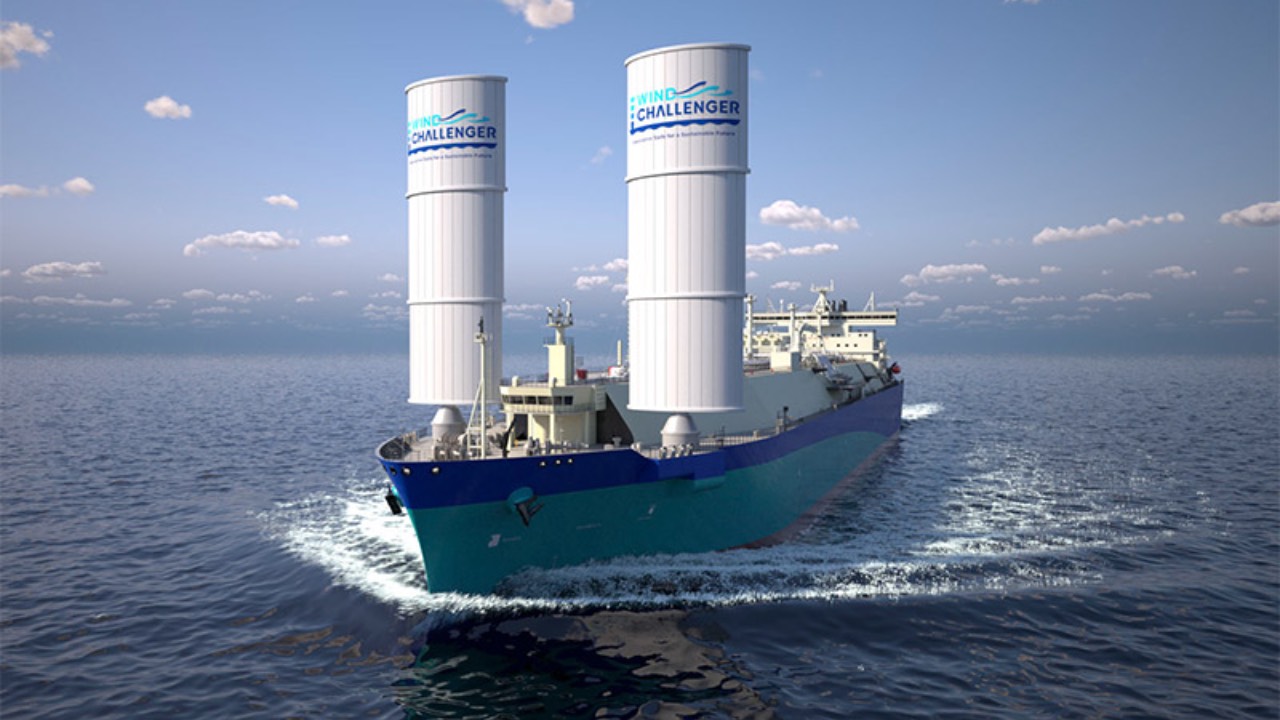
MOL completes Merger of 6 Ship Management Companies
Unifying Management of Over 200 Vessels and Strengthening Safety Mitsui O.S.K. Lines, announced that it has completed the integration of the MOL…
Subscribe to our newsletter!
if you dont want to swim alone in the ocean of news, sign up for the newsletter, and you will receive daily all the important news of world shipping!
