Furetank implements innovative systems protecting underwater environment


Many onboard and underwater systems are traditionally based on chemicals that are inevitably released to the oceans to some extent. With the VINGA vessel series, Furetank has taken several innovative measures in order to leave harmful substances behind and find new solutions.
Healthy oceans are a prerequisite for a healthy planet and healthy human communities, as stated by the UN. Eighty per cent of all life on Earth is found in the ocean. It captures carbon dioxide, controls our climate and sustains us all, providing 50 per cent of our oxygen. Furetank’s zero vision targets include causing no damage to the environment and safeguarding ocean health.
Furetank always strives to comply with all applicable customer, national and international regulations and even to exceed them. In order to fulfill these objectives, the company actively takes part in research and applies technological advancements. These are some of our current efforts.
Biodegradable lubricants
Furetank’s VINGA vessels are designed to qualify for trade in sensitive areas, holding a VGP (Vessel General Permit) for all oil-to-water interfaces. This includes using only biodegradable, Environmentally Acceptable Lubricants (EAL) on all water interfaces. Furetank has made the extra effort and investment to extend this practice to all deck machinery and equipment which could potentially cause leaks reaching the ocean, such as cranes, winches etc.
Airguard seal on propeller shaft
All vessels in the VINGA series have a ducted propeller. The propeller shaft is equipped with a Wärtsilä Airguard seal, an anti-pollution and environmentally compliant solution.
It works with compressed air which is applied to the void space between the seal rings. It is set higher than the seawater pressure, resulting in a small amount of air forced out into the seawater. The void space is connected to an inboard drain collection system. Any seawater or lubricant oil that infiltrates the void space is automatically drained inboard, setting off an alarm and preventing lubricant oil leaking outboard or seawater entering the stern tube.
Aluminium anodes on hull
Most tankers trafficking European waters use sacrificial zinc anodes to protect the hull from corrosion. They purposely release zinc into the ocean. But the research society has raised warnings about harmful effects zinc might have om aquatic organisms, potentially affecting cellular processes, growth and reproduction capacity. Furetank has replaced all zinc anodes with the less harmful alternative aluminum.
Ultrasonic anti-fouling system
Box coolers, employed to cool different onboard systems, need an anti-fouling system which deters marine organisms from clinging on, growing and impairing the cooler functionality. The traditional choice is using copper rods, discharging copper and thereby creating a hostile environment for aquatic life.
Furetank is trying out a new innovation; an ultrasonic anti-fouling system. It emits sounds that create vibrations on the cooler surfaces, preventing organisms from holding on. The result is yet to be evaluated, but Furetank regards this choice as a good step towards less emissions to sea.



Related News.
Cyprus Maritime Innovation takes Centre Stage at SMM Hamburg 2026
Underscoring its expanding role as a premier international hub for cutting-edge maritime technology and sustainable shipping, the Republic of Cyprus…

Trump seeks to refill US oil reserve with Venezuela deal but faces long delay
U.S. President Donald Trump said on the 30th (local time) that he would refill the U.S. Strategic Petroleum Reserve, which has been depleted with…
US Navy Official visits South Korean Shipyards in private
With U.S. President Donald Trump pushing a plan to allow overseas construction of U.S. warships, attention is focusing on whether the building of…
SES and De Boer Marine expand collaboration with FlexMaritime deployment across Global Markets
SES, a leading space solutions company, and De Boer Marine, a leading provider of top-quality marine equipment and maritime connectivity services,…
New ESG guidance to help maritime industry turn sustainability into commercial advantage
New framework helps shipowners and ports align ESG strategy with access to capital, charterer expectations and long-term asset value. Maritime…
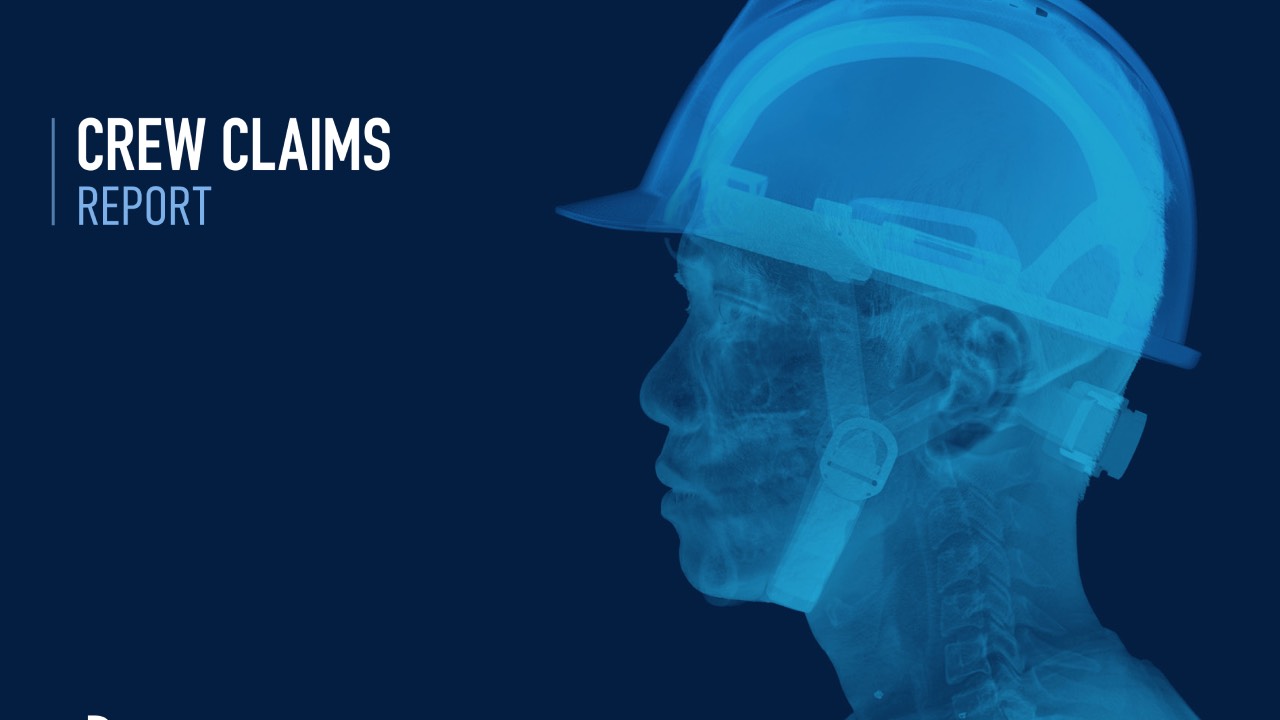
Britannia P&I Club analysis finds four in five crew deaths linked to illness rather than accidents
New report highlights cardiovascular disease as leading cause of fatalities and raises concerns over mental health risks among younger seafarers.…
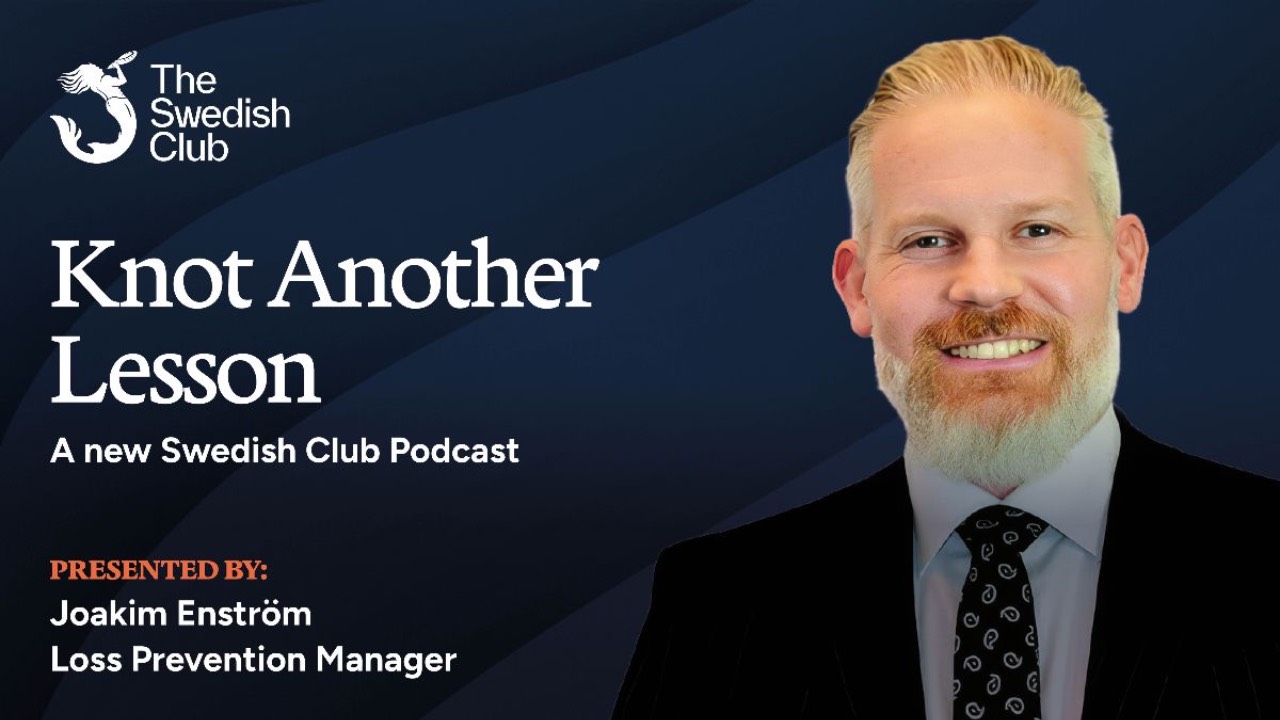
The Swedish Club launches new Loss Prevention podcast, Knot Another Lesson
The Swedish Club has launched Knot Another Lesson, a new podcast exploring the practical lessons, emerging risks and operational challenges shaping…
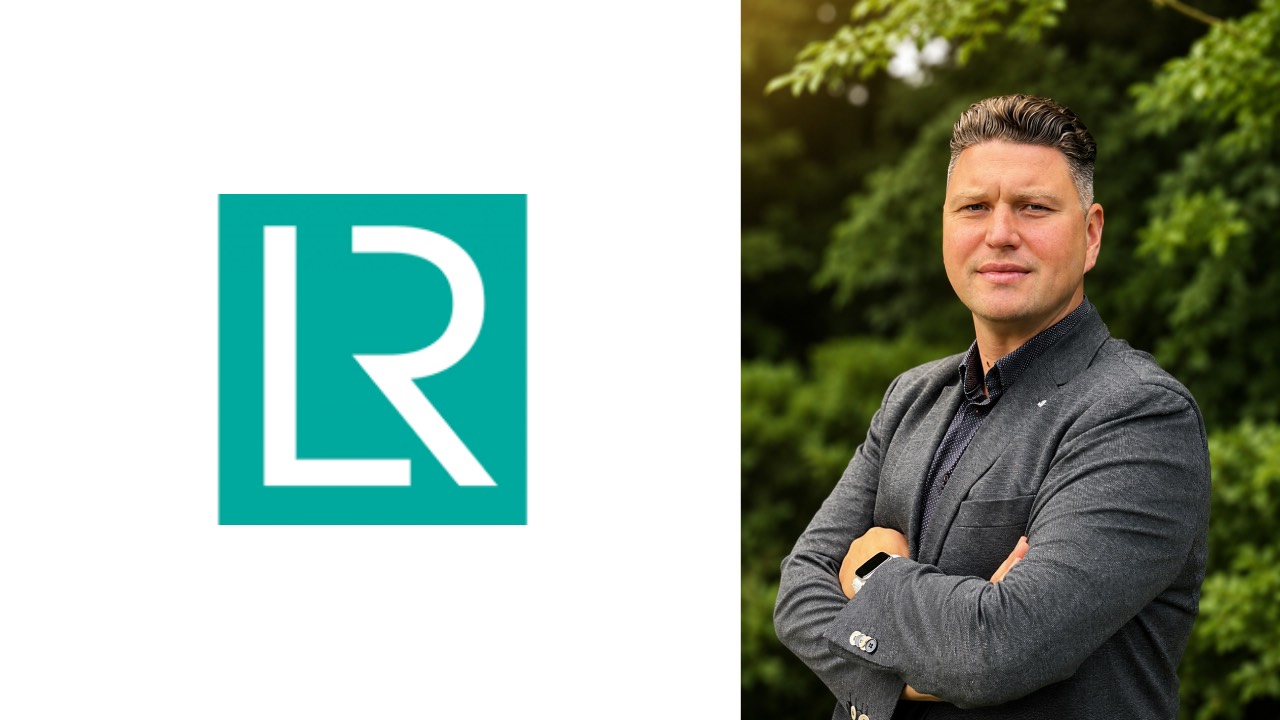
Lloyd’s Register appoints Jens Grunenberg as Senior Representative for Germany
Lloyd’s Register has appointed Jens Grunenberg as its Senior Representative for Germany, effective 1 September. Based in Hamburg, Grunenberg will…
Indian Register of Shipping sets sights on Hamburg for European Expansion
Indian Register of Shipping, a leading international classification society and full member of the International Association of Classification…
MOL completes Merger of 6 Ship Management Companies
Unifying Management of Over 200 Vessels and Strengthening Safety Mitsui O.S.K. Lines, announced that it has completed the integration of the MOL…
Subscribe to our newsletter!
if you dont want to swim alone in the ocean of news, sign up for the newsletter, and you will receive daily all the important news of world shipping!
