Misrepresenting status of Methane Slip Risks delaying shipping’s decarbonisation

Methane slip from LNG-fuelled vessels is a recognised problem that the maritime industry has been actively addressing for well over a decade. SEA-LNG is disappointed to see the ongoing campaign of misinformation that misrepresents the progress the industry has made, and is continuing to make, to reduce slip. Sensationalist claims lacking scientific evidence are a transparent attempt to distract the industry from investing in LNG – a solution that can deliver immediate greenhouse gas emissions reductions and provide a low risk, incremental pathway for full decarbonisation of the maritime sector.
At SEA-LNG, we believe in and support transparent and professional studies and analyses using current data and peer-reviewed by academics. We are confident in the analysis published in 2021 by ESG lifecycle experts, Sphera, based on primary data from all major engine manufacturers and reviewed by independent academic experts. This study shows that LNG-fuelled engines have GHG benefits compared with current oil-based engines of between 20% to 30% for 2-stroke slow-speed engines, and 11% to 21% for 4-stroke medium speed engines, inclusive of methane slip. With the ongoing steady technological advancements, the GHG benefits will only improve in the future versions of LNG-fuelled engines as the technologies are more widely adopted by the shipping sector.
It is important to recognise that methane slip represents a waste of precious energy. Engine manufacturers are commercially incentivised to reduce slip to improve overall efficiency and performance. LNG-fuelled engines are available now which have minimal levels of slip: these engines represent at least half the LNG new build order book. For those technologies for which slip remains an issue, levels have fallen four-fold since the early 2000s and engine manufacturers continue to identify technological pathways that will mean all LNG-fuelled engines have minimal levels of methane slip by 2030, if not sooner.
Regulations are also being developed by the International Maritime Organization (IMO) and the European Union to further reinforce this industry-led direction. The regulatory initiatives can be expected to make methane slip a regulatory compliance issue for the shipping industry.
Further, the industry is also undertaking projects to improve on-board monitoring of methane slip and develop exhaust gas after-treatment catalyst systems to deal with any methane that may inadvertently escape the combustion chamber.
In summary, LNG is a step in the right direction today. It is the only widely available marine fuel that immediately cuts GHG emissions compared with traditionally powered vessels. The LNG pathway that SEA-LNG supports also offers a route to net-zero greenhouse gas emissions for the shipping industry through the continual introduction of available bioLNG and ultimately renewable synthetic LNG. Emission-neutral bioLNG is already being bunkered in Europe and North America. We continue to be confident that bioLNG and renewable synthetic LNG will be an integral part of a basket of net-zero emission marine fuels in the future.



Related News.
Cyprus Maritime Innovation takes Centre Stage at SMM Hamburg 2026
Underscoring its expanding role as a premier international hub for cutting-edge maritime technology and sustainable shipping, the Republic of Cyprus…

Trump seeks to refill US oil reserve with Venezuela deal but faces long delay
U.S. President Donald Trump said on the 30th (local time) that he would refill the U.S. Strategic Petroleum Reserve, which has been depleted with…
US Navy Official visits South Korean Shipyards in private
With U.S. President Donald Trump pushing a plan to allow overseas construction of U.S. warships, attention is focusing on whether the building of…
SES and De Boer Marine expand collaboration with FlexMaritime deployment across Global Markets
SES, a leading space solutions company, and De Boer Marine, a leading provider of top-quality marine equipment and maritime connectivity services,…

New ESG guidance to help maritime industry turn sustainability into commercial advantage
New framework helps shipowners and ports align ESG strategy with access to capital, charterer expectations and long-term asset value. Maritime…

Britannia P&I Club analysis finds four in five crew deaths linked to illness rather than accidents
New report highlights cardiovascular disease as leading cause of fatalities and raises concerns over mental health risks among younger seafarers.…
The Swedish Club launches new Loss Prevention podcast, Knot Another Lesson
The Swedish Club has launched Knot Another Lesson, a new podcast exploring the practical lessons, emerging risks and operational challenges shaping…

Lloyd’s Register appoints Jens Grunenberg as Senior Representative for Germany
Lloyd’s Register has appointed Jens Grunenberg as its Senior Representative for Germany, effective 1 September. Based in Hamburg, Grunenberg will…
Indian Register of Shipping sets sights on Hamburg for European Expansion
Indian Register of Shipping, a leading international classification society and full member of the International Association of Classification…
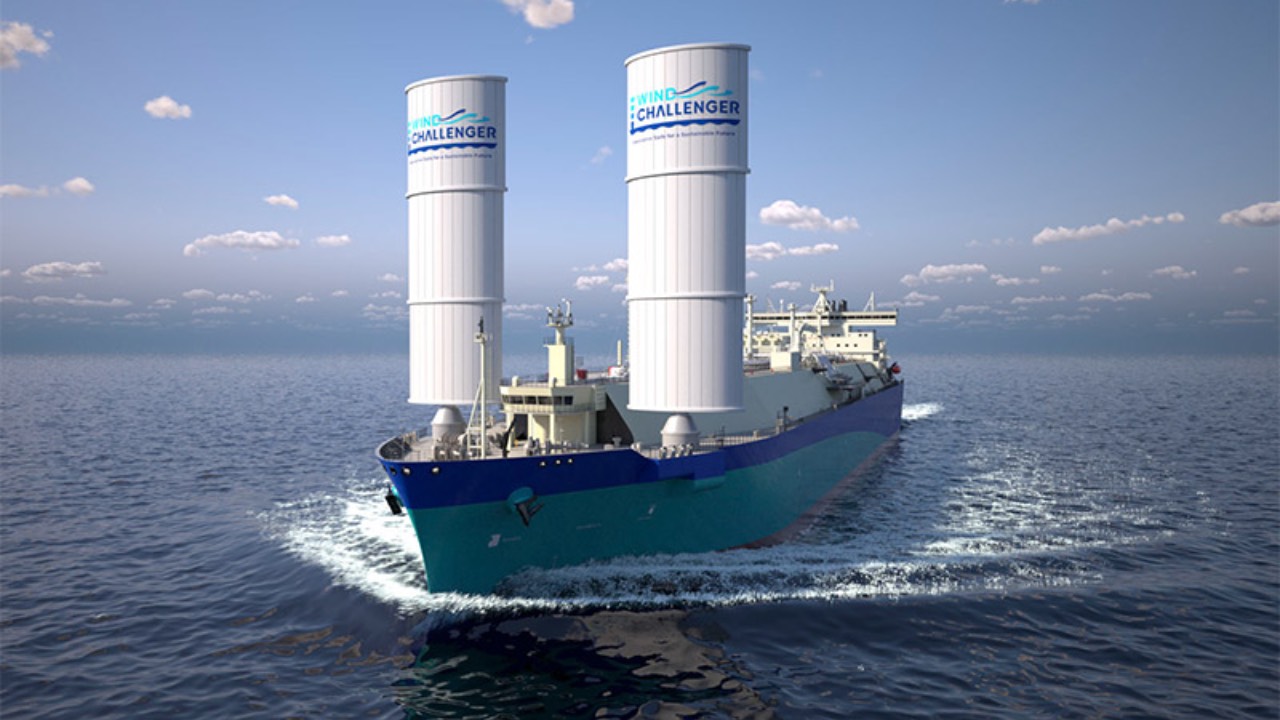
MOL completes Merger of 6 Ship Management Companies
Unifying Management of Over 200 Vessels and Strengthening Safety Mitsui O.S.K. Lines, announced that it has completed the integration of the MOL…
Subscribe to our newsletter!
if you dont want to swim alone in the ocean of news, sign up for the newsletter, and you will receive daily all the important news of world shipping!
