Progress on life cycle GHG emissions guidelines and impact assessment of measures at IMO working group
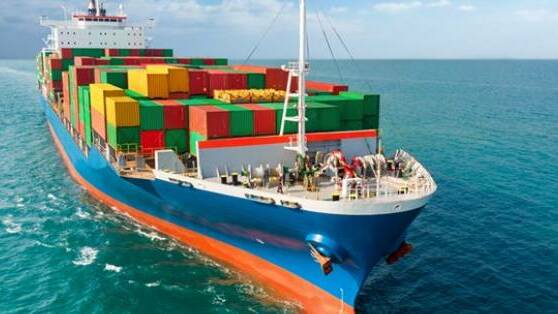

Intersessional Working Group on Reduction of GHG Emissions from Ships (ISWG-GHG 11), 14-18 March 2022
Progress on developing draft lifecycle GHG and carbon intensity guidelines for marine fuels and assessment of impacts of GHG measures has been made by an International Maritime Organization (IMO) working group.
The session, held remotely, was attended by more than 430 participants from some 70 Member States, as well as from NGOS in consultative status with IMO.
The Intersessional Working Group on Reduction of GHG Emissions from Ships (ISWG-GHG 11), which met 14-18 March, also considered proposals on how to keep the impacts of the short-term measure under review and proposals for the revision of the ship fuel oil consumption Data Collection System (DCS).
The short term measure to reduce carbon intensity was adopted as amendments to MARPOL Annex VI in June 2021 and includes the Energy Efficiency Existing Ship Index (EEXI); annual operational carbon intensity indicator (CII) and CII rating.
The Working Group’s report will be submitted to the Marine Environment Protection Committee (MEPC) at its next session in June (MEPC 78, 6-10 June 2022).
Lifecycle GHG emission guidelines for marine fuels
The Working Group noted the urgency of the development of draft lifecycle GHG and carbon intensity guidelines for marine fuels as expressed by many delegations to facilitate investment decisions, and following detailed discussions aimed to finalize the draft guidelines at MEPC 79 (12-16 December).
To that purpose, the Working Group proposed the establishment of a correspondence group to further develop the draft guidelines using the draft guidelines submitted by Member States as a basis.
The working group agreed that the standalone technical lifecycle guidelines would cover Well-to-Wake, including Well-to-Tank and Tank-to-Wake, emission values, but that any regulatory application of the guidelines would be defined in a separate process.
Recalling that the guidelines would be fuel-neutral, the working group also agreed that the main “initial” feedstocks to be included in the draft LCA guidelines would not be considered as “priority” fuels to avoid discriminating against other possible feedstocks and pathways and prejudging further discussions. Initial feedstocks merely represented the main current and expected future marine fuels.
A candidate short-term measure in the IMO Initial GHG Strategy refers to developing “robust lifecycle GHG/carbon intensity guidelines for all types of fuels, in order to prepare for an implementation programme for effective uptake of alternative low-carbon and zero-carbon fuels”.
The lifecycle refers to the assessment of greenhouse gas emissions from the fuel production to the ship (Well-to-Wake); from primary production to carriage of the fuel in a ship’s tank (Well-to-Tank, also known as upstream emissions) and from the ship’s fuel tank to the exhaust (Tank-to-Propeller or Tank-to-Wake, also known as downstream emissions).
Candidate future low-carbon and zero-carbon fuels for shipping have diverse production pathways (for example, different generations of biofuels, hydrogen-based fuels, etc.) entailing significant differences in their overall environmental footprint.
Impact assessments of candidate GHG reduction measures
The Initial IMO GHG strategy recognizes that the impacts on States of a proposed measure should be assessed and taken into account as appropriate, with particular attention paid to the needs of developing countries, especially small island developing States (SIDS) and least developed countries (LDCs).
The Working Group reconfirmed that the Initial IMO GHG Strategy identified work on the assessment of impacts on States as a key element of the Organization’s efforts in reducing GHG emissions from ships whilst that impact assessment process needed to be both a meaningful and a manageable task.
The group considered the report of an Ad-hoc Expert Workshop on Impact Assessments (which met 8-9 March 2022) which had considered various procedural and methodological issues related to assessment of impacts of candidate GHG reduction measures.
Overall, the Working Group expressed its appreciation to the process and methodologies used under the comprehensive impact assessment of the short-term measure and confirmed that it provided a solid basis for future comprehensive impact assessments.
The Working Group reiterated the need for relevant methodological and process-related improvements. A draft text of process and methodological elements to complement the procedure for assessing impacts on states of candidate measure was developed and will be considered again by the Group later this year. The aim is that this could be included in a future revision of the Procedure for assessing impacts on States of candidate measures (MEPC.1/Circ.885)
It was noted that further work was needed to complete the lessons-learned exercise of the comprehensive impact assessment of the short-term measure, in order for this to be completed by MEPC 79.
Maritime Transport Cost Data collection in the Pacific region
The Working Group was informed by the Secretariat that in follow-up to the identified data gaps in the comprehensive impact assessment of the short-term GHG reduction measure, it had initiated a new study aimed at improving the availability of maritime transport costs data in the Pacific region. This initiative is aimed at facilitating future impact assessments of candidate mid-term GHG reduction measures.
The project is funded by the IMO’s multi-donor GHG TC Trust Fund and will be implemented by the MTCC-Pacific, in cooperation with other organizations active in the region.
Revision of the ship fuel oil consumption Data Collection System (DCS)
In 2016 IMO adopted the mandatory IMO Data Collection System (DCS) for ships to collect and report fuel oil consumption data from ships over 5,000 gt (the first calendar year data collection was completed in 2019).
The Working Group agreed draft amendments to MARPOL Annex VI Appendix IX Information to be submitted to the IMO Ship Fuel Oil Consumption Database, to include more information on the ship’s carbon intensity performance (EEXI and CII). The Secretary-General was invited to circulate the draft amendments for adoption at MEPC 79.
Following discussion on other potential amendments to Appendix IX of MARPOL Annex VI and associated guidelines on the data collection system, the Working Group agreed to initiate a workstream on the revision of the Ship Fuel Oil Consumption Data Collection System. It recommended that the Committee invite interested Member States and international organizations to submit concrete proposals to a future Working Group session.
Next ISWG-GHG
The 12th session of the Intersessional Working Group on Reduction of GHG Emissions from Ships (ISWG-GHG 12) is schedule to meet 16-20 May. It will consider the final report of the Correspondence Group on Carbon Intensity Reduction and concrete proposals for midterm measures and associated impact assessments, including the proposal to establish an International Maritime Research Board, in the context of IMO’s Work plan on the development mid-term GHG reduction measures;.



Related News.
Cyprus Maritime Innovation takes Centre Stage at SMM Hamburg 2026
Underscoring its expanding role as a premier international hub for cutting-edge maritime technology and sustainable shipping, the Republic of Cyprus…

Trump seeks to refill US oil reserve with Venezuela deal but faces long delay
U.S. President Donald Trump said on the 30th (local time) that he would refill the U.S. Strategic Petroleum Reserve, which has been depleted with…

US Navy Official visits South Korean Shipyards in private
With U.S. President Donald Trump pushing a plan to allow overseas construction of U.S. warships, attention is focusing on whether the building of…

SES and De Boer Marine expand collaboration with FlexMaritime deployment across Global Markets
SES, a leading space solutions company, and De Boer Marine, a leading provider of top-quality marine equipment and maritime connectivity services,…

New ESG guidance to help maritime industry turn sustainability into commercial advantage
New framework helps shipowners and ports align ESG strategy with access to capital, charterer expectations and long-term asset value. Maritime…

Britannia P&I Club analysis finds four in five crew deaths linked to illness rather than accidents
New report highlights cardiovascular disease as leading cause of fatalities and raises concerns over mental health risks among younger seafarers.…

The Swedish Club launches new Loss Prevention podcast, Knot Another Lesson
The Swedish Club has launched Knot Another Lesson, a new podcast exploring the practical lessons, emerging risks and operational challenges shaping…

Lloyd’s Register appoints Jens Grunenberg as Senior Representative for Germany
Lloyd’s Register has appointed Jens Grunenberg as its Senior Representative for Germany, effective 1 September. Based in Hamburg, Grunenberg will…
Indian Register of Shipping sets sights on Hamburg for European Expansion
Indian Register of Shipping, a leading international classification society and full member of the International Association of Classification…
MOL completes Merger of 6 Ship Management Companies
Unifying Management of Over 200 Vessels and Strengthening Safety Mitsui O.S.K. Lines, announced that it has completed the integration of the MOL…
Subscribe to our newsletter!
if you dont want to swim alone in the ocean of news, sign up for the newsletter, and you will receive daily all the important news of world shipping!
