Ardmore Shipping energy transition plans for the future


Steve Laybourn, Chartering Manager Europe and Head of Energy Transition Projects at Ardmore Shipping, shares his thoughts on Ardmore’s Energy Transition Plan (ETP), which addresses shipping’s need to decarbonize.
The world is used to energy transitions. Within the context of ships and shipping, the pre-industrialized world relied on humans with oars, before the arrival of sailing ships in the 15th century which provided the catalyst for the Age of Discovery and the advent of global trade.
Industrialisation brought with it coal and steam ships, before we finally emerged into the modern age with the use of petroleum products in internal combustion engines. However, the adoption of the Paris Agreement in December 2015 signaled the start of the latest, and most important, part of the energy transition to date. This transition is the decarbonization of the global energy sector, by moving away from fossil fuels in favor of renewable energy.
A 2020 study by the International Maritime Organization (IMO) estimated that, as of 2018, CO2 emissions from shipping accounted for 2.89% of all global emissions. Therefore, shipping has a significant part to play in the energy transition. Over the last year, Ardmore worked on developing a response to shipping’s need for decarbonization. The result is the Ardmore Energy Transition Plan (“ETP”), which was published as part of their 2020 Progress Report and is available on their website.
The ETP has been developed as a logical extension of our current strategy in view of the changing landscape for tanker business and forthcoming environmental regulatory changes impacting shipping. Our core business of product & chemical tankers will continue to be front and center with the ETP intended to enhance performance, create long-term growth opportunities, and augment our business with potential new revenue streams.
While some of the initiatives we have planned will yield results in the short-term, this is fundamentally a long-term plan which will unfold over years not months, which is in keeping with our stable and consistent approach to strategy.
The plan entails three elements: technology, projects and sustainable cargoes. In terms of technology, we strongly believe in working with technical and commercial partners to develop solutions addressing the energy transition including onboard energy efficiency and future fuels (zero-carbon or carbon-neutral). This requires us to look with fresh eyes at all solutions to improve hydrodynamic efficiency, electrical load reduction and substitute power sources, main engine and power transmission efficiency, operational efficiency improvements. Additionally, dual-fuel engine technologies, generator substitutes, fuel cell and ancillary technology applications are all areas worth considering when looking at retrofitting vessels and fleets.
In terms of sustainable cargoes, Ardmore Shipping has a long history operating chemical tankers and cross-trading MRs into chemical tanker trade. Presently 25% of their cargoes are “non- fossil fuel,” i.e. other than gasoline, diesel, jet, and fuel oil which will continue to decline. These cargoes include organic and inorganic chemicals, vegetable oils, and bio-fuels which they believe are “sustainable” in the sense that demand will grow through the energy transition and they will themselves be sustainably produced.
By embarking on this journey, Ardmore is setting out a clear sense of purpose; to play a pivotal role in the energy transition by leading the way toward true sustainability as a tanker company.



Related News.
Cyprus Maritime Innovation takes Centre Stage at SMM Hamburg 2026
Underscoring its expanding role as a premier international hub for cutting-edge maritime technology and sustainable shipping, the Republic of Cyprus…

Trump seeks to refill US oil reserve with Venezuela deal but faces long delay
U.S. President Donald Trump said on the 30th (local time) that he would refill the U.S. Strategic Petroleum Reserve, which has been depleted with…
US Navy Official visits South Korean Shipyards in private
With U.S. President Donald Trump pushing a plan to allow overseas construction of U.S. warships, attention is focusing on whether the building of…
SES and De Boer Marine expand collaboration with FlexMaritime deployment across Global Markets
SES, a leading space solutions company, and De Boer Marine, a leading provider of top-quality marine equipment and maritime connectivity services,…
New ESG guidance to help maritime industry turn sustainability into commercial advantage
New framework helps shipowners and ports align ESG strategy with access to capital, charterer expectations and long-term asset value. Maritime…

Britannia P&I Club analysis finds four in five crew deaths linked to illness rather than accidents
New report highlights cardiovascular disease as leading cause of fatalities and raises concerns over mental health risks among younger seafarers.…
The Swedish Club launches new Loss Prevention podcast, Knot Another Lesson
The Swedish Club has launched Knot Another Lesson, a new podcast exploring the practical lessons, emerging risks and operational challenges shaping…
Lloyd’s Register appoints Jens Grunenberg as Senior Representative for Germany
Lloyd’s Register has appointed Jens Grunenberg as its Senior Representative for Germany, effective 1 September. Based in Hamburg, Grunenberg will…
Indian Register of Shipping sets sights on Hamburg for European Expansion
Indian Register of Shipping, a leading international classification society and full member of the International Association of Classification…
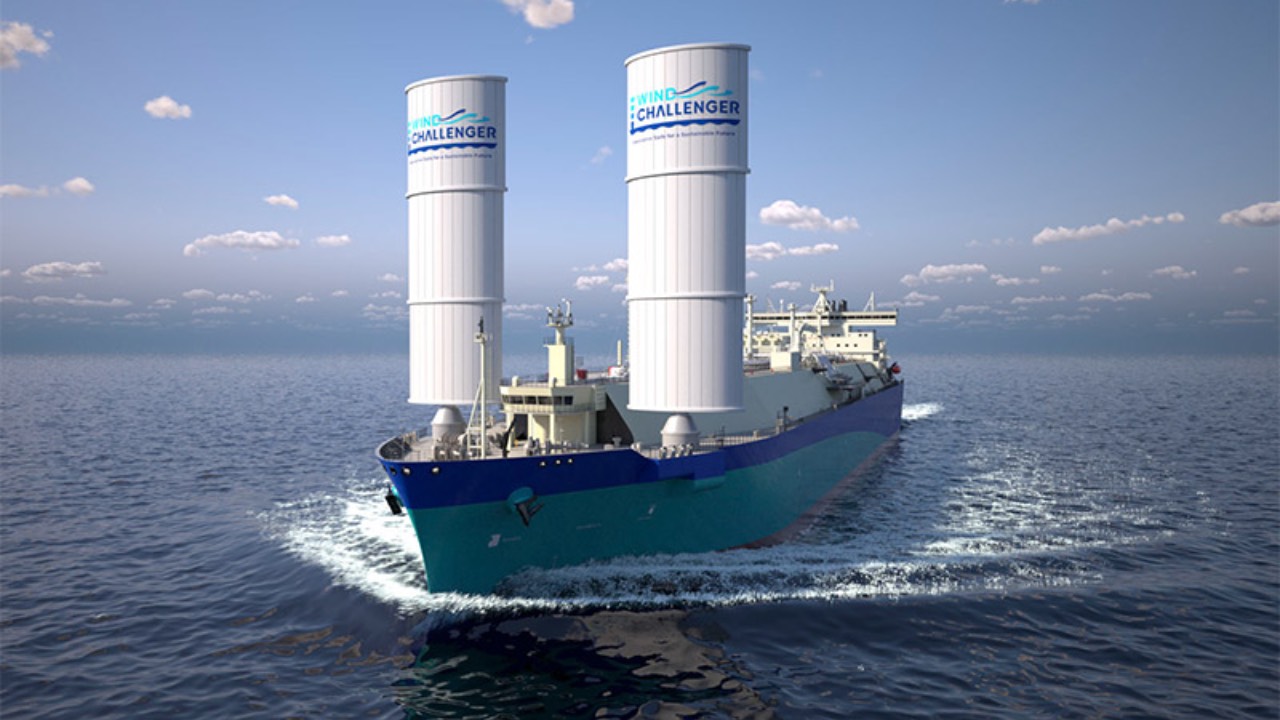
MOL completes Merger of 6 Ship Management Companies
Unifying Management of Over 200 Vessels and Strengthening Safety Mitsui O.S.K. Lines, announced that it has completed the integration of the MOL…
Subscribe to our newsletter!
if you dont want to swim alone in the ocean of news, sign up for the newsletter, and you will receive daily all the important news of world shipping!
