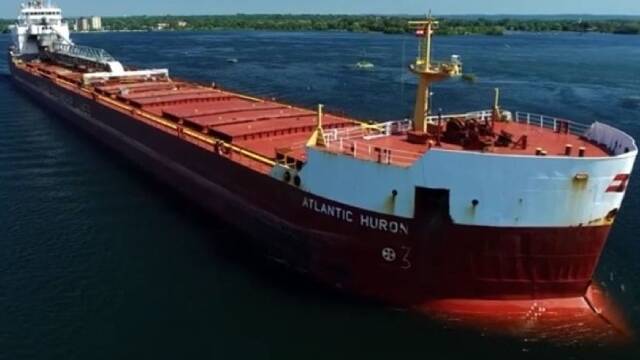

The incorrect installation of a single set screw led to the loss of propulsion control on the Canadian-flagged, 736-foot-long Atlantic Huron, causing the ship to strike a pier at 6.8 knots, the National Transportation Safety Board said Tuesday.
Marine Accident Brief 21/10 is the NTSB report on the July 5, 2020, contact between the self-unloading bulk carrier and a pier associated with the Soo Locks, in Sault Sainte Marie, Michigan, resulting in $2.2 million in damage. There were no injuries.
While on approach to the locks and attempting to slow, there was a propulsion problem involving the vessel’s controllable pitch propeller system that resulted in the ship moving forward with increasing speed instead of slowing or moving astern, as ordered by the captain. In a controllable pitch propeller, the blades are not fixed in position but are fastened to the hub in a way that allows them to rotate and thereby change pitch. The blade pitch determines both the vessel’s speed and its direction.
NTSB investigators traced the problem back to a small set screw that was installed in a piece of the controllable pitch propeller machinery that controlled pitch. Vessel maintenance records show the set screw was last removed and reinstalled during a shipyard period more than four years before the accident. When the set screw was examined post-accident, technicians found no evidence that any manufacturer-required thread-locking fluid had been applied. As a result, the set screw was able to back out, beginning a sequence of mechanical failures that resulted in the ship moving ahead when it was supposed to be doing the opposite, while still indicating an astern pitch on the ship’s bridge.
NTSB investigators also noted there was a delay between the onset of the propulsion problem and the order to stop the engine.
At the time of the accident, the company’s safety management system procedures aboard the Atlantic Huron did not contain a policy addressing how to respond to a loss of propeller pitch control, NTSB investigators found. Part of a safety management system should address potential emergency shipboard situations and establish ways to respond to them. If the company provided an SMS vessel-specific policy pertaining to the loss of propeller pitch control, crewmembers trained in and familiar with the policy would be better prepared to act quickly and, in this accident, may have been more apt to stop the main engine.
“Loss of propulsion control in a critical phase of operation demands crewmembers act quickly to mitigate potential accidents,” the report said. “Due to their unique blade control, vessels with controllable pitch propellers should have specific procedures for loss of engine and loss of pitch control. These emergency procedures should be well understood and practiced by crewmembers both on the bridge and in the engine room.”
Marine Accident Brief 21/10 is available online at https://go.usa.gov/xHQEV.



Related News.

Cyprus Maritime Innovation takes Centre Stage at SMM Hamburg 2026
Underscoring its expanding role as a premier international hub for cutting-edge maritime technology and sustainable shipping, the Republic of Cyprus…

Trump seeks to refill US oil reserve with Venezuela deal but faces long delay
U.S. President Donald Trump said on the 30th (local time) that he would refill the U.S. Strategic Petroleum Reserve, which has been depleted with…
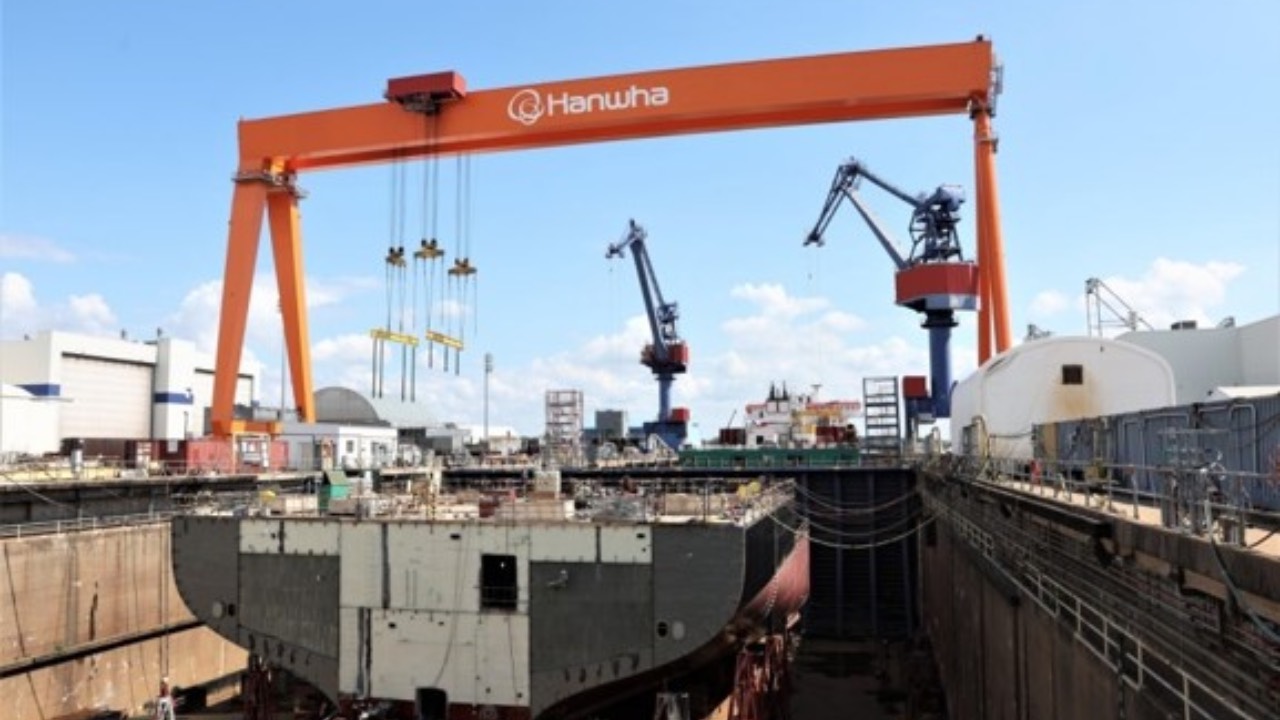
US Navy Official visits South Korean Shipyards in private
With U.S. President Donald Trump pushing a plan to allow overseas construction of U.S. warships, attention is focusing on whether the building of…

SES and De Boer Marine expand collaboration with FlexMaritime deployment across Global Markets
SES, a leading space solutions company, and De Boer Marine, a leading provider of top-quality marine equipment and maritime connectivity services,…

New ESG guidance to help maritime industry turn sustainability into commercial advantage
New framework helps shipowners and ports align ESG strategy with access to capital, charterer expectations and long-term asset value. Maritime…

Britannia P&I Club analysis finds four in five crew deaths linked to illness rather than accidents
New report highlights cardiovascular disease as leading cause of fatalities and raises concerns over mental health risks among younger seafarers.…
The Swedish Club launches new Loss Prevention podcast, Knot Another Lesson
The Swedish Club has launched Knot Another Lesson, a new podcast exploring the practical lessons, emerging risks and operational challenges shaping…

Lloyd’s Register appoints Jens Grunenberg as Senior Representative for Germany
Lloyd’s Register has appointed Jens Grunenberg as its Senior Representative for Germany, effective 1 September. Based in Hamburg, Grunenberg will…

Indian Register of Shipping sets sights on Hamburg for European Expansion
Indian Register of Shipping, a leading international classification society and full member of the International Association of Classification…
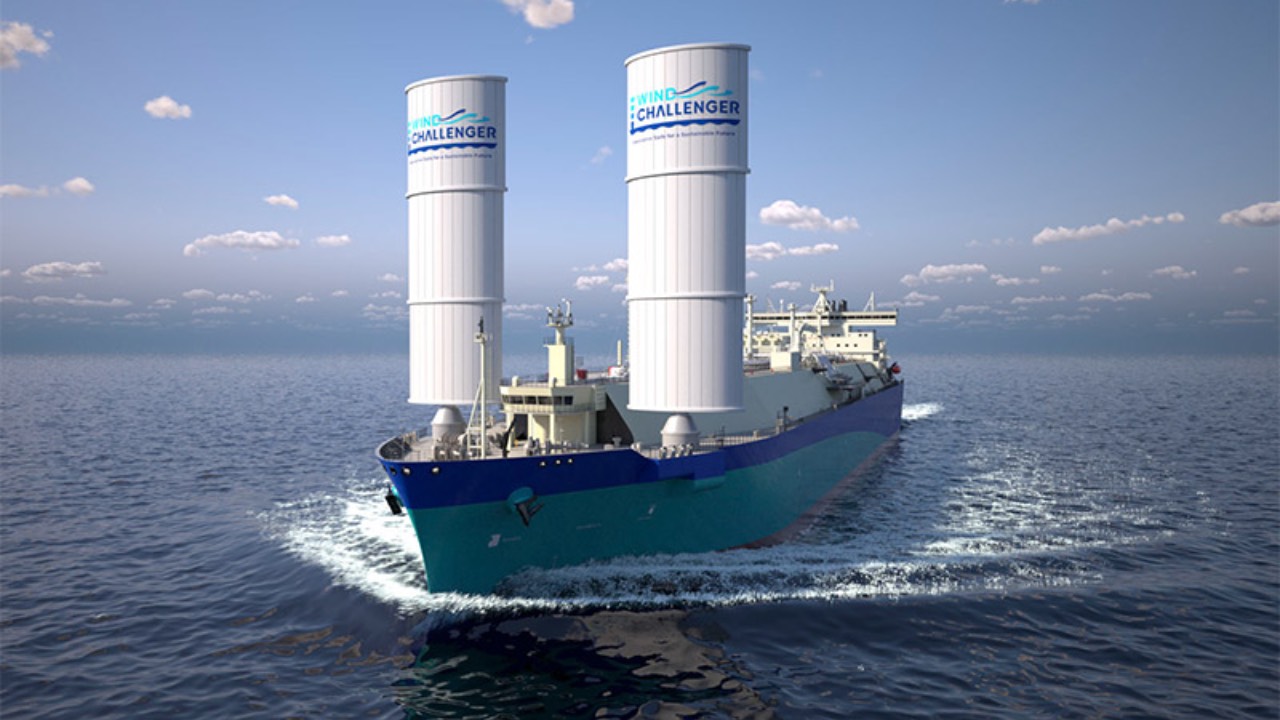
MOL completes Merger of 6 Ship Management Companies
Unifying Management of Over 200 Vessels and Strengthening Safety Mitsui O.S.K. Lines, announced that it has completed the integration of the MOL…
Subscribe to our newsletter!
if you dont want to swim alone in the ocean of news, sign up for the newsletter, and you will receive daily all the important news of world shipping!
