Hapag-Lloyd published new sustainability report “Tapping the future of shipping”


- Sulphur oxides reduced by 70% compared to the previous year
- Additional fuel savings achieved through ship optimisations
- New propulsion concepts tested, and state-of-the-art ships ordered
- Focus remains on ensuring the safety and well-being of our employees
- New sustainability strategy with concrete goals to be published later this year
Hapag-Lloyd published its Sustainability Report 2020 today and has once again made significant progress in environmental, social, qualitative and economic terms: Since the beginning of last year, Hapag-Lloyd’s fleet has been operating using IMO 2020-compliant low-sulphur fuel oil, thereby reducing its sulphur-oxide emissions by roughly 70 percent compared to 2019. In addition, fuel savings of around 15 percent were achieved on 39 vessels by removing fouling from their outer hulls. At the same time, Hapag-Lloyd is the first shipping company in the world that has converted a large container ship to dual-fuel propulsion, which can operate using liquefied natural gas (LNG). Furthermore, in an initial test phase, biofuels based on used cooking oil were used. Moreover, orders have been placed for six state-of-the-art container ships – each with a capacity of more than 23,500 TEU – whose fuel-efficient high-pressure dual-fuel engines will also be able to operate using LNG, thereby reducing CO2 emissions by between roughly 15 and 25 percent. These newbuilding projects geared towards sustainability have been financed by two green financing transactions, which were concluded according to the Green Loan Principles of the Loan Market Association (LMA).
Owing to the coronavirus pandemic, the safety and well-being of employees had a particularly high priority during the year under review, with the result that more than 90 percent of our land-based employees were working from home at times. However, great demands were also placed on the seafarers on board our ships, as crew changes were made considerably more difficult by multiple entry restrictions and many of them had to stay on board much longer than originally planned. For this reason, considerable efforts were also made to get them back to their families and loved ones safely and as quickly as possible.
However, the biggest challenge in the years ahead will continue to be climate change, and more will need to be invested in research and development related to propulsion concepts and fuels if we are to reach the goal of achieving climate neutrality in shipping. Shipping already accounts for 3 percent of all CO2 emissions today, and this must be further reduced in the future. That is also why our new sustainability report bears the title: “Tapping the future of shipping”. Of course, container ships are still the most efficient means of transporting large quantities of goods, including from an environmental point of view. Yet even with these efficiency-related advantages, it is clear that much more needs to be done for climate protection.
“We have made a lot of progress in all sustainability dimensions. At the same time, we are conscious of the fact that we also have a very great responsibility when it comes to climate protection. We will therefore continue to work hard to modernise our fleet and to reduce our carbon footprint. This will likewise remain an essential part of our new sustainability strategy, which we will be publishing later this year. At its core, it is about continuously increasing our contribution to sustainability-related efforts and making incremental improvements,” said Rolf Habben Jansen, CEO of Hapag-Lloyd.
With its new sustainability strategy, Hapag-Lloyd will set itself specific targets for the next 10 years. One was already announced in March 2021, when Hapag-Lloyd successfully placed a “sustainability-linked bond” that is connected to a clearly defined sustainability target: By 2030, the CO2 intensity of Hapag-Lloyd’s own fleet is to be reduced by 60 percent compared with 2008, the reference year of the International Maritime Organization (IMO). Improvements in the CO2 intensity will be measured and annually disclosed according to the so-called Average Efficiency Ratio (AER) indicator, which was 11.68 in 2008 and is expected to fall to 4.67 by 2030. The AER provides information on CO2 intensity and is measured in grams of CO2 per tonne-mile (gCO2/dwt*nm).
You can find the new sustainability report for the 2020 financial year here:
https://www.hapag-lloyd.com/en/about-us/sustainability/sustainability-report.html



Related News.
Cyprus Maritime Innovation takes Centre Stage at SMM Hamburg 2026
Underscoring its expanding role as a premier international hub for cutting-edge maritime technology and sustainable shipping, the Republic of Cyprus…

Trump seeks to refill US oil reserve with Venezuela deal but faces long delay
U.S. President Donald Trump said on the 30th (local time) that he would refill the U.S. Strategic Petroleum Reserve, which has been depleted with…
US Navy Official visits South Korean Shipyards in private
With U.S. President Donald Trump pushing a plan to allow overseas construction of U.S. warships, attention is focusing on whether the building of…
SES and De Boer Marine expand collaboration with FlexMaritime deployment across Global Markets
SES, a leading space solutions company, and De Boer Marine, a leading provider of top-quality marine equipment and maritime connectivity services,…
New ESG guidance to help maritime industry turn sustainability into commercial advantage
New framework helps shipowners and ports align ESG strategy with access to capital, charterer expectations and long-term asset value. Maritime…

Britannia P&I Club analysis finds four in five crew deaths linked to illness rather than accidents
New report highlights cardiovascular disease as leading cause of fatalities and raises concerns over mental health risks among younger seafarers.…
The Swedish Club launches new Loss Prevention podcast, Knot Another Lesson
The Swedish Club has launched Knot Another Lesson, a new podcast exploring the practical lessons, emerging risks and operational challenges shaping…

Lloyd’s Register appoints Jens Grunenberg as Senior Representative for Germany
Lloyd’s Register has appointed Jens Grunenberg as its Senior Representative for Germany, effective 1 September. Based in Hamburg, Grunenberg will…
Indian Register of Shipping sets sights on Hamburg for European Expansion
Indian Register of Shipping, a leading international classification society and full member of the International Association of Classification…
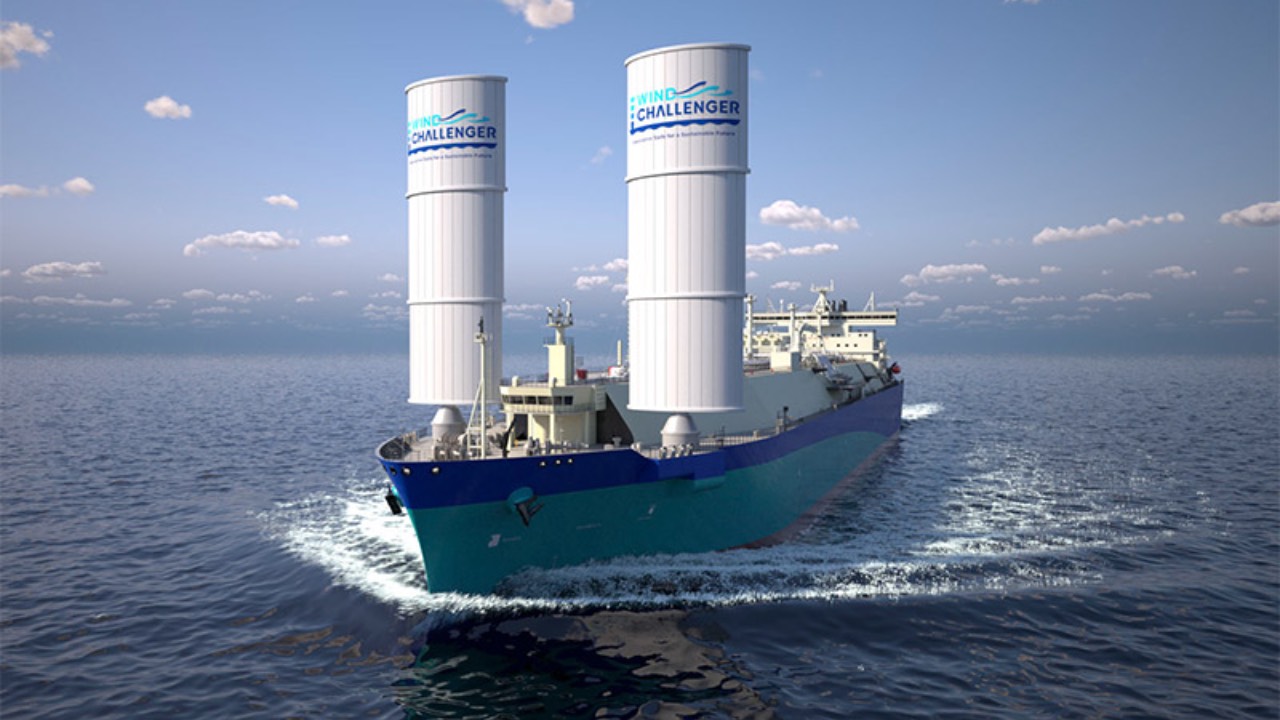
MOL completes Merger of 6 Ship Management Companies
Unifying Management of Over 200 Vessels and Strengthening Safety Mitsui O.S.K. Lines, announced that it has completed the integration of the MOL…
Subscribe to our newsletter!
if you dont want to swim alone in the ocean of news, sign up for the newsletter, and you will receive daily all the important news of world shipping!
