IMO2020 fuel oil sulphur limit – cleaner air, healthier planet
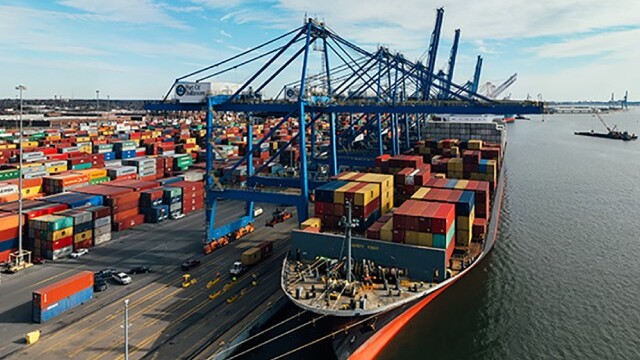

Reduced limit on sulphur in marine fuel oil implemented smoothly through 2020.

On 1 January 2020, new reduced limits on sulphur in fuel oil brought about a 70% cut in total sulphur oxide emissions from shipping, ushering in a new era of cleaner air in ports and coastal areas by using less polluting fuels.
One year on, indications are that the transition has been extremely smooth, a testament to the preparations of all stakeholders prior to the new rules entering into force.
The upper limit of the sulphur content of ships’ fuel oil was reduced to 0.5% (from 3.5% previously) – under the so-called “IMO 2020” regulation prescribed in the MARPOL Convention. This significantly reduces the amount of sulphur oxide emanating from ships.
“Through 2020, just 55 cases of 0.50% compliant fuel being unavailable had been reported in IMO’s Global Integrated Shipping Information System (GISIS),” said Roel Hoenders, Head of Air Pollution and Energy Efficiency at IMO (see FONAR reports section below).
“Given that more than 60,000 ships plied the world’s oceans in trade last year, this was a remarkably low percentage of ships encountering difficulty in obtaining compliant fuel. We had a great deal of preparation during 2019 and before, from all stakeholders and all indications are that there have been no significant issues with supply of low sulphur fuel oil.”
Even during the COVID-19 pandemic, cargo-carrying ships have continued to deliver goods and commodities, including essential foods and medicines, around the world and the introduction and implementation of IMO 2020 did not cause any disruptions in trade.
Compliant fuels include very low sulphur fuel oil (VLSFO) and marine gas oil (MGO). Some ships limit their air pollutants by installing exhaust gas cleaning systems, also known as “scrubbers”. This is accepted under the MARPOL Convention as an alternative means to meet the sulphur limit requirement. Over 2,350 systems have formally been reported to IMO as an approved “equivalent method” by Administrations (flag States).)
Ships can also have engines which are able to use different fuels, which may contain low or zero sulphur, such as liquefied natural gas or biofuels.
The majority of ships trading worldwide switched from using heavy fuel oil (HFO) to using VLSFO. Generally speaking, these are new blends of fuel oil, produced by refineries to meet the new limit, in accordance with IMO guidance and ISO standards.
Guidance issued by IMO on dealing with the new fuel blends in advance of the new requirement addressed implications of switching to VLSFO, including assessing and managing risks and highlighting potential safety risks, so that the risks can be mitigated.
Through 2020, and into 2021 to date, IMO has not received any reports of safety issues linked to VLSFO.
Nonetheless, during 2020, an IMO correspondence group considered fuel oil safety issues in general and the need for further mandatory requirements to ensure fuel oil supplied meets the required standards and quality. The report of the group (MSC 102/6) is available on IMODOCS and will be discussed at the next session of IMO’s Maritime Safety Committee (MSC), MSC 103 in May 2021.
Prior to that, the eighth session of the Sub-Committee on Prevention of Pollution from Ships (PPR 8), scheduled to meet remotely from 22 to 26 March 2021, will further consider VLSFO fuel quality issues, including possible effects on black carbon emissions.
Fuel oil quality requirements
Provisions in regulation 18 of Annex VI of the International Convention for the Prevention of Pollution from Ships (MARPOL) regulate fuel oil quality. The International Convention for the Safety of Life at Sea (SOLAS) covers issues such as flashpoint (SOLAS regulation II- 2/4.2.1).
Apart from the requirements in MARPOL Annex VI and SOLAS, VLSFO is required to meet ISO standard 8217 as well as ISO Publicly Available Specification (PAS) 23263, providing guidance as to the application of the existing ISO 8217 marine fuel standard to 0.50% sulphur limit compliant fuel oils.
These measures and standards are designed to ensure ships’ safety and the protection of the marine environment and oceans.
FONAR reports
FONAR reports can be viewed on IMO’s Global Integrated Shipping Information System (GISIS), under Regulation 18.2.5 notifications.
In the GISIS module, the IMO Secretariat has examined the records that have selected the check-box for fuel oil “Not exceeding 0.50% m/m (in effect 1 January 2020)”. Individual records need to be viewed to access this information.



Related News.

Cyprus Maritime Innovation takes Centre Stage at SMM Hamburg 2026
Underscoring its expanding role as a premier international hub for cutting-edge maritime technology and sustainable shipping, the Republic of Cyprus…

Trump seeks to refill US oil reserve with Venezuela deal but faces long delay
U.S. President Donald Trump said on the 30th (local time) that he would refill the U.S. Strategic Petroleum Reserve, which has been depleted with…

US Navy Official visits South Korean Shipyards in private
With U.S. President Donald Trump pushing a plan to allow overseas construction of U.S. warships, attention is focusing on whether the building of…
SES and De Boer Marine expand collaboration with FlexMaritime deployment across Global Markets
SES, a leading space solutions company, and De Boer Marine, a leading provider of top-quality marine equipment and maritime connectivity services,…

New ESG guidance to help maritime industry turn sustainability into commercial advantage
New framework helps shipowners and ports align ESG strategy with access to capital, charterer expectations and long-term asset value. Maritime…

Britannia P&I Club analysis finds four in five crew deaths linked to illness rather than accidents
New report highlights cardiovascular disease as leading cause of fatalities and raises concerns over mental health risks among younger seafarers.…

The Swedish Club launches new Loss Prevention podcast, Knot Another Lesson
The Swedish Club has launched Knot Another Lesson, a new podcast exploring the practical lessons, emerging risks and operational challenges shaping…

Lloyd’s Register appoints Jens Grunenberg as Senior Representative for Germany
Lloyd’s Register has appointed Jens Grunenberg as its Senior Representative for Germany, effective 1 September. Based in Hamburg, Grunenberg will…
Indian Register of Shipping sets sights on Hamburg for European Expansion
Indian Register of Shipping, a leading international classification society and full member of the International Association of Classification…
MOL completes Merger of 6 Ship Management Companies
Unifying Management of Over 200 Vessels and Strengthening Safety Mitsui O.S.K. Lines, announced that it has completed the integration of the MOL…
Subscribe to our newsletter!
if you dont want to swim alone in the ocean of news, sign up for the newsletter, and you will receive daily all the important news of world shipping!
