Fuel Optimization System (FOS) allows a shipping company to reduce fuel consumption
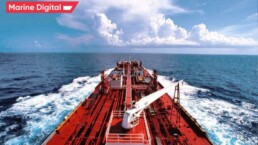

What does it mean Fuel Optimization for vessels?
The marine fuel optimization system allows the shipowners to track, measure and display the exact amount of fuel oil used. Fuel consumption optimization systems not only provide the amount of fuel used during the trip, but also provide additional data related to fuel usage. Vessel fuel optimization systems provide statistical information on various parameters, such as the amount of fuel used by a particular engine or generator while moving at sea or in port.
To analyze fuel consumption, it is possible to gather and use data not only about the engine, but also many other external parameters affecting fuel consumption.
In fact, earlier it was possible only to analyze data on consumption after arrival to the port, for example, this captain exceeds the recommended speed on the route, which affects the additional expense and financial costs. It is really good and useful if captain or crew or even shipowner could see this data in real time and adjust the actions on board related to fuel consumption. To plan the optimal route, not only in terms of ETA, but also fuel costs / consumption it is necessary to analyze various number of factors and data.
What opportunities for ship companies opens up using a fuel optimization system?
The owner and the management of the shipping company thus receives tools for significant optimization of activities: saving even 5% of fuel will save up to $ 100,000 per year from 1 vessel, at a cost of 30 tons per day at a price of $ 250 per ton and 280 days at sea. It can only be provided with preventive measures, building effective models, collecting a large amount of data and machine learning in order to submit analytical and forecast data for approval to the management of the ship company and the master.
What factors contribute to lower fuel costs?
- Hull condition
The control of this parameter can give fuel optimization up to 7%
- Vessel size
- Hull fouling
- Hull damage
- Hull paint
- Engine condition
The control of this parameter can give fuel optimization up to 5%
- Shaft
- Engine fuel consumption
- RPM (Revolutions per minute)
- Thrust
- Fuel rate
- Trim and draft
Monitoring these parameters will provide up to 5% fuel savings
- Draft
- Trim
- Solidity
- Weather conditions
Route planning based on weather conditions will give up to 3% optimization
- Air temperature
- Cloud cover
- Ice cover
- Humidity
- Current speed
- Current direction
- Gust
- Swell direction
- Swell height
- Swell period
- Wave direction
- Visibility
- Water temperature
- Sea level
- Vessel speed
Correct vessel speed can give fuel optimization up to 3%
- Min speed
- Max speed
- Average speed
How is the reduction in fuel consumption on ships implemented?
Optimization system consists of 3 parts:
- Hardware
Hardware part installed on the vessel.
This part of the system is responsible for gathering information about vessel and vessel performance, for example, Location, speed, RPM
It is a computer that accumulates data from a ship through and transmits an array of data to a neural network for further processing as well as received all planned routes and transmits it to ECDIS.
- Machine learning module
A set of algorithms and mathematical models that are responsible for processing all data from the vessel and external data. Based on the results of processing the received data, the module offers several alternative routes for the movement of the vessel in order to save fuel
- Software
Cloud-based part that is responsible for processing data that passes through machine learning algorithms connected with each other and provides real-time information about the current and planned indicators of the vessel and its route.
Moreover, It is a set of web-interfaces for the captain and fleet management, which, thanks to statistical and analytical reports, as well as recommendations, allow users to plan and make decisions about planned routes.
How does the work in a fuel optimization system look like on the captain’s bridge and fleet management?
On the bridge captain will see several routes from port of departure to the port of arrival according to all parameters. Fleet Management system will display all the vessels, weather conditions, engine performance data and their routes.
What is required to install a fuel optimization system?
Hardware part installed on the vessel and access to web-app from the bridge or from the shipping company office. There is a installation plan that describes connections, security integration and information protection. No specific knowledge is required for installation; any vessel engineer will handle it. To simplify the installation process, we have prepared the necessary instructions, as well as a video training course, for both the engineer and users of the system.
The benefits of using machine learning to save fuel on a vessel and the economic effect of an integrated solution for route optimization.
In the meantime, AI promises tremendous wins in operational efficiency. The AI software is able to predict the most economical route in terms of fuel consumption. Constant collection of voyage-impacting data and AI predictive analysis will ensure that vessels are always sailing the best route at the best speed, avoiding port delays and bad weather, identifying the best return route and schedule so that ships don’t sail empty.
Average 12% fuel consumption economy will lead to 240,000 $ year efficiency for ship owner per 1 vessel. The shipping company eliminates the need for daily routine reporting. The captain is focused on the safe voyage. And the operational management and the managers are engaged in optimizing costs and increasing the efficiency of the company. Moreover, the system will allow you to save more funds on maps thanks to the PAYS (pay as you sai)service, which allows you to pay only for maps through which the route passes.



Related News.

OL Shipping Group in Tokyo: Capt. Eberhard Koch calls for realistic solutions to Maritime Decarbonisation
An intensive and engaging couple of days in Tokyo brought together leading figures from the international maritime community, providing a valuable…

Regatta for Peace one of the largest ever in Cyprus
Cyprus will host the first European stop on a global sailing journey leading up to the 2027 America’s Cup in Naples. More than 120 sailors…
The propulsion technology powering the marine energy transition
The marine industry is under increasing pressure to future-proof fleets, balancing the need to reduce emissions and improve efficiency. Propulsion…
Signal Ocean acquires Lgmar
Signal Ocean announced the acquisition of Lgmar, the Athens-based company behind Telix, a maritime email and communication platform in daily use…
Canada clean power push challenged by interprovincial grid limits, says GlobalData
Canada is entering a pivotal phase of power-sector expansion as federal tax credits, the phase-out of coal-fired generation, and accelerating…

Maritime safety depends on human factors and leadership, not procedures alone
Interim survey findings point to a gap between seafarers’ perceptions of risk and injury data Seafarers may misjudge when and where they are most at…

New BIMCO contracts tackle ship recycling and energy-saving retrofits
BIMCO adopted two new contractual solutions designed to help you manage important operational and regulatory challenges: the revised…
Stena Line to acquire vessel and make changes to its network
Stena Line has reached an agreement to acquire the RoRo vessel Somerset from CLdN. Subject to closure and transfer, the vessel would begin operating…
DORIC WEEKLY INSIGHT 16 OCTOBER 2026
Please find below the DORIC Market Insight for the week ending 16th October 2026. Weekly Report 16.10.2026

Important information for port clients and freight carriers effective November 1, a new traffic overpass and port checkpoint will open for traffic to the Port of Riga on Kundziņsala
Starting November 1 of this year, a new traffic overpass connecting Tvaika Street to Kundziņsala will open to facilitate traffic to and from the Port…
Subscribe to our newsletter!
if you dont want to swim alone in the ocean of news, sign up for the newsletter, and you will receive daily all the important news of world shipping!
