

For a brief window in mid-July, global crude markets looked well-supplied. After the US-Iran MoU was signed on June 17th, Hormuz transits picked up, Iran also managed to get barrels on the water, and Atlantic Basin exports hit record highs. Crude and condensates on water climbed above ~1.3 bn barrels by July 13th — matching the post-Covid, post-price-war peak of Q2 2020. It was, in hindsight, a false dawn.
Since that peak, Vortexa data shows a collapse in crude on the water of ~200mb in just four weeks — a draw rate of 7.1mbd. To put that in context: the equivalent draw in the four weeks after the Middle East war began in early March was 102mb. This most recent drawdown is 95% larger, and the market appears to have barely noticed. Summer trading lulls, seasonally lower price volatility, and the brief sense of comfort created by the July peak may have dulled the market’s sensitivity to what the physical data is now pointing towards.
5mbd of supply shortfall in a month
The immediate driver of the drawdown is a simultaneous collapse in exports from four of the world’s most significant crude exporters. Combined seaborne exports from Iran, Russia (including Kazakh transit grades), Saudi Arabia, and the United States fell to approximately 12mbd — a record low, and a 5mbd drop from just one month prior. Relative to the pre-war February peak, the four-country aggregate is down ~6.7mbd on a four-week moving average basis.
Iranian exports fell to near zero following the re-imposition of the US blockade outside the Strait of Hormuz after the MoU collapsed in mid-July. Saudi exports dropped as both Hormuz and Bab el-Mandeb escalated — with Houthi threats intensifying and vessel availability into the Red Sea port of Yanbu reportedly constrained. Russian and Kazakh export flows continue to suffer from recurring Ukrainian drone attacks on Black Sea shipping and pipeline infrastructure. And US exports eased as SPR releases tapered, peak domestic refinery runs cut into exportable surplus, and arbitrage economics temporarily closed the Atlantic-to-Asia window.
Inventories drawdown while product shortfall keep refinery runs strong
With supply contracting and refinery demand holding up, global onshore crude inventories are drawing at an accelerating pace. The four weeks to August 16th saw floating-roof tank stocks fall by ~80mb at a rate of 2.9mbd — approximately two thirds of those draws materialising in Asia. Global and Asian observed stocks are now showing a year-on-year deficit. Relative to the seasonal average, global inventories have drawn by ~200mb at 1.4mbd since their March peak.
What makes this crude shortfall particularly acute is that the demand side of the equation offers no relief. Refinery margins globally are near record levels, driven largely by a severe and worsening diesel shortage. Middle East and Russian diesel and gasoil exports are down more than 50% year-on-year — falling from around 3.3mbd to just 1.6mbd in recent weeks. Russia has extended its diesel export ban through to at least the start of September. Red Sea product exports are also shrinking following the Jizan outage and broader conflict disruption.
The consequence is straightforward: refineries in the Atlantic Basin are running at or near record utilisation rates, and Asian runs are picking up. Neither region can afford to ease throughput while product inventories remain so depleted. This means crude demand for refining will remain elevated well beyond the typical end of the peak summer season — sustaining competition for an ever-shrinking pool of available barrels. China and India, in particular, are competing increasingly for the same Russian crude, a dynamic that will intensify as the autumn demand season approaches.
The market is behind the curve and underpricing
Crude prices, forward structure and — to a lesser extent — physical crude differentials appear to be significantly undervalued relative to what the physical data is revealing. A combined draw rate of ~9mbd across floating and onshore inventories is an extraordinary signal. The market’s relatively muted price response likely reflects a summer liquidity discount, residual optimism about a diplomatic resolution, and a lag in translating global voyage-level physical data into price discovery.
As September approaches and the Atlantic Basin crude supply cliff hits Asian arrivals in full, the mismatch between physical market tightness and financial market pricing is likely to narrow — and not in a direction that will be comfortable for crude buyers.
Source: Vortexa


Related News.

60 days of a broken US-Iran MoU: the market stopped waiting for Hormuz
The 60-day window under the Islamabad MoU lapsed on 17 August with no deal, no extension, and no talks under way. Kpler data shows the truce cleared…

The global diesel crunch: Russia’s refinery crisis meets Middle East turmoil
The global refined products market is being squeezed by two major disruptions occurring simultaneously. In the Middle East, the escalation of the…

Russia imports gasoline from India amid fuel shortages
Russia has received at least one cargo of gasoline from India as the country works to address domestic fuel shortages following Ukrainian drone…

Technologies driving the maritime transformation: SMM 2026 showcases innovations moving into real-world application
The maritime industry is undergoing a profound transformation. At SMM 2026, companies from around the world will showcase technologies that are…
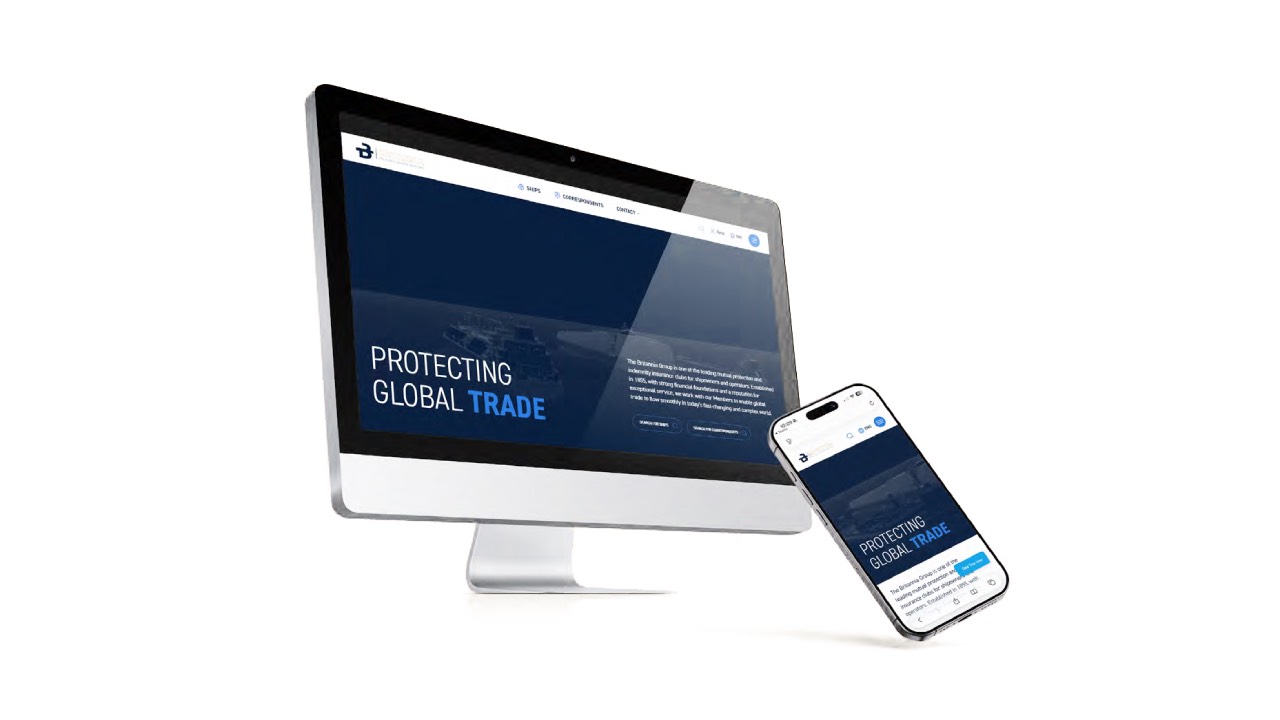
Britannia P&I unveils new website, enhancing user experience and access to maritime knowledge
The Britannia Group is pleased to announce the launch of its newly redesigned website, delivering a cleaner, faster digital experience with…
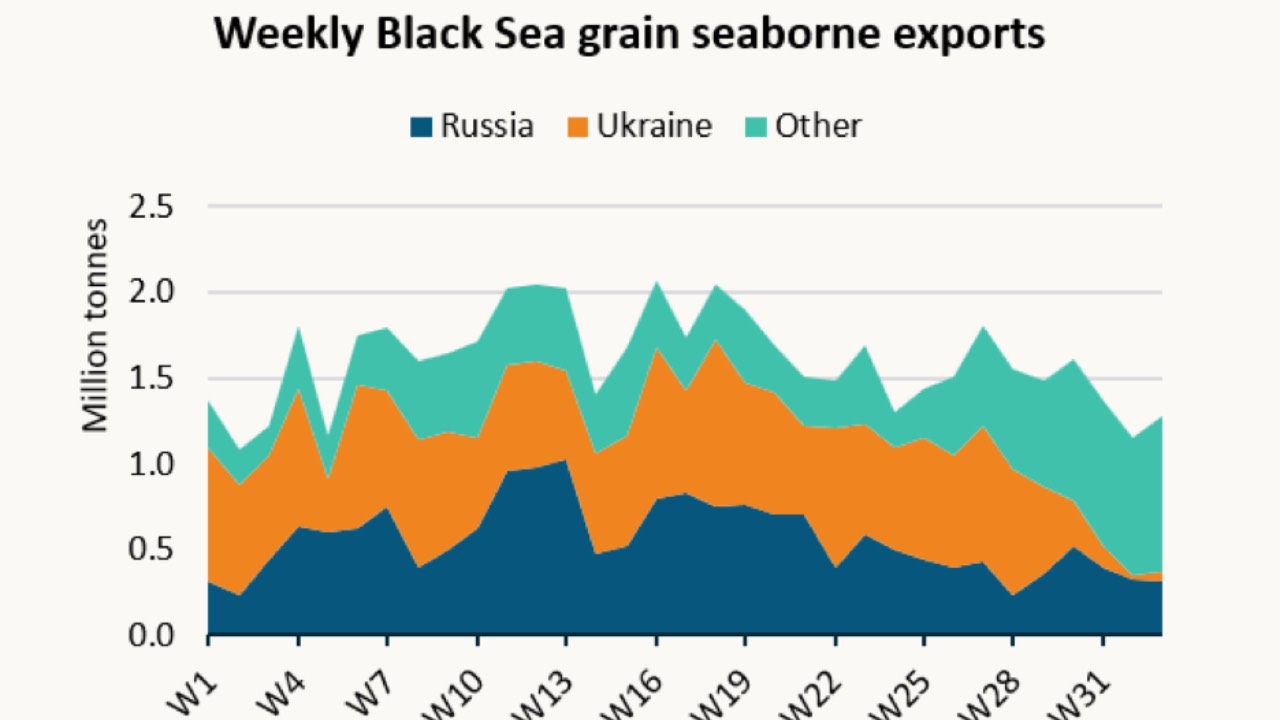
BIMCO Shipping Number of the Week
Global grain shipments fall 8% as attacks in the Black Sea escalat "Over the last five weeks (week 29-33) global grain shipments have fallen 8% y/y,…

Bunker Holding appoints new CFO with strong risk management expertise
Jacob Nørgaard is appointed CFO of Bunker Holding, the world’s largest supplier of marine fuels to the shipping industry. He succeeds Michael…

Oslo Ocean Days thought Leader article Jan Ole Huseby, DNB
Bringing the industry together to navigate a new ocean business reality How can the industry navigate change while staying on course to achieve…

Danish Shipping published Rising piracy risk off Somalia
The number of piracy-related incidents off Somalia is at its highest level in ten years. The trend points to renewed activity in the area after…
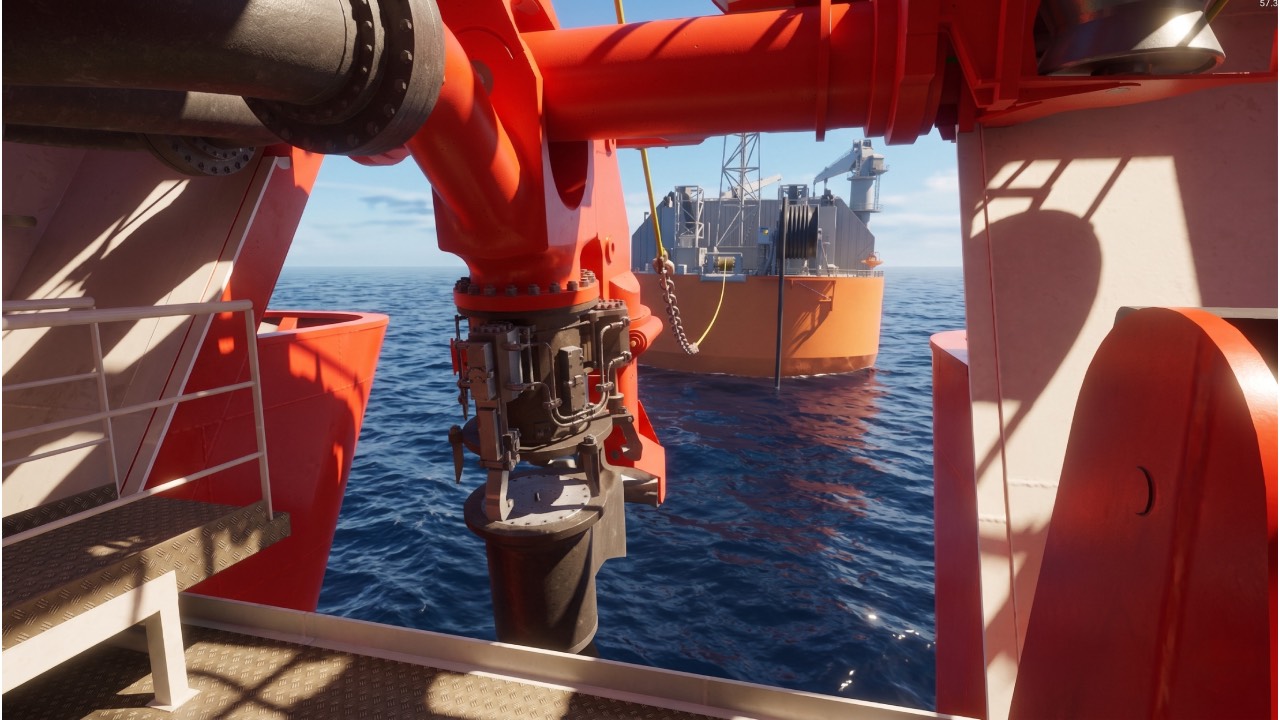
MacGregor advances direct ship-to-well LCO₂ transfer, built on 50 years of proven bow-loading technology
New Bow Transfer System enables flexible, direct connection between LCO₂ carriers and offshore injection sites, removing the need for costly onshore…
Subscribe to our newsletter!
if you dont want to swim alone in the ocean of news, sign up for the newsletter, and you will receive daily all the important news of world shipping!
