Harnessing operational data to build more sustainable and efficient vessels


Simulation tools have long served as the backbone for voyage optimization and advanced stability software, enhancing both operational safety and sustainability at sea. Now, they have greater potential than ever, driving innovation in ship design by allowing novel concepts to be virtually tested from the drawing board.
The shipping industry is entering a new multi-fuel era, with an abundance of efficiency technologies that have the potential to reduce emissions – and costs – by reducing fuel usage. But how do you predict which ones are the most effective for each individual vessel?
Ship owners and operators across sectors are increasingly exploring new vessel design concepts to carve a path to regulatory compliance, without compromising on operational efficiency or safety. These design decisions can’t just look good on paper but must also meet the ship’s operational profile and navigational requirements.
For instance, the adoption of battery technology by tugs and ferries highlights its suitability for smaller vessels operating on fixed, short-sea routes. In contrast, wind propulsion systems offer significant advantages for ships traversing trans-oceanic routes with consistent, strong winds. Additionally, the availability of bunkering facilities at ports will play a crucial role in determining the feasibility of alternative fuels like LNG, methanol, and ammonia.
However, this is only the tip of the iceberg of considerations at the design stage. Naval engineers and architects face the task of integrating new engines, fuel tanks, and advanced technologies while also determining the ideal configurations, dimensions, carrying capacities, structural strength, and hull forms. These factors must work in synergy.
This need for innovation marks a step change from traditional processes where designers relied on data from similar vessels to make these assessments. However, this data is often incomplete or based on simplified rules, which can hold back design innovation.
But if the aim is to simulate how different design concepts may operate in real life, then we’re in luck. Existing simulation tools are already widely used in the industry and can be repurposed to generate new insights specifically for ship design concept development and decision-making.


Three steps to simulate future vessel performance
To explore how simulation tools could be used to model future ship behavior, we developed a framework to apply to a hypothetical newbuild RoPax vessel operating between Stockholm, Mariehamn and Helsinki.
Three design variations with different dimensions and configurations were tested, keeping the weight constant. Based on its operational profile, we simulated 26 voyages for the year 2023 by following these steps:
- Built a hydrodynamic model: Leveraging the 3D model used to design the vessel as a base, a hydrodynamic model predicted performance across various speeds and sea conditions. Tools like the NAPA Performance Model provided a foundation, which could be customized to reflect unique design features, saving significant time compared to building models from scratch.
- Defined an operational plan: This step outlined operational regions, ports, speeds, and loading conditions. For retrofits, existing operational data guides the process, while newbuilds can leverage AIS data from NAPA’s extensive database of 60,000 vessels to gain insights into typical operations by vessel type and region.
- Simulated realistic voyages: Combining the hydrodynamic model and operational plan, NAPA Voyage Optimization simulated the ship’s performance on specific routes using historical weather and sea conditions. This includes estimating speed, engine loads, fuel consumption, and emissions.
These simulations were carried out as part of our study based on the best assumptions of future ship behavior. They not only support the design of energy efficient ships but also help to evaluate seakeeping capabilities and structural load requirements for realistic operating conditions. Iterating throughout this process also enables designers to identify the optimal configuration to meet operational needs.
This delivered a wealth of insights to inform the design of the vessel. We saw that the vessel could potentially spend about 50% of its time sailing at full speed, 25% in port, with slow-speed operations making up the rest of the time. For ship design, this could help us further understand the levels of propulsion power that will be needed, enabling selection of the right engine power and configuration to maximize its energy efficiency.
By extending these simulations, we could also estimate future fuel consumption to compare the costs and emission reduction benefits of different fuel options for a specific vessel. This approach highlights significant cost and emission differences between design variations, helping owners not only unlock substantial savings by accounting for new operational expenses but also factoring in EU ETS and FuelEU Maritime compliance.
Rewriting the ship design playbook
This new approach to ship design, showcased by our research, comes at a crucial time for the industry. Beyond regulatory compliance, eco-friendly vessels are already commanding significant commercial benefits, with charter rate premiums reaching $10,000 per day or more for certain ship types.
However, to encourage widespread adoption, owners need solid data to ensure their investments are sound, future-proof, and aligned with operational and market demands for decades to come. Advanced simulation tools, backed by operational data, could help provide answers to a lot of these questions. The result? Enhanced fleet performance reduced environmental impact, and a win for the maritime industry, people, and the planet.


Related News.

SpaceX
VinSpace Joint Stock Company announced the signing of a launch contract with U.S.-based SpaceX.

GitLab Scales Agentic AI Across Trusted Software Delivery Workflows
GitLab Dedicated AI Gateway, now generally available, brings agentic AI to regulated and data-sensitive enterprises, letting them run GitLab Duo…

VinSpace Joint Stock Company announced the signing of a launch contract with U.S.-based SpaceX.
VinSpace Joint Stock Company announced the signing of a launch contract with U.S.-based SpaceX. The agreement marks a significant milestone in…
GitLab Scales Agentic AI Across Trusted Software Delivery Workflows
GitLab Dedicated AI Gateway, now generally available, brings agentic AI to regulated and data-sensitive enterprises, letting them run GitLab Duo…
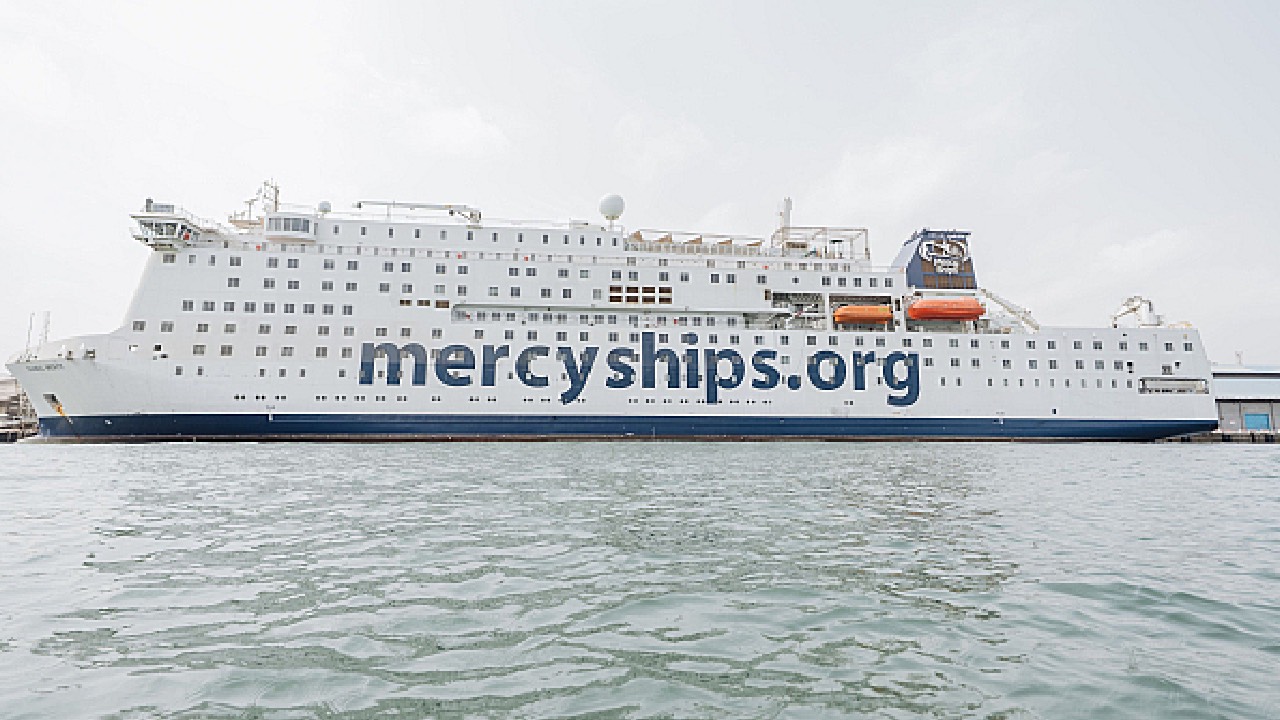
Mercy Ships returns to Ghana with its largest Hospital Ship
The Global Mercy, following her recent field service in Sierra Leone and scheduled annual maintenance period, arrived at the Port of Tema yesterday.…
CSN Summer Holidays: 12 to 21 August 2026
Dear CSN Readers, Please note that the CSN office will be dropping anchor for a short summer break between the 12th and 21st of August 2026. During…
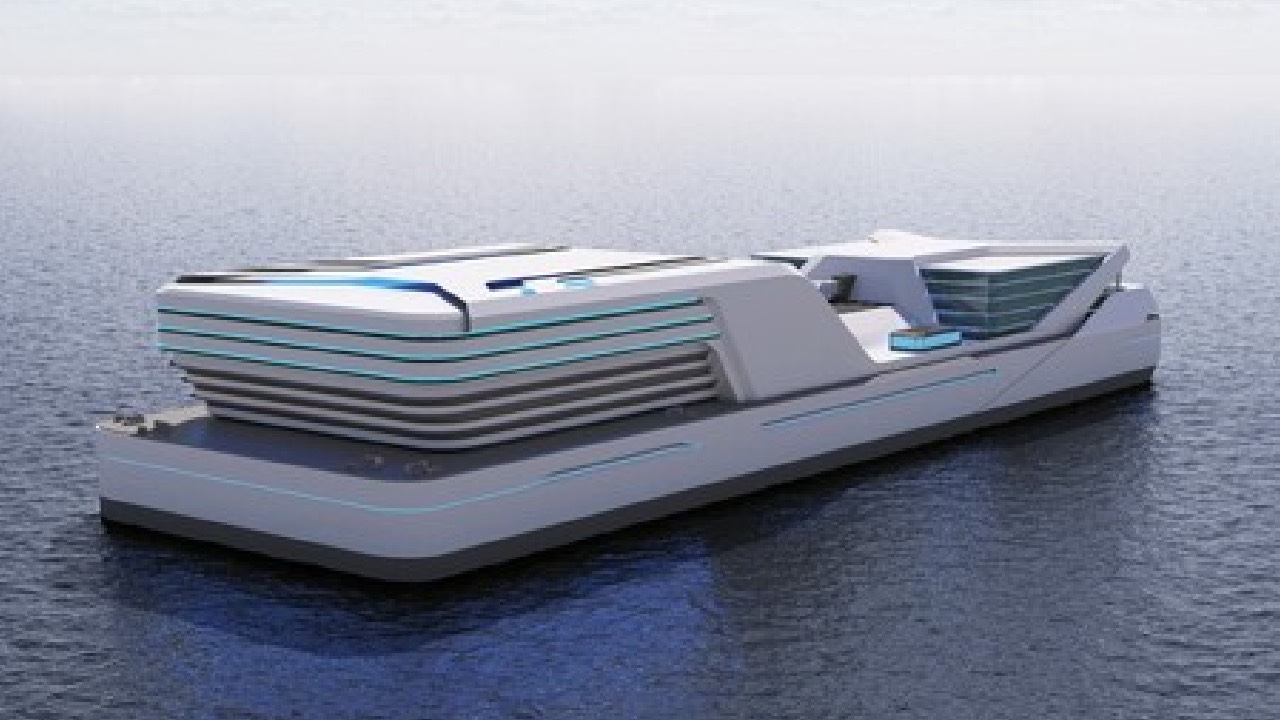
Floating Data Centers emerge as growth engine for shipbuilding industry
Samsung Heavy Industries and HD Hyundai are racing into sea-based AI infrastructure as land and power limits squeeze data center expansion As…
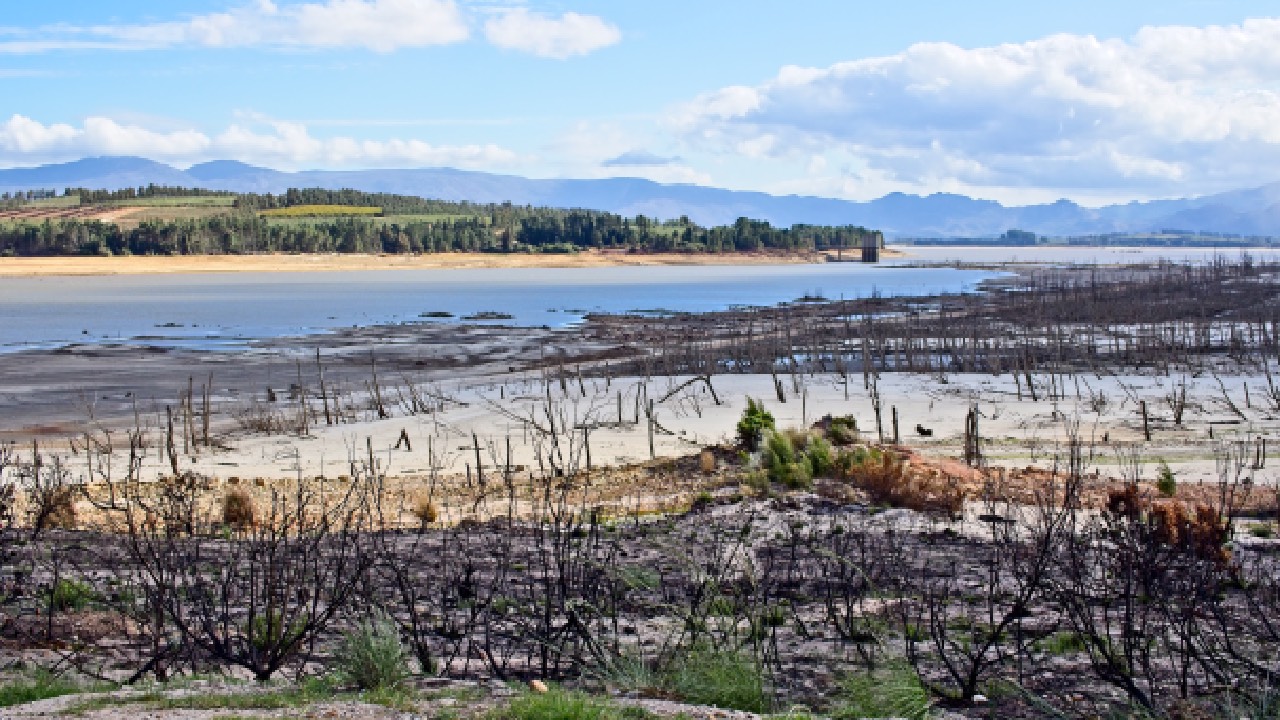
European drought snarls inland commodity flows, cuts power supplies
Rhine, Danube river levels hit record lows in key chokepoints Inland markets face squeeze on fuel, chemicals, metals and grains Power…

Oil producers buy tankers directly to navigate blocked routes
Oil-producing countries that have frequently experienced blockages in major Middle Eastern shipping routes, such as the Strait of Hormuz and the Red…
Subscribe to our newsletter!
if you dont want to swim alone in the ocean of news, sign up for the newsletter, and you will receive daily all the important news of world shipping!
