The Ocean Economy is poised for a Sustainable Shift. So Is Its Workforce
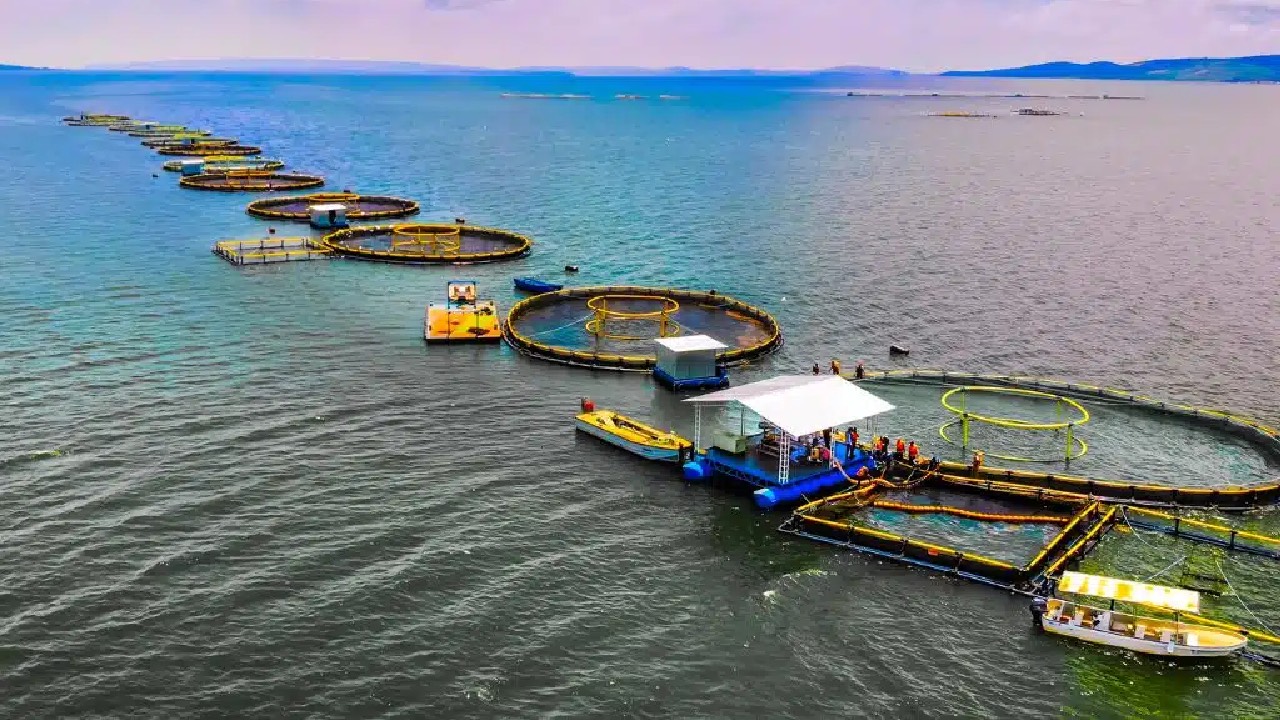

The ocean is the world’s largest carbon sink and the source of half of the world’s oxygen. According to a new report, it is also one of the world’s biggest employers. The future of ocean employment, however, is in question – and the nature of tomorrow’s ocean jobs may define the future for the ocean itself.
“The Future of the Workforce in a Sustainable Ocean Economy”, a new Blue Paper by the High Level Panel for a Sustainable Ocean Economy (Ocean Panel), estimates that the ocean already provides at least 133 million jobs worldwide (figures as of 2019), although gaps in national data make an exact number difficult to obtain. Marine and coastal tourism is the largest employer, followed by fisheries and aquaculture, and marine transportation. But according to the Ocean Panel, opportunity in ocean-related employment is now in flux.
Established in 2018, the Ocean Panel is made up of serving world leaders aiming to build momentum for a sustainable ocean economy. In the paper, the body claims that marine renewable energy is showing strong growth potential – with as many as 1.2 million new jobs by 2050. However, traditional sectors like offshore oil and gas, which already account for just a small percentage of jobs, will likely face even further employment declines. This means that substantial workforce reskilling and adaptation will be required, particularly in developing regions. Meanwhile, digital transformation and technological innovation will create new job categories while potentially displacing others, and regional disparities in the pace of transition could exacerbate existing economic inequalities.
This moment of change, the authors argue, offers an important opportunity to move towards a “sustainable ocean economy” that would grow employment to more than 184 million by mid-century.
“From emerging roles in marine renewable energy, sustainable fisheries and ecotourism, to specialised jobs in marine conservation, data analytics and environmental finance, our analysis suggests that the sustainable ocean economy is poised to become a significant source of employment,” the paper reads.
An untapped sector area for ocean jobs under the sustainable ocean economy model will be carbon removal. Ocean carbon removal techniques include ocean alkalinity enhancement, electrochemical or photochemical systems that directly remove CO2 from the ocean, or dedicated cultivation or harvesting of aquatic biomass, including macroalgae and microalgae.
“Net zero is now regarded as impossible without carbon removal,” Jill Storey, Marine CDR Advisor to the World Ocean Council, said in a statement on the recent launch of a marine CO2 removal coalition. “Covering 71% of the Earth’s surface, the ocean offers the scale and potential needed to achieve climate goals.”
Under the opposite scenario, where there is no transition to a sustainable ocean economy, 40 million jobs would be lost relative to the 2019 baseline.
Several key drivers – societal, economic, and political – will define which of these scenarios comes to pass. These include climate change, investment access, adoption of sustainable practices, changing demand for ocean goods and services, energy demands, sustainability requirements, and emerging innovative sectors over the near term (2030) and long term (2050).
According to the report, “[c]hoices made today will help determine whether this resource can be developed in ways that foster sustainable production, environmental protection, social equality, new opportunities and better livelihoods for millions of people around the world.”
The sectors most likely to be impacted by these key drivers are marine renewable energy, aquaculture and fisheries, marine research and innovation, marine transport and ports, tourism and hospitality, offshore oil and gas, and marine management and governance.
The ability of the ocean to sustain jobs in either scenario also depends on factors relating to climate change itself. According to a paper published last month, the Atlantic meridional overturning circulation – also known as AMOC – is likely to become weaker and shallower more quickly than expected, due to the effects of climate change. The AMOC transports relatively warm upper-ocean water north, where it sinks and returns as cold, deep water to the South Atlantic. Its eventual collapse would cause strong cooling in the subpolar North Atlantic and Northwest Europe, resulting in significant changes for sectors such as fisheries and tourism.
More on the topic: What the Slowdown of Atlantic Ocean Circulation Means for the Future of the Climate
As Steve Oldham, CEO of marine carbon removal company Captura, put it: “As one interconnected biosphere, the ocean and atmosphere are inextricably linked. That means, as we build pathways to remove atmospheric carbon at scale, the ocean must be integrated into climate strategies.”
Source: Earth.org



Related News.

ISLAND OIL: Unveiling of the Sculpture “Cyprus’s Journey Through the Ages” in Protaras – A Tribute and Landmark to Cyprus’s Historical Memory and Cultural Heritage
In a modest ceremony marked by a moving atmosphere, the sculpture “Cyprus’s Journey Through the Ages”, created by acclaimed Cypriot sculptor…
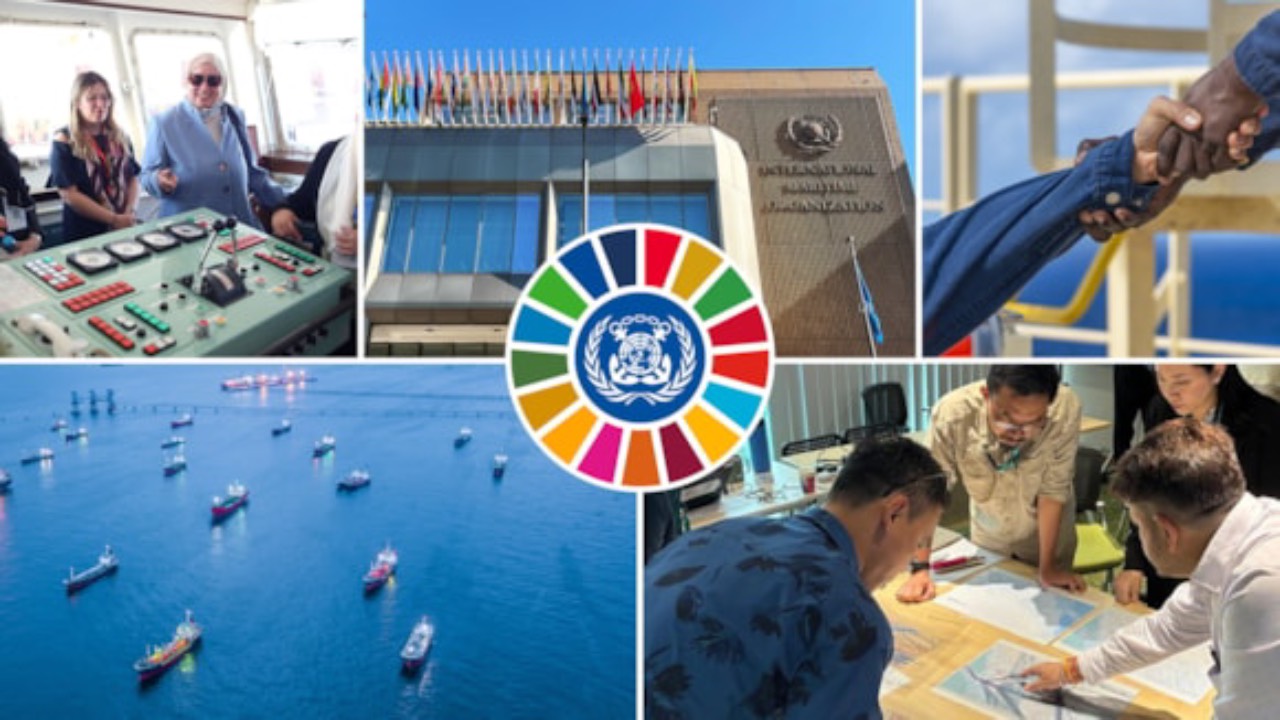
World Maritime Day 2026 from Policy to Practice – powering Maritime Excellence
Global regulations will deliver safer, more resilient shipping when they are implemented worldwide. The international maritime community marks…

Diana Shipping announces Time Charter Contract for m/v DSI Polaris with Dai An Ocean Shipping
Diana Shipping , a global shipping company specializing in the ownership and bareboat charter-in of dry bulk vessels, announced that, through a…
Chief Economists Expect Global Economy to Stabilize, but Fiscal Constraints, Rising Living Costs and AI Investment Uncertainty Threaten Growth
The global economy is stabilizing, but the fiscal support that cushioned successive shocks since 2020 is unlikely to play the same role in the year…
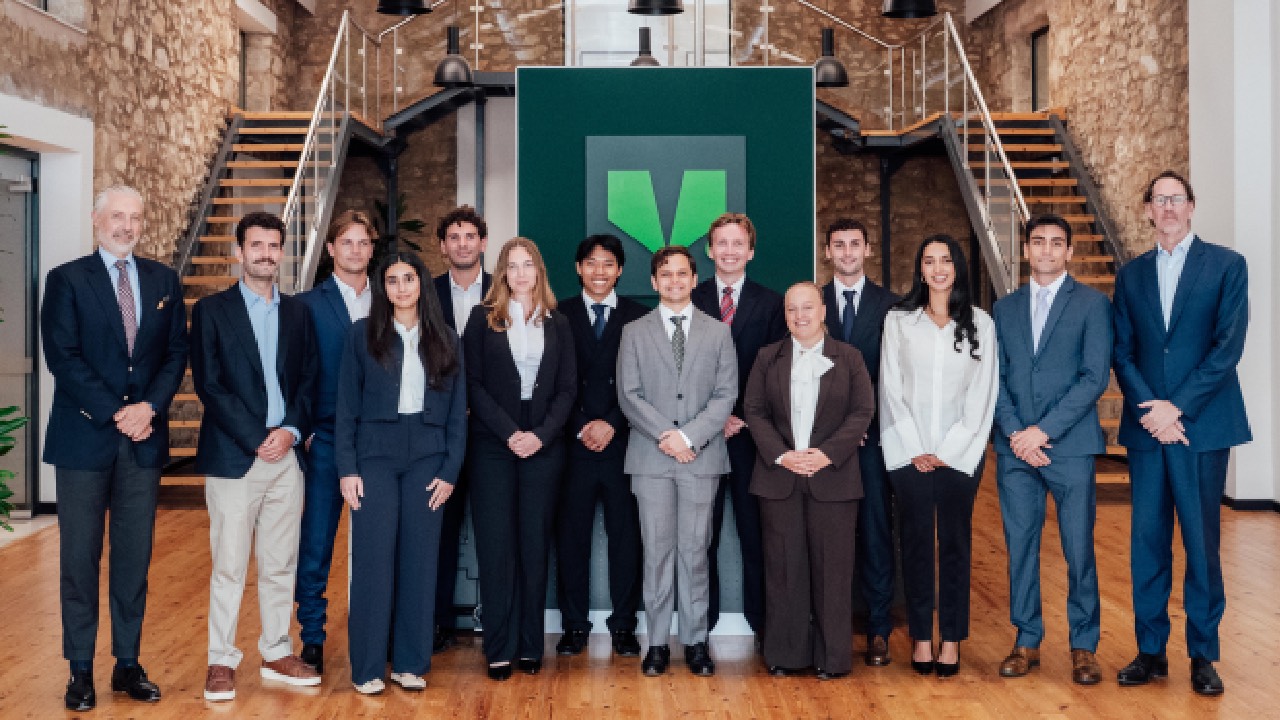
V. welcomes its new graduate cohort as programme expands across the group
Twelve graduates from nine nationalities join 11th year of V.’s expanded international management programme. V., the global ship manager and marine…
From Policy to Practice: Why Seafarers Are the Key to Maritime Excellence
The shipping industry is no stranger to regulation. Seafarers and ship operators work within a vast framework of international conventions, national…

Intermodal Report – Week 38 2026
Please find below the Intermodal market report for week 38 2026. Intermodal Report Week 38 2026 Market Insight By Nikos Tagoulis, Head of…

Allied – Weekly Market Review – Week 38
Please find below the Allied Weekly Report for Week 38 | 2026 ALLIED - Weekly Market Report- Week 38

Record year on the Northeast Passage but Arctic shipping remains very limited
In 2025, a record 103 transit voyages were made via the Northeast Passage. However, this is still equivalent to only around a day and a half of…

[xclusiv] S&P Report 21th September 2026
Please find below the [xclusiv] latest Weekly S&P Report [xclusiv] 2026_09_21 Market Commentary: VLCCs: Freight Boom Reprices the Fleet The VLCC…
Subscribe to our newsletter!
if you dont want to swim alone in the ocean of news, sign up for the newsletter, and you will receive daily all the important news of world shipping!
