Stowaways in Africa
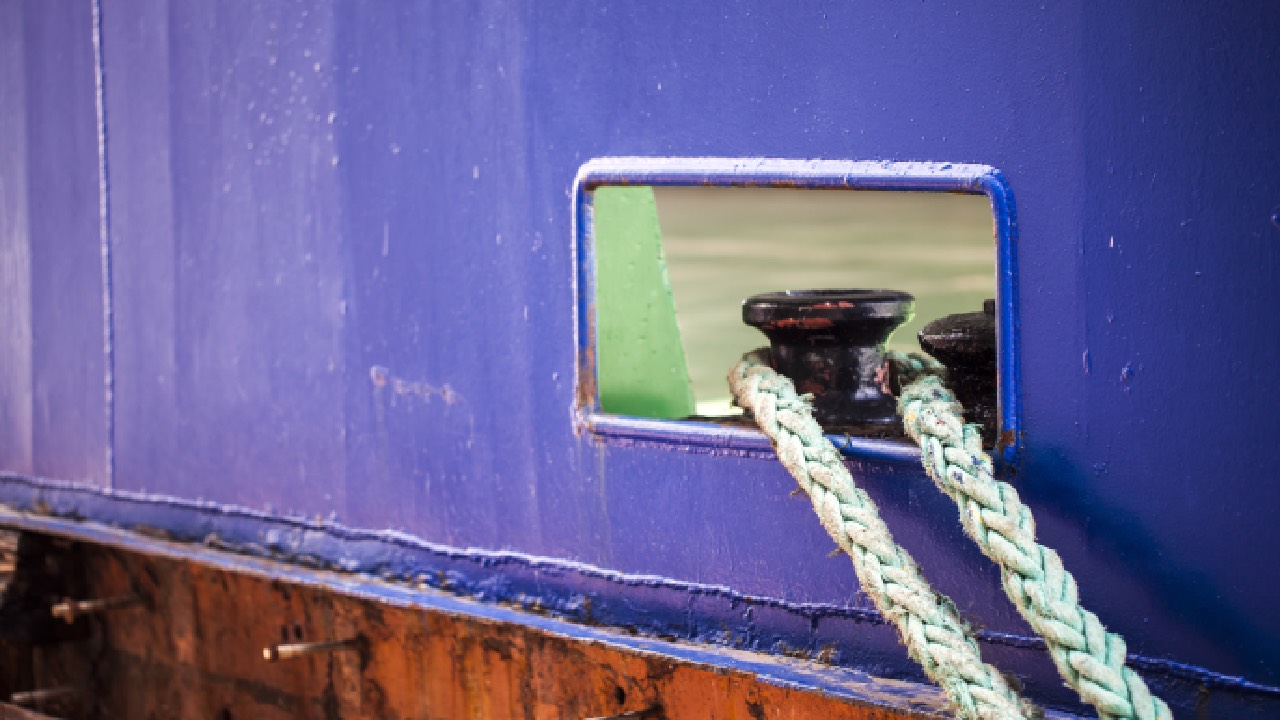

Owners have a clear interest in preventing stowaways from coming onboard, and boarding vessels at African ports remains one of the stowaways’ most commonly used methods. The adoption of the ISPS Code by many West African states has not yet been effective in avoiding stowaways.
Over the past five years, we have noted the following:
- The number of stowaways per attempt has increased.
Previously often solitary or in pairs, today, many cases of stowaways involve several people, often four or five, who do not have specific connections with one another. - The main departure ports or areas are often Nigeria or Ghana.
- Container ships remain most exposed to this risk.
- Climbing aboard vessels often occurs at the port through connections with company employees authorised to board the ship during its call.
Embarkation can occur as the ship departs the port, with stowaways using a speedboat to board. They often reach the rudder and attempt to open and hide in the upper rudder compartment. - The use of fishing boats to try to board ships once at sea.
- Stowaways increasingly have financial demands regarding their repatriation, permitting them to doubt their real intention.
- Authorities at specific ports are quick to assist shipowners with the various formalities related to disembarking these stowaways, while others continue to categorically refuse any disembarkation in their ports, claiming that the IMO statistics record the port of disembarkation and not the country of origin of the stowaways, thus these statistics work against the good image of these ports.
- Some ports impose various fines, while others do not demand any payment other than covering certain costs. Fines by some port authorities are usually issued based on the alleged lack of security during the vessel’s call such as alleged negligence in recording visits on board.
- There is a lack of real coordination among the various states of the Gulf of Guinea to try to curb this stowing away by maritime means.
Situation in respect of certain ports in the Gulf of Guinea
The table below provides a summary of the ports we operate. However, disembarking a stowaway is subject to the discretion of the authorities.
| Possibility in principle to disembark (A) | Fine (B) | Authorities costs to be covered | Sufficient embassies to obtain necessary documentation (C) | Escort for repatriation imposed (D) | |
| Gabon – Port Gentil | YES | YES | YES | YES | NO |
| Gabon – Port Gentil | NO | ||||
| Cameroon – Douala | YES | YES | YES | YES | NO |
| Cameroon – Kribi | YES | YES | YES | NO | NO |
| Cameroon – Limbe | NO | ||||
| Benin – Cotonou | YES | NO | YES | YES | YES |
| Togo – Lome | YES | NO | YES | YES | YES |
| Ivory Coast – Abidian | YES | YES | YES | YES | YES |
| Ivory Coast – San Pedro | NO | ||||
| Senegal – Dakar | YES if only boarded at Dakar | YES | YES | YES | NO |
| Gambia – Banjul | YES | NO | YES | YES | YES |
(A) Possibility in principle to disembark
The port authorities discretionarily decide this possibility at the time the information is given by the master and the agent covering the vessel’s call at the concerned port. It should also be well understood that this possibility is only given to vessels making an actual commercial call at the said port. Some ports refused the disembarking for mainly justified practical reasons. Still, different, like San Pedro in Ivory Coast and Dakar in Senegal (except those boarding at Dakar), have refused the disembarking of the stowaways since the Ebola period and have decided to maintain such a position over the years.
(B) Fines
Whilst the Convention on Facilitation of International Maritime Traffic invites the different port authorities to refrain from issuing fines, some countries have adopted specific circulars covering the levy of a fine. In other countries, additional fines may be levied by the respective authorities, who may decide to be concerned by the presence or the operation of disembarking the concerned stowaways. In other countries, there is no specific fine but specific fees to be paid to the port police per stowaway. Local regulations, like in Gabon in the coming months, are subject to change.
(C) Sufficient Embassies represented to obtain necessary documentation
Most, if not all, the countries of the Gulf of Guinea have their own diplomatic representation in the different countries of the Gulf of Guinea. However, it may happen that travel/identification documentation must be obtained from the stowaway’s home country.
(D) Escort
Except in the Ivory Coast, where the repatriation is entrusted to a monopolistic company, and Gambia, where the immigration police organise and perform the escort, the escort of stowaways is usually organized through the P&I correspondent with or without the assistance of the police authorities or the immigration police.
Prevention
The most effective prevention methods are enhanced onboard controls during and after the vessel’s port call.
A suitably qualified security agency with a license to operate may be subcontracted. Failure to establish the certification of the license may result in fines. Even if a security company is engaged, the crew should continue to maintain heightened awareness.
An instruction note may be prepared for the security personnel, emphasising the importance of their role in preventing any unauthorized person from boarding and, if necessary, requiring them to conduct rounds accompanied by a crew member during the vessel’s call.
Prior written identification of the various individuals who are to board, during the vessel’s call, with checks conducted at each shift until the end of the stopover.
Regular patrols should be organised by the crew every day where rudder, cabins and lifeboats should be inspected.
A control by a security company with trained sniffer dogs at the time of the ship’s departure may be conducted.
Only the relevant authorities should be informed of the vessel’s next port of call.
After sailing from the port, it is recommended that the crew proceed with a further thorough search at the anchorage before sailing from the port’s outer anchorage. If a stowaway is discovered at anchorage, the disembarkation would, in principle, be smoother and less costly. In addition, stowaways may show up and move from their hiding area after the vessel has sailed from the port, thinking that their attempt has been successful.
It must always be ensured that disembarking a stowaway is made in accordance with the local regulations.
Hiding the presence of stowaway on board and trying to organise their disembarkation and or repatriation through alternative solutions must not take place.
Skuld is grateful to Ivory P&I with their assistance of Benin P&I, Cameroon P&I, Dakar P&I, Gabon P&I and Togo P&I, all members of PSC GROUP, for having prepared this circular.



Related News.

Allied – Weekly Market Review – Week 38
Please find below the Allied Weekly Report for Week 38 | 2026 ALLIED - Weekly Market Report- Week 38

Record year on the Northeast Passage but Arctic shipping remains very limited
In 2025, a record 103 transit voyages were made via the Northeast Passage. However, this is still equivalent to only around a day and a half of…

[xclusiv] S&P Report 21th September 2026
Please find below the [xclusiv] latest Weekly S&P Report [xclusiv] 2026_09_21 Market Commentary: VLCCs: Freight Boom Reprices the Fleet The VLCC…

Grain in Focus US Soybean Sailings to China recover through September
Grain in Focus - US Soybean Sailings to China Recover Through September US soybean sailings to China recovered in September, following the subdued…

Marine cargo insurance market continues to soften, reports IUMI
2025 global marine cargo insurance premium indicates that the cargo market softened in that year despite continued growth in the overall premium…
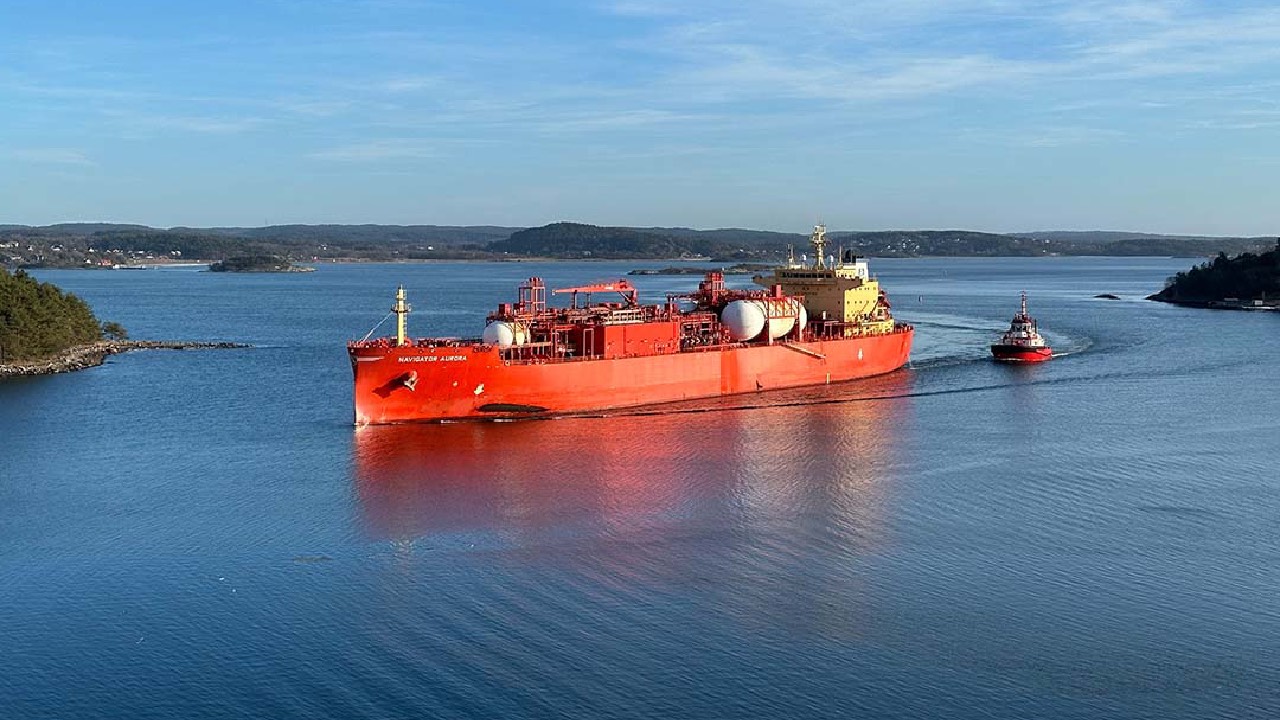
Navigator Gas Returns to PrimeServ for New Ethane Retrofits
Eight years of proven service prompt upgrading of two further vessels using Everllence’s trusted retrofit platform Everllence PrimeServ –…
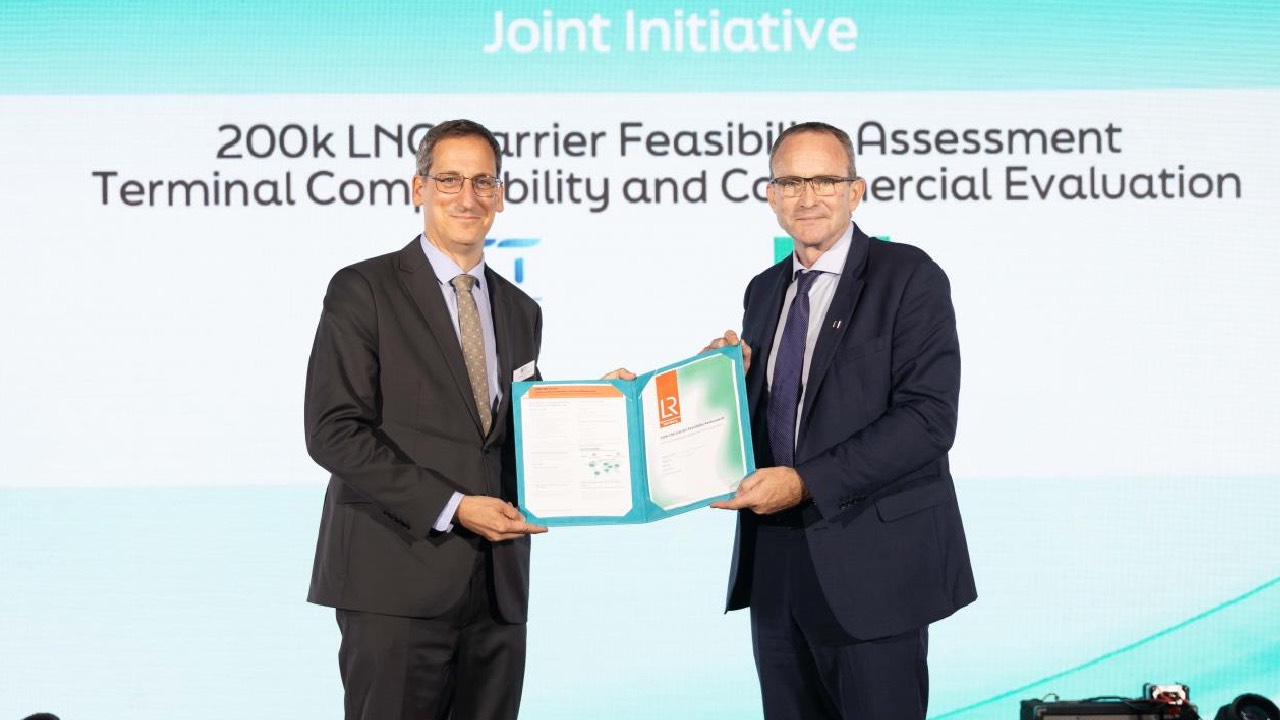
LR study points to 200,000m³ LNG carriers as viable next step for global LNG fleet renewal
New analysis finds larger LNG carriers could deliver greater transport efficiency while retaining access to most key LNG terminals worldwide. Lloyd’s…
Ocean hull market faces growing risk pressures despite global premium growth, reports IUMI
The global ocean hull insurance market is continuing to soften despite apparent growth in the overall premium base, according to Ilias P.Tsakiris,…
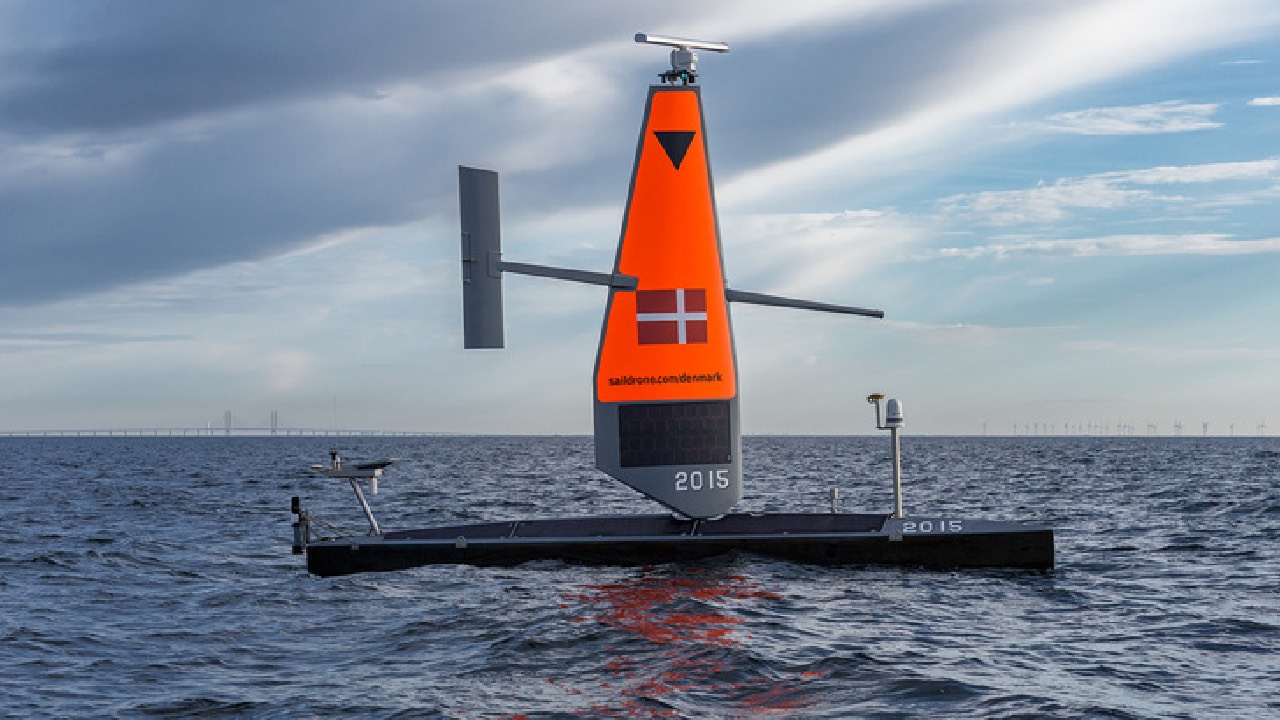
Saildrone USVs Receive Danish Flag Registration for European Operations
Saildrone announced that the first four Saildrone Voyager USVs (unmanned surface vehicles) have been registered in Denmark and will operate under…

Hiab Unleashes Next-Level Productivity with the MOFFETT M8 NX2: 6,500 lb Powerhouse for North America
Higher Capacity, Same Compact Transport Weight, Delivering Unmatched Job Site Speed, Single-Side Offloading Efficiency, Lower Total Cost of…
Subscribe to our newsletter!
if you dont want to swim alone in the ocean of news, sign up for the newsletter, and you will receive daily all the important news of world shipping!
