SEA-LNG’s welcome and recommendations for the EU Clean Industrial Deal


Dear Executive Vice-Presidents Ribera, Séjourné, and Commissioners Tzitzikostas & Hoekstra
An Open Letter on the Clean Industrial Deal: Unlocking the Maritime Sector’s Decarbonisation Potential
We welcome the European Commission’s proposal for an ambitious Clean Industrial Deal as a cornerstone for achieving a sustainable and competitive European industrial landscape. SEA LNG is a multi-sector industry coalition created to help deliver the transition to net zero emissions through the liquified methane pathway: decarbonising with LNG today and biomethane and e-methane tomorrow. We recommend this initiative’s focus on accelerating the transition to a low-carbon economy and fostering innovation. However, to ensure its success and to secure the decarbonisation of maritime transport, we urge the inclusion of the following essential actions in the Commission’s upcoming Clean Industrial Deal:
1. Upholding Technology Neutrality and Goal-Based Decarbonisation. The path to decarbonisation requires clear, performance-based targets (based on the latest scientific data and taking the latest industry progress into account) that allow industry stakeholders the flexibility to determine the most efficient technological solutions. The Clean Industrial Deal must refrain from prescribing specific technologies, instead focusing on outcomes and fostering an environment of innovation and competition.
2. Ensuring Access to Biomethane and E-Methane for European Industries. To decarbonise effectively, European industries and maritime transport must have reliable access to sufficient quantities of biomethane and e-methane. This access should not be limited by geographic boundaries. Policies must allow European operators to benefit from these fuels irrespective of whether they are produced within or outside the EU, ensuring a secure and consistent supply. Within the EU, Member States should ensure the effective implementation of the RED III mass balance approach, including mass balancing over LNG terminals (liquefaction by equivalence). Furthermore, to ensure fair access to compliance markets for liquefied bio- and e-methane, the EU Commission needs to ensure harmonised sustainability and equal feedstock treatment across sectors.
3. Overcoming the cost gap Relating to the Use of Alternative Fuels. All existing decarbonisation pathways for maritime fuels currently represent a substantial cost increase for ship operators and other industry stakeholders. Without addressing this affordability challenge, the adoption of alternative fuels will be difficult. The Clean Industrial Deal must incorporate mechanisms, such as investing EU ETS revenues to mitigate these costs, ensuring that the transition is both environmentally and economically sustainable. The Clean Industrial Deal must dedicate substantial resources to fostering the development of alternative maritime fuels in an expedient and technologically neutral manner, which equals at least the 20 million allowances, which have been set aside to underpin the production of Sustainable Aviation Fuels via the so-called “SAF-mechanism”.
4. Ensuring Regulatory Simplification, Coordination, and Coherence. A streamlined and harmonised regulatory framework across the EU marine-related legislations (RED III, EU ETS and FuelEU Maritime) is essential for the maritime sector to adopt alternative low-carbon fuels efficiently. Further, swift, pragmatic, and harmonised implementation of the Fit for 55 legislation across all Member States is crucial to avoid the risks associated with fragmented and delayed national implementation. The Clean Industrial Deal should prioritise simplifying regulations, enhancing inter-agency coordination, and ensuring coherence across policies, including RED III, EU ETS and FuelEU Maritime, to avoid regulatory fragmentation and continued uncertainty. The maritime industry is poised to be a driving force in Europe’s green transition, contributing not only to sustainability but also to enhanced EU competitiveness on the global stage. However, strong and decisive action is essential to unlock the full potential of alternative maritime fuels and position Europe as a leader in clean, innovative shipping solutions.
The Clean Industrial Deal presents a historic opportunity to set the framework for a sustainable and competitive future for Europe’s maritime sector and beyond. We urge you, on behalf of the numerous high-profile members, including shipping companies, ports, fuel suppliers, bunkering companies, infrastructure providers and OEMs (Original Equipment Manufacturers) and classification societies that we represent, to act boldly and decisively to ensure that these priorities are integral to the Clean Industrial Deal. Together, we can chart a course toward a thriving, decarbonised maritime industry that underpins Europe’s prosperity and environmental stewardship.
Yours sincerely,
Steve Esau, COO



Related News.
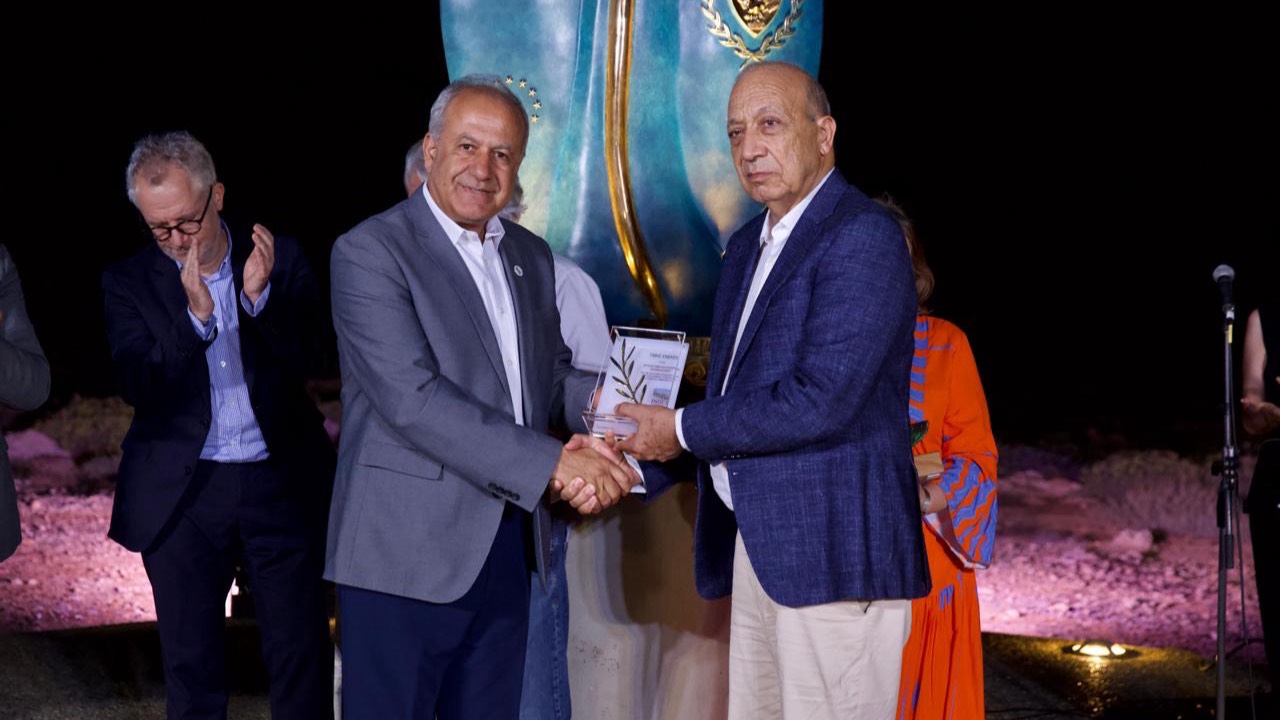
ISLAND OIL: Unveiling of the Sculpture “Cyprus’s Journey Through the Ages” in Protaras – A Tribute and Landmark to Cyprus’s Historical Memory and Cultural Heritage
In a modest ceremony marked by a moving atmosphere, the sculpture “Cyprus’s Journey Through the Ages”, created by acclaimed Cypriot sculptor…
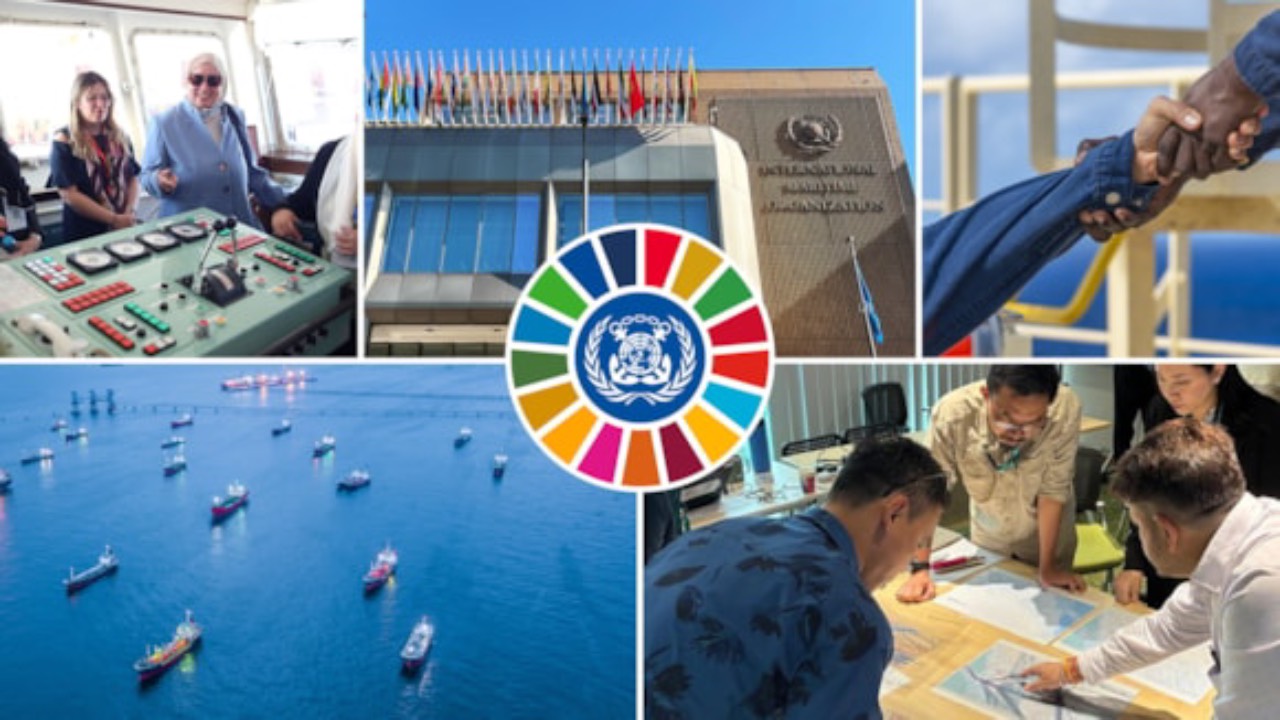
World Maritime Day 2026 from Policy to Practice – powering Maritime Excellence
Global regulations will deliver safer, more resilient shipping when they are implemented worldwide. The international maritime community marks…

Diana Shipping announces Time Charter Contract for m/v DSI Polaris with Dai An Ocean Shipping
Diana Shipping , a global shipping company specializing in the ownership and bareboat charter-in of dry bulk vessels, announced that, through a…
Chief Economists Expect Global Economy to Stabilize, but Fiscal Constraints, Rising Living Costs and AI Investment Uncertainty Threaten Growth
The global economy is stabilizing, but the fiscal support that cushioned successive shocks since 2020 is unlikely to play the same role in the year…
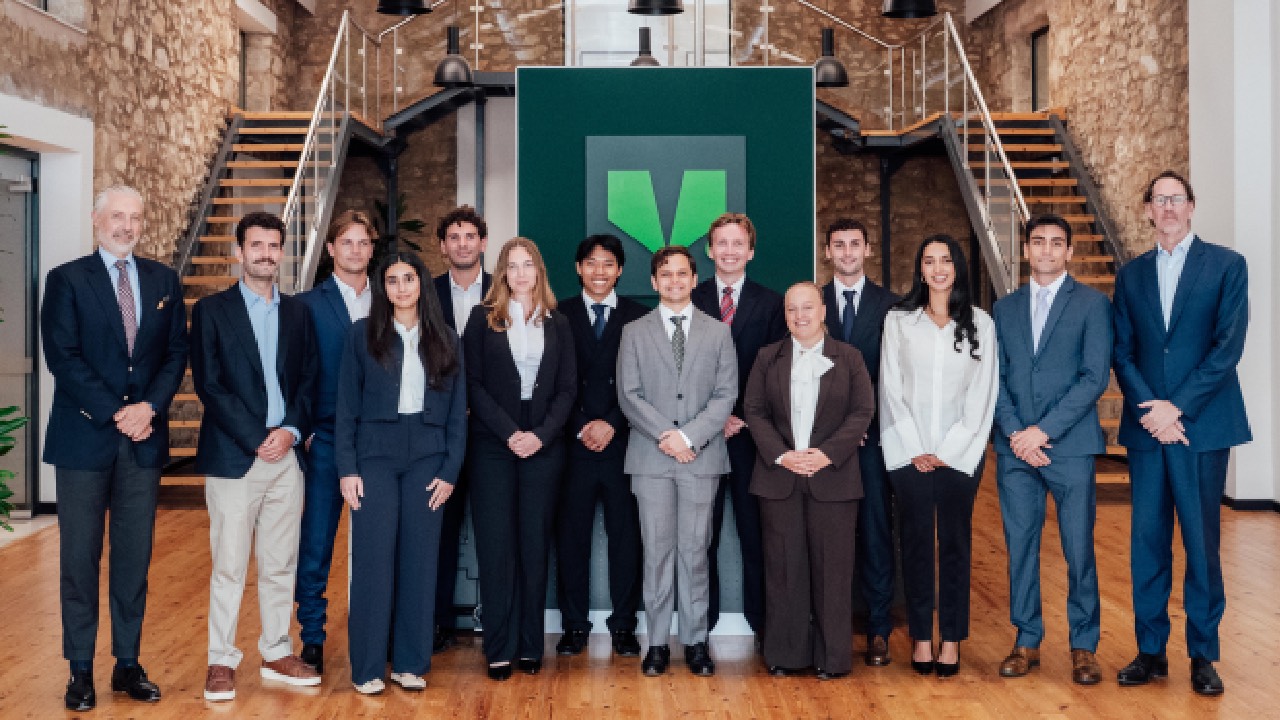
V. welcomes its new graduate cohort as programme expands across the group
Twelve graduates from nine nationalities join 11th year of V.’s expanded international management programme. V., the global ship manager and marine…

From Policy to Practice: Why Seafarers Are the Key to Maritime Excellence
The shipping industry is no stranger to regulation. Seafarers and ship operators work within a vast framework of international conventions, national…

Intermodal Report – Week 38 2026
Please find below the Intermodal market report for week 38 2026. Intermodal Report Week 38 2026 Market Insight By Nikos Tagoulis, Head of…

Allied – Weekly Market Review – Week 38
Please find below the Allied Weekly Report for Week 38 | 2026 ALLIED - Weekly Market Report- Week 38
Record year on the Northeast Passage but Arctic shipping remains very limited
In 2025, a record 103 transit voyages were made via the Northeast Passage. However, this is still equivalent to only around a day and a half of…

[xclusiv] S&P Report 21th September 2026
Please find below the [xclusiv] latest Weekly S&P Report [xclusiv] 2026_09_21 Market Commentary: VLCCs: Freight Boom Reprices the Fleet The VLCC…
Subscribe to our newsletter!
if you dont want to swim alone in the ocean of news, sign up for the newsletter, and you will receive daily all the important news of world shipping!
