Floating LNG import terminals face cost, climate, and energy security risks in Asia
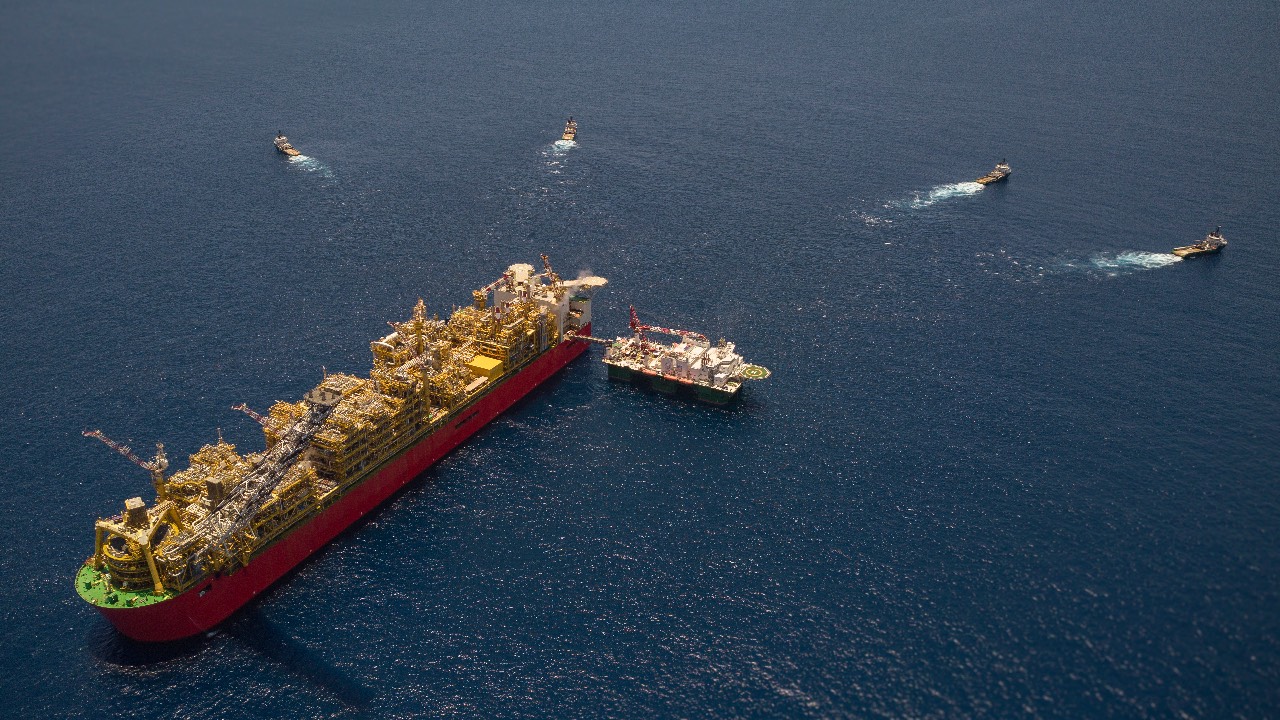

Recent project setbacks and operational challenges undermine the LNG industry’s pitch for floating import terminals
South and Southeast Asia are expected to be the largest growth markets for liquefied natural gas (LNG) over the next two decades, but LNG import projects have often faced extensive delays. To expedite growth in these key regions, the LNG industry has promoted floating LNG import terminals as quicker, cheaper options than larger onshore facilities.
However, floating import terminals face several overlooked drawbacks that may undermine their uptake in potential growth markets, according to a new briefing note from the Institute for Energy Economics and Financial Analysis (IEEFA).
For example, while offshore terminals have lower upfront capital costs compared to onshore configurations, their higher operating costs can make them more expensive within just seven years. Additionally, their inability to operate in inclement weather conditions presents a critical risk proposition for South and Southeast Asian markets, which are increasingly exposed to severe weather and oceanic conditions driven by climate change.
“Stronger and more harmful weather events increasingly threaten the reliability of offshore LNG projects and the energy security of importing countries,” says Sam Reynolds, the briefing note’s co-author and LNG/Gas Research Lead for IEEFA Asia. “Recent cancellations of floating projects in Bangladesh and the Philippines, along with ongoing delays in Vietnam, show that bringing these projects to fruition may not be so simple, potentially curbing industry expectations for rapid, near-term LNG demand growth.”
“It is telling that none of Asia’s largest LNG importers – including Japan, China, South Korea, Taiwan, India, or Thailand – currently employ floating LNG import terminals,” says Christopher Doleman, co-author and an LNG/Gas Specialist for IEEFA. “The implications of relying on fair-weather technology for energy security were clearly too risky for the LNG industry’s leading incumbents.”
IEEFA’s analysis finds that floating LNG import vessels – including floating storage and regasification units (FSRUs) and floating storage units (FSUs) – may face operational issues at wind speeds classified as “moderate breezes” on international wind scales. Moderate to rough wave conditions can also inhibit operations and force floating terminals to temporarily relocate.
Interruptions are often brief, but Bangladesh’s recent experience demonstrates that weather-related operational challenges can have prolonged impacts on fuel supply, foreshadowing energy security risks for other countries building offshore LNG import projects.
One of Bangladesh’s two floating LNG import facilities, the Summit LNG terminal, was offline for nearly six months through September 2024. After undergoing routine repairs from January to March, the terminal sustained structural damage during Cyclone Remal in May and was sent to Singapore for further repairs. Upon its return to Bangladesh in July, challenging oceanic conditions then hindered the reconnection process, delaying the terminal’s restart to September.
The storm reportedly cost Bangladesh US$600 million in economic losses and damage, in addition to the US$22 million demanded by the Summit LNG Terminal Company – partly owned by Japan’s JERA (16.5%) and Mitsubishi (25%) – for contractual payments while the terminal was offline.
Throughout Asia, 122 LNG terminals are under development, 22 of which are floating configurations. Nearly 90% of the floating projects planned in South and Southeast Asia are in countries prone to tropical storms and typhoons/cyclones, including India, the Philippines, and Vietnam.
New terminals in the Philippines have already faced weather-related operational challenges, while unfavorable conditions along Vietnam’s coast challenge the applicability of floating import configurations.
“Importantly, weather-related operational issues for floating terminals are just one of many challenges hindering the rapid uptake of LNG in emerging Asian markets,” says Reynolds. “LNG also faces underlying affordability issues that have proven to be a hard pill for emerging markets to swallow. High costs, lengthy delays, and technical challenges have placed some projects in doubt and stopped others altogether.”
“While weather-related risks may not be insurmountable for participants in the maritime natural gas trade, efforts to manage them will add costs and complications to an already expensive fuel for emerging markets,” says Doleman.
Source: IEEFA



Related News.

ISLAND OIL: Unveiling of the Sculpture “Cyprus’s Journey Through the Ages” in Protaras – A Tribute and Landmark to Cyprus’s Historical Memory and Cultural Heritage
In a modest ceremony marked by a moving atmosphere, the sculpture “Cyprus’s Journey Through the Ages”, created by acclaimed Cypriot sculptor…
World Maritime Day 2026 from Policy to Practice – powering Maritime Excellence
Global regulations will deliver safer, more resilient shipping when they are implemented worldwide. The international maritime community marks…

Diana Shipping announces Time Charter Contract for m/v DSI Polaris with Dai An Ocean Shipping
Diana Shipping , a global shipping company specializing in the ownership and bareboat charter-in of dry bulk vessels, announced that, through a…

Chief Economists Expect Global Economy to Stabilize, but Fiscal Constraints, Rising Living Costs and AI Investment Uncertainty Threaten Growth
The global economy is stabilizing, but the fiscal support that cushioned successive shocks since 2020 is unlikely to play the same role in the year…
V. welcomes its new graduate cohort as programme expands across the group
Twelve graduates from nine nationalities join 11th year of V.’s expanded international management programme. V., the global ship manager and marine…

From Policy to Practice: Why Seafarers Are the Key to Maritime Excellence
The shipping industry is no stranger to regulation. Seafarers and ship operators work within a vast framework of international conventions, national…

Intermodal Report – Week 38 2026
Please find below the Intermodal market report for week 38 2026. Intermodal Report Week 38 2026 Market Insight By Nikos Tagoulis, Head of…

Allied – Weekly Market Review – Week 38
Please find below the Allied Weekly Report for Week 38 | 2026 ALLIED - Weekly Market Report- Week 38

Record year on the Northeast Passage but Arctic shipping remains very limited
In 2025, a record 103 transit voyages were made via the Northeast Passage. However, this is still equivalent to only around a day and a half of…

[xclusiv] S&P Report 21th September 2026
Please find below the [xclusiv] latest Weekly S&P Report [xclusiv] 2026_09_21 Market Commentary: VLCCs: Freight Boom Reprices the Fleet The VLCC…
Subscribe to our newsletter!
if you dont want to swim alone in the ocean of news, sign up for the newsletter, and you will receive daily all the important news of world shipping!
