Weekly market highlights Dry Capesize


| DRY CAPESIZE
The final week of September saw a marked improvement in the Capesize Brazil-to-China route, with tightening vessel availability supporting a more optimistic market outlook. The increase in tonne days, now surpassing the lows seen in August, indicates a rebound in demand. This heightened activity, coupled with constrained vessel supply, has reinforced an upward trend in freight rates, providing a favourable market environment as the third quarter concludes. Additionally, iron ore prices surged as China introduced significant monetary stimulus measures to combat economic slowdown and deflationary pressures. The People’s Bank of China’s largest stimulus package since the pandemic, aimed at reviving the economy, has played a key role in boosting commodity demand. Restocking efforts ahead of China’s national holidays have further contributed to strong demand and elevated market sentiment. With firm freight rates, limited vessel availability, and higher iron ore prices, the Capesize segment appears set for continued strength as we enter the fourth quarter. However, the market remains sensitive to China’s fiscal policies.
|
 Image 1: Capesize Market Prices, ($/ton) 2023-2024 Image 1: Capesize Market Prices, ($/ton) 2023-2024 |
 Image 2: VLCC Market Prices, (WS) 2023-2024 Image 2: VLCC Market Prices, (WS) 2023-2024 |
Source: Signal Ocean



Related News.

Cyprus Marine Club Welcomes a Full House for Aphentrica’s War Risks Presentation
The Cyprus Marine Club marked its return after the summer break with a full house at Gazebo Mare on Tuesday, 22 September, bringing together members,…

IMO seeks feedback on Maritime Single Window implementation
The International Maritime Organization (IMO) has launched a global survey to assess the implementation and use of Maritime Single Windows (MSWs),…

World Maritime Day industry panel to examine the gap between maritime policy and the reality of life at sea
OneCare Group will bring together crewing, safety, insurance and wellbeing specialists for a World Maritime Day webinar examining how shipping can…

IUMI President – Marine insurers are war insurers
Marine insurers are at the heart of managing war risks to global shipping and must continue to develop the tools needed to support and facilitate…
Seafarer welfare is improving amongst leading companies, but five years of evidence shows this progress is far from the norm
Five years on, the Seafarers’ Rights Code of Conduct is driving more than 1,000 companies to participate in RightShip’s Crew Welfare…
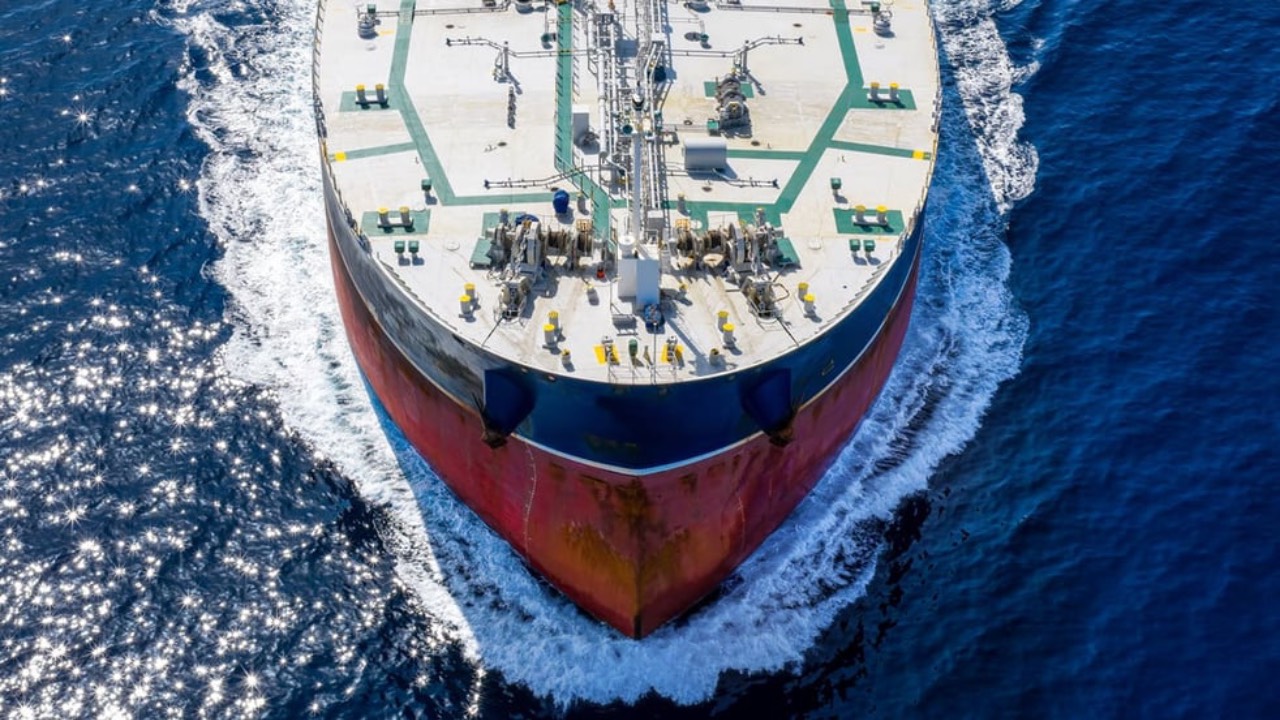
The UK ETS arrives for shipping what it means for charterers
Introduction The UK Emissions Trading Scheme (UK ETS) was extended to domestic maritime activity on 1 July 2026, following the EU ETS, FuelEU…
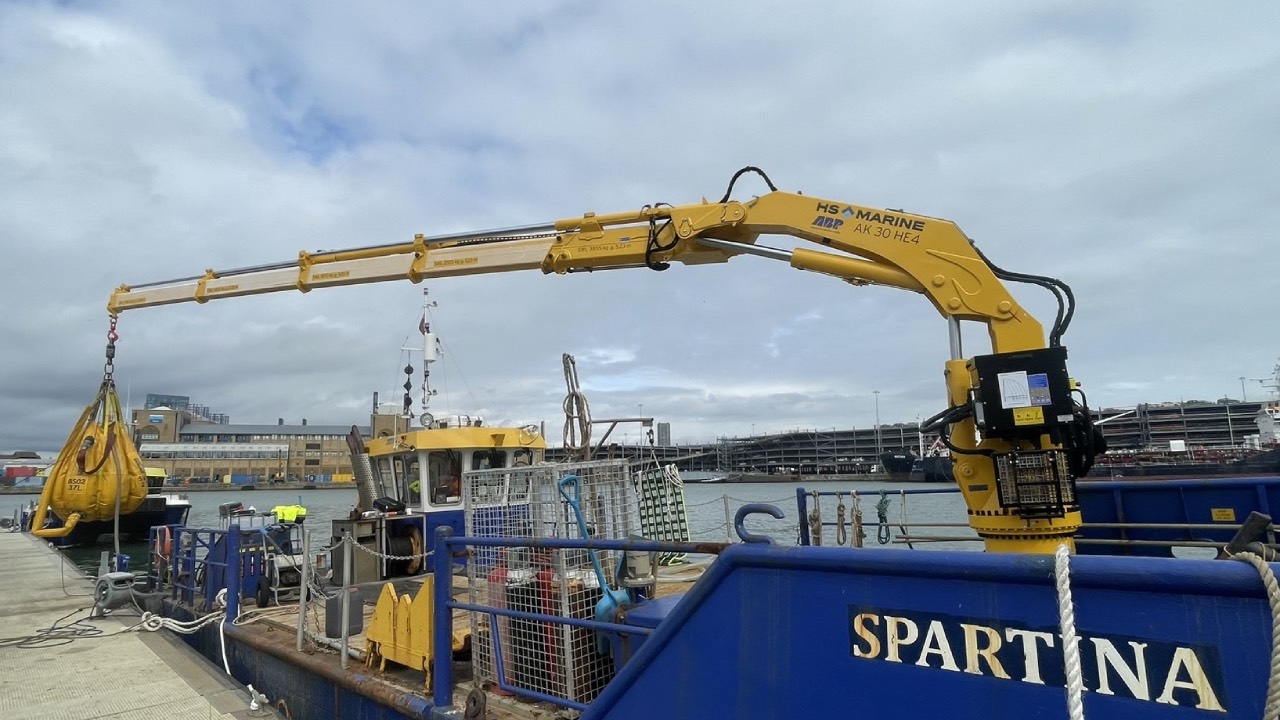
ABP Southampton invests locally with Marine Cranes to boost capability
Associated British Ports , the UK’s largest port operator, has invested a new marine deck crane aboard Spartina, one of the Port of Southampton’s…
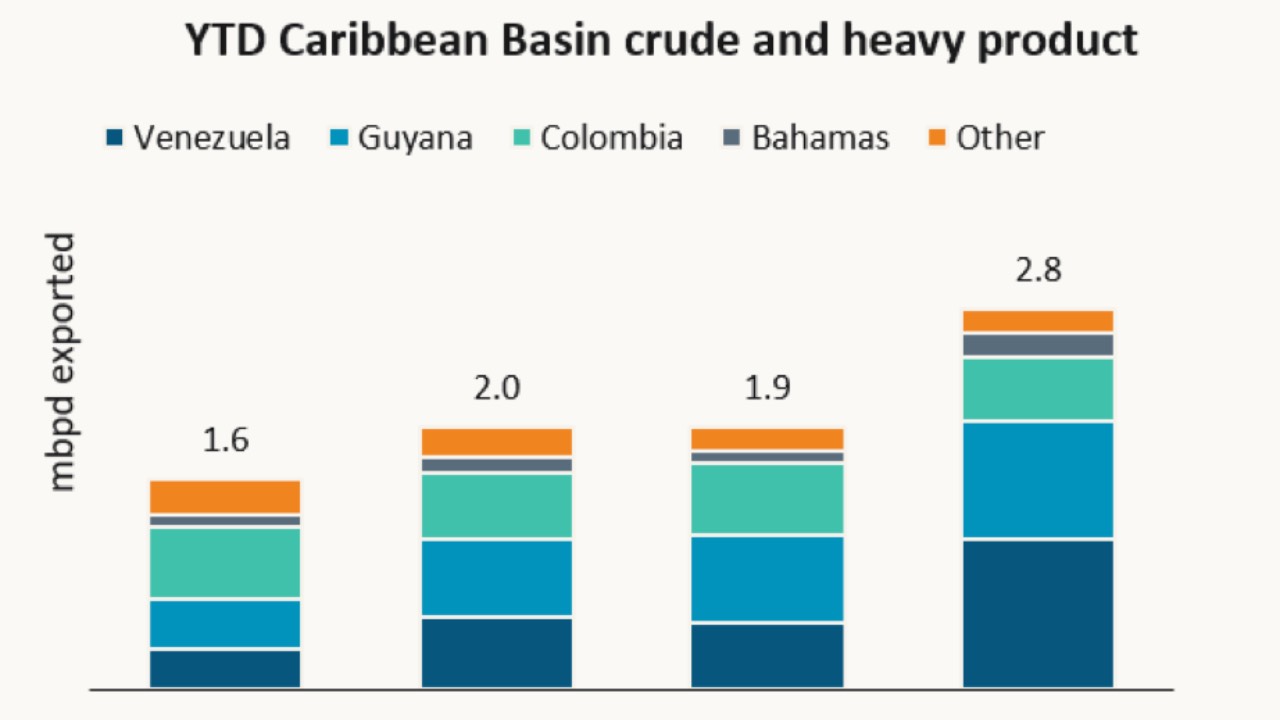
BIMCO Shipping Number of the Week
Caribbean Basin crude oil and heavy product exports jump 45% “Seaborne exports of crude oil and heavy products from the Caribbean Basin have…

xclusiv S&P Report 21th September 2026
Pls find below the [xclusiv] S&P Report 21th September 2026 [xclusiv] 2026_09_21
Marine insurance supply remains stable as geopolitical and technical changes reshape the market, says IUMI President
The global marine insurance market remains in a stable position, with premium growth strongly supported by a weak USD in hull and cargo. Meanwhile…
Subscribe to our newsletter!
if you dont want to swim alone in the ocean of news, sign up for the newsletter, and you will receive daily all the important news of world shipping!
