World Bank Group releases report on offshore wind development scenarios for Brazil based on analysis by DNV
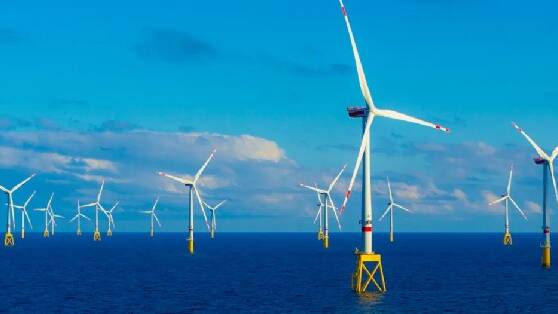

Exploring Future Opportunities for Offshore Wind Energy in Brazil
The World Bank Group today released a study on “Scenarios for Offshore Wind Development in Brazil” conducted by DNV, the global independent energy expert and assurance provider. This report is one of a series of offshore wind roadmap studies commissioned by the World Bank Group (WBG) under its Offshore Wind Development Program, funded and led by the Energy Sector Management Assistance Program (ESMAP), in partnership with the International Finance Corporation. The study upon which the World Bank’s Latin America and Caribbean Energy and Extractives Practice developed the report was executed by DNV and written in partnership with Vieira Rezende Advogados and Magalhães Reis Figueiró Advogados.”
Brazil’s offshore wind energy potential exceeds 1,200 GW, with 480 GW from fixed foundations and 748 GW from floating foundations. This abundant resource, strategically located near demand centers, positions offshore wind as a pivotal player in Brazil’s future energy landscape.
The report, prepared in collaboration with the World Bank, Brazil’s Ministry of Mines and Energy (MME), and the Energy Research Office (EPE), provides a thorough analysis for policymakers and stakeholders, active in Brazil. The findings emphasize the need for a clear energy strategy, significant infrastructure investment, and prompt action to harness the growing interest in offshore wind in Brazil.
The report provides a vision for a future under three different Growth Scenarios:
- Base Case: 16 GW by 2050, representing 3% of Brazil’s generation capacity.
- Intermediate: 32 GW by 2050, accounting for 6% of the total generation capacity.
- Ambitious: 96 GW by 2050, comprising nearly 20% of the generation mix.
Offshore wind development in Brazil offers a promising complement to hydroelectric power, reducing interannual variability and providing a buffer during dry periods. It also supports Brazil’s green hydrogen targets and can drive economic growth and job creation, potentially generating up to 516,000 full-time equivalent jobs and contributing USD 168 billion in national gross value added under the Ambitious scenario. Additionally, it can streamline local electricity generation, reducing transmission losses by aligning resources with demand centers, including major cities.
However, several challenges exist, including high initial costs that require concessional finance and strategic seabed rights allocation. Despite projections of significant long-term cost reductions, financing and procurement complexities remain. Substantial investments are also needed for transmission upgrades and grid flexibility to integrate offshore wind effectively. Environmental and social considerations further complicate development, necessitating meticulous planning and community consultations. Upgrading regional ports, logistics infrastructure, and the offshore wind supply chain to support larger turbine production adds to the overall costs.
Strategic planning, collaboration, and targeted investments can help overcome these obstacles and unlock the full potential of offshore wind energy in Brazil’s renewable energy transition.
 Santiago Blanco, Executive Vice-President and Regional Director for Latin America, Energy Systems at DNV, commented, “This report highlights the immense potential of offshore wind in Brazil and provides guidelines for its development. The country’s choice to embrace offshore wind power hinges on balancing energy demands, climate goals, and economic growth. Our research offers insights, not directives, outlining the challenges and opportunities to inform strategic decisions.”
The success of Brazil’s offshore wind sector depends on establishing a long-term energy strategy, as emphasized in the World Bank Group’s report on “Key Factors for Successful Development of Offshore Wind in Emerging Markets”. The chosen path will shape the role of wind power in Brazil’s future, from a marginal role under the Base Case to significant economic transformation in the Ambitious scenario.
Tchiarles Coutinho Hilbig, Market Area Manager for South America, highlights, “The report comes at a pivotal moment, anticipating regulatory approval for offshore wind in the country. It provides valuable insights on technological, environmental, economic, and policy factors influencing the sector’s growth. Using DNV’s advanced design models with real data on resources, site conditions, and key projects, it’ll equip stakeholders to make informed decisions and strategies for sustainable industry expansion.”
Whatever course policymakers and stakeholders choose to chart, they must act swiftly to capitalize on current interest, particularly amid waning investor enthusiasm for emerging markets. Updates in transmission networks, port infrastructure, and manufacturing capabilities, along with Environmental & Social sensitivity mapping – all prerequisites for offshore wind development –, have lengthy timelines. Providing a clear market entry pathway, including seabed exclusivity and offtake arrangements in initial offshore wind auctions, is essential.



Related News.
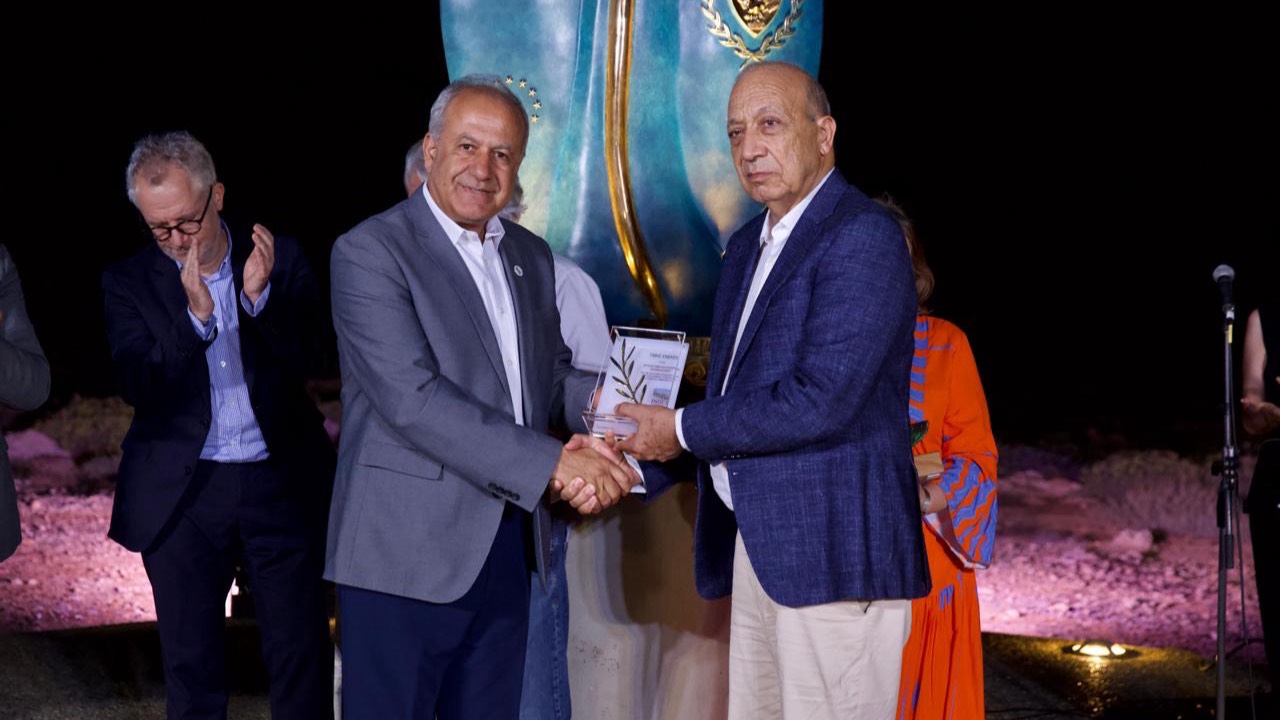
ISLAND OIL: Unveiling of the Sculpture “Cyprus’s Journey Through the Ages” in Protaras – A Tribute and Landmark to Cyprus’s Historical Memory and Cultural Heritage
In a modest ceremony marked by a moving atmosphere, the sculpture “Cyprus’s Journey Through the Ages”, created by acclaimed Cypriot sculptor…
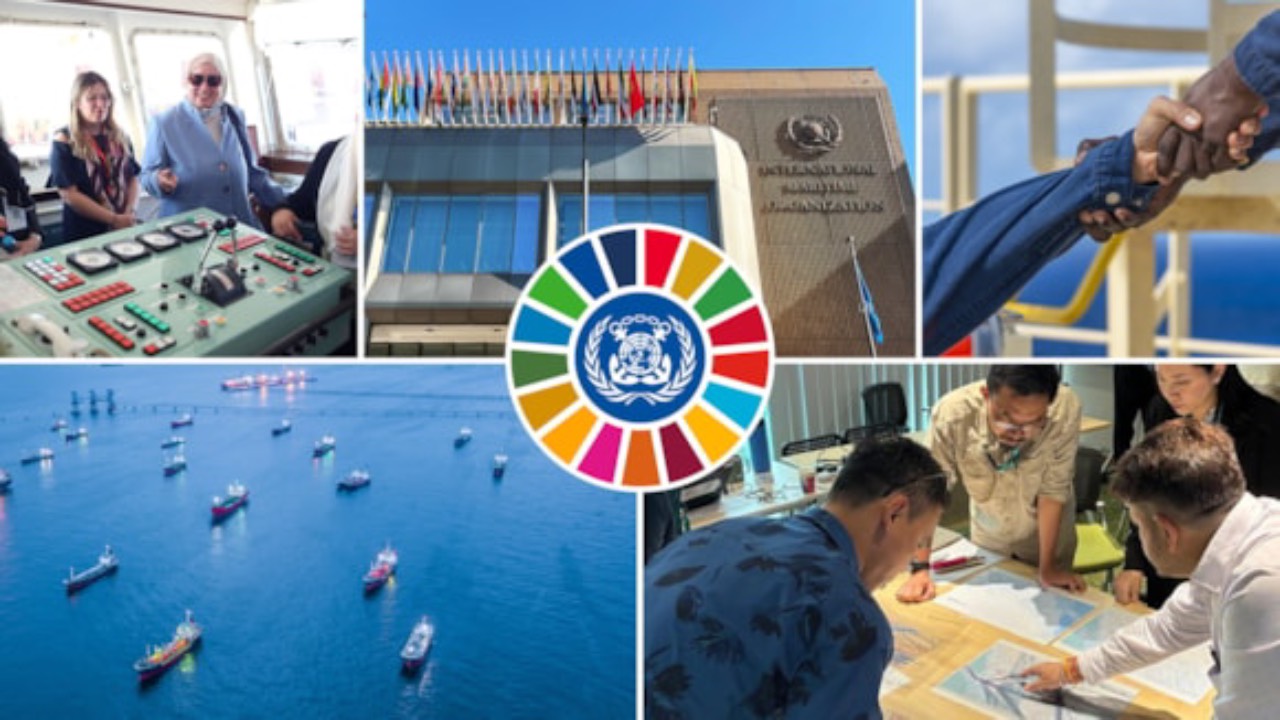
World Maritime Day 2026 from Policy to Practice – powering Maritime Excellence
Global regulations will deliver safer, more resilient shipping when they are implemented worldwide. The international maritime community marks…

Diana Shipping announces Time Charter Contract for m/v DSI Polaris with Dai An Ocean Shipping
Diana Shipping , a global shipping company specializing in the ownership and bareboat charter-in of dry bulk vessels, announced that, through a…
Chief Economists Expect Global Economy to Stabilize, but Fiscal Constraints, Rising Living Costs and AI Investment Uncertainty Threaten Growth
The global economy is stabilizing, but the fiscal support that cushioned successive shocks since 2020 is unlikely to play the same role in the year…
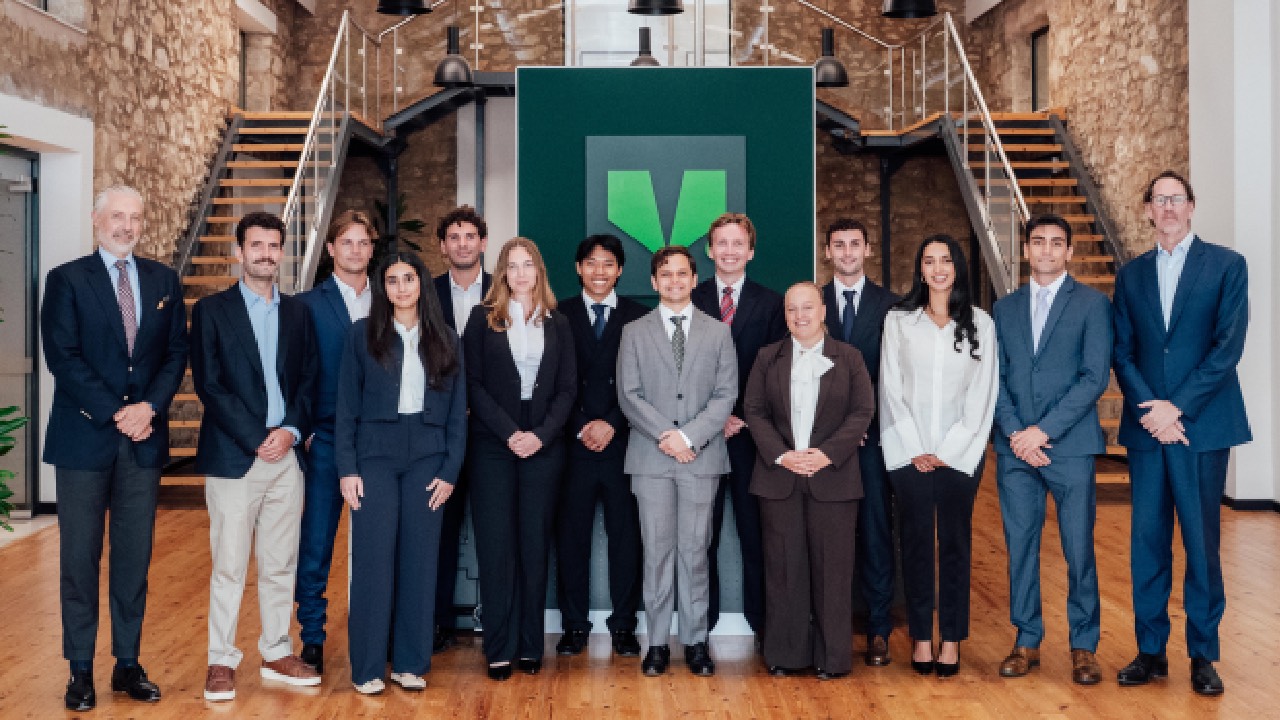
V. welcomes its new graduate cohort as programme expands across the group
Twelve graduates from nine nationalities join 11th year of V.’s expanded international management programme. V., the global ship manager and marine…

From Policy to Practice: Why Seafarers Are the Key to Maritime Excellence
The shipping industry is no stranger to regulation. Seafarers and ship operators work within a vast framework of international conventions, national…

Intermodal Report – Week 38 2026
Please find below the Intermodal market report for week 38 2026. Intermodal Report Week 38 2026 Market Insight By Nikos Tagoulis, Head of…

Allied – Weekly Market Review – Week 38
Please find below the Allied Weekly Report for Week 38 | 2026 ALLIED - Weekly Market Report- Week 38

Record year on the Northeast Passage but Arctic shipping remains very limited
In 2025, a record 103 transit voyages were made via the Northeast Passage. However, this is still equivalent to only around a day and a half of…

[xclusiv] S&P Report 21th September 2026
Please find below the [xclusiv] latest Weekly S&P Report [xclusiv] 2026_09_21 Market Commentary: VLCCs: Freight Boom Reprices the Fleet The VLCC…
Subscribe to our newsletter!
if you dont want to swim alone in the ocean of news, sign up for the newsletter, and you will receive daily all the important news of world shipping!
