Ministerial Summit on Europe’s competitiveness held at MOL Group Headquarters

The first informal meeting of the Competitiveness Council, held under the Hungarian presidency of the Council of the European Union, took place at MOL Group’s headquarters. EU ministers and state secretaries responsible for competitiveness convened in MOL Campus to discuss the continent’s challenges. Industrial stakeholders emphasized that maintaining Europe’s competitiveness is crucial for the success of the green energy transition, requiring collaboration and a conducive environment for industrial development. The event was addressed by Zoltán Áldott, Chairman of the Supervisory Board of MOL Group, and Marco Mensink, Director General of the European Chemical Industry Council (CEFIC). Following the discussions, participants engaged in an interactive exhibition featuring various demonstration tools, product samples, and videos showcasing MOL Group’s strategic areas.
The Competitiveness Council’s inaugural informal meeting, part of Hungary’s EU Presidency program, brought together ministers and state secretaries responsible for competitiveness from member states. The primary focus of the event was on preserving and enhancing Europe’s competitiveness.
“It is in all of our interests that Europe remains strong and competitive. This requires extensive collaboration between industry and policymakers. We ask the leadership of the European Union to offer a predictable and realistic future vision for key market players, rather than excessive regulation and administrative burdens. The ‘Fit for 55’ climate package is a great vision, but Europe actually needs a ‘Fit for Reality’ plan to tackle real-world challenges. We are committed to accelerating the green energy transition through our investments, but a supportive environment is essential for success in all strategic areas. It is crucial for us as MOL Group not only complies with the EU’s green targets but plays an important in ensuring energy security in the CEE region,” stated Zoltán Áldott, Chairman of the Supervisory Board of MOL Group, in his welcome address.
Concerns about the continent’s competitiveness were highlighted earlier this year in February by European industrial stakeholders: 73 leaders from nearly 20 industries issued a joint declaration, known as the “Antwerp Declaration,” to Belgian Prime Minister Alexander De Croo, then-President of the European Council, and Ursula von der Leyen, President of the European Commission. The participants of the Antwerp Industrial Summit agreed that successful green energy transition hinges on competitiveness. Since then, over 1,200 organizations have signed the declaration, and work continues within the framework of the “Antwerp Dialogues” to elaborate on the declaration’s topics and establish a consensus to support future decision-making.
Following the meeting, attendees participated in an interactive exhibition where MOL Group showcased its sustainable strategic areas using various demonstration tools, product samples, and videos. The exhibits covered topics such as green hydrogen, biogas, various synthetic and biofuels, waste management, and plastic recycling, as well as petrochemical raw materials necessary for the production of everyday products. The company set up a lithium lab for the event, and its experts also presented opportunities MOL sees in geothermal energy and carbon capture and storage (CCS).
5 points on how industrial policies can enable the energy transition and support European competitiveness
|
1. We need a new industrial and regulatory paradigm: policy should create positive business cases, as targets alone are insufficient.
2. An honest and deep analysis is needed on the real effects of EU climate and energy policies on European competitiveness and ability to attract investment 3. The success of the transition depends on regulatory certainty, reduced administrative burden, open approach to all cost-efficient sustainable technologies, and availability of de-risking schemes for innovative projects. 4. A package of corrective measures is necessary in order to reduce regulatory burden, policy incoherence and to better take into account regional specificities, 5. To ease the burden on the energy intensive industries and increase the funds available for the transition, revenues from the ETS should be dedicated to the industrial transformation of the affected sectors. |



Related News.
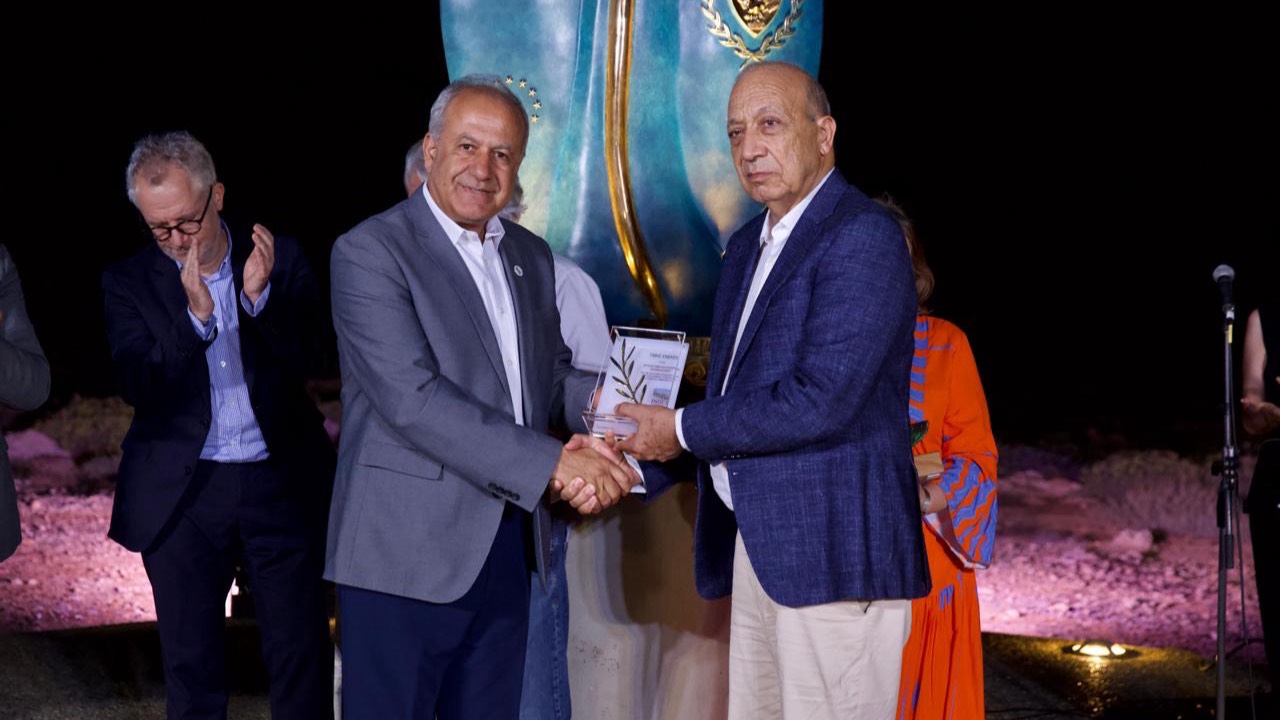
ISLAND OIL: Unveiling of the Sculpture “Cyprus’s Journey Through the Ages” in Protaras – A Tribute and Landmark to Cyprus’s Historical Memory and Cultural Heritage
In a modest ceremony marked by a moving atmosphere, the sculpture “Cyprus’s Journey Through the Ages”, created by acclaimed Cypriot sculptor…
World Maritime Day 2026 from Policy to Practice – powering Maritime Excellence
Global regulations will deliver safer, more resilient shipping when they are implemented worldwide. The international maritime community marks…

Diana Shipping announces Time Charter Contract for m/v DSI Polaris with Dai An Ocean Shipping
Diana Shipping , a global shipping company specializing in the ownership and bareboat charter-in of dry bulk vessels, announced that, through a…
Chief Economists Expect Global Economy to Stabilize, but Fiscal Constraints, Rising Living Costs and AI Investment Uncertainty Threaten Growth
The global economy is stabilizing, but the fiscal support that cushioned successive shocks since 2020 is unlikely to play the same role in the year…
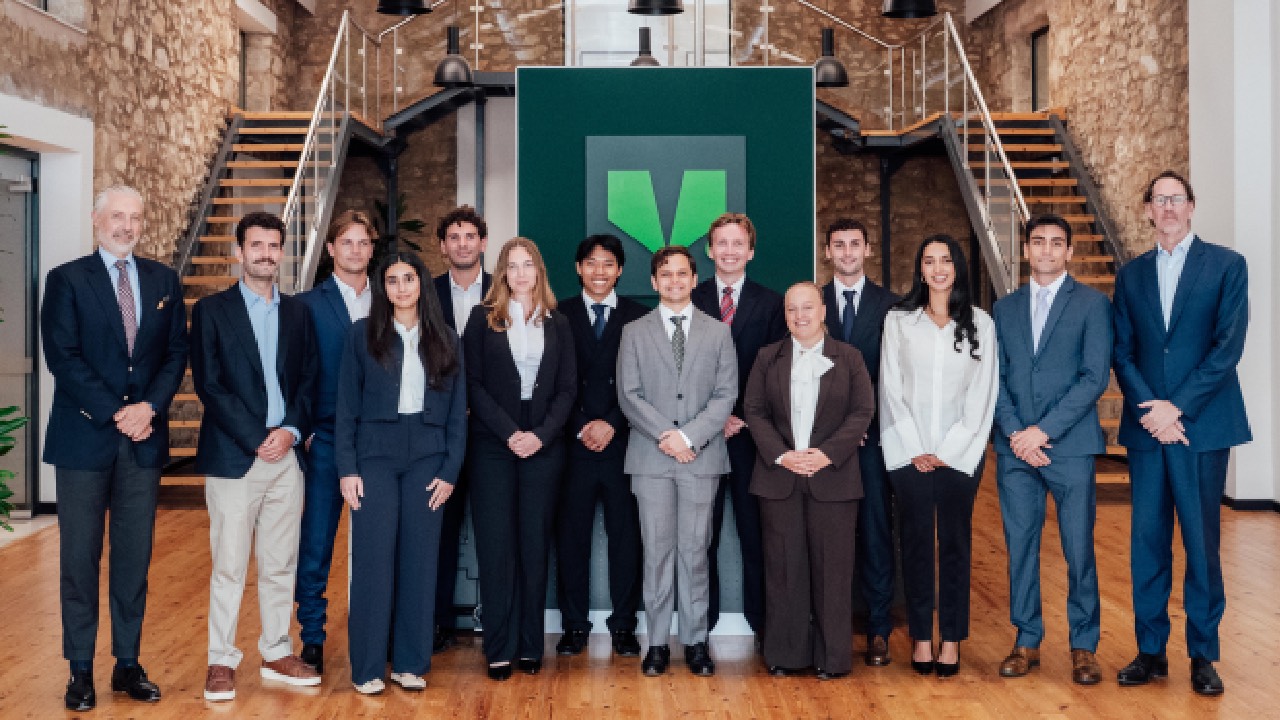
V. welcomes its new graduate cohort as programme expands across the group
Twelve graduates from nine nationalities join 11th year of V.’s expanded international management programme. V., the global ship manager and marine…
From Policy to Practice: Why Seafarers Are the Key to Maritime Excellence
The shipping industry is no stranger to regulation. Seafarers and ship operators work within a vast framework of international conventions, national…

Intermodal Report – Week 38 2026
Please find below the Intermodal market report for week 38 2026. Intermodal Report Week 38 2026 Market Insight By Nikos Tagoulis, Head of…

Allied – Weekly Market Review – Week 38
Please find below the Allied Weekly Report for Week 38 | 2026 ALLIED - Weekly Market Report- Week 38

Record year on the Northeast Passage but Arctic shipping remains very limited
In 2025, a record 103 transit voyages were made via the Northeast Passage. However, this is still equivalent to only around a day and a half of…

[xclusiv] S&P Report 21th September 2026
Please find below the [xclusiv] latest Weekly S&P Report [xclusiv] 2026_09_21 Market Commentary: VLCCs: Freight Boom Reprices the Fleet The VLCC…
Subscribe to our newsletter!
if you dont want to swim alone in the ocean of news, sign up for the newsletter, and you will receive daily all the important news of world shipping!
