New survey findings shed light on the impact of decarbonisation on seafarers’ wellbeing
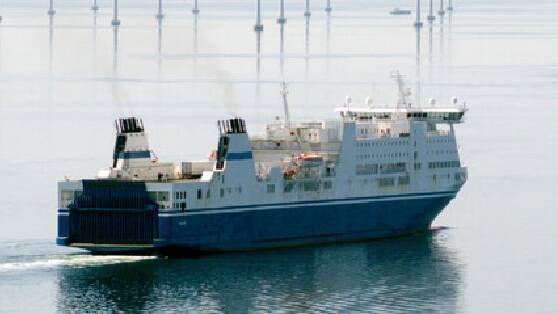

The survey received 400 valid responses from seafarers of 29 nationalities, as well as 55 responses from shore-based staff. The findings indicate that there is significant support for the principles of decarbonisation amongst seafarers and shore-based staff. In practice, however, the challenges of the journey to zero carbon are negatively impacting the wellbeing of many working in the maritime sector. Amongst seafarer respondents, over half (53.8%) stated that changes brought about by decarbonisation had had a negative impact on their workload. For 44% of seafarers, this was associated with an increase in levels of stress, whilst 40.1% reported increased levels of fatigue. Concerningly, almost a third of seafarer respondents (32.8%), reported that changes brought about by decarbonisation had increased their fears about potential criminalisation, as the complexity of current reporting regimes led to greater risks of inadvertent error.
Engineers were more likely than deck officers to report negative impacts on their wellbeing, with 34.4% of engineer respondents stating that decarbonisation was having a negative impact on their mental health, in comparison with 25.3% of deck officers. Several engineers commented on the profound impact on their workload and stress levels of the requirements to switch frequently between different fuel types. The survey suggests that the negative effects on wellbeing and workload are felt most strongly by engineers without a fixed trading pattern.
The small sample size of shore-based staff means that the survey findings are less robust than those of the seafaring cohort. However, the findings were broadly in line with those of seafarers, with many shore-based staff expressing their support in principle for the journey to zero carbon, but mirroring the frequently negative impact on several aspects of their health and wellbeing.
Foregrounding wellbeing in the decarbonisation transition
“I am a big supporter of decarbonisation and taking steps to reduce our negative impact on the planet and our surroundings. I just wish it was done in a much better way.”
– Seafarer respondent
The survey findings suggest that there is substantial willingness on behalf of seafarers and shore-based staff to be active contributors in the zero-carbon transition. However, in order to harness this potential, maritime employers must be willing to take steps to better support the wellbeing of seafarers and shore-based staff through the rapid transformation, in order to prevent decarbonisation becoming an additional factor that drives skilled employees away from the sector.
Based on feedback from survey responses, the report sets out a number of steps that maritime companies should take to reduce the potential for the changes brought about by decarbonisation to negatively impact wellbeing.
These include:
- Acknowledge and address the impact of decarbonisation on workloads and factor this into crew sizes
- Recognise the psychological impacts of rapid change and technostress and build these into health and wellbeing trainings
- Foster a culture of both physical and psychological safety and ensure that seafarers have the confidence to voice any safety concerns
- Ensure that seafarers’ contributions to decarbonisation are acknowledged and valorised, both in terms of renumeration and job security
- Protect against technostress in system design, by ensuring that new technologies, systems and processes function in cohesive, joined-up and accessible ways
- Foster strong communication channels to ensure that the rationale for new technologies and reporting requirements are understood by all
- Harmonise as far as possible reporting requirements to reduce duplication and alleviate concerns about inadvertent mistakes
Most crucially, the survey calls for the maritime sector to valorise seafarers and other maritime employees as crucial partners in the decarbonisation journey. The report concludes that many working in the shipping industry understand only too well the vital importance of taking rapid action to address the climate emergency and are strongly motivated to play their part. By proactively consulting with seafarers and shore-based staff in decision-making about the development and implementation of new technologies, maritime employers can benefit from their expertise and foster their commitment to remaining in the industry.
ISWAN and The Shipowners’ Club will continue to work together to support the maritime sector to turn the survey findings into practical actions. This includes developing a new guide for maritime employers and seafarers on addressing the impact of technostress, which will be published in the autumn.
Simon Grainge, the Chief Executive of ISWAN, said: “Only too often, seafarers tell us that they feel their wellbeing is overlooked in favour of commercial imperatives or regulatory requirements. By engaging with their concerns about decarbonisation, maritime employers have the opportunity to empower seafarers to be proponents and drivers of the journey towards zero carbon, rather than this becoming another factor that risks driving them out of the sector.”
Louise Hall, Director of Loss Prevention, Corporate Responsibility & Marketing at The Shipowners’ Club, said: “The maritime industry constantly evolves, and as the industry strives to achieve zero-carbon operations, the vessels’ crews must not be overlooked when ensuring an effective and safe implementation of any proposed measures. It is with this in mind the Club has collaborated with ISWAN and conducted this survey that investigates the impact of decarbonisation, and the resulting workload, on seafarers’ wellbeing and safety. We look forward to working with ISWAN and other industry stakeholders to take forward the recommendations of this report and ensure that seafarers have the support they need to meet the challenges of the zero-carbon transition.”
The impact of maritime decarbonisation on wellbeing: Findings of an ISWAN survey of seafarers and shore-based staff can be downloaded here.
Source: International Seafarers’ Welfare and Assistance Network (ISWAN)



Related News.
Global Flag State Ranking 2026 who is up, who is down
Lorrendraaier publishes Global Flag State Ranking 2026: 148 flags measured on objective data, Singapore leads, Pakistan falls 35 places, the Dutch…
Will Germany have enough gas this winter?
As of mid-September 2026, Germany had stored just about 141 terawatt-hours of gas, accounting for around 57% of the country’s total storage…

Record diesel prices put US policy options in focus
Record-high diesel prices and tight inventories have put US exports under scrutiny, but keeping more barrels at home may offer only temporary…
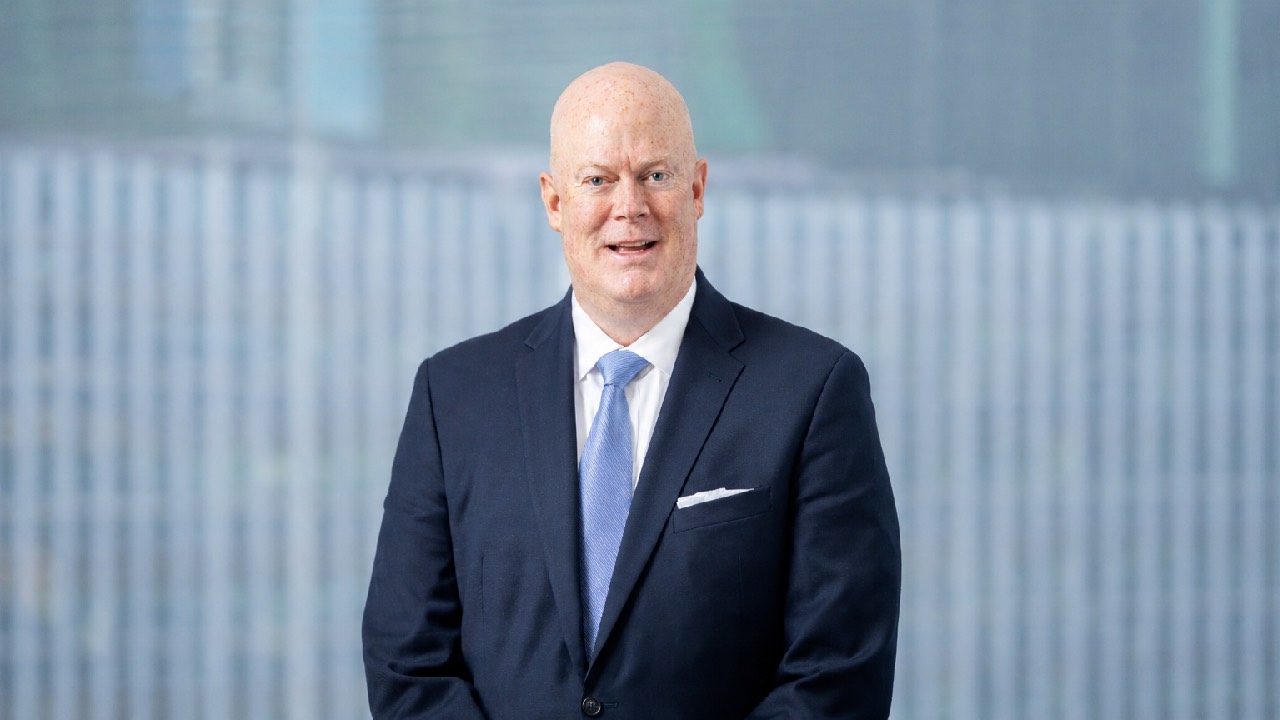
IUMI elects Sean M. Dalton as President and says farewell to Frédéric Denèfle
The International Union of Marine Insurance (IUMI) has elected Sean M. Dalton as its new President. The election took place today at a meeting of the…
F/V MISTRESS Shipwreck ‘Lost’ Near Block Island Located After Seven Years
Green Oceans’ Underwater Investigation Reveals a Shipwreck Presumed to be the F/V Mistress found at the Base of Block Island Turbine #1 - Asks…
OCEAN at 50 celebrating a proud past and Maritime Future
OCEAN, the European sub-committee of ISSA, celebrated half a century of service to Europe’s ship supply sector with a landmark anniversary conference…

DORIC MONTHLY BRAZIL BAROMETER SEPTEMBER 2026
Pls find below the DORIC MONTHLY - BRAZIL BAROMETER SEPTEMBER 2026 BRAZIL_BAROMETER_SEPTEMBER_2026

Steel flows face fresh challenges in the final quarter of 2026
Steel flows slip into negative growth in July 2026 Global steel flows fall 1% y/y in July 2026 to reach 22.2 Mt. China’s share of global steel…

Insurance must shift “from repair to prevention”, says IUMI
Marine insurers will need to place greater emphasis on loss prevention as risks become more complex and costly to insure, according to Pascal Dubois,…

BIMCO’s Container Shipping Market Overview & Outlook September 2026 is out
Container Shipping Market Overview & Outlook Supply pressure is mounting "Disruptions and strong growth in head-haul trades continue to support…
Subscribe to our newsletter!
if you dont want to swim alone in the ocean of news, sign up for the newsletter, and you will receive daily all the important news of world shipping!
