

This article delves into the intricacies of complying with these regulations and the legal issues that arise for shipowners and operators.
Legal Background: Ballast water is essential for maintaining the stability and balance of ships, but it can also introduce invasive species to new environments. Recognizing the environmental threat, the International Maritime Organization (IMO) introduced the Ballast Water Management Convention, requiring ships to adopt measures to manage their ballast water and reduce the risk of species transfer.
Compliance Dilemmas: Shipowners and operators are grappling with the installation of ballast water treatment systems to meet the Convention’s standards. The legal challenges arise from the ambiguity in compliance timelines, varying standards across jurisdictions, and the considerable financial burden of retrofitting vessels with approved treatment technologies. The industry is at a crossroads, facing the need to balance environmental stewardship with the practical and financial constraints of compliance.
Jurisdictional Variances: The Ballast Water Management Convention allows countries to implement their own regulations within the broad framework. This has led to a patchwork of rules and standards, creating legal uncertainties for shipowners operating in different jurisdictions. The lack of harmonization raises questions about the consistency of enforcement, potential conflicts between national regulations, and the need for legal clarity in navigating these diverse legal landscapes.
Legal Liability and Enforcement: Non-compliance with ballast water management regulations can result in severe legal consequences, including fines, vessel detentions, and damage to a company’s reputation. Shipowners must navigate the complex web of national and international laws, as well as potential legal liabilities in the event of environmental damage caused by invasive species transported through ballast water.
Legal Solutions and Industry Collaboration: To address these legal challenges, the shipping industry must actively engage in dialogue with regulators, legal experts, and environmental organizations. Collaborative efforts can contribute to the development of standardized regulations, streamlined enforcement procedures, and legal frameworks that facilitate compliance without unduly burdening the industry.
Conclusion: As the shipping industry strives to meet its environmental obligations, the legal complexities surrounding ballast water management compliance present significant hurdles. By addressing jurisdictional variances, legal liability concerns, and fostering industry collaboration, stakeholders can work towards a more coherent and effective legal framework, ensuring that the sector contributes responsibly to global environmental protection efforts.
Source: By Maria Athanasiou, Founder of Athanasiou & Associates LLC, Founder of MASO Strategic, Lecturer in Maritime Law at Cyprus Maritime Academy.



Related News.

Cyprus Maritime Innovation takes Centre Stage at SMM Hamburg 2026
Underscoring its expanding role as a premier international hub for cutting-edge maritime technology and sustainable shipping, the Republic of Cyprus…

Trump seeks to refill US oil reserve with Venezuela deal but faces long delay
U.S. President Donald Trump said on the 30th (local time) that he would refill the U.S. Strategic Petroleum Reserve, which has been depleted with…
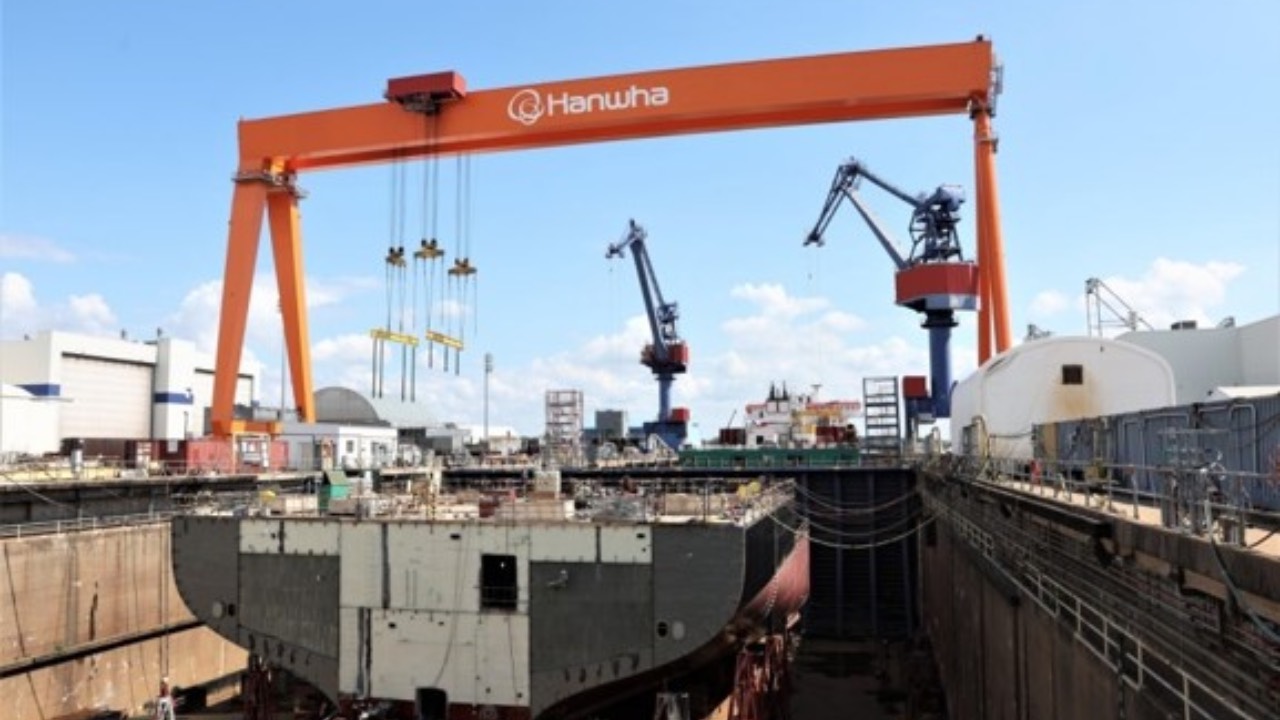
US Navy Official visits South Korean Shipyards in private
With U.S. President Donald Trump pushing a plan to allow overseas construction of U.S. warships, attention is focusing on whether the building of…

SES and De Boer Marine expand collaboration with FlexMaritime deployment across Global Markets
SES, a leading space solutions company, and De Boer Marine, a leading provider of top-quality marine equipment and maritime connectivity services,…

New ESG guidance to help maritime industry turn sustainability into commercial advantage
New framework helps shipowners and ports align ESG strategy with access to capital, charterer expectations and long-term asset value. Maritime…

Britannia P&I Club analysis finds four in five crew deaths linked to illness rather than accidents
New report highlights cardiovascular disease as leading cause of fatalities and raises concerns over mental health risks among younger seafarers.…

The Swedish Club launches new Loss Prevention podcast, Knot Another Lesson
The Swedish Club has launched Knot Another Lesson, a new podcast exploring the practical lessons, emerging risks and operational challenges shaping…

Lloyd’s Register appoints Jens Grunenberg as Senior Representative for Germany
Lloyd’s Register has appointed Jens Grunenberg as its Senior Representative for Germany, effective 1 September. Based in Hamburg, Grunenberg will…
Indian Register of Shipping sets sights on Hamburg for European Expansion
Indian Register of Shipping, a leading international classification society and full member of the International Association of Classification…
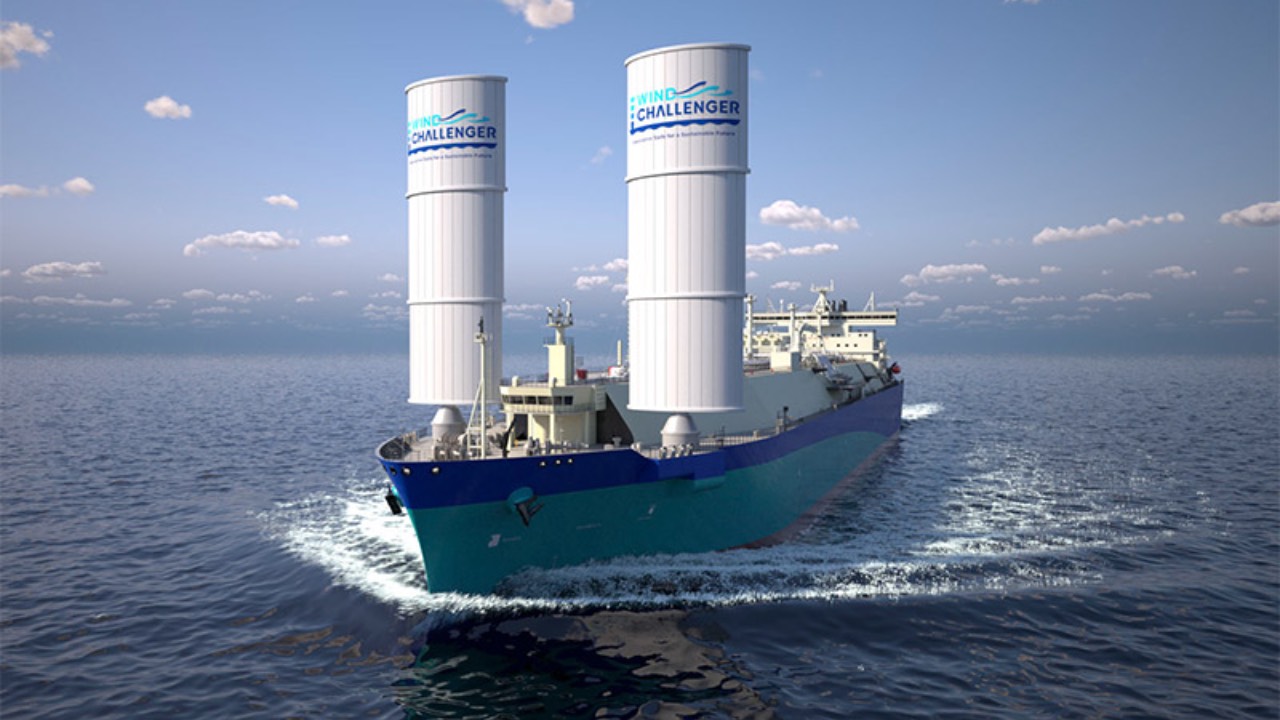
MOL completes Merger of 6 Ship Management Companies
Unifying Management of Over 200 Vessels and Strengthening Safety Mitsui O.S.K. Lines, announced that it has completed the integration of the MOL…
Subscribe to our newsletter!
if you dont want to swim alone in the ocean of news, sign up for the newsletter, and you will receive daily all the important news of world shipping!
