Rising to the Wellboat Challenge
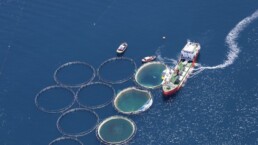

In the high-volume transport conditions experienced in salmon farms and other commercial marine environments that require the moving of live fish, preventing infection and contamination is crucial, as is ensuring fish welfare. Wellboats, which sort, treat and transfer farmed salmon to open seas and back, are relying on BIO-UV and Redox hygiene and biosecurity solutions to keep farmed fish fresh.
The transportation of farmed fish, predominantly salmon, for commercial purposes must comply with mandatory welfare requirements to minimise stress and danger to the livestock being transported.
When it comes to fish, for example, the EU Platform on Animal Welfare Voluntary Initiative on Fish Welfare (2020) stipulates that water quality parameters should be kept within acceptable limits throughout the journey, with supplemental oxygen supplied and changes in water temperature avoided. It also stresses that key water quality parameters should have limits established that are specific to the species and life stage of the fish.
Ensuring compliance with these and other requirements of live fish transport is central to the business model of water treatment specialist BIO-UV, which has a long history of activity in aquaculture and, specifically, the wellboat sector.
The company’s UV-and ozone-based water treatment technology tackles the proliferation of algae and addresses risks of waterborne diseases affecting fish stocks by reproducing natural ecosystems, using ultraviolet light and ozone to disinfect the water during their journeys from land based or hatcheries to offshore farms.
With over a decade of expertise in maritime UV treatment for both newbuild and retrofitted vessels, BIO-UV partners with Redox, one of Norway’s leading aquaculture technology suppliers, to provide effective water treatment solutions to wellboats operating globally. Redox provides solutions for regulating water quality to the fisheries and aquaculture industry, with a particular focus on encouraging good growth and water quality while increasing biosecurity at customers’ facilities.
“Redox is one of the world’s leading companies in terms of equipping wellboats, from newbuild to retrofit,” says Simon Marshall, Deputy General Manager of BIO-UV Group. “They have the equipment and the ability to intervene and send technicians worldwide. That’s why we chose them as our partner, and we are growing the market together.”
In addition to supplying its water treatment technology to customers worldwide, BIO-UV Group also leverages its expertise by designing bespoke advanced oxidation processes for clients who require this service.
“We have an R&D department that accompanies each project from design to installation,” says Patrick Jean Pichavant, BIO-UV Group’s Export Sales Director. “We offer flexibility regarding manufacturing of the device chosen and are able to respond from pre-sales to after-sales services.”
Many of the key aspects of the technologies used in keeping wellboat water safe also apply to the ballast water treatment sector, in which BIO-UV has had a strong presence since 2011 with its brand, BIO SEA.
In September 2019, BIO-UV Group further strengthened its market position by acquiring a 100% stake in Scotland-based Triogen Holdings, a former subsidiary of Suez, leveraging the benefits of Triogen’s investments in ozone and advanced oxidation process technologies.
BIO-UV Group redesigned the Triogen Integra range to adapt to the specific challenges of wellboat marine environments. With certified marine components, for use in rough marine environments, the Integra range delivers a powerful UV dose in an energy-efficient manner to eliminate pathogens.
By combining its UV and ozone expertise, BIO-UV Group offers its fish farming customers chemical-free methods for eliminating organic pollutants and contaminants in the fish tanks while increasing the concentration of dissolved oxygen in the water.
“We use UV to ensure optimal quality of the intake and output water from the vessel. Ozone have been the go-to technology for supreme disinfection of piping and fish holds for a long time. Both these applications help to ensure optimal biosecurity,” says Jonas Bergman, CEO of REDOX.
In 2022, Redox installed BIO-UV’s solution on the world’s largest wellboat, the 7,500m3 Norwegian live fish carrier, Gåsø Høvding, operated by vessel service supplier Frøy. With the high-capacity carrier capable of loading more than 1,000 tonnes of fish per hour, BIO-UV’s expertise in protecting against pathogens and contamination is critical to keeping the vessel operating safely and compliant with local regulations.
“The UV systems that we use have been validated by the Norwegian veterinary Institute,” says Pichavant. Other recent achievements include an aquaculture project in Chile, Scotland and Norway for the salmon industry and shrimp farm projects in Southeast Asia.



Related News.
Island Oil evolves into Island Energies
A new identity that honours the Island Oil legacy and moves the Group forward with confidence Island Oil Limited introduces its new corporate…
Crewing 5.0: How AI is Rewriting the Rules of Maritime Travel – Exclusive Interview with Crewpoint’s Marko Saul
Crew logistics has long been one of the most complex and manually intensive components of ship management, often reliant on travel systems designed…
WISTA International launches new Associate Membership category
WISTA International has introduced a new Associate Membership category, opening its global network to maritime organisations that are unable to…
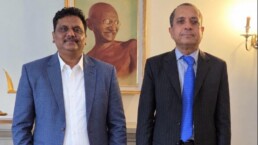
Dr. N Reuben Paul meets Indian Ambassador in Athens on Seafarers’ Welfare and Maritime issues
On the occasion of World Maritime Day, 24 September 2026, Dr. N. Reuben Paul, Chairman of the Merchant Navy Welfare Board (India) and…
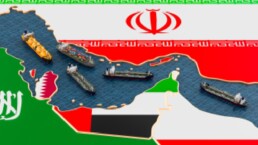
Iran Says It Won’t Soften Demands as Trump Rejects Hormuz Offer
Iran stuck to its seven-day proposal for reopening the crucial Strait of Hormuz, saying it won’t soften its conditions, while…
xclusiv S&P Report 28th September 2026
Pls find below the [xclusiv] S&P Report 28th September 2026 [xclusiv] 2026_09_28
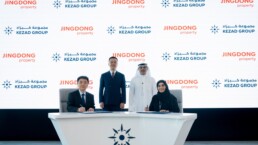
JINGDONG property establish advanced logistics facility in KEZAD
Company to build a 150,000 square-metre logistics facility that will strengthen Abu Dhabi’s logistics ecosystem Khalifa Economic Zones Abu Dhabi –…
Shipping’s transition being hampered by policy uncertainty
The shipping industry is at greater risk than ever of missing its 2030 zero-emission fuel targets, according to a new report. The latest edition of…
New cargo securing guidance prioritises personnel safety and reduces damage risks
The revised guidelines aim to protect personnel, reduce cargo damage and improve port efficiency. Lloyd’s Register has worked with Jurong Port in…
MSI forecasts firm dry bulk market into 2027, driving further newbuilding orders
Strong and volatile freight earnings are likely to continue into next year, supporting owners’ investment appetite in new tonnage Dry bulk vessel…
Subscribe to our newsletter!
if you dont want to swim alone in the ocean of news, sign up for the newsletter, and you will receive daily all the important news of world shipping!
