Hyke expands F-15 platform with two new electric ferry models
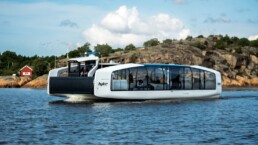

Ocean Autonomy Cluster’s new member Hyke has launched two new versions of its fully electric F-15 passenger ferry. The new Business and Lounge models build on the existing F-15 Shuttle, extending the platform into executive transport, tourism and hospitality.
The Norwegian maritime technology company has developed F-15 Business for executive transfers, corporate mobility and premium passenger services, while F-15 Lounge is aimed at resorts, sightseeing, tourism and private charters. The first vessels are now being built in Norway.
Both models share the same modular platform as the F-15 Shuttle, which can carry up to 50 passengers. By using the same underlying vessel platform, Hyke can tailor interiors and passenger experiences to different markets without designing and building an entirely new vessel for each application.
“With Business and Lounge, we’re demonstrating how the same platform can serve very different markets. Whether it’s commuters, executives or resort guests, operators can create an experience tailored to their customers without starting from scratch with a new vessel,” says Halvor Vislie, CEO of Hyke.
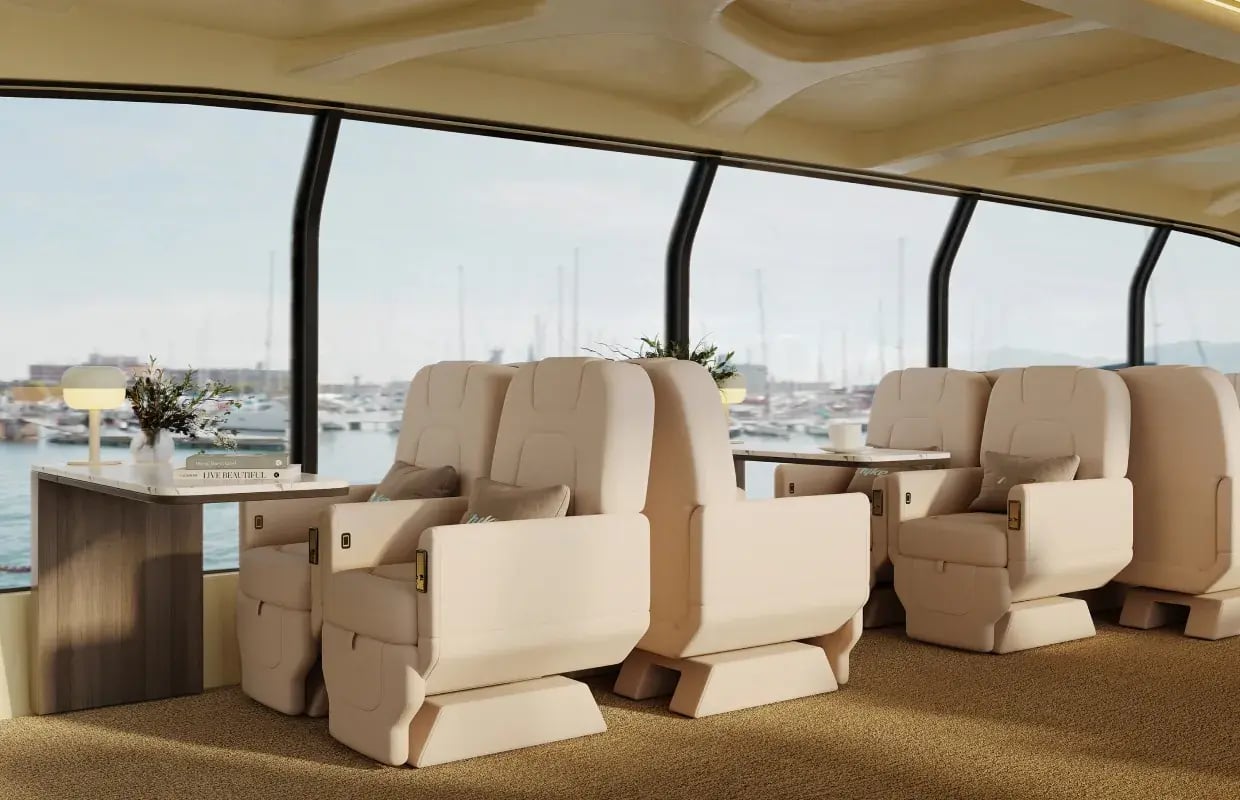
F-15 Shuttle Business interior. Illustration: Hyke
From public transport to premium travel
The F-15 platform combines lightweight construction and an optimised hull with electric propulsion and an architecture prepared for future autonomous operation.
Energy efficiency remains one of its defining features. At service speed, Hyke says the propulsion system requires approximately the same power as five household hair dryers.
“From airport transfers to inner-city transport, the shortest route between communities is often over water. With the Hyke F-15 Business and Lounge, we can dramatically reduce operating costs while offering a luxury travel experience unlike any other. Quiet, comfortable and entirely emission-free,” says Vislie.
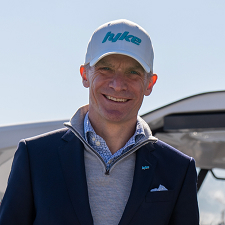
Halvor Vislie, CEO of Hyke
The technology behind the new vessels has already been tested in ordinary passenger transport. During a 14-month pilot in Fredrikstad, an F-15 Shuttle carried more than 41,000 passengers and achieved a passenger satisfaction score of 4.72 out of 5.
The project also reported up to 88 percent lower energy consumption per passenger-kilometre compared with the diesel ferry benchmarks assessed.
“We founded Hyke to challenge conventional thinking about maritime transport. We wanted to create vessels that are exceptionally energy-efficient, practical to manufacture and commercially viable to operate,” says Vislie.
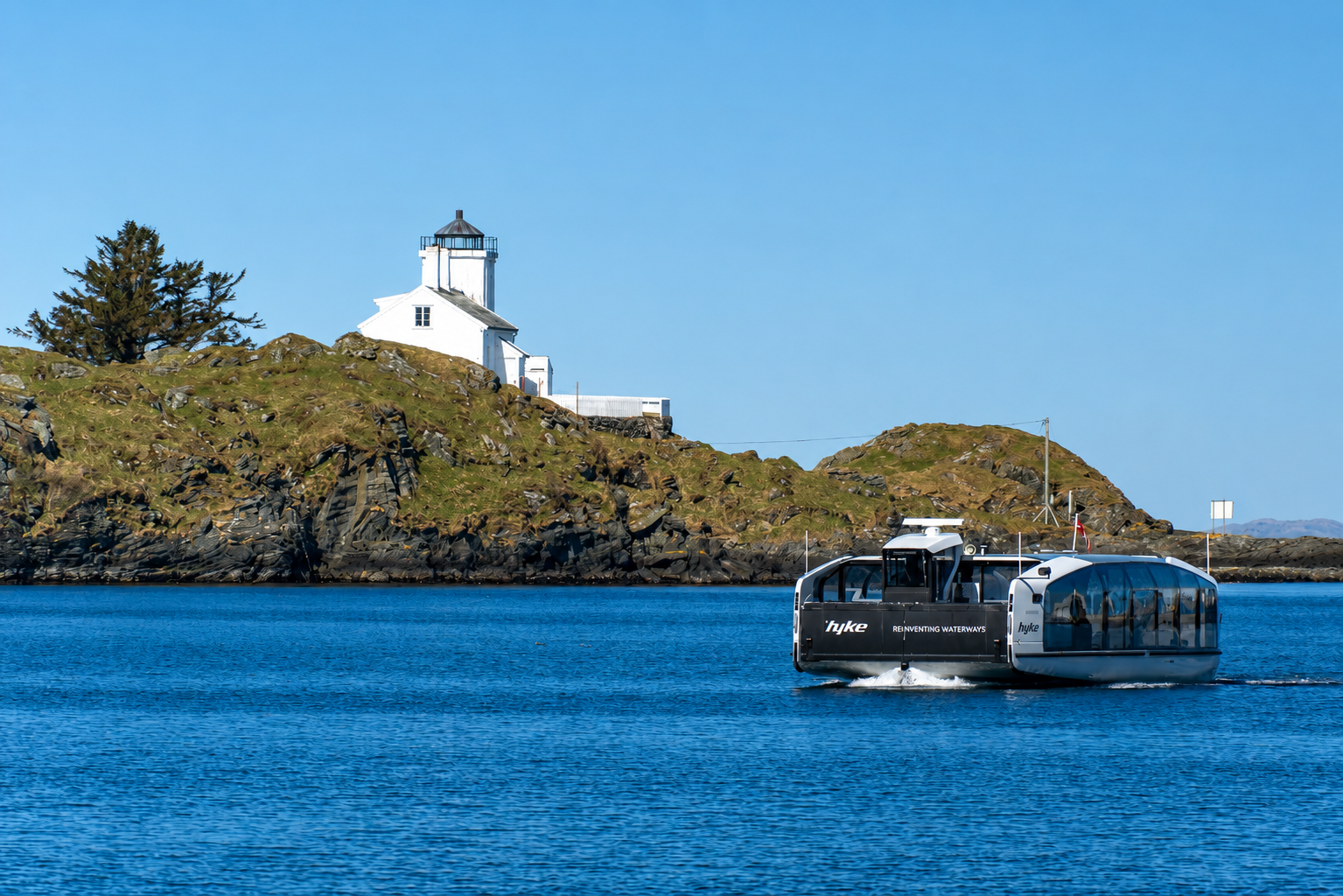 Illustration: Hyke
Designed for easier deployment
Hyke has also sought to simplify the infrastructure needed to operate electric passenger ferries. The F-15 uses the CCS charging standard familiar from electric cars, which allows compatible charging equipment to be used rather than relying exclusively on bespoke marine charging systems.
Together with Aqua superPower, Hyke is working on solutions combining vessel technology, charging infrastructure and route planning. The F-15 can also be equipped with integrated solar panels, while its autonomy-ready architecture prepares the platform for further developments in maritime automation.
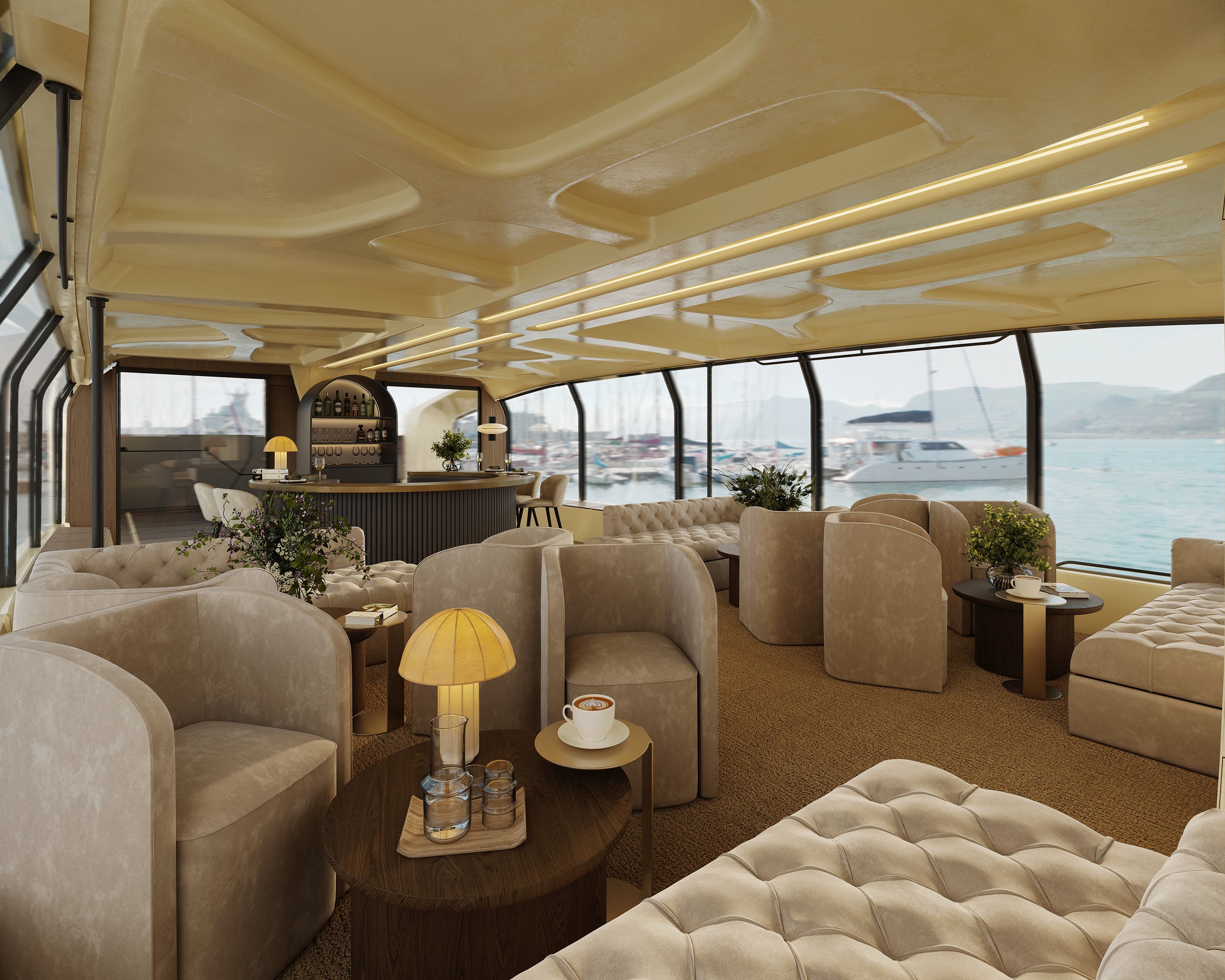 F-15 Shuttle Lounge interior. Illustration: Hyke
New member of Ocean Autonomy Cluster
Hyke recently joined Ocean Autonomy Cluster as part of its ambition to collaborate more closely with Norwegian and international partners working with maritime autonomy, electrification and sustainable transport.
The company is particularly interested in collaboration on autonomy technology, regulatory approval, R&D and pilot projects, charging infrastructure and commercialisation. At the same time, Hyke brings practical experience from developing, testing and operating fully electric passenger ferries.
“We are keen to participate actively in the cluster and identify opportunities where collaboration can deliver practical commercial results,” says Charles Pembroke-Birss, Vice President of Sales at Hyke.
With Business and Lounge, Hyke is now taking the same F-15 platform that has been tested in public transport into two new markets, while retaining the efficiency, electric propulsion and autonomy-ready technology developed for the original Shuttle.
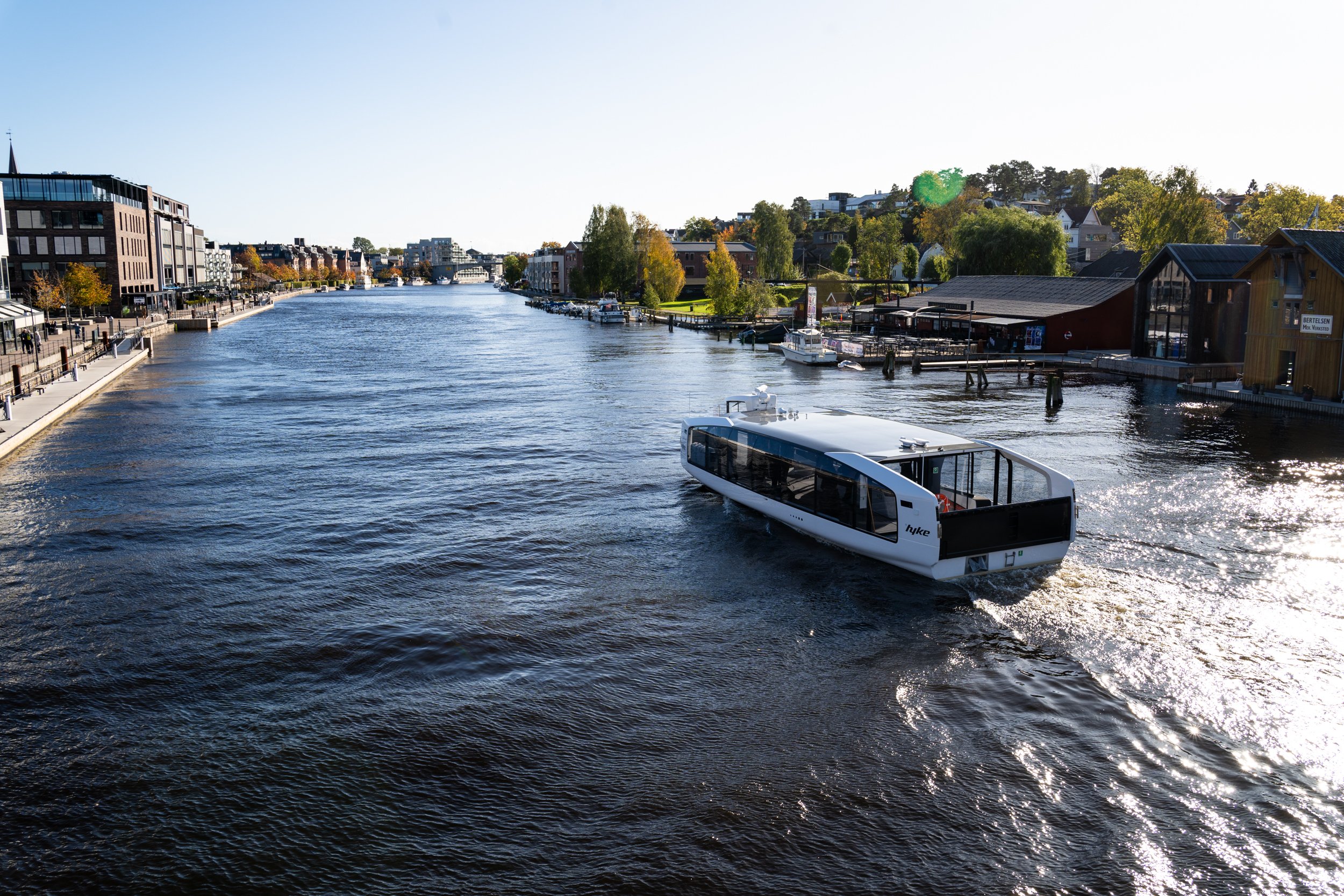 Illustration: Hyke



Related News.

Crewing After 2026: How AI Will Take Over the Routine in 2027
The crewing market of late 2026 is not the market of 2025. Artificial intelligence has moved from presentations into daily crewing work, while the…

Dualog launches secure maritime AI service amid surge in seafarer AI use
The new service, Sparks lets crew and shore teams search company emails, documents and conversations without exposing sensitive fleet information to…

Time Ticking: Two weeks for Governments to Green-Light Framework for Cutting Shipping Emissions
As a crucial fortnight of meetings opens at the International Maritime Organization opens in London, the Clean Shipping Coalition calls on member…

“K” LINE signs contract for construction of two LPG dual-fuel VLGCs
Kawasaki Kisen Kaisha, announces today that it has signed agreements with South Korea-based HD Hyundai Samho regarding the construction of two LPG…

Equinor and VNG sign 18-year gas sales agreement for supplies to Germany
Equinor will supply natural gas to the German energy company VNG until the end of 2044. The 18-year agreement is the longest gas sales agreement…

Open letter to MEPs to reject the motion for a resolution and support the inclusion of Indian ship recycling yards on the European List
Dear Members of the European Parliament, Ahead of this week’s plenary vote, European Shipowners | ECSA, BIMCO, the Cruise Lines International…

ShipVet appoints James Stairmand as Chief Executive Officer
Founder Captain Fintan Cullen moves to a non-executive role as the company builds on investment in its vetting team and technology. ShipVet, the…

USD ≈7bn lost per year the hidden cost of how shipping trades
New Torvald Klaveness study quantifies around USD 7bn a year in potentially avoidable costs in dry bulk and product tanker shipping, with a possible…

APM Terminals Maasvlakte II and Port of Rotterdam Authority take next step in terminal development
APM Terminals Maasvlakte II and the Port of Rotterdam Authority are moving forward in terminal’s development with preparations for a new phase of…

ABP inspiring the next generation
ABP host 500 young people to explore maritime and transport careers More than 500 young people from across Hampshire and the Solent explored career…
Subscribe to our newsletter!
if you dont want to swim alone in the ocean of news, sign up for the newsletter, and you will receive daily all the important news of world shipping!
