

Shipping invests considerable time and resources in protecting vessels, cargo and commercial interests, yet the impact of risk on the people working onboard does not always receive the same attention.
We have sophisticated systems for assessing financial exposure, operational threats and regulatory compliance, but how effectively are we identifying and managing the physical and psychological pressures facing seafarers? If we overlook the people responsible for keeping vessels operating, can we really claim to be managing risk effectively?
This is something I have been reflecting on for some time, and attending the inaugural Cyprus Shipping News London Maritime Forum last month, at the invitation of Adonis Violaris, Managing Director of Cyprus Shipping News, reinforced my view that we need to give greater attention to the human side of maritime risk. The event brought together industry professionals for discussions about the commercial realities facing shipping, particularly the impact of geopolitical developments on international trade and marine insurance.
Much of the discussion centred on protecting assets and managing financial exposure, particularly when vessels operate in or near conflict zones. These are important issues, but while listening to the different perspectives, I found myself thinking about the people onboard those vessels and how they experience these situations.
For seafarers working in high-risk areas, the concerns extend beyond insurance arrangements or the financial consequences of a disrupted voyage. There is the worry about personal safety, the strain of being far from family and the knowledge that circumstances can change quickly, often with little opportunity to influence what happens next.
Nor are these pressures limited to conflict zones as seafarers must also adapt to new technologies, increasingly complex regulations, cybersecurity requirements and the transition to alternative fuels. While these developments are necessary, they bring additional demands and can leave people wondering whether their existing skills and experience will be enough to keep pace.
We should not underestimate the effect this can have over time as someone may continue performing their duties without obvious difficulties while privately dealing with concerns that colleagues or employers know little about.
Having spent much of my career working with technologies that improve health and safety at sea, I recognise the important role digital solutions can play in supporting seafarer wellbeing. Tools that help identify emerging concerns, encourage feedback and provide access to support can make a real difference, particularly when people are working far from home. However, I believe their greatest value comes when they are used alongside meaningful human interaction, rather than as a substitute for it.
When someone is feeling isolated, anxious or overwhelmed, technology can help identify that they may need support, but it is often a conversation with another person that makes the difference. Ideally, that person will understand the realities of life at sea and the particular pressures seafarers face, providing reassurance, empathy and practical guidance that goes beyond what a digital tool alone can offer.
Providing access to experienced professionals may cost more than an automated service, but we should be careful about measuring healthcare’s value purely in financial terms. A conversation that helps someone feel understood and supported can make a meaningful difference.
For me, technology’s greatest potential lies in helping healthcare professionals provide better support. Access to relevant medical information, reliable communication tools and useful health data can help them understand a seafarer’s circumstances and make more informed decisions about their care.
This means recognising healthcare as part of everyday risk management rather than something that only becomes important when someone falls ill.



Related News.

1 Week left for the 5th CSN Greece ICT Conference, Athens 19th November 2026 “Intelligent Skies, Secure Seas: The AI Impact on ICT” – Register Now
“Intelligent Skies, Secure Seas: The AI Impact on ICT” Register here Date: 19 November 2026 Time: 09:00-15:00 Venue: PLOES Floating Venue The…
IMO Secretary-General calls on States to enforce maritime rules in the Strait of Hormuz
Secretary-General urges concrete measures to ensure compliance with international maritime regulations The Secretary-General of the International…

The future of shipping takes centre stage at Imperial College Alumni Association of Greece Event in Piraeus
Energy transition, digital transformation, artificial intelligence and the development of the next generation of maritime leaders at the heart of…

Wallem Group appoints Apostolos Poulovassilis to lead Greek expansion
Hong Kong-based Wallem Group announces the appointment of Apostolos Poulovassilis as General Manager, Ship Management, Greece, effective November…
ASA urges unified Global Rules as Hong Kong Convention enters second year in force
The 30th Interim Meeting of the ASA Ship Recycling Committee (SRC) was held online on 22 October 2026. The SRC members are firmly committed to…

Ahead of MEPC85, IMarEST members highlight barriers to net-zero delivery
Ahead of MEPC85, the Institute of Marine Engineering, Science and Technology (IMarEST) says its members now identify delivery, infrastructure, and…
Somali piracy resurgence: understanding the risk to commercial shipping
A hijacking off Somalia can have consequences far beyond the vessel seized. Captured ships can become motherships, extending pirates’ reach offshore…
Atlantic Tanker earnings fall faster than Gulf Earnings
The TD3C/TD22 earnings ratio rose from 2.73 on 30 October to 3.10 on 6 November, as US Gulf–China VLCC earnings fell 16.2% to around $415,000/day,…
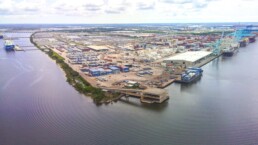
JAXPORT awarded $40 million federal grant to modernise Blount Island berth
JAXPORT has been awarded a $40 million grant through the U.S. Maritime Administration’s Port Infrastructure Development Program to modernize Berth 32…

xclusiv S&P Report 9th November 2026
Pls find below the[xclusiv] S&P Report 9th November 2026 [xclusiv] 2026_11_09
Subscribe to our newsletter!
if you dont want to swim alone in the ocean of news, sign up for the newsletter, and you will receive daily all the important news of world shipping!
