Teledyne Space Imaging Sensors launch on ESA’s Sentinel-3C and FLEX missions
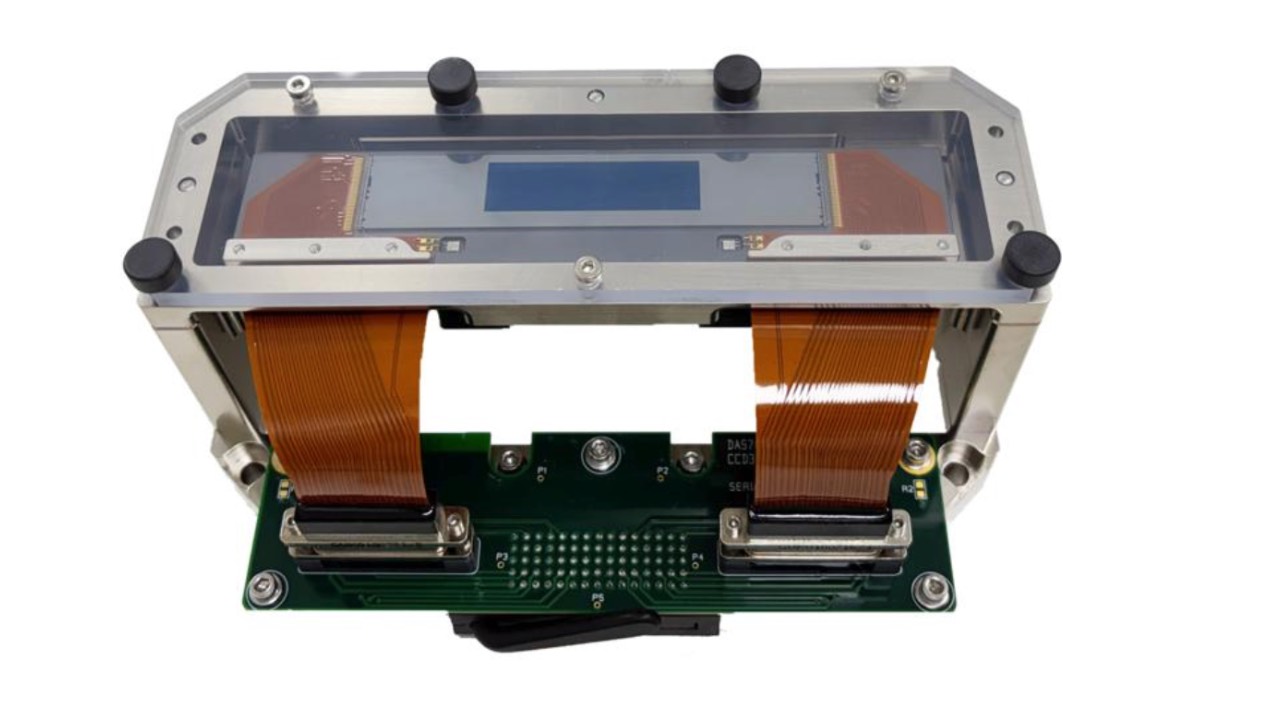

The two climate-monitoring missions will provide observations of Earth’s oceans, land surfaces and vegetation.
Teledyne Space Imaging technology was successfully launched aboard two major European Space Agency Earth observation missions; Sentinel-3C and the Fluorescence Explorer . The satellites launched together this morning aboard a Vega C rocket from Europe’s Spaceport in French Guiana
Sentinel-3C: Continuing long-term Earth observation
Designed and developed by ESA, and operated by EUMETSAT, Sentinel-3C is the third satellite in the Sentinel-3 series. The Sentinel missions are part of Copernicus, the EU Space Programme’s Earth observation campaign.
Teledyne supplied five CCD55-20 detectors for Sentinel-3C’s Ocean and Land Colour Instrument (OLCI). The detectors – back-illuminated, frame transfer CCDs optimised for hyperspectral imaging – observe in the visible to NIR, from 0.4 to 1.04 µm, and will assist with mapping ocean colour, vegetation cover, and land use.
Elinor Mitchell, Product Engineering Team Leader of the CCD55-20 at Teledyne Space Imaging, said, “We’re delighted to see the successful launch of Sentinel-3C, and our imaging technology continuing to play a vital role in helping support ocean forecasting systems, environmental monitoring and observing changes in atmospheric composition.”
Sentinel-3A was launched in 2016 and Sentinel-3B followed in 2018. Once fully commissioned, Sentinel-3C is expected to take over from Sentinel-3A, helping to ensure continuity of observations from the Sentinel-3 programme.
FLEX: Observing vegetation from space
ESA’s Fluorescence Explorer (FLEX) launched alongside Sentinel-3C.
Teledyne supplied three CCD325 detectors for the satellite’s Fluorescence Imaging Spectrometer (FLORIS). These detectors image in the spectral range from 0.5 to 0.78 µm. The imaging sensors have been engineered to measure the fluorescent signal given off by plants during photosynthesis. The amount of fluorescence will provide information on the plant’s photosynthetic efficiency, health, and stress. By measuring this signal, its strength also serves as a direct indicator of how much carbon dioxide is being pulled from the atmosphere during this natural process and will help us understand how well an ecosystem is working.
This data will offer scientists new information about the health and functioning of terrestrial vegetation and how plants interact with the wider Earth system – such as carbon and water cycles – processes that are essential for life on this planet.
Tracy Phillips, Principal Project Manager of the CCD325 at Teledyne Space Imaging, said, “Seeing FLEX successfully launch is an exciting moment for our team and everyone who has contributed to the mission. FLEX will give scientists a new way to observe the process of photosynthesis and understand the movement of carbon between plants and our atmosphere. We’re proud that Teledyne detectors will play a key role in generating data that will support important topics such as agricultural management and food security.”
Sentinel-3C and FLEX are developed and procured by the European Space Agency. The view expressed herein can in no way be taken to reflect the official opinion of the European Space Agency.
Source: Business Wire



Related News.

International Chamber of Shipping addresses UN Security Council on maritime security and freedom of navigation
The International Chamber of Shipping (ICS) Secretary General was invited to brief an Arria-Formula meeting of the UN Security Council convened by…
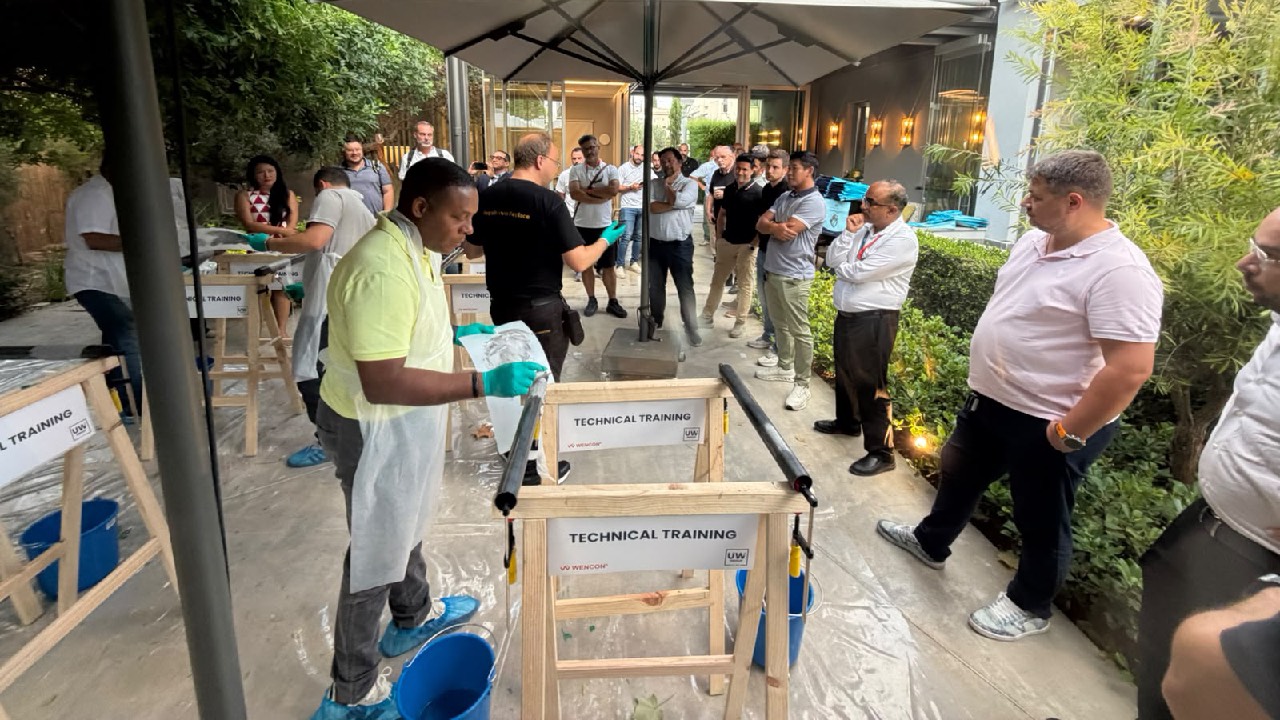
UW Group and WENCON deliver Technical Training on Marine Epoxy Repair Solutions
UW Group, in collaboration with its principal WENCON, successfully hosted two technical training sessions dedicated to epoxy repair products and…

Maritime regulation only works if it works at sea
There comes a point in every regulatory process when the wording is agreed, and a new requirement is adopted. From the outside, that can look like…

DORIC WEEKLY INSIGHT 18 SEPTEMBER 2026
Please find below the DORIC Market Insight for the week ending 18th September 2026. Weekly Report 18.09.2026
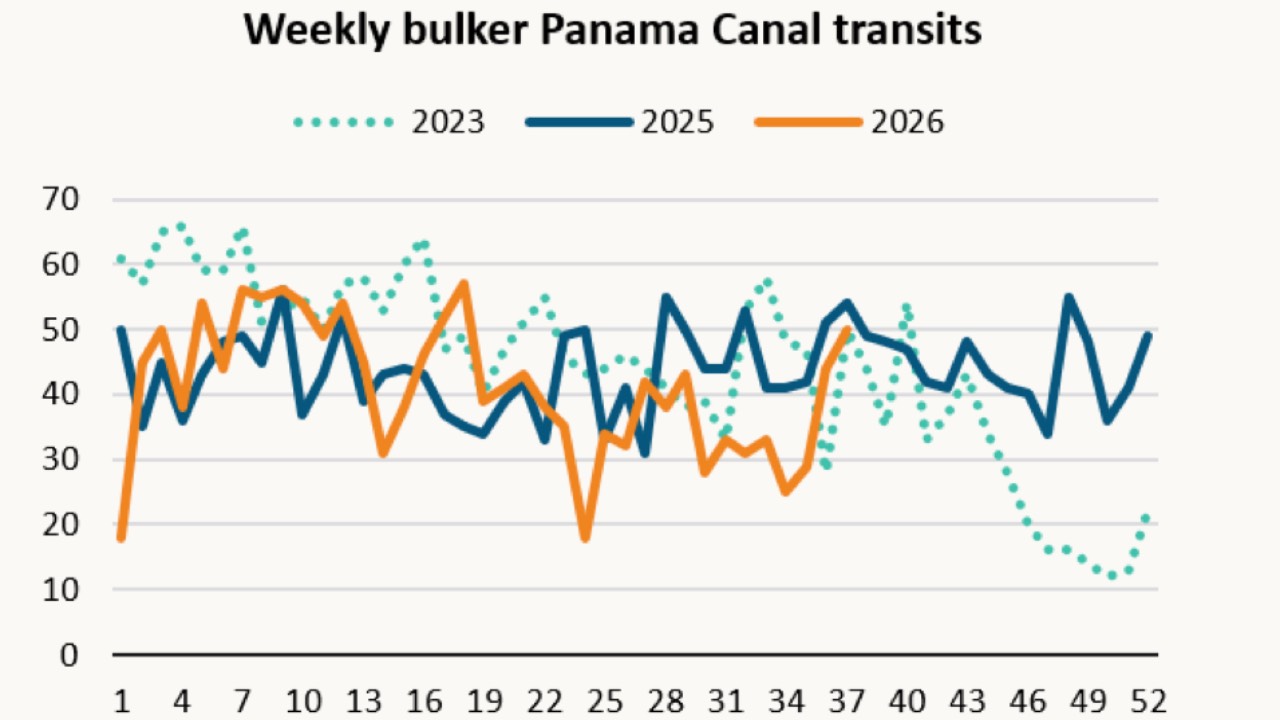
BIMCO Shipping Number of the Week
Bulker Panama Canal transits drop 22% amid higher competition for transit slot "Since the start of July, Panama Canal bulker transits have fallen 22%…

ISSPL Limited Files Draft Red Herring Prospectus for proposed SME IPO
ISSPL Limited, (formerly known as “IRClass Systems and Solutions Limited” and “IRClass Systems and Solutions Private Limited”) (“ISSPL”), a provider…
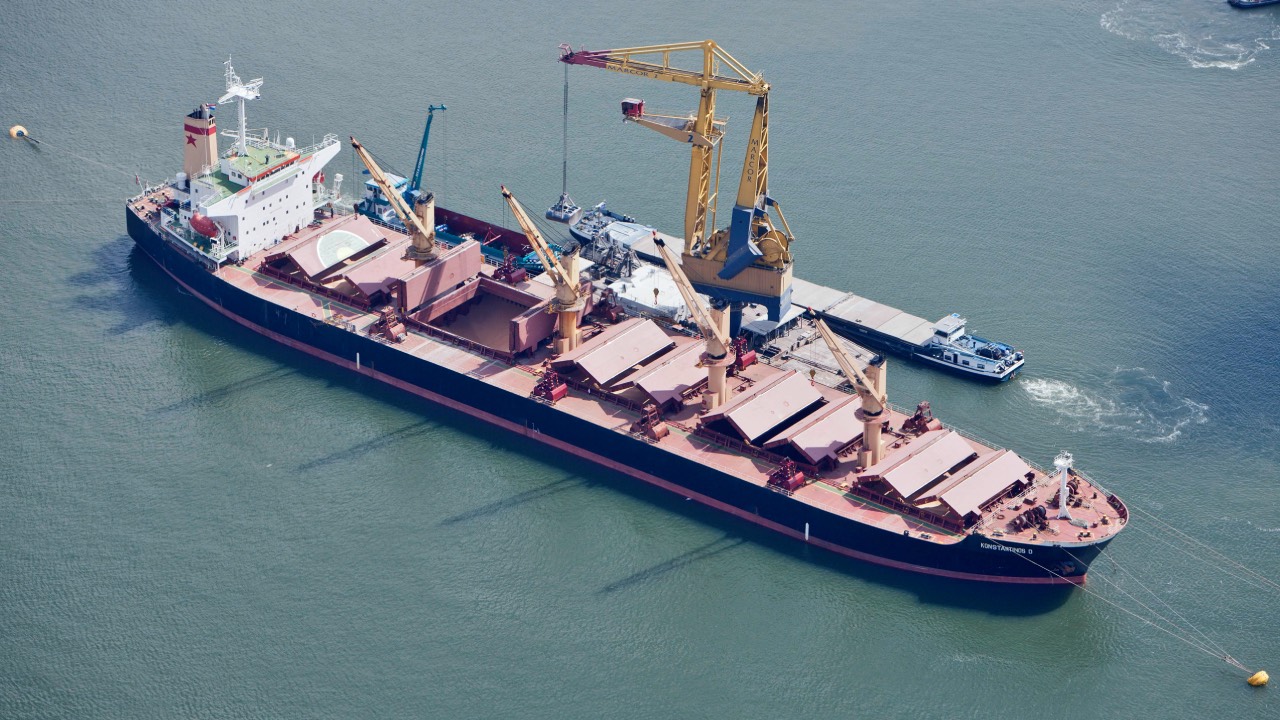
Transito launches Total Freight as low-water challenges on the Rhine persist
Dutch chartering company Transito has launched Total Freight, a new service combining sea freight and inland shipping under one contract, as low…

Engine choices will shape shipping’s fuel pathways through 2050, while fuel economics determine what vessels will actually consume
More than half of the vessels operating in 2050 are expected to come from orders placed before 2035, making the coming decade a critical window…
Port of Long Beach Eyes Future of Trade Growth
As more companies move to diversify where they source and manufacture their products overseas, major rail infrastructure will play an even more…
Subscribe to our newsletter!
if you dont want to swim alone in the ocean of news, sign up for the newsletter, and you will receive daily all the important news of world shipping!
