Beyond Speculation: Wärtsilä’s Bernd Bertram on Practical Propulsion, Carbon Capture, and Fleet Decarbonisation
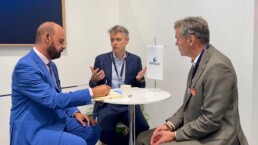

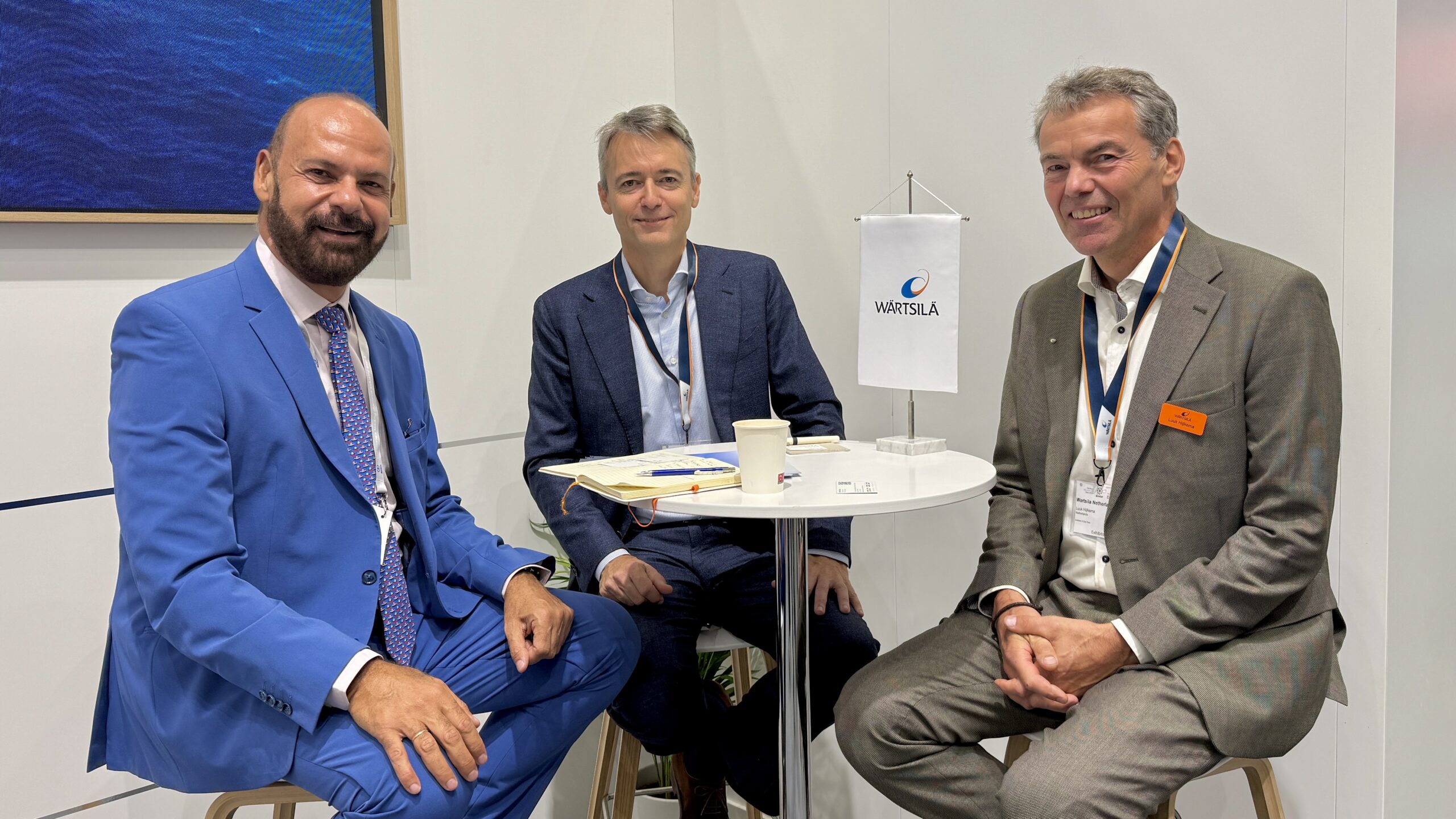
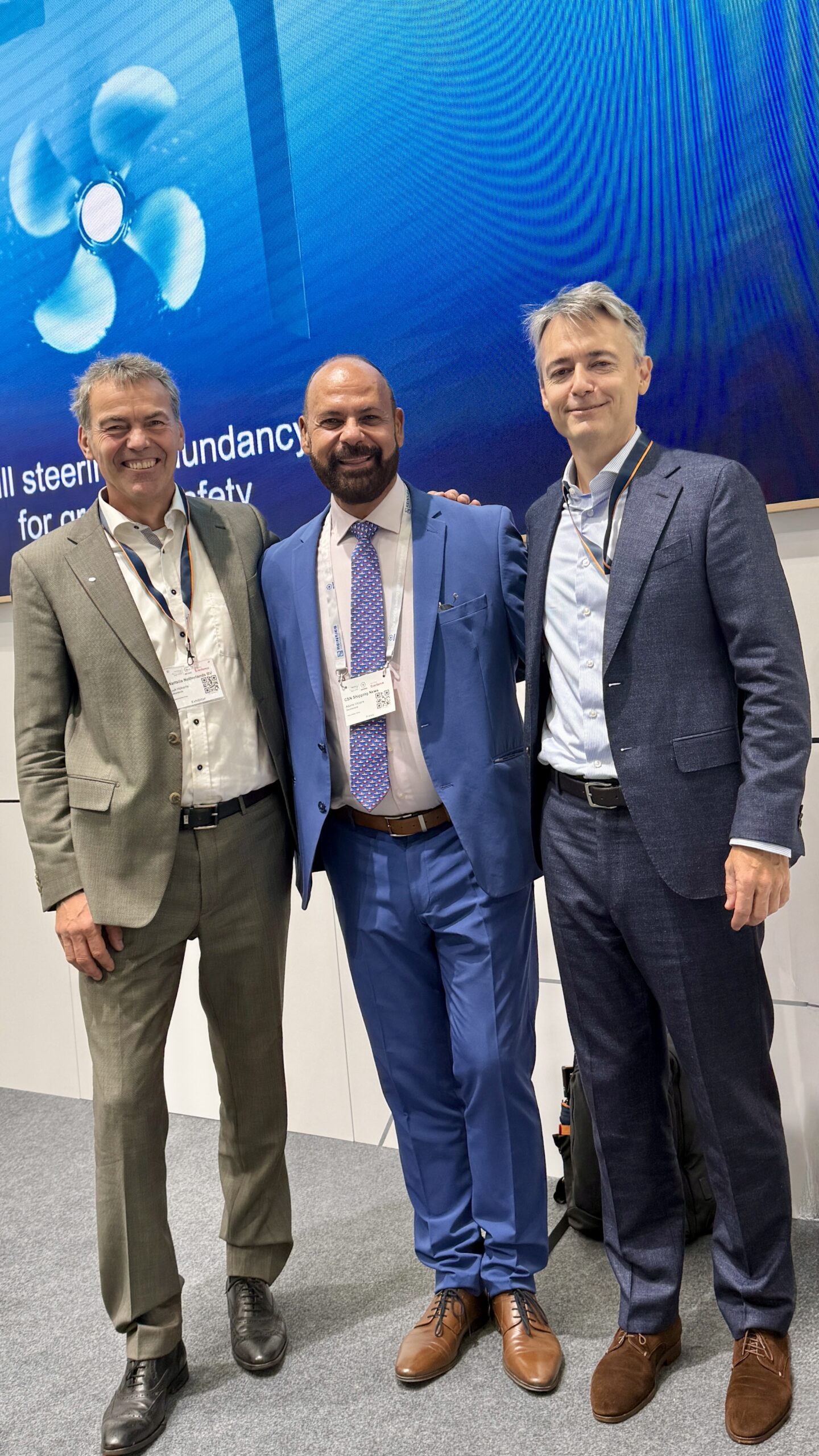
At SMM 2026, the maritime industry’s decarbonisation debate has distinctly shifted from high-level ambition to pragmatic, data-led execution. As vessel operators navigate tightening regulatory frameworks such as CII and FuelEU Maritime alongside the looming 2030 IMO targets, the demand for clear, commercially viable pathways has never been higher. During the exhibition, Adonis Violaris sat down with Bernd Bertram, Vice President, Propulsion at Wärtsilä Marine, to discuss how the company is moving beyond standalone engine manufacturing to act as a holistic decarbonisation partner. With over two decades of international industry experience leading technological and operational change, Bertram shares deep insights on validating onboard carbon capture, unlocking hydrodynamic gains with the innovative Gate Rudder concept, mitigating seafarer data overload, and turning fuel uncertainty into resilient lifecycle investment strategies.
Wärtsilä has positioned itself at SMM 2026 not just as an engine manufacturer, but as a holistic partner for decarbonisation. With regulatory pressures like CII and FuelEU Maritime accelerating, many fleet owners are struggling to map out a clear strategy. From your discussions at the exhibition, how are Wärtsilä’s Decarbonisation Services and Lifecycle Agreements helping shipowners move past speculative planning and into concrete, data-led retrofit and newbuild decisions?
The conversations we are having today are far more practical than they were even a few years ago. Shipowners have largely moved beyond waiting for a single fuel or technology pathway to emerge. Instead, they are focused on actions that improve performance today while maintaining flexibility for the future.
The challenge is not a lack of ambition. Wärtsilä’s At the Helm research found that nearly seven in ten maritime leaders believe uncertainty is making it harder to prioritise investments, while 42% cite balancing decarbonisation investment with acceptable returns as a key concern. That is where a data-led approach becomes essential. Our decarbonisation services use modelling, simulation and operational data to assess a vessel’s current performance, trading pattern and commercial objectives. This allows us to identify the combination of measures that can deliver the greatest impact, whether that involves energy efficiency technologies, operational optimisation, emissions reduction solutions or future fuel readiness.
Importantly, decarbonisation is not a one-time investment decision. Regulations, fuel availability and market conditions will continue to evolve. Lifecycle Agreements help customers continuously monitor, optimise and improve performance over time, ensuring they maximise efficiency, manage risk and extract the greatest value from their assets throughout the vessel lifecycle.
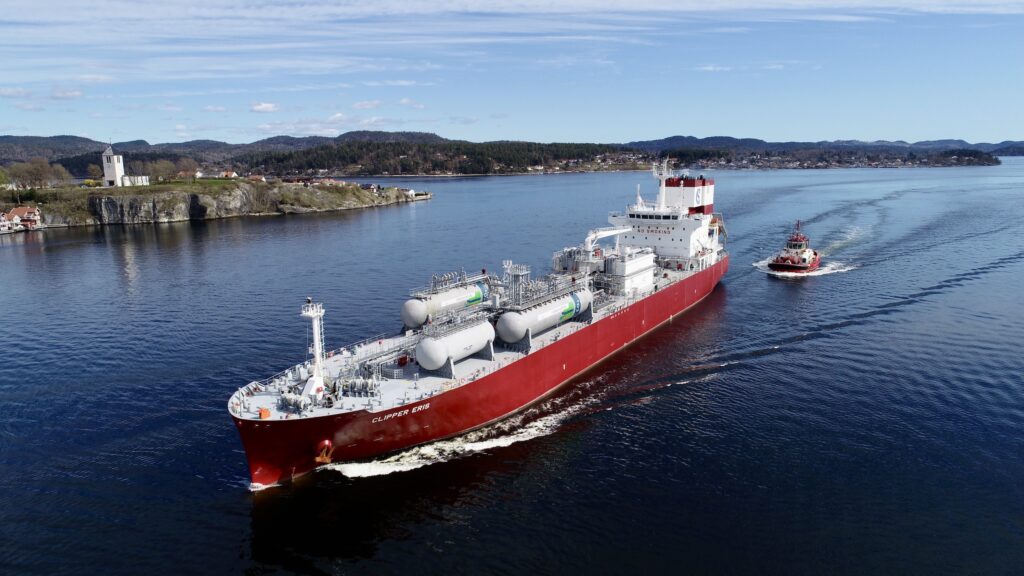
Wärtsilä has been heavily involved in demonstrating Onboard Carbon Capture (OCC), notably with the pilot installation on Solvang’s Clipper Eris. Based on the latest data showing reliable capture rates of around 70%, what are the practical realities regarding the storage of captured CO2 on board, and how quickly could OCC become a standard commercial retrofit option for the existing fossil-fuelled fleet?
We see three complementary pathways to maritime decarbonisation: improving efficiency and reducing fuel consumption, reducing emissions through abatement technologies, and transitioning to sustainable fuels. Onboard carbon capture is an important part of that second pathway.
For owners operating vessels that are expected to remain in service for many years, CCS offers a practical route to achieving significant emissions reductions without having to wait for alternative fuel infrastructure to mature. This is particularly relevant for segments where fuel availability, operating profiles or vessel economics make an immediate fuel transition challenging.
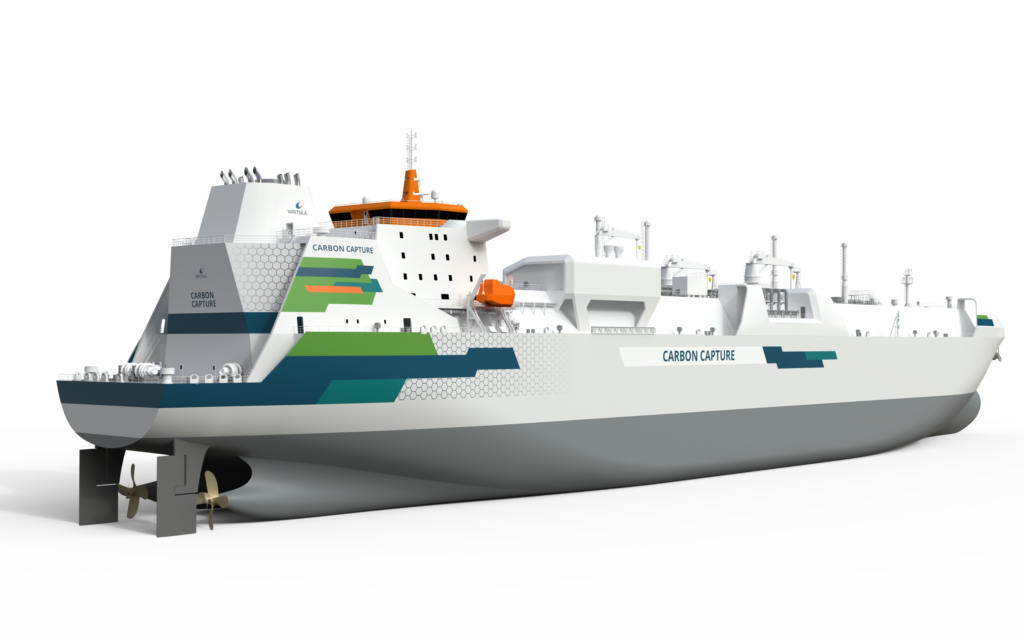
Our solution was launched commercially following successful full-scale operation onboard Solvang’s Clipper Eris, where the technology demonstrated the ability to reduce CO₂ emissions by up to 70%. The system is available for both retrofit and newbuild applications.
Storage is one of the key operational considerations. Captured CO₂ is liquefied and stored onboard before being discharged ashore. The storage requirements depend on factors such as vessel size, voyage length and trading pattern, which means solutions must be tailored to each vessel’s operating profile.
Importantly, the technology has now demonstrated its viability under real operating conditions. The conversation is increasingly shifting from whether onboard carbon capture works to how quickly the supporting infrastructure, regulations and value chains can develop to support wider adoption across the industry.
We see that Wärtsilä is presenting the Gate Rudder technology at the Exhibitor Innovation Stage here at SMM. Can you explain how this unconventional propulsion and steering arrangement fundamentally differs from a traditional rudder system, and what specific hydrodynamic efficiencies and fuel savings it unlocks for commercial vessel designs?
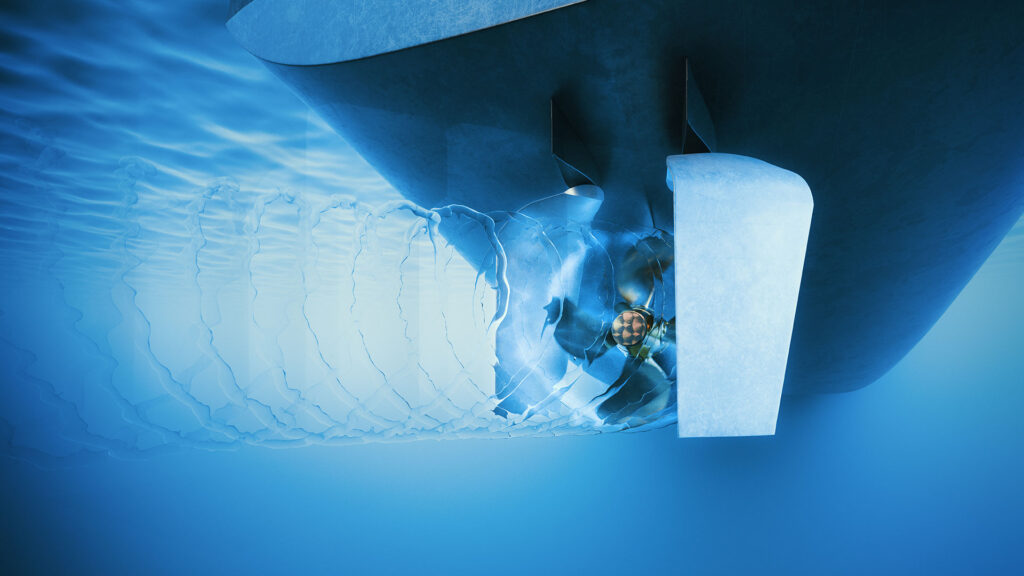
Gate Rudder rethinks the relationship between steering and propulsion to unlock efficiency gains that conventional arrangements leave untapped.
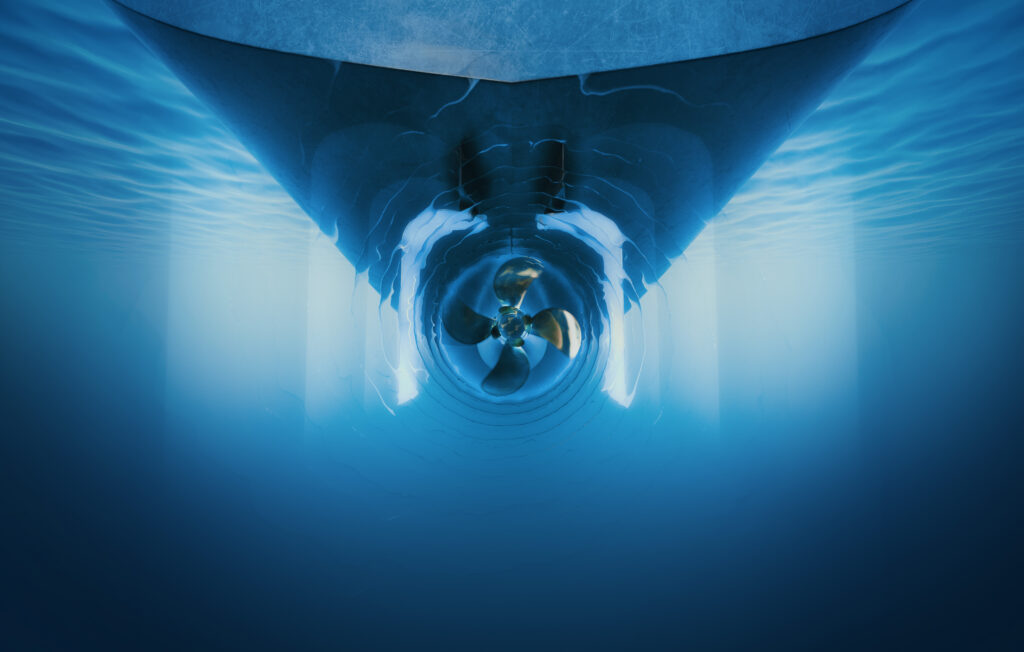
Instead of using a traditional centreline rudder positioned directly behind the propeller, Gate Rudder consists of two asymmetric wing-shaped rudders located on either side of the propeller. This fundamentally changes the hydrodynamic interaction between the hull, propeller and steering system, allowing them to operate more efficiently as an integrated system.
Depending on vessel type and operating profile, Gate Rudder has demonstrated fuel savings of up to 20% compared with conventional rudder arrangements. In addition to lower fuel consumption, operators can also benefit from improved manoeuvrability as well as reduced noise and vibration.
The greatest benefits are realised when the concept is considered at the earliest stages of vessel design, allowing the hull form, propeller and steering arrangement to be optimised together. However, retrofit opportunities may also be possible depending on the vessel and operational requirements.
More broadly, Gate Rudder reflects a wider industry shift. The greatest efficiency gains are increasingly achieved not by optimising individual components in isolation, but by considering how the entire propulsion system works together to reduce energy demand and improve overall vessel performance.
At our upcoming CSN Crewing Conference, we are debating “Bridging the Gap Between Digital Efficiency and Human Reliability.” How is Wärtsilä designing digital interfaces to ensure seafarers and technical superintendents receive actionable, clear insights rather than suffering from data overload, particularly when managing complex dual-fuel operations?
The objective is not to provide more data. It is to help people make better decisions. A chief engineer or superintendent does not need hundreds of alarms or dashboards competing for attention. What they need is clarity on which issues require action, what action should be taken and how quickly intervention is needed. The real value of digitalisation lies in filtering vast volumes of operational data into meaningful and actionable insights.
This is where advanced analytics, AI and diagnostics play an important role. These technologies can identify patterns, anomalies and potential risks that may otherwise be difficult to detect, allowing crews and shore-based teams to focus on the issues that matter most.
We have seen the benefits of this approach across our monitored fleet, where the majority of issues (90%) can be resolved remotely, helping customers reduce downtime and minimise operational disruption. However, technology alone is not the answer.
As vessels become more connected and operations become more complex, the human element becomes even more important. Digital solutions should support crews, not overwhelm them. Success depends on combining technology with the right training, expertise and support to help people operate vessels safely, efficiently and confidently.
As shipowners face increasing pressure to improve efficiency while navigating an uncertain fuel and regulatory landscape, how is Wärtsilä’s approach to propulsion evolving to support customers’ wider operational and commercial goals?
Shipowners do not measure success by the performance of an individual component. They measure success through fuel consumption, vessel availability, reliability, emissions performance and ultimately commercial competitiveness. That is why we view propulsion as part of a broader operational ecosystem rather than a standalone product. Our starting point is always about understanding how a vessel is operated, what challenges the owner is trying to solve and which outcomes matter most to their business.
The optimal solution depends on the vessel’s operating profile, fuel strategy and commercial priorities. In some cases, the focus may be on maximising energy efficiency. In others, it may involve hybridisation, fuel flexibility, digital optimisation or preparation for future fuels and technologies.
A key part of this evolution is our ability to use operational data from vessels in service. Rather than relying solely on design assumptions, we can understand how propulsion systems perform in real-world conditions and identify opportunities for further optimisation through maintenance, operational changes, upgrades and lifecycle support.
Ultimately, our ambition is not simply to supply propulsion equipment. It is to work alongside customers throughout the vessel lifecycle, helping them make better operational decisions, improve efficiency and translate technical performance into measurable business results.
As the maritime industry looks toward the 2030 IMO emissions targets, the fear of stranded assets is very real. What is your primary advice to shipowners attending SMM who are paralysed by the uncertainty of green fuel availability and infrastructure? Why is adopting a modular, multi-fuel engine architecture today the safest financial shield for the future?
The greatest risk may not be choosing the wrong fuel pathway. It may be delaying efficiency improvements that can deliver value under almost every future scenario.
The reality is that no one can say with certainty which fuels will dominate across every vessel type, trade route and region. As a result, owners should focus on investments that improve competitiveness today while preserving flexibility for tomorrow.
Energy efficiency is central to this approach. Regardless of whether a vessel ultimately operates on conventional fuels, biofuels, methanol, ammonia or another future fuel, reducing energy demand delivers both environmental and commercial benefits.
Multi-fuel capability plays an equally important role. It does not eliminate uncertainty, but it gives owners greater freedom to adapt as fuel markets, infrastructure and regulations continue to evolve. Rather than committing to a single pathway, operators can retain strategic flexibility while reducing long-term risk.
Every decarbonisation journey will be different, but the most resilient strategies are likely to combine efficiency improvements, fuel flexibility, operational optimisation and long-term planning. Future-proofing is ultimately about creating options, improving performance today while maintaining the ability to adapt as the energy transition continues to develop.



Related News.

Meet the panellists of the CSN London Maritime Forum – Panel Discussion – “International Rule of Law; Is it a thing of the past?”
Meet the Panellists of the CSN London Maritime Forum "Shipping: Predicting an Unpredictable Future" - Panel Discussion - “International Rule of Law;…
1ST Joint Maritime Committee Meeting Cyprus and India
The 1st meeting of the Cyprus–India Joint Maritime Committee was held yesterday in Limassol, within the framework of the Bilateral Agreement on…
BSM expands offshore services with strategic investment in OffshoreCrew
Bernhard Schulte Shipmanagement has agreed to acquire a 50% stake in OffshoreCrew AS, a Norwegian specialist in offshore recruitment and crewing…

Australia’s accelerated coal phase-out demands swift dispatchable capacity replacement, says GlobalData
Australia operates one of the world’s fastest-decarbonizing power systems, marked by a rapid structural shift away from thermal baseload generation…
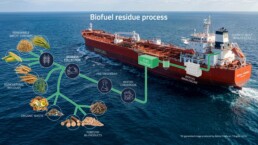
From residue to resource – the Rise and Risks of Marine Biofuels
While corn, sugarcane, wheat, or vegetable oils can be converted into fuel, their use for food is driving demand to develop waste or bi-products from…
PATH TO NET ZERO: Shipping companies face slow low-carbon bunker transition
Intensity reduced, not total emissions Cost of green fuel much higher Cargo owners less willing to pay premiums This is the sixth…
Allied Weekly Market Review Week 39
Pls find below the Allied - Weekly Market Review - Week 39 ALLIED - Weekly Market Report- Week 39
DORIC MONTHLY CHINA BAROMETER SEPTEMBER 2026
Pls find below the DORIC MONTHLY - CHINA BAROMETER SEPTEMBER 2026 CHINA_BAROMETER_SEPTEMBER_2026

Intermodal Report Week 39 2026
Pls find below the Intermodal Report - Week 39 2026 Intermodal Report Week 39 2026

New Direct Travel sustainability report sets context for lower-carbon crew change travel
Scope 1, 2 and 3 emissions baseline established across the combined organisation Report highlights marine expertise in addressing travel-related…
Subscribe to our newsletter!
if you dont want to swim alone in the ocean of news, sign up for the newsletter, and you will receive daily all the important news of world shipping!
