

Bulk carriers carrying elemental sulphur cargoes in the Strait of Hormuz are at significant risk of accelerated structural corrosion, with some vessels having remained at anchorage for more than three times the standard cargo protection period, marine consultancy Brookes Bell has warned.
Arron Jackaman, Director of Non-Destructive Testing at Brookes Bell, has urged shipowners, P&I clubs, and hull and machinery insurers to assess the condition of affected dry bulk carriers as soon as possible in order to avoid potential damage and financial loss.
The risk stems from the limited working life of the protective treatment applied to cargo holds before loading, and how far that protection might have already been exceeded on vessels delayed in the Strait.
Elemental sulphur is loaded into bulk carrier holds prepared with a limewash hold block coating, designed to act as a barrier between the cargo and the vessel’s steel structure. Once loaded, the cargo is dampened with a water mist to provide protection for approximately 20 days, after which the steel is exposed.
Once moisture and sulphur come into contact with unprotected steel, an acidic environment can develop, promoting the formation of iron sulphide corrosion products and driving rapid, localised pitting corrosion at rates far exceeding normal seawater exposure.
With some vessels in the Strait of Hormuz having remained at anchorage for upwards of 60 days, Jackaman noted that this protection period has been significantly exceeded and has warned about the risk of further damage to bulk carriers stuck in the region.
“The hold block for carrying sulphur cargoes has a standard working life of around 20 days. Where vessels have been at anchorage for two months or more, that protection has long since been exhausted. The corrosion that can develop once exposed steel is subjected to prolonged contact with sulphur and moisture is orders of magnitude more aggressive than normal seawater exposure,” said Jackaman.
Brookes Bell noted that it has been investigating sulphur cargo claims for vessels that had managed to exit the Strait of Hormuz since February. It noted that it has documented pitting depths in unprotected steel of up to 5 mm forming in approximately 50 days, with some cases even recording wastage of up to 7 mm. The standard corrosion rate in a seawater environment is 0.2 mm per year.
“Sulphur corrosion often appears visually more severe than it actually is. Localised pitting tends to concentrate at points where grab discharge equipment has broken the coating barrier, and on cargo hold tank top plating, which is left uncoated by design. Without correct measurements and quantitative assessment, there is a significant risk that steel within class limits is condemned unnecessarily,” Jackaman explained.
Under Common Structural Rules, bulk carrier cargo hold structures such as tank top plating, bulkhead stools and sloping hopper plating incorporate a sacrificial corrosion allowance of 5.5mm. Visual assessment alone does not account for this margin, and Jackaman has warned that claims based on visual severity routinely overstate the repair strategy and structural renewal that is required.
“Wholesale steel renewal can cost around 10 times more than targeted localised repair. If the extent of repair is being decided on the basis of what the damage looks like rather than what the measurements show, then owners, charterers, and their insurers can end up paying significantly more than the structural condition requires,” said Jackaman.
Brookes Bell has also highlighted crew safety as a consideration, noting that appropriate atmospheric testing, risk assessment and confined space entry procedures must be in place before personnel enter affected cargo holds and adjacent tank spaces.
“Early engagement is critical. The strongest evidence is usually obtained before cargo residues are fully removed, surfaces are cleaned, or repair decisions have already been made. Brookes Bell’s involvement from the point at which damage is first identified gives clients the best opportunity to measure the true extent of corrosion, challenge unnecessary steel renewal and the strongest basis for ensuring repair costs are fair, proportionate, and defensible,” Jackaman added.



Related News.
Cyprus Marine Club Welcomes a Full House for Aphentrica’s War Risks Presentation
The Cyprus Marine Club marked its return after the summer break with a full house at Gazebo Mare on Tuesday, 22 September, bringing together members,…

IMO seeks feedback on Maritime Single Window implementation
The International Maritime Organization (IMO) has launched a global survey to assess the implementation and use of Maritime Single Windows (MSWs),…
World Maritime Day industry panel to examine the gap between maritime policy and the reality of life at sea
OneCare Group will bring together crewing, safety, insurance and wellbeing specialists for a World Maritime Day webinar examining how shipping can…

IUMI President – Marine insurers are war insurers
Marine insurers are at the heart of managing war risks to global shipping and must continue to develop the tools needed to support and facilitate…
Seafarer welfare is improving amongst leading companies, but five years of evidence shows this progress is far from the norm
Five years on, the Seafarers’ Rights Code of Conduct is driving more than 1,000 companies to participate in RightShip’s Crew Welfare…
The UK ETS arrives for shipping what it means for charterers
Introduction The UK Emissions Trading Scheme (UK ETS) was extended to domestic maritime activity on 1 July 2026, following the EU ETS, FuelEU…
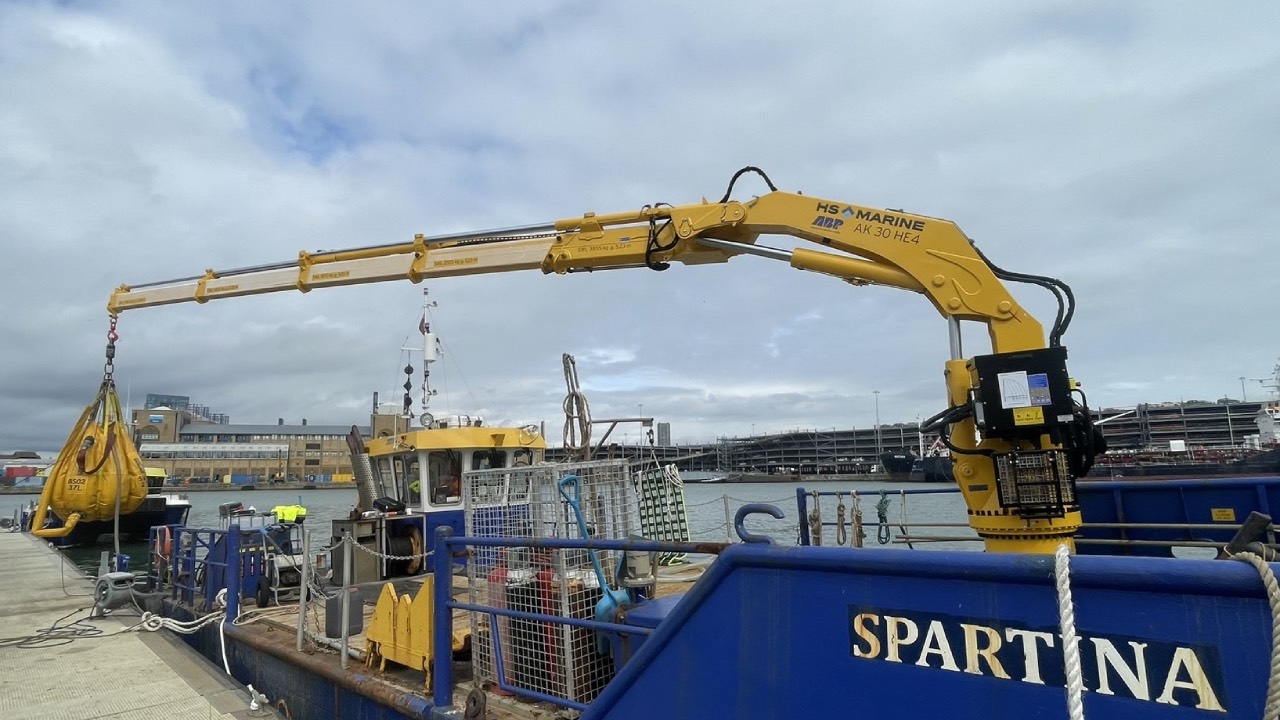
ABP Southampton invests locally with Marine Cranes to boost capability
Associated British Ports , the UK’s largest port operator, has invested a new marine deck crane aboard Spartina, one of the Port of Southampton’s…
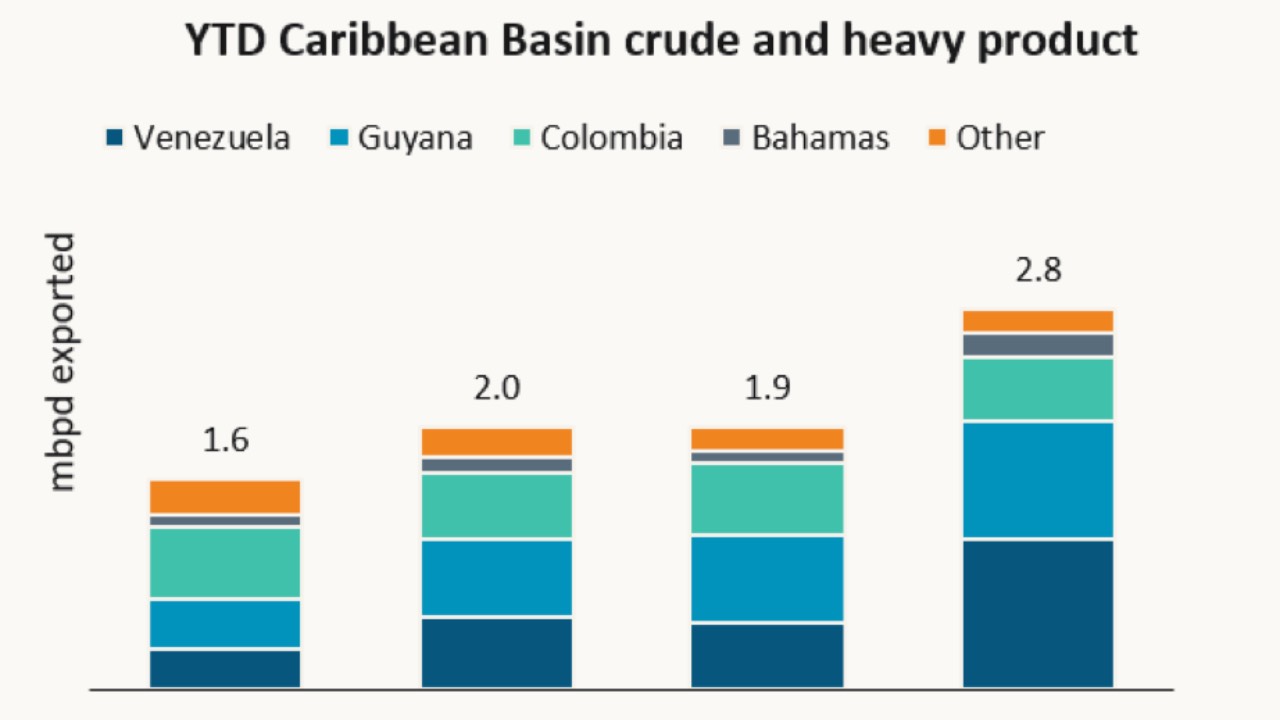
BIMCO Shipping Number of the Week
Caribbean Basin crude oil and heavy product exports jump 45% “Seaborne exports of crude oil and heavy products from the Caribbean Basin have…

xclusiv S&P Report 21th September 2026
Pls find below the [xclusiv] S&P Report 21th September 2026 [xclusiv] 2026_09_21
Marine insurance supply remains stable as geopolitical and technical changes reshape the market, says IUMI President
The global marine insurance market remains in a stable position, with premium growth strongly supported by a weak USD in hull and cargo. Meanwhile…
Subscribe to our newsletter!
if you dont want to swim alone in the ocean of news, sign up for the newsletter, and you will receive daily all the important news of world shipping!
