Squarehead and Reach Remote launch acoustic pilot onboard autonomous vessel
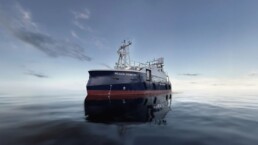

Squarehead Technology has entered into an Early Adopter Pilot agreement with Reach Subsea to test advanced acoustic monitoring technology onboard Reach Remote 1, an uncrewed surface vessel developed for remotely operated offshore missions such as subsea inspection, survey and intervention.
The pilot will explore how directional sound sensing can improve condition monitoring and anomaly detection in one of the most challenging onboard environments: the engine room. The collaboration also includes close integration with Massterly’s Remote Operations Center (ROC) in Horten.
The initiative is also part of a broader development trajectory within the Ocean Autonomy ecosystem in Norway, where sensor fusion, remote operations and autonomy technologies are increasingly converging to enable safer and more efficient offshore operations.
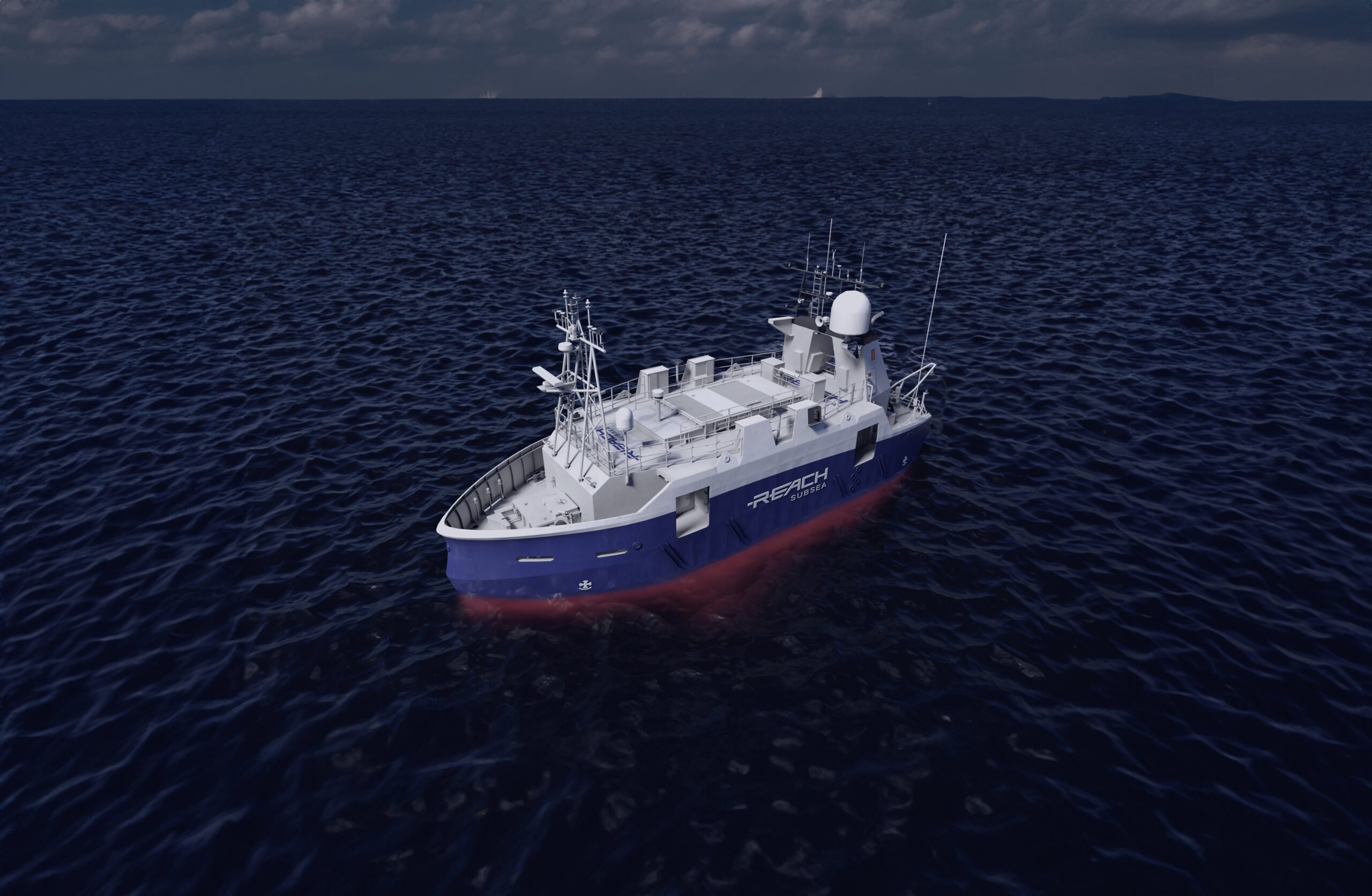 Reach Remote 1. Illustration: Reach Subsea
A new era of autonomous shipping
Reach Remote 1 is one of the first uncrewed surface vessels (USVs) in the world approved for fully remote-controlled operations. Developed by Reach Subsea, the vessel is designed to execute offshore subsea operations without onboard crew, while being controlled and monitored from shore.
The approval represents a significant step in the transition from pilot projects to operational autonomous shipping. Through Massterly’s ROC, operators on land monitor vessel performance, navigation and safety in real time, effectively replicating key bridge functions without a physical crew onboard.
The vessel forms part of a wider operational model where autonomy is not only a technology layer, but a service framework combining remote control, digital infrastructure and advanced sensing systems.
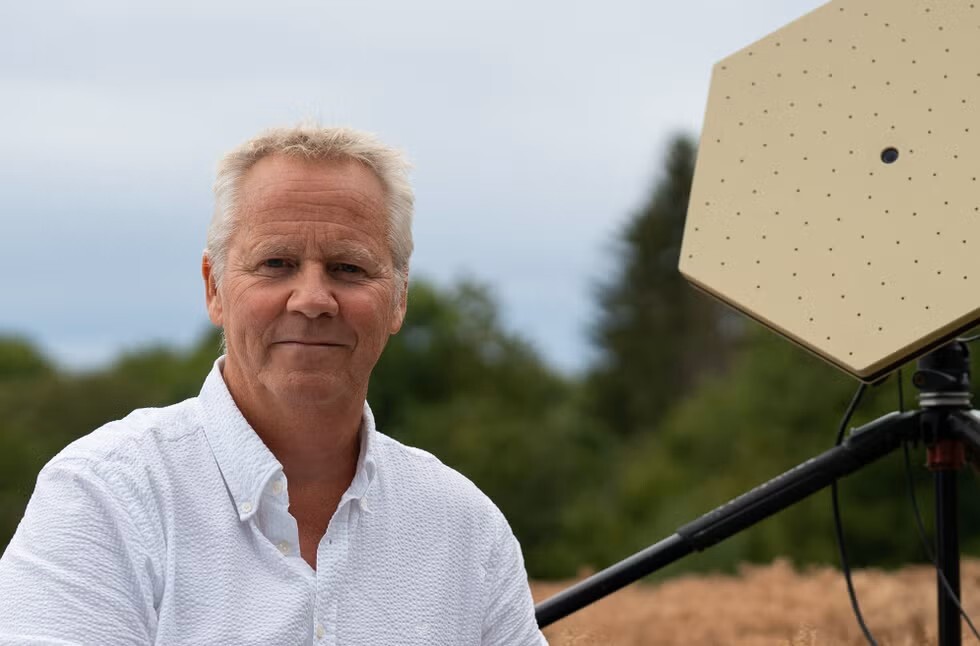 Stig Oluf Nyvold Managing Director of Squarehead Technology. Photo: Squarehead Technology
From military acoustics to maritime insight
Squarehead Technology develops advanced acoustic sensor systems originally designed for defence and security applications, where directional sound detection and real-time analysis of complex acoustic environments are critical. The technology is now increasingly applied in maritime and industrial domains, including autonomous vessels and offshore operations.
As part of the emerging Ocean Autonomy ecosystem, Squarehead contributes to next-generation situational awareness solutions where acoustic intelligence complements traditional sensor systems across autonomous operations.
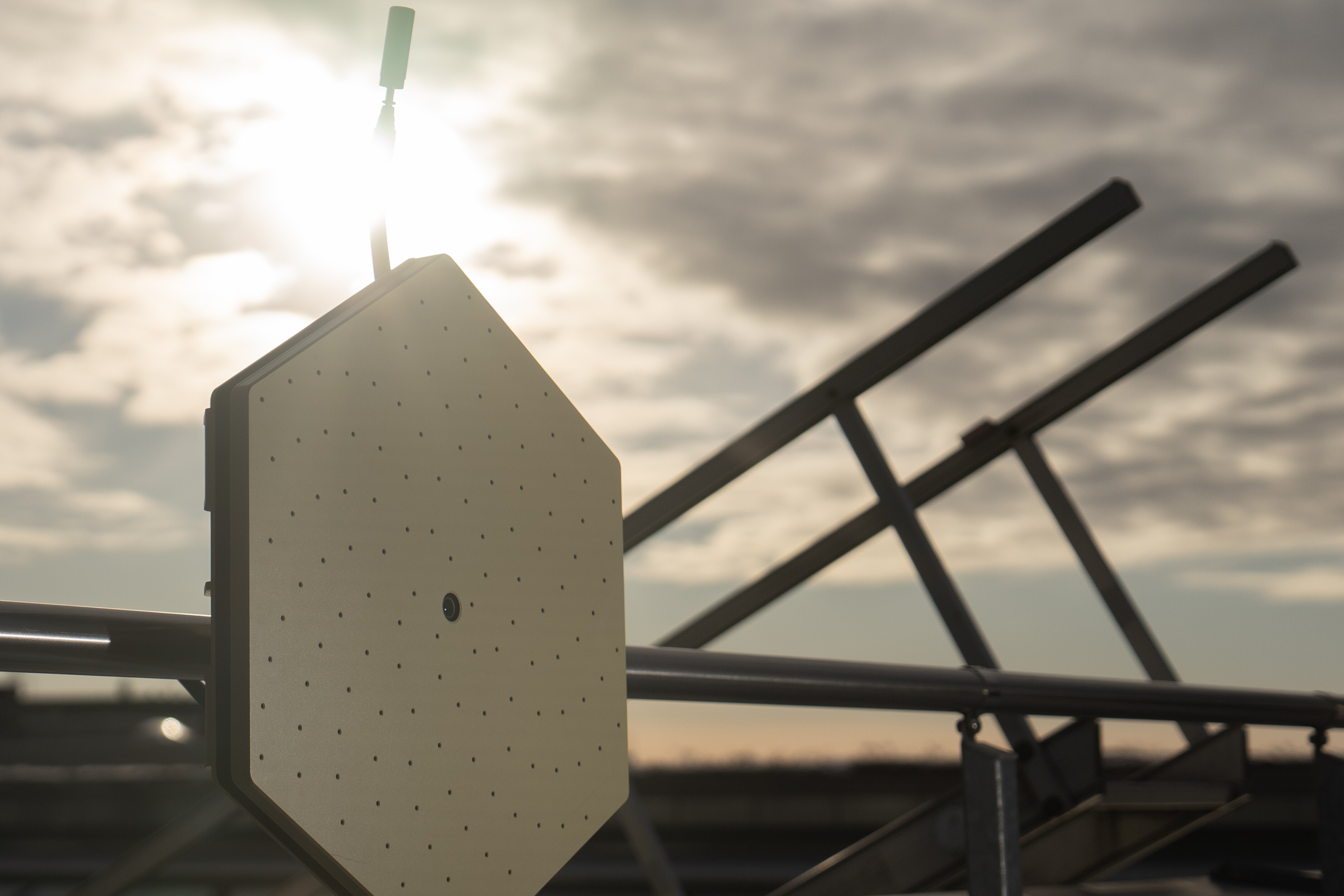
The company’s microphone array technology combines large-scale acoustic sensing with AI-based analysis, enabling precise localisation of sound sources and detection of anomalies in noisy environments such as machinery spaces and engine rooms.

Peter A. Brønlund, Squarehead Technology
In maritime autonomy applications, this capability is increasingly described as “superhearing”, enabling remote operators to regain auditory situational awareness from shore-based control centres.
“Engine rooms are acoustically complex, but also rich in information. If we can detect subtle deviations in sound patterns, we can uncover issues that other sensors may not capture,” says Peter A. Brønlund, General Manager and Business Development Director, Industrial.
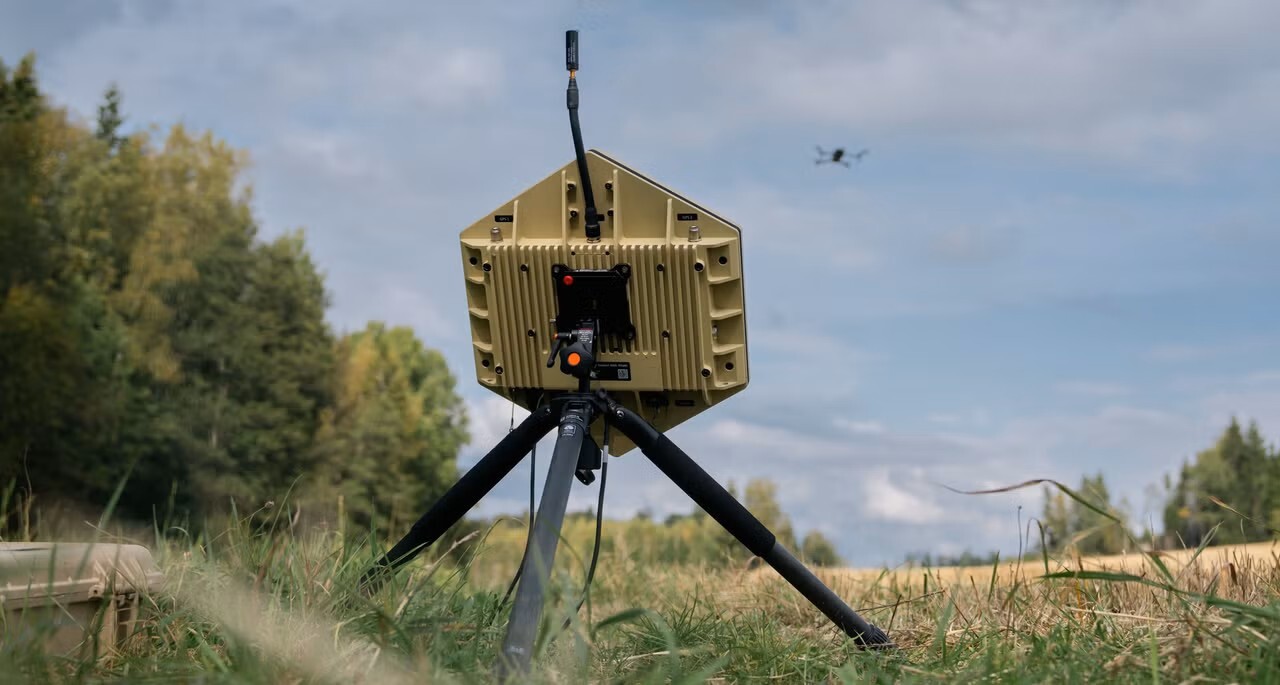 Squarehead Technology’s Discovair, shown here in the field with a drone hovering overhead. Photo: Squarehead Technology
Stepwise deployment onboard Reach Remote 1
The pilot will be rolled out step by step. A suitable sensor location has already been identified in the compact engine room onboard Reach Remote 1. During a port call in Kristiansund in early May, mounting brackets, power supply, and network cabling will be installed by vessel personnel. At a subsequent port call later in May, Squarehead Technology representatives will install the acoustic array and connect the system to the onboard network.
Following installation, the system will enter a data acquisition phase, collecting baseline sound patterns over time before anomaly detection is activated. Once operational, acoustic events will be transmitted to Massterly’s ROC, where operators can listen to and verify anomalies as part of remote vessel operations.
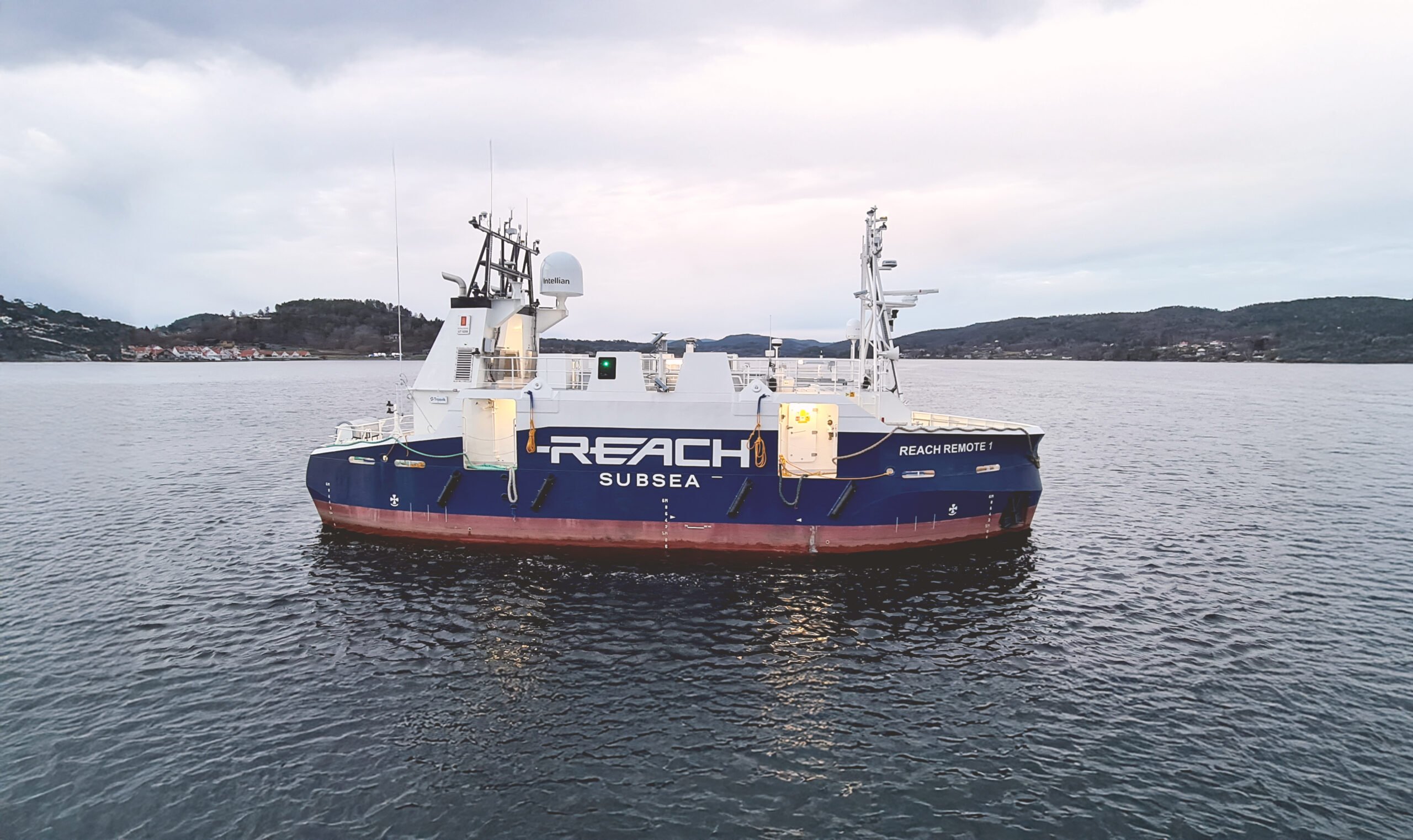 Reach Remote 1. Photo: Reach Subsea
Developing the next layer of maritime sensing
The ambition is to establish acoustic monitoring as a complementary layer to existing onboard sensor systems, particularly relevant in autonomous and remotely operated vessels where situational awareness must be maintained without crew onboard.
“We see this as a development partnership,” says Brønlund. “Together with Reach Subsea and ROC operators, we are shaping how acoustic data is interpreted and used in real operations.”
The partners are also considering documenting the project as an ongoing series, sharing insights, challenges and results as the system is tested in a live operational environment.
If successful, the technology could enable detection of anomalies that conventional sensor systems miss, adding a new dimension to safety, efficiency, and predictive maintenance in autonomous maritime operations.



Related News.
Hong Kong Global Maritime Trade Summit to return for third edition
The International Chamber of Shipping, in collaboration with the Transport and Logistics Bureau of the Government of Hong Kong and the Hong Kong…

Appetite for US crude oil exports climbs despite high freight
South Korea tops US crude destinations at 568,600 b/d VLCC rates to Asia double, closing arbitrage window European refining margins…

Shipping stocks Rally as Hormuz Traffic plunges 75%
Ship traffic through the Strait of Hormuz — a critical chokepoint handling about 20% of global crude oil and liquefied natural gas shipments — has…
Diana Shipping announces Time Charter Contract for m/v G P Zafirakis with Classic Maritime
Diana Shipping, a global shipping company specializing in the ownership and bareboat charter-in of dry bulk vessels, announced that, through a…
New IMO ESP Code framework for Remote Inspection Techniques
The International Maritime Organisation, through Resolution MSC.584(111) , has adopted amendments to the International Code on the Enhanced…

ABS opens Offshore & Marine Support Center in Bergen
ABS has expanded its capabilities in the Norwegian maritime market with the opening of a cutting-edge support center in Bergen, bringing advanced…

MOL holds giant step memorial ceremony and beach cleanup at Kashima Coast
Memorial and Reflection 20 Years After the Accident: Learning from the Past to Foster an Even Stronger Safety Culture Mitsui O.S.K. Lines, announced…

KEZAD-based Arabian Gulf Steel Industries achieves lowest verified Carbon Footprint for Rebar
CARES UK verified Environmental Product Declaration confirms 139 kg CO₂e per tonne for rebar produced at AGSI’s KEZAD Abu Dhabi facility Arabian…
Indian Register of Shipping announces launch of first fleet support ship INS Surya
Indian Register of Shipping continues to strengthen its role in supporting the Indian Navy and India’s naval shipbuilding capabilities through the…

VLCCs Climbing the Record Charts
LR2 The TC1 75kt MEG/Japan index decreased by only a single point this week to WS928. The corresponding Baltic round-trip TCE fell by $2,000 to…
Subscribe to our newsletter!
if you dont want to swim alone in the ocean of news, sign up for the newsletter, and you will receive daily all the important news of world shipping!
