Cargo Handling and Safety in the Carriage of Woodchips

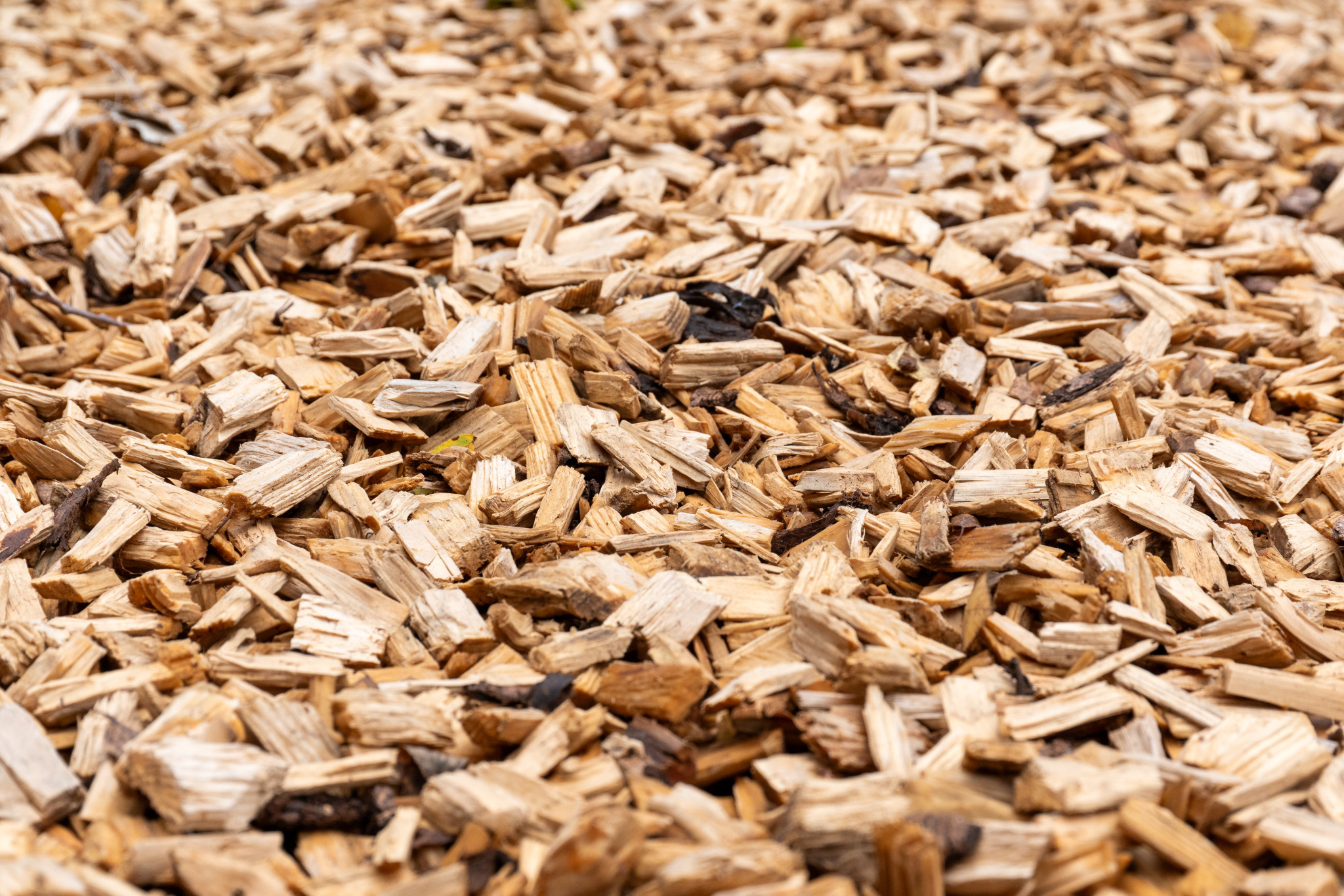
Woodchips are derived from natural timber and mechanically processed to the approximate size of a business card, are a common bulk cargo in maritime transport.
Despite their widespread use, woodchips present unique safety challenges due to their organic nature, moisture sensitivity, and potential for oxygen depletion and fire hazards.
This article outlines the key safety considerations and best practices for handling woodchips at sea, based on the IMSBC Code and industry best standards as well as practices.
Physical Properties and Classification
Woodchips are classified under the IMSBC Code as a Group B cargo with MHB (Material Hazardous only in Bulk) characteristics. Their physical properties influence how they behave during loading, stowage, and transit:
- Size: Approximately the size of a business card
- Bulk Density: 326 kg/m³
- Stowage Factor: 3.07 m³/t
- Angle of Repose: Not applicable.
- Hazard Group: CB (Chemical hazard- Combustible Solids)
Moisture Content and Microbiological Hazards
Woodchips are hygroscopic and can retain significant moisture. When moisture content exceeds 15%, microbial growth (fungi, bacteria, etc.) becomes active, especially in warm conditions.
This biological activity consumes oxygen and produces heat, potentially leading to:
- Oxygen Depletion: Dangerous levels can occur in less than 48 hours.
- Carbon Dioxide Accumulation: A byproduct of microbial respiration.
- Self-Heating and Fire Risk: Moist cargo has a low fire risk, but as moisture decreases, the risk increases significantly.
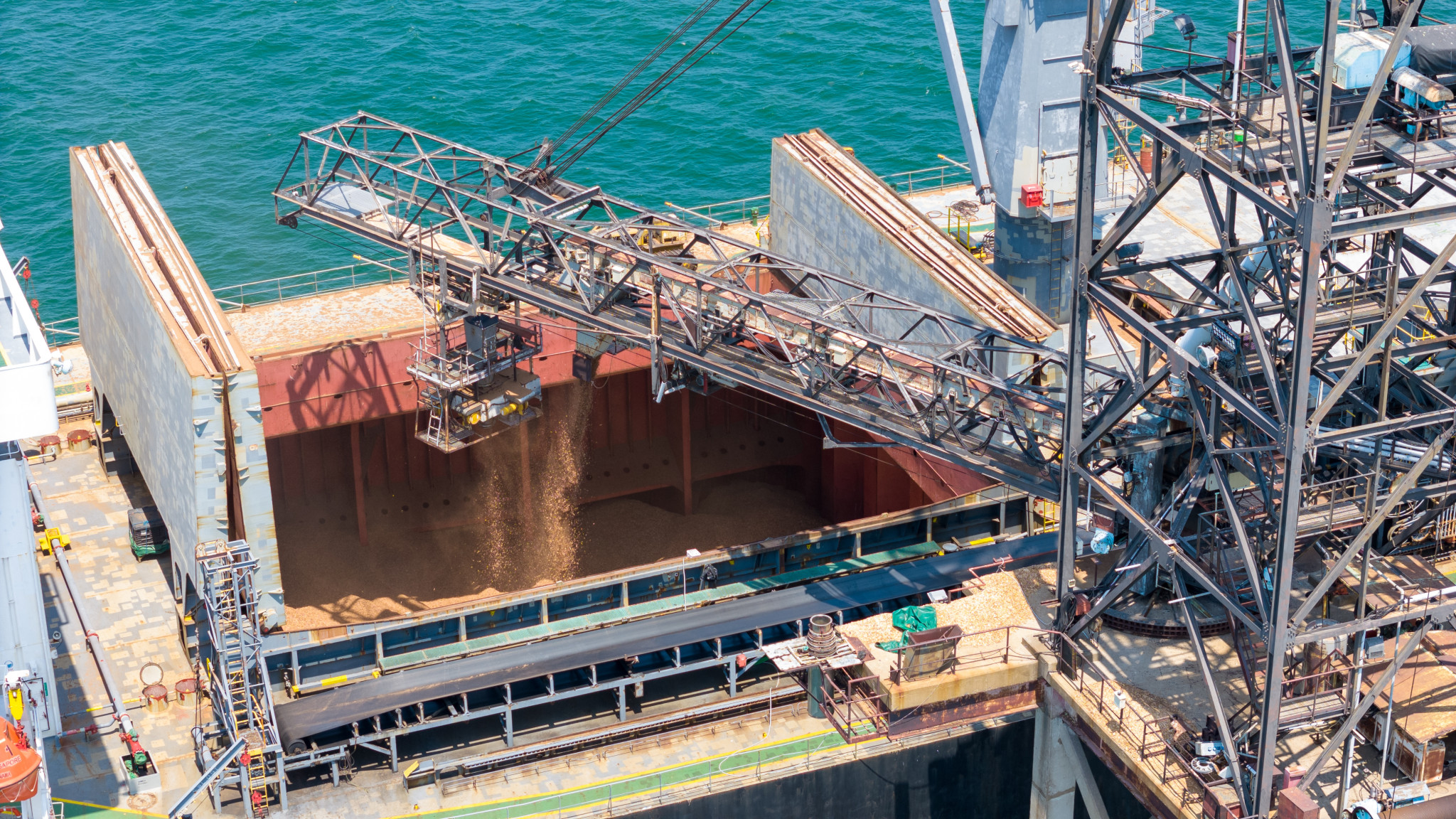
During loading and unloading operations, all non-working hatches should be closed to prevent water ingress and protect against dust hazards. Appropriate weather precautions must be taken to ensure that cargo conditions remain dry, especially during precipitation.
Safety Measures
- Pre-Loading Inspection: The master must verify moisture content via certificates and physical inspection.
- Atmosphere Testing: Oxygen levels must be confirmed to be at least 20.7% before entry into cargo or adjacent spaces.
- Ventilation: If oxygen levels are low, forced ventilation must be applied before man entry and re-tested after a suitable interval
- Entry Protocols: No personnel should enter enclosed spaces without following full procedures, including wearing oxygen meters and carrying self-contained breathing apparatus.
There have been incidents where stevedores have entered cargo holds or adjacent spaces on vessels carrying woodchips before the atmosphere has been confirmed safe. Stringent means of access control is put in place to prevent unauthorised entry into any enclosed spaces.
Dust Hazard and Fire Safety
Dry woodchips are highly combustible and can ignite easily from external sources or friction. Dust generated during loading and unloading can settle on deck and dry quickly, becoming a fire hazard.
The presence of dust not only increases the risk of fire but can also lead to respiratory problems for crew members. Therefore, it is essential to implement effective dust control measures. This includes using appropriate PPE (Personal Protective Equipment) such as dust masks and goggles, and ensuring that cargo holds during cleaning operations are well-ventilated to prevent dust accumulation
Precautions
- Dust Suppression: Use water mist or foam during cargo operations.
- Deck Cleaning: Regular removal of dust to prevent ignition.
In the event of a fire, the ship’s fixed fire-fighting systems should be deployed, and exclusion of air may suffice to control the fire. Fire safety measures such as battening down hatches and using carbon dioxide or foam extinguishers are crucial
Cargo Compression and Stability
During transit, woodchips settle and compress due to ship motion and vibration. This can lead to:
- Uneven Weight Distribution: Affecting vessel trim and stability.
- Structural Stress: Increased pressure on bulkheads and decks.
- Ventilation Blockage: Compressed cargo may obstruct airflow, increasing fire and oxygen depletion risks.
Best Practices
- Even Loading: Use mechanical spreaders or bulldozers to distribute cargo uniformly.
- Stowage Planning: Ensure balanced placement to minimize shifting.
Trimming and Ventilation
Proper trimming and ventilation are essential for maintaining cargo stability and preventing heat buildup.
Trimming refers to leveling the cargo surface to ensure uniform distribution. Poor trimming can lead to voids, uneven weight, and increased risk of cargo shift. Best practices include using bulldozers or conveyors to level cargo during loading, following IMO guidelines for trimming procedures, and ensuring cargo does not exceed hold boundaries. Ventilation is equally important, especially for cargoes prone to heating or gas emissions. Best practices include natural ventilation through deck openings when safe, mechanical ventilation systems for controlled airflow, and monitoring humidity and temperature to adjust ventilation rates.

Cargo should be trimmed correctly to fill all spaces under the decks and hatch covers. Additionally, during the voyage, it is critical to regularly check the cargo’s condition to ensure that it remains stable and does not shift, which can lead to dangerous situations.
Trimming
- Uniform Surface: Avoid peaks and troughs that can shift during transit.
- Compliance: Follow trimming provisions under Sections 4 and 5 of the IMSBC Code.
- Ventilation:
- Monitoring: Use humidity and temperature sensors to guide ventilation adjustments.
- Entry Safety: Always test atmosphere before entry, even in apparently isolated spaces.
Conclusion
The carriage of woodchips requires strict adherence to safety protocols due to their chemical and biological hazards. Moisture content, dust generation, oxygen depletion, and fire risk must be actively managed throughout the voyage. By following the IMSBC Code guidelines and implementing the best practices in trimming, ventilation, and atmosphere testing, Vessels can ensure the safe and efficient transport of woodchips.
Authors




Related News.

Navigating the Multi-Orbit Era: In Conversation with Intellian’s Jon Harrison at SMM 2026
At SMM 2026 in Hamburg, the rapid evolution of maritime satellite communications took centre stage. Across the exhibition halls, discussions among…
Cyprus ports need joint energy and investment strategy, shipping agents chief says
Cyprus needs a coordinated strategy for shipping, energy and environmental protection to support port investment and modernisation, Cyprus shipping…

MASO Public Affairs introduces MASO Regulatory Intelligence
A new subscription service helping businesses understand what is changing and what it means for them MASO Public Affairs introduces MASO Regulatory…
Anglo-Eastern helps turn CMBTECH’s ammonia ambition into an operational reality
From early feasibility study and risk-based design to newbuilding supervision, crew readiness and technical management, Anglo-Eastern drew on its…

Escalation of attacks threatens to derail recovery in Middle East oil exports
World oil demand is forecast to fall by 2.5 mb/d y-o-y in 4Q26 and 2.6 mb/d on average in 2026. As the Iran war manifests itself through restricted…
New study finds shipping pays twice its share to EU ETS earmarked revenues should triple to help build market for sustainable fuels and technologies
Shipping is responsible for around 10% of EU ETS emissions but pays almost 20% of the ETS bill. Unlike other sectors, it has never received free…
MSARC strengthens maritime mass rescue readiness through training and national live exercise off Dakar, Senegal
Joint MSARC–FHAS programme combines three days of SAR training with a national multi-agency live exercise The Maritime Search and Rescue Council ,…
Sogese report deliveries are still being delayed as container freight rates fluctuate
FOR IMPORTERS Spot rates into the Mediterranean are back at January levels, Far East to Europe reliability sits at pandemic lows, and nearly…
Glencore begins trading on Australian Securities Exchange
Glencore has begun trading on the Australian Securities Exchange under the ASX code GLC. Gary Nagle, Glencore’s CEO, said it was an exciting day for…
BIMCO Shipping Number of the Week
Suez Canal container ship transits exceed 50% of pre-disruption levels "During the first two weeks of October, weekly container ship capacity…
Subscribe to our newsletter!
if you dont want to swim alone in the ocean of news, sign up for the newsletter, and you will receive daily all the important news of world shipping!
