

Last month’s disclosure from OpenAI confirmed that a security breach exposed personal data from some ChatGPT API users.
While the breach may not have originated within the company’s own systems, the ripple effects extend far beyond Silicon Valley. The incident, traced back to Mixpanel, a third-party analytics provider, serves as a reminder of how deeply interconnected modern AI systems have become, and how vulnerable that ecosystem can be.
According to OpenAI, the compromised data included names, email addresses, approximate location information, and device details such as operating system and browser type. Crucially, no chats, passwords, API keys, payment information, or government IDs were accessed.
The company quickly removed Mixpanel from its production environment and launched a full investigation, saying it has found no evidence of malicious use so far. Still, OpenAI warned affected users that the exposed data could fuel phishing attempts or social-engineering campaigns.
This might seem like a story confined to the wider tech world. But for shipping, ports, and vessel operators, the OpenAI breach highlights broader trends shaping how AI is being woven into maritime operations. As the sector races toward autonomous systems, data-driven decision tools, and digital twins, incidents like this one show where the fault lines lie.
Lesson 1: Transparency can’t be optional
One element of OpenAI’s response was its openness. The breach was publicly disclosed, explained in detail, and paired with immediate mitigation steps. In maritime, this level of communication is still the exception. Too often, cyber incidents are quietly handled behind closed doors, under-reported, or shared only within small, trusted circles.
Lesson 2: AI introduces “unknown unknowns”
OpenAI’s rapid removal of Mixpanel highlights a growing reality. AI platforms are rarely standalone systems. They sit as layers on top of third-party tools, analytics pipelines, and cloud services that operators may not fully understand. In maritime, where digital ecosystems span vessels, shoreside operations, OEM systems, and vendor platforms, these hidden dependencies can introduce risk in places no one is actively watching.
Lesson 3: Adoption is outpacing preparedness
In maritime, enthusiasm for AI continues to surge, but cybersecurity maturity remains uneven. The OpenAI incident reminds us that many systems and technologies, including AI, are not secure by design. Phishing, weak passwords, and social engineering remain the most reliable entry point for attackers.
As technology such as AI becomes indispensable to maritime efficiency, safety, and competitiveness, building resilience isn’t just advisable; it’s critical.
If you’re curious to learn more about maritime AI, you can dive deeper into Thetius’ research here.
Source: Thetius



Related News.

Cyprus Marine Club Welcomes a Full House for Aphentrica’s War Risks Presentation
The Cyprus Marine Club marked its return after the summer break with a full house at Gazebo Mare on Tuesday, 22 September, bringing together members,…
IMO seeks feedback on Maritime Single Window implementation
The International Maritime Organization (IMO) has launched a global survey to assess the implementation and use of Maritime Single Windows (MSWs),…

World Maritime Day industry panel to examine the gap between maritime policy and the reality of life at sea
OneCare Group will bring together crewing, safety, insurance and wellbeing specialists for a World Maritime Day webinar examining how shipping can…

IUMI President – Marine insurers are war insurers
Marine insurers are at the heart of managing war risks to global shipping and must continue to develop the tools needed to support and facilitate…
Seafarer welfare is improving amongst leading companies, but five years of evidence shows this progress is far from the norm
Five years on, the Seafarers’ Rights Code of Conduct is driving more than 1,000 companies to participate in RightShip’s Crew Welfare…
The UK ETS arrives for shipping what it means for charterers
Introduction The UK Emissions Trading Scheme (UK ETS) was extended to domestic maritime activity on 1 July 2026, following the EU ETS, FuelEU…
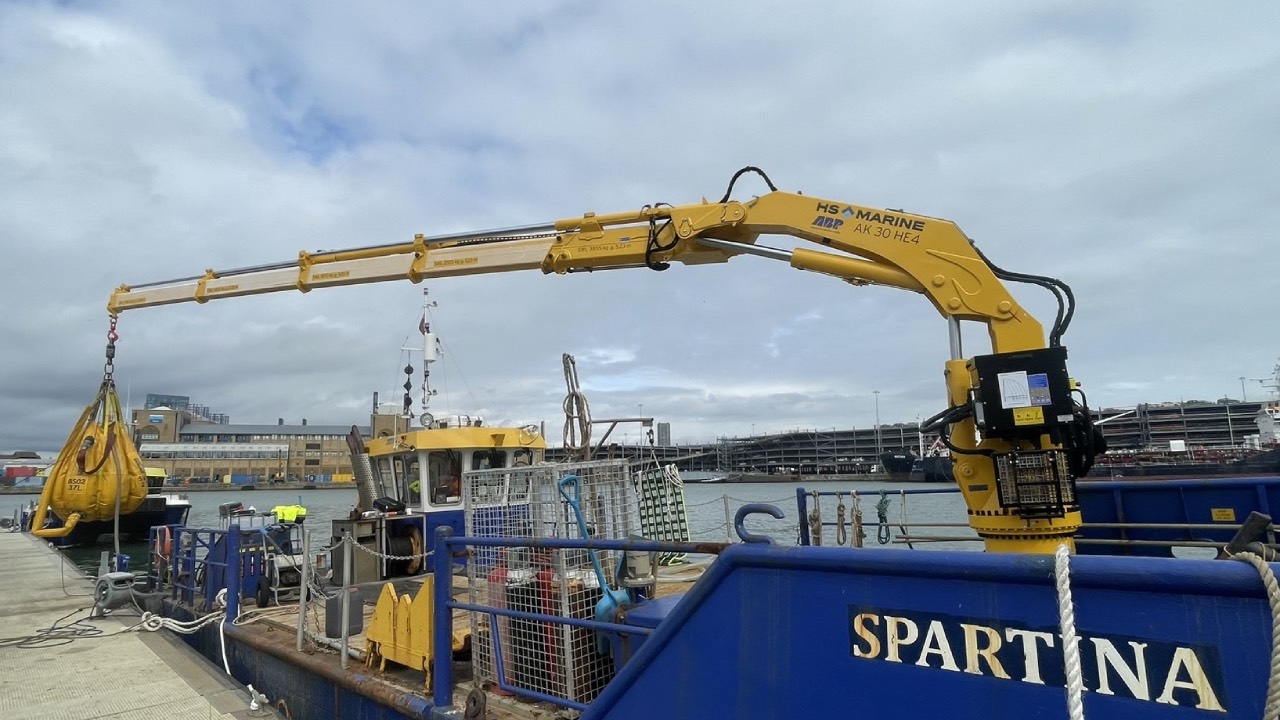
ABP Southampton invests locally with Marine Cranes to boost capability
Associated British Ports , the UK’s largest port operator, has invested a new marine deck crane aboard Spartina, one of the Port of Southampton’s…
BIMCO Shipping Number of the Week
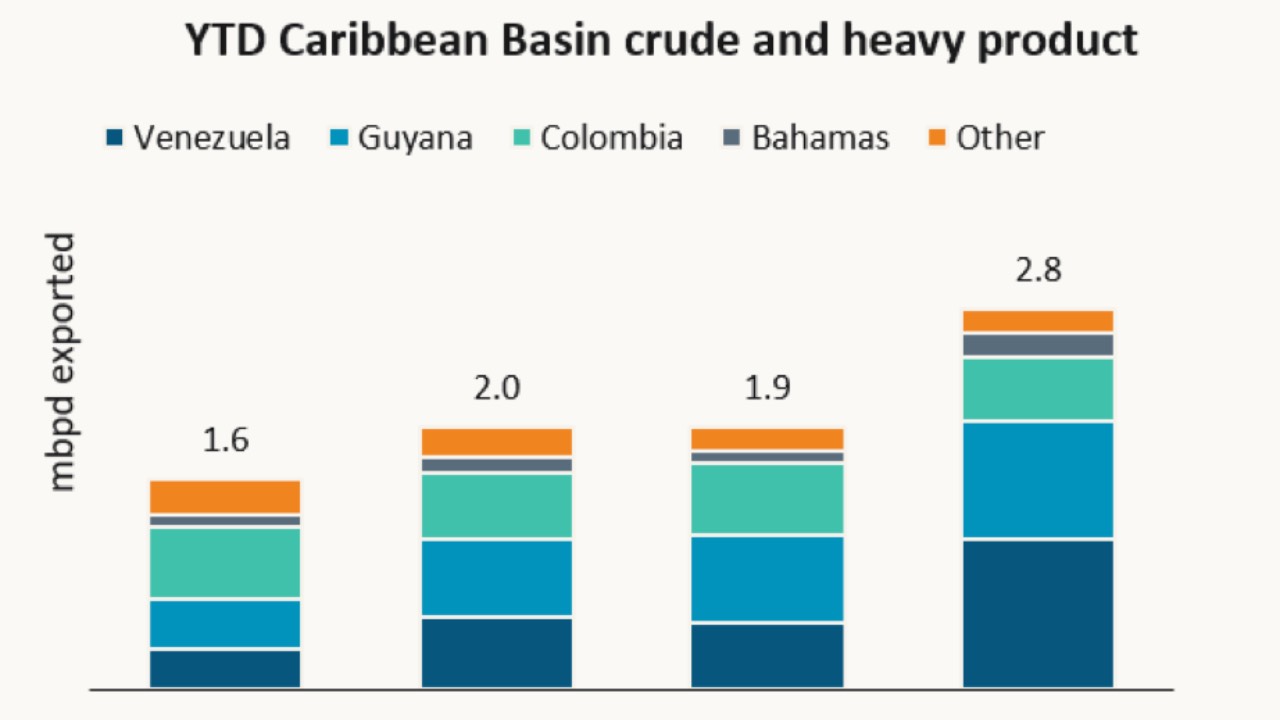
Caribbean Basin crude oil and heavy product exports jump 45% “Seaborne exports of crude oil and heavy products from the Caribbean Basin have…

xclusiv S&P Report 21th September 2026
Pls find below the [xclusiv] S&P Report 21th September 2026 [xclusiv] 2026_09_21
Marine insurance supply remains stable as geopolitical and technical changes reshape the market, says IUMI President
The global marine insurance market remains in a stable position, with premium growth strongly supported by a weak USD in hull and cargo. Meanwhile…
Subscribe to our newsletter!
if you dont want to swim alone in the ocean of news, sign up for the newsletter, and you will receive daily all the important news of world shipping!
